Are you new to cooking rice and wondering just how long it takes in a rice cooker? It’s a common question, and sometimes it feels like a mystery! Different types of rice and different amounts can make it seem tricky.
But don’t worry, we’re going to make it super simple. We’ll walk you through everything you need to know to get perfectly cooked rice every time. Get ready to learn the easy way!
Key Takeaways
- Rice cookers offer a convenient way to cook rice consistently.
- The cooking time for rice varies based on the type of rice used.
- Water-to-rice ratios significantly impact cooking time and texture.
- Rice cooker models can have slightly different cooking cycles.
- Soaking rice can sometimes reduce cooking time.
- Understanding these factors helps you predict and achieve perfect rice.
How Long Does Rice Take in a Rice Cooker
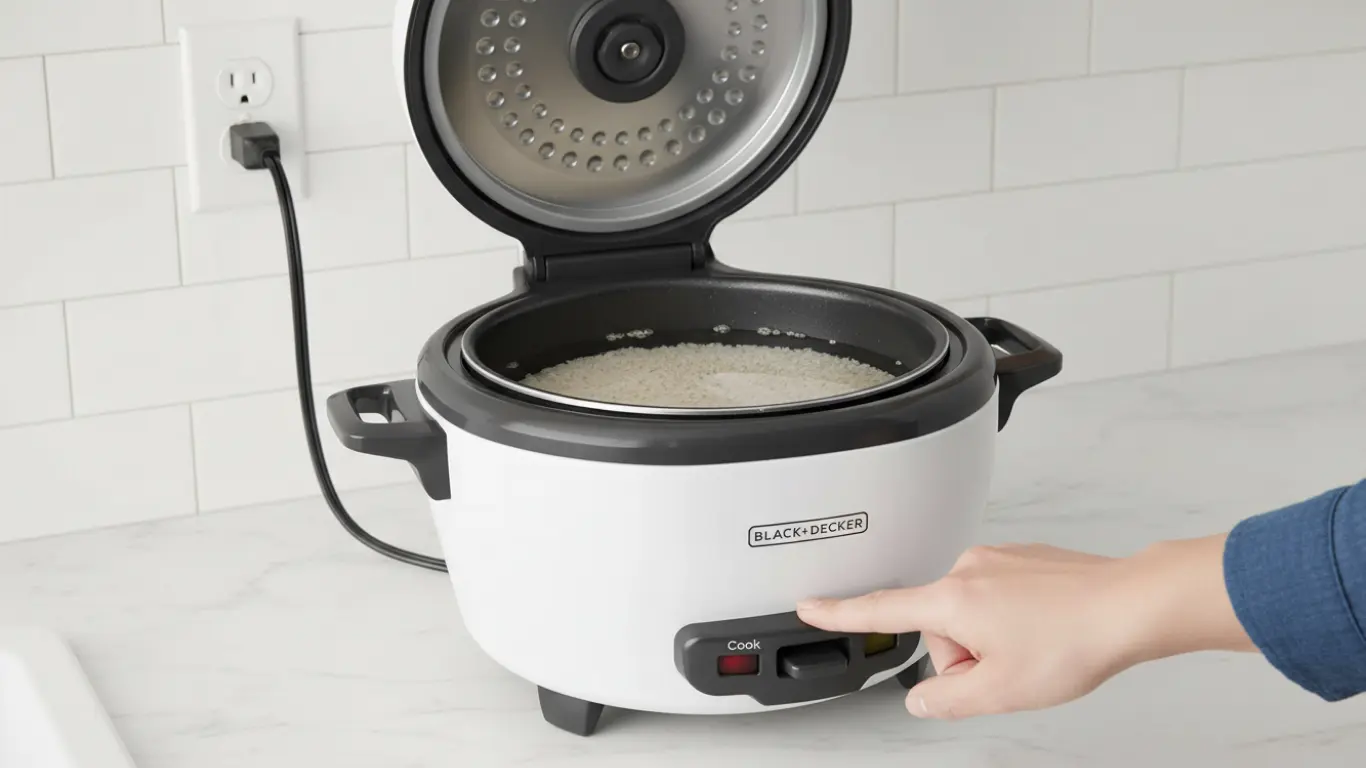
The question of how long does rice take in a rice cooker is one many home cooks ask. It’s a fantastic kitchen tool that takes the guesswork out of cooking rice, but knowing the basics helps you get the best results. Unlike stovetop cooking, rice cookers manage the heat and timing automatically, usually switching to a ‘warm’ setting when done.
This means you don’t have to constantly watch it. But the exact time can still depend on a few things, like the kind of rice you’re using.
Understanding Rice Cooker Cooking Cycles
Rice cookers are designed with specific cooking cycles that are optimized for different types of rice. These cycles aren’t just about boiling water; they involve a sequence of heating, simmering, and resting phases. The cooker heats the water to a specific temperature, then simmers the rice until the water is absorbed.
After the main cooking is done, the cooker often enters a “keep warm” mode, which allows the rice to steam and become fluffy. The duration of these phases is generally programmed into the cooker.
Many modern rice cookers have preset buttons for different rice varieties, such as white rice, brown rice, sushi rice, and even porridge. Each of these settings adjusts the cooking time and temperature to suit the grain’s needs. For example, brown rice, with its bran layer, typically requires a longer cooking time and higher temperature to become tender compared to white rice.
The cooker’s internal sensors help it determine when the rice is cooked by monitoring temperature and moisture levels.
The complexity of these cycles ensures that the rice cooks evenly and achieves the desired texture. Without this controlled process, you might end up with undercooked or mushy rice. The efficiency of a rice cooker means you can set it and forget it, trusting it to deliver consistent results.
This automated process is what makes rice cookers so popular for busy households.
White Rice Cooking Times
For standard white rice, the cooking process in a rice cooker is generally the quickest. Most rice cookers will take around 20 to 30 minutes to cook white rice from start to finish. This time includes the heating, boiling, and simmering stages.
Once the cooking cycle is complete, the rice cooker will typically switch to its warming function, which can keep the rice at an ideal serving temperature for an extended period.
The exact time can also be influenced by the amount of rice and water you use. More rice might require slightly longer, though rice cookers are designed to handle various batch sizes within their capacity. It’s always a good idea to follow the rice cooker manufacturer’s recommendations for the correct water-to-rice ratio, as this is crucial for achieving the perfect texture and ensuring the cooker functions as intended.
After the cooking cycle finishes, it’s recommended to let the rice rest in the cooker for about 10 to 15 minutes on the “warm” setting. This resting period, also known as steaming or dwelling, allows any remaining moisture to be evenly distributed throughout the rice, resulting in fluffier grains. So, while the active cooking time might be around 20-30 minutes, plan for about 40-45 minutes total from start to serving for optimal results with white rice.
Brown Rice Cooking Times
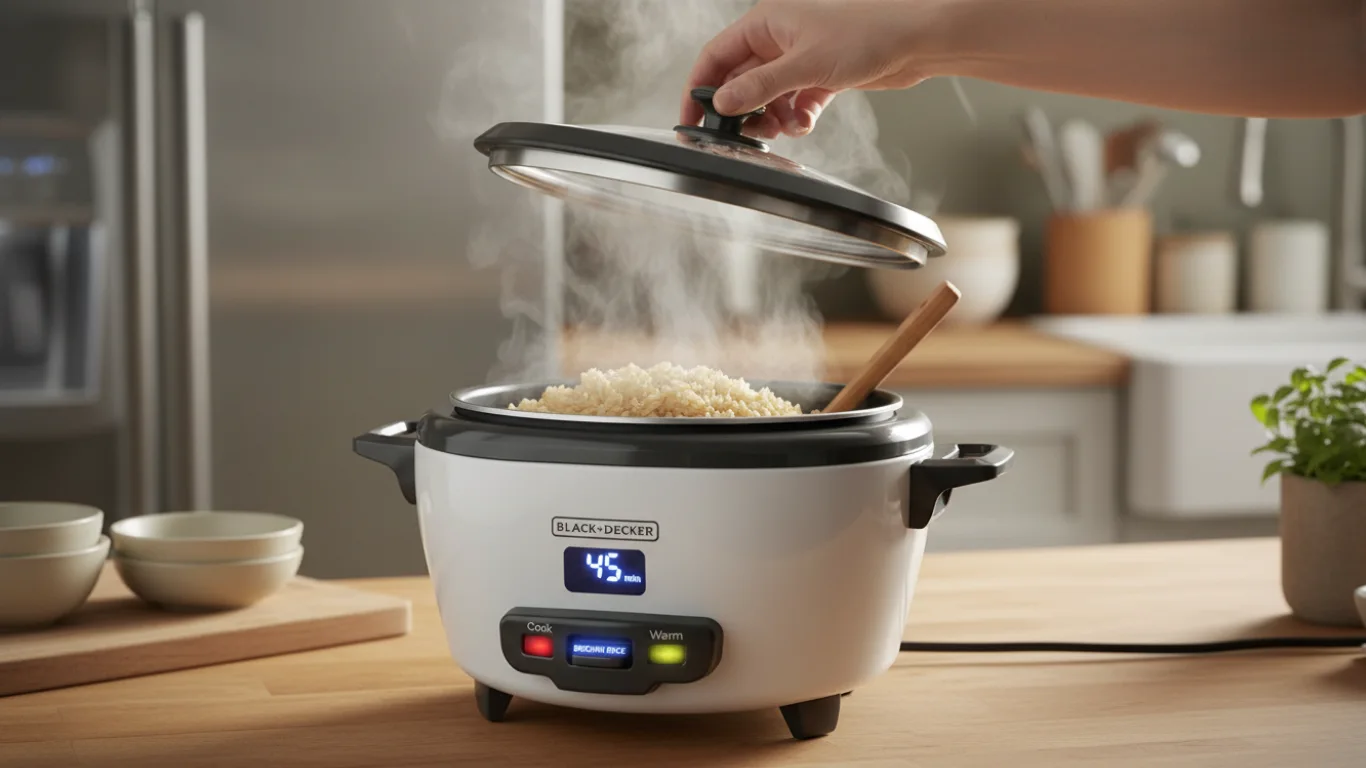
Brown rice, being a whole grain, has a tougher outer layer of bran and germ. This means it requires more water and a longer cooking time compared to white rice. In a rice cooker, brown rice typically takes between 40 to 50 minutes to cook.
This extended duration is necessary to soften the bran and allow the moisture to penetrate the grain.
The water-to-rice ratio for brown rice is also usually higher than for white rice. A common ratio is 2 cups of water for every 1 cup of brown rice, though this can vary slightly depending on the specific type of brown rice and your rice cooker model. Some rice cookers have a specific setting for brown rice that adjusts the heat and time accordingly.
If yours does, it’s best to use that setting for the most consistent results.
Similar to white rice, allowing brown rice to rest for about 10-15 minutes after the cooking cycle completes is highly beneficial. This steaming time helps ensure the rice is fully tender and has a pleasant texture. So, while the active cooking might be 40-50 minutes, the total time from adding ingredients to serving will be closer to an hour.
This patience is rewarded with nutritious and delicious brown rice.
Other Rice Varieties
Beyond white and brown rice, many other types of rice exist, and their cooking times can differ significantly. For instance, specialty rice like basmati or jasmine rice often cooks similarly to standard white rice, usually within the 20-30 minute range. Their fragrance and texture are what set them apart, but the basic cooking mechanics in a rice cooker are often the same.
Sushi rice, which is a type of short-grain white rice, also cooks relatively quickly, often around 20-25 minutes. Its stickiness is a key characteristic, achieved through specific water ratios and sometimes rinsing the rice thoroughly before cooking to remove excess starch. Many rice cookers have a “sushi” setting that optimizes for this.
Longer-grain rices like wild rice or some types of specialty grains might require even longer cooking times and potentially different water ratios. For example, pure wild rice (which is technically a grass seed) can take up to 45-60 minutes to cook. It’s always best to consult the package instructions for the specific rice you are using and your rice cooker’s manual for the most accurate guidance.
Some rice cookers even have settings for grains like quinoa or barley, further expanding their versatility.
The Role of Water Ratio
The amount of water you use in your rice cooker is one of the most critical factors in determining how long rice takes to cook and, more importantly, its final texture. The water-to-rice ratio ensures that there is enough liquid for the rice to absorb as it heats up and steams. If you use too little water, the rice may not cook through properly and can turn out dry and hard.
Conversely, using too much water can lead to mushy, overcooked rice. It also means the rice cooker might take slightly longer to absorb all the excess liquid before it can switch to the ‘warm’ setting. Rice cooker manufacturers usually provide a clear guide for the recommended water-to-rice ratios for different types of rice in their manuals.
These guides are invaluable for achieving consistent results.
A common starting point for white rice is a 1:1.5 or 1:2 ratio of rice to water, meaning for every cup of rice, you’d add 1.5 to 2 cups of water. For brown rice, this ratio typically increases to around 1:2 or 1:2.5. It’s often helpful to use the measuring cup that comes with your rice cooker, as it’s calibrated for the device.
Rinsing your rice before cooking can also affect how much water is absorbed, so follow specific instructions for your chosen rice variety.
Factors That Can Affect Cooking Time
While the type of rice and water ratio are primary influences, several other factors can subtly alter how long your rice takes to cook in a rice cooker. One significant factor is the temperature of the water you start with. Using cold water straight from the tap will naturally take longer to heat up than using lukewarm or warm water.
This difference might be minor for short cooking times but can become more noticeable with longer cooking cycles.
The altitude at which you are cooking can also play a role. At higher altitudes, water boils at a lower temperature. This means that the cooking process might take a bit longer for rice to absorb moisture and become tender.
Rice cookers are designed to compensate for some of this, but if you live in a very high-altitude area, you might observe slightly extended cooking times compared to sea level measurements.
Finally, the age and condition of your rice cooker itself can sometimes be a factor. Older models or those with worn heating elements or seals might not heat as efficiently, potentially leading to longer cooking cycles. Also, ensure the lid is sealing properly; any gaps can allow steam to escape, affecting the cooking environment and time.
Regular cleaning of the rice cooker, including the steam vent, also ensures it functions optimally.
Soaking Rice An Option
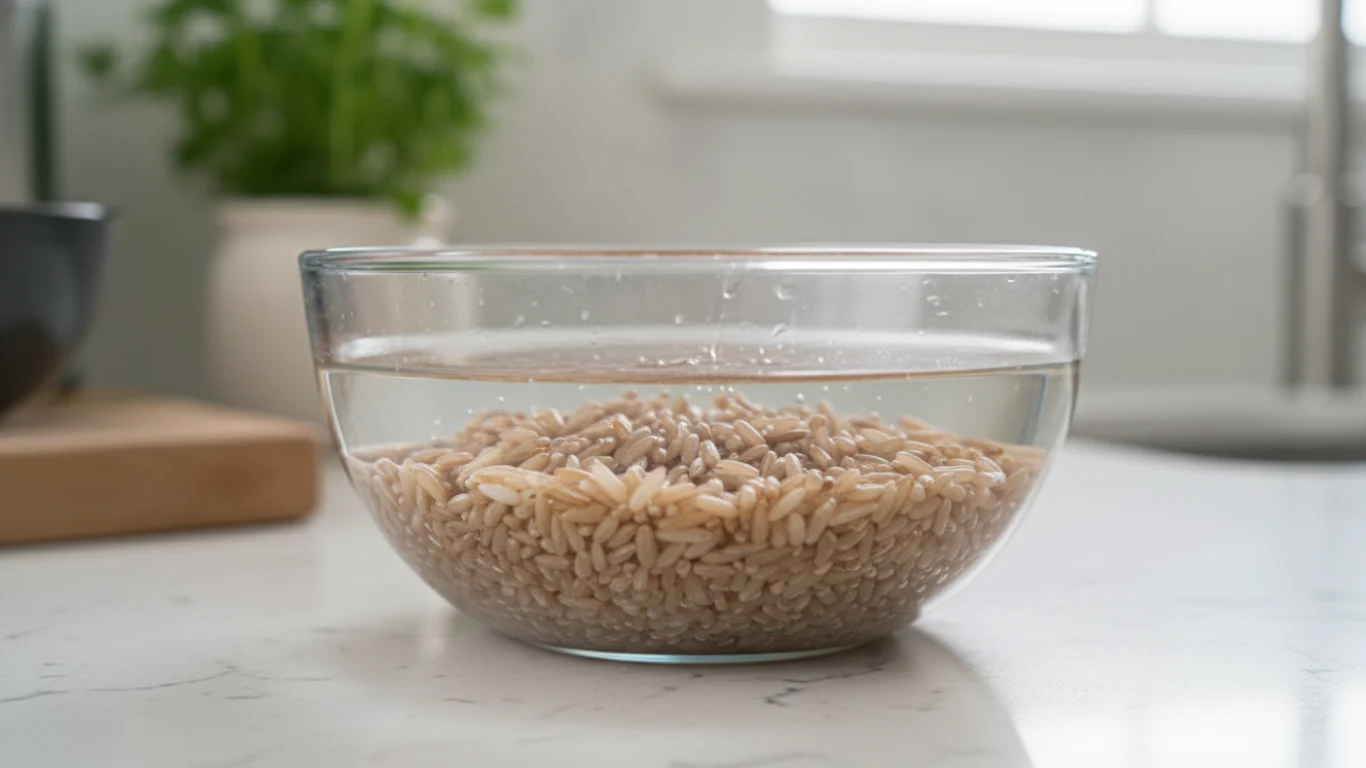
Soaking rice before cooking is a practice that has been around for centuries and can offer several benefits, including potentially reducing cooking time in a rice cooker. For certain types of rice, particularly brown rice or firmer grains like basmati, soaking them in water for 15 to 30 minutes (or sometimes longer, depending on the rice) can help soften them. This pre-softening means they require less time to cook through when placed in the rice cooker.
When you soak rice, the grains absorb some water beforehand. This reduces the amount of water the rice needs to absorb from the cooking pot and can lead to a more tender and evenly cooked result. For some people, it also contributes to a lighter texture and can help break down complex starches, making the rice easier to digest.
If you choose to soak your rice, remember to adjust the amount of cooking water accordingly. You generally want to use less cooking water than you would for unsoaked rice because the rice has already absorbed some liquid.
However, not all rice benefits from soaking, and for some varieties, it might even be detrimental. For very delicate rices, like some short-grain varieties used for sushi, over-soaking can lead to mushiness. It’s always a good idea to check the specific recommendations for your type of rice.
If the package instructions don’t mention soaking, and you’re using a standard rice cooker setting, it’s usually safe to skip this step for simplicity and rely on the cooker’s programmed cycle. But for a quicker cook or a softer texture, a short soak can be a helpful addition.
Sample Scenarios
Let’s look at a couple of common scenarios to illustrate the timing.
1. Scenario 1: Cooking Regular White Rice for Dinner
You have a standard 3-cup rice cooker and want to make 2 cups of long-grain white rice for your family.
You rinse the rice thoroughly. Following the manufacturer’s guide, you add 3 cups of water (a 1:1.5 ratio). You select the “white rice” setting.
The rice cooker will likely start heating, reach a boil, and then simmer. This process typically takes about 20-25 minutes. After it beeps to signal it’s done, you let it rest on the “warm” setting for 10 minutes.
Total time from pressing start to serving is roughly 30-35 minutes.
2. Scenario 2: Preparing Brown Rice for Meal Prep
You want to make 3 cups of brown rice for the week. Your rice cooker has a specific “brown rice” setting.
You add 4.5 cups of water (a 1:1.5 ratio, which is common for brown rice, but always check your cooker’s manual). You select the “brown rice” setting. Because brown rice needs more time to cook, this cycle might last around 45-50 minutes.
After the cooking is complete, you let it steam for another 15 minutes on “warm.” The total time from start to serving will be about 1 hour to 1 hour and 10 minutes.
These scenarios highlight how different rice types and cooker settings influence the overall time. The resting period is key for texture, so it’s worth including it in your planning.
Frequently Asked Questions
Question: How long does it take for a rice cooker to cook 1 cup of rice
Answer: For 1 cup of white rice, a rice cooker typically takes about 20-30 minutes to cook. After the cooking cycle, it’s good to let it rest on warm for 10-15 minutes, making the total time around 30-45 minutes.
Question: Do I need to soak rice before using a rice cooker
Answer: Soaking is not always required but can be beneficial for certain types of rice like brown rice, as it can help soften them and potentially reduce cooking time. For most white rice, it’s optional.
Question: Can a rice cooker cook different types of grains
Answer: Yes, many modern rice cookers have settings for various grains like quinoa, barley, and even steel-cut oats. The cooking times will vary for each.
Question: What happens if I use too much water in my rice cooker
Answer: Using too much water can make your rice mushy and overcooked. It may also extend the cooking time as the cooker needs to evaporate the excess liquid.
Question: Should I use the cup that comes with my rice cooker
Answer: Yes, it’s highly recommended. The measuring cup included with your rice cooker is specifically calibrated for that model, ensuring accurate rice-to-water ratios for optimal cooking.
Summary
Knowing how long rice takes in a rice cooker depends on the rice type. White rice is quick, usually around 20-30 minutes of cooking. Brown rice takes longer, about 40-50 minutes, due to its fibrous nature.
Always factor in a 10-15 minute resting period after cooking for the best fluffy texture. Using the correct water ratio is also very important for perfect results every time.