You rely on your coffee maker every morning to kickstart your day. But have you ever wondered how long it should really last before you need to replace it?
Knowing the lifespan of your coffee maker can save you money and avoid those frustrating moments when it suddenly stops working. You’ll discover the key signs that reveal when it’s time for a new machine and how to make your coffee maker last as long as possible.
Keep reading to make sure your daily brew stays perfect for years to come.
Coffee Maker Lifespan Basics
Coffee makers are a key part of many morning routines. Knowing their lifespan helps you plan for replacements. Each type of coffee maker lasts a different amount of time. Some models are built to last longer than others. Understanding these basics will guide your choice and care for your machine.
Regular use, cleaning habits, and build quality affect how long a coffee maker lasts. Keeping your machine clean and well-maintained can extend its life. Paying attention to how you use it also matters. Let’s explore the typical lifespans and key factors that influence durability.
Average Lifespan By Type
Drip coffee makers usually last about 5 to 7 years. Single-serve machines often last 3 to 5 years. Espresso machines can last 7 to 10 years or more. French presses and manual brewers can last many years with simple care. Knowing these ranges helps set realistic expectations.
Factors Influencing Durability
Build quality strongly affects how long a coffee maker lasts. Higher-quality parts usually mean longer life. Frequency of use also matters. Machines used daily wear out faster than those used occasionally.
Regular cleaning prevents buildup that damages internal parts. Using filtered water reduces mineral deposits. Avoiding harsh chemicals keeps seals and plastic safe. Proper storage during long breaks helps maintain the machine too.
Types Of Coffee Makers
Coffee makers come in many types. Each type brews coffee differently. The lifespan varies based on the type and use. Knowing the types helps you understand how long they last.
Drip Coffee Makers
Drip coffee makers use a filter to brew coffee. Water drips through ground coffee slowly. These machines are common in many homes. They usually last around 5 to 7 years. Regular cleaning helps extend their life.
Single-serve Machines
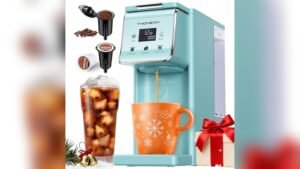
Single-serve machines brew one cup at a time. They use pods or capsules for convenience. These machines are fast and easy to use. They often last between 3 and 5 years. Careful handling and cleaning improve durability.
Espresso Machines
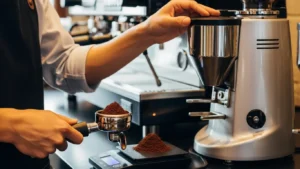
Espresso machines make strong, concentrated coffee. They use pressure to force water through coffee grounds. These machines can be manual or automatic. High-quality machines may last 7 to 10 years. Maintenance and cleaning are very important for them.
French Press And Manual Options
French press and manual coffee makers need no electricity. They rely on manual brewing methods. These options usually last longer because of simple parts. They can last over 10 years with good care. They are great for those who enjoy hands-on brewing.
Signs Your Coffee Maker Needs Replacement
Your coffee maker is a daily companion. It should work well for years. Sometimes, signs show it needs replacement. Notice these signs early to avoid bad coffee days.
Decreased Brewing Performance
Your coffee maker takes longer to brew. The coffee is weak or uneven. Water does not heat properly. These signs mean parts are wearing out. The machine struggles to work as before.
Unusual Noises Or Leaks
Strange sounds come from your coffee maker. Grinding, hissing, or banging noises are not normal. Water leaks from the machine or around it. These issues show internal damage. It may cause bigger problems soon.
Persistent Taste Issues
Coffee tastes bitter, sour, or off. Cleaning does not fix the flavor. The machine may hold old oils and residues. These affect the coffee’s taste badly. Time to think about replacing your coffee maker.
Maintenance Tips To Extend Lifespan
Keeping a coffee maker in good condition helps it last longer. Simple care steps make a big difference. These tips prevent damage and keep the machine working well.
Regular Cleaning Practices
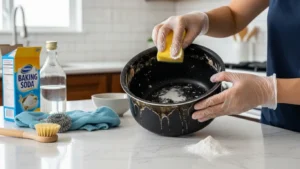
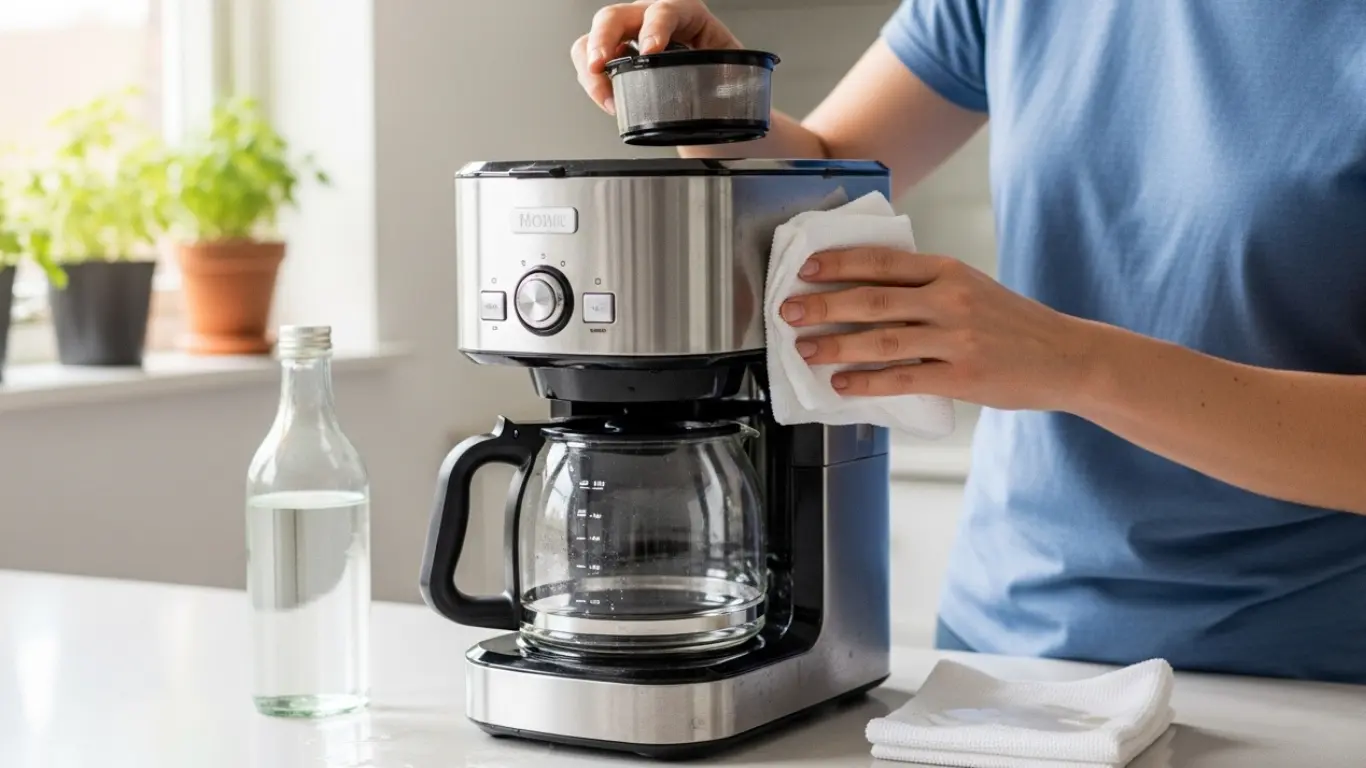
Clean the coffee maker after every use. Remove old coffee grounds and rinse the filter. Wipe the outside with a damp cloth. This stops buildup and keeps the machine fresh.
Regular cleaning stops clogs and bad smells. It also makes coffee taste better. Never skip this simple task.
Descaling Importance
Minerals in water build up inside the machine. This is called scale. Scale can block pipes and damage parts. Descaling removes this buildup.
Use a descaling solution or vinegar every 1-3 months. Run it through the coffee maker just like brewing coffee. This keeps the machine working smoothly and extends its life.
Proper Storage And Usage
Store the coffee maker in a dry place. Avoid spots with heat or direct sunlight. Always unplug the machine when not in use.
Use the coffee maker as the instructions say. Avoid overfilling with water or coffee. Gentle handling helps keep parts safe and working well.
When To Repair Vs. Replace
Deciding whether to repair or replace a coffee maker can be tricky. It depends on the problem, cost, and how long you want to keep it. Sometimes a small fix saves money. Other times, a new machine is better. Knowing when to repair or replace helps avoid wasted time and money.
Think about how much the repair costs. Think about how long the machine will last after repair. This helps make a clear choice.
Cost-benefit Analysis
Compare the repair cost with a new coffee maker price. If the repair is close to a new machine’s price, replace it. Small repairs under $30 are usually worth it. Expensive repairs might not be smart for old machines. New models often have better features and save energy.
Common Repair Issues
Many coffee makers face similar problems. These include clogged filters, broken heating elements, and damaged water pumps. Some issues are easy to fix, like cleaning or changing parts. Others need a technician or full replacement. Check if the problem repeats often, which may mean replacing the machine.
Warranty And Support Considerations
Check if your coffee maker is still under warranty. Warranties cover repair or replacement at no cost. Some brands offer good customer support and parts availability. Out of warranty, repairs can be costly and slow. Reliable support can extend your coffee maker’s life.
Choosing A Long-lasting Coffee Maker
Choosing a long-lasting coffee maker means focusing on key features that ensure durability. A good coffee maker should serve you well for years. Knowing what to check before buying helps you avoid frequent replacements. Pay attention to the materials, brand reputation, and user feedback. These factors guide you to a reliable choice.
Materials And Build Quality
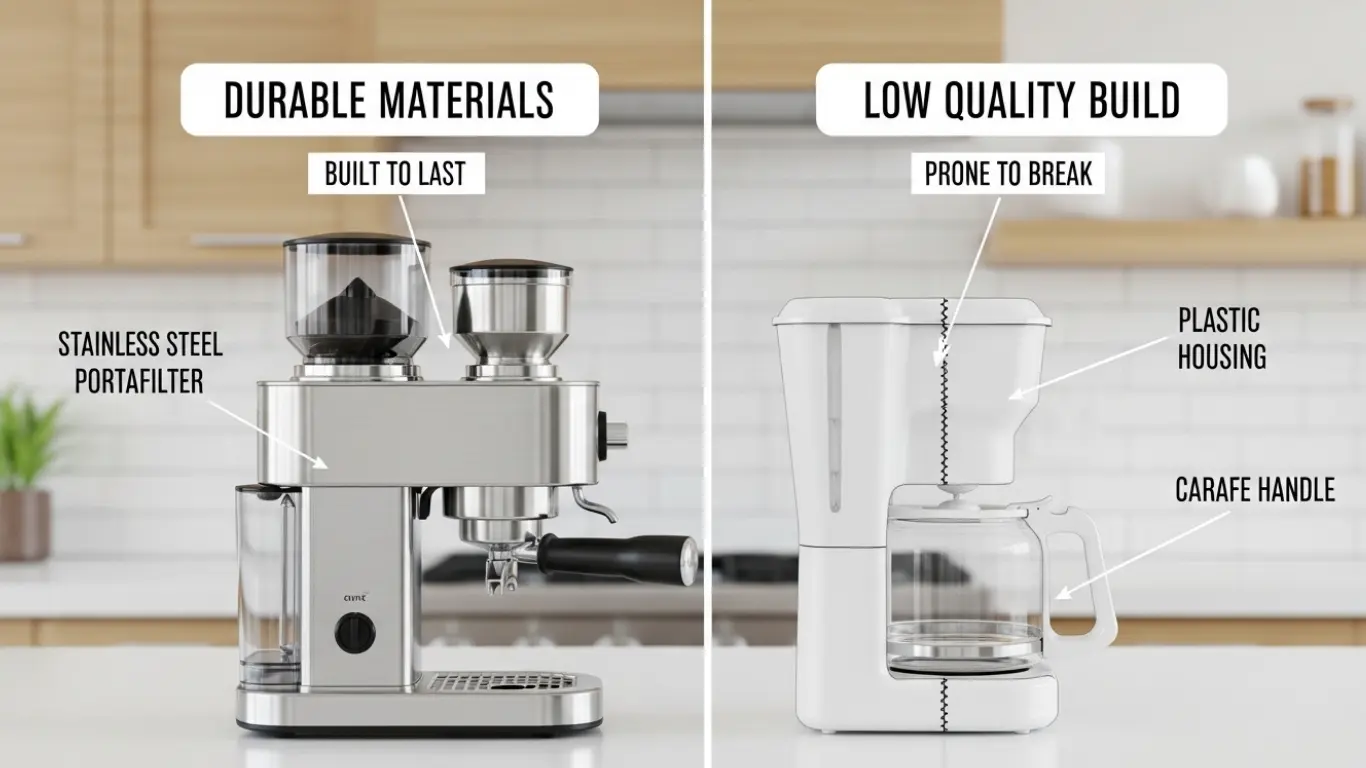
Strong materials increase a coffee maker’s lifespan. Stainless steel parts resist rust and damage. Plastic parts should feel sturdy, not cheap or brittle. A solid build reduces the chance of leaks and breaks. Avoid models that feel light or fragile. Quality materials mean the machine handles daily use better.
Brand Reputation
Brands known for quality often produce durable coffee makers. They invest in better parts and design. A trusted brand usually offers good warranties and support. Choose brands with a history of making reliable kitchen appliances. Avoid unknown brands with little feedback. Brand reputation gives confidence in product longevity.
User Reviews And Ratings
Real user reviews reveal how coffee makers perform over time. Look for comments about durability and problems. High ratings with many reviews suggest satisfaction and reliability. Pay attention to repeated complaints about breakdowns. Honest feedback helps spot models that last longer. Reviews are a valuable resource before making a choice.
Frequently Asked Questions
How Long Does A Typical Coffee Maker Last?
A coffee maker usually lasts about 5 to 7 years with regular use and care.
What Factors Affect A Coffee Maker’s Lifespan?
Build quality, frequency of use, cleaning habits, and water quality affect its lifespan.
Can Regular Cleaning Extend Coffee Maker Life?
Yes, cleaning prevents buildup and keeps parts working well for a longer time.
Do Expensive Coffee Makers Last Longer?
Often, yes. Higher-end models use better materials that can last several years more.
When Should I Replace My Coffee Maker?
Replace it if it leaks, brews poorly, or parts are broken and costly to fix.
How Can I Maintain My Coffee Maker Properly?
Descale regularly, clean removable parts, and avoid leaving water inside overnight.
Conclusion: How Long Should a Coffee Maker Last
A good coffee maker can last many years with care. Regular cleaning helps avoid breakdowns and keeps coffee fresh. Quality and brand affect how long it works well. Small repairs can extend its life too. Choosing the right machine means enjoying coffee daily without worry.
Consider these tips to get the best value from your coffee maker. Keep it clean, handle gently, and replace parts as needed. This way, your coffee maker stays reliable for a long time.

I’m Joshua Miller, a U.S.-based food enthusiast and Co-Founder of KitchenWink.com. With a Bachelor’s degree in Food Science and over five years of hands-on experience testing blenders, coffee makers, and other kitchen tools, I focus on real-world results—not lab theories.
As a home cook, I personally test every product in real kitchens to give you honest, practical advice that makes everyday cooking easier.