Making good coffee starts with one simple question: how much coffee do you put in a coffee maker? For many people, the answer feels confusing. Coffee strength, taste, and even the number of cups you make all depend on getting this right. Whether you use a drip machine, French press, or pour-over, the amount of coffee you use shapes your whole experience. In this article, you will learn clear rules, practical examples, and the science behind coffee measurements. By the end, you’ll know exactly how to measure coffee for your machine and avoid weak or bitter brews.
Why Coffee Amount Matters
The amount of coffee you use affects flavor, strength, and aroma. Too little coffee makes your drink watery or bland. Too much coffee brings bitterness and wastes beans. For many, the right balance is hard to find. Also, coffee makers come in different sizes—some brew a single cup, others make twelve at once. If you want consistent results, you need to measure carefully. Beginners often miss that coffee strength is not just about how long you brew, but also about the ratio of coffee to water.
Understanding Coffee Measurements
Coffee is usually measured in tablespoons, grams, or scoops. Most home users rely on tablespoons, but professionals prefer grams for accuracy. One level tablespoon of ground coffee is about 5 grams. A standard coffee scoop is roughly 2 tablespoons, or 10 grams.
Common Measurement Units
- Tablespoon: Easy for home use, but not as precise.
- Gram: Most accurate; ideal for consistent results.
- Scoop: Convenient, but sizes can vary.
Typical Ratios
Experts often recommend a Golden Ratio: 1 to 2 tablespoons of coffee per 6 ounces of water. For stronger coffee, use more; for lighter, use less. This ratio works for most machines.
How Much Coffee For Different Coffee Makers
Every coffee maker works a bit differently. Let’s look at how to measure coffee for the most popular machines.
Drip Coffee Maker
Most drip coffee makers brew 8–12 cups. One cup in coffee terms is 6 ounces, not 8. The standard recommendation is:
- 1–2 tablespoons per 6 ounces of water
So, for a 12-cup machine (72 ounces), you would use:
- 12–24 tablespoons (60–120 grams) of ground coffee
French Press
French press brewing is more concentrated. The usual ratio is:
- 1 tablespoon per 4 ounces of water
For a 32-ounce French press, use:
- 8 tablespoons (40 grams) of coffee
Single-serve Coffee Maker (keurig, Nespresso)
These machines often use pods, but if you use ground coffee:
- 1–2 tablespoons per 6 ounces
Pour-over
Pour-over methods need precise ratios. The common guideline is:
- 1 gram of coffee per 16 grams of water
For a 12-ounce cup (340 grams):
- 21 grams (about 4 tablespoons) of coffee
Espresso Machine
Espresso is much stronger. Standard single shot:
- 7–9 grams (about 1.5 tablespoons) per shot
Water To Coffee Ratio Explained
Getting the right balance between water and coffee is critical. Here’s a quick comparison for different strengths:
| Strength | Coffee (grams) | Water (ml) | Ratio |
|---|---|---|---|
| Mild | 10 | 180 | 1:18 |
| Regular | 12 | 180 | 1:15 |
| Strong | 15 | 180 | 1:12 |
Most people prefer the regular or strong ratios. If you like robust flavors, try the strong ratio. For lighter taste, use the mild.
How To Measure Coffee Accurately
Many people use a spoon or scoop, but measuring by weight is best. A digital kitchen scale gives you consistent results. Here’s how:
- Place your empty container on the scale.
- Zero the scale (“tare”).
- Add ground coffee until you reach the desired grams.
If you don’t have a scale, use level tablespoons. Remember, heaping tablespoons can change strength.
Why Beginners Get It Wrong
A common mistake is filling the machine’s water reservoir for “12 cups” and using only 12 tablespoons, which results in weak coffee. Always check cup size—most machines count 6-ounce cups, not 8.
Coffee Grind And Its Impact
The grind size changes how coffee brews. Different machines need different grinds:
- Drip: Medium grind
- French press: Coarse grind
- Espresso: Fine grind
If you use the wrong grind, your coffee can be weak or bitter, even with the right amount. For example, using fine grind in a French press leads to muddy coffee.
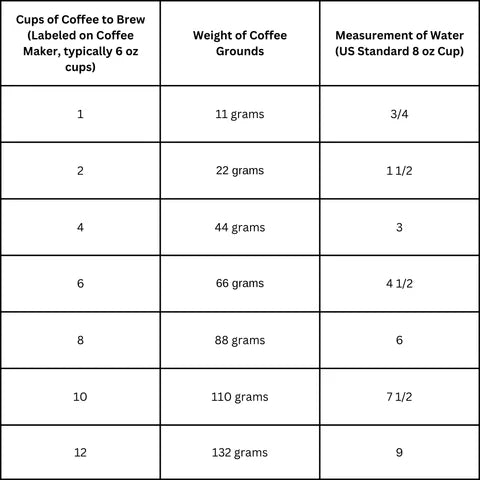
Credit: www.drivencoffee.com
Types Of Coffee Makers And Their Capacity
Coffee makers come in many sizes. Let’s compare typical capacities:
| Type | Standard Capacity | Cup Size | Max Coffee Needed |
|---|---|---|---|
| Drip | 12 cups | 6 oz | 24 tbsp |
| French Press | 32 oz | 8 oz | 8 tbsp |
| Single-Serve | 1 cup | 8 oz | 2 tbsp |
| Espresso | 1 shot | 1 oz | 1.5 tbsp |
This helps you see at a glance how much coffee is needed for each kind of machine.
Real-life Examples
Let’s look at a few practical cases:
- Making 8 cups in a drip machine: Fill the reservoir with 48 ounces of water. Add 8–16 tablespoons (40–80 grams) of coffee, depending on how strong you want it.
- Brewing a single mug: For a 12-ounce mug, use 2–3 tablespoons (10–15 grams) of ground coffee.
- Preparing espresso: Use 7–9 grams for one shot. For two shots, double the amount.
- French press for two people: Use 16 ounces of water and 4 tablespoons (20 grams) of coffee.
Adjusting For Taste Preferences
No single rule fits everyone. Some people like their coffee strong, others prefer mild. Here’s how to adjust:
- Stronger coffee: Add more coffee, but keep water the same.
- Weaker coffee: Use less coffee, but keep water the same.
- Don’t increase water and coffee together; this only makes more coffee, not stronger or weaker.
Non-obvious Insight
Many beginners believe that brewing longer makes coffee stronger. This is not true; longer brewing can actually make coffee bitter. It’s the amount of coffee that changes strength.
Coffee Quality And Bean Type
The kind of beans you use also matters. Dark roast tastes stronger, even with less coffee. Light roast needs a bit more to get bold flavor. Fresh beans produce better aroma and taste. Pre-ground coffee loses flavor faster; grind just before brewing for best results.
Common Mistakes When Measuring Coffee
- Ignoring cup size: Coffee maker cups are often 6 oz, not 8 oz.
- Using heaping scoops: This changes the amount and can make coffee too strong.
- Not adjusting for grind size: Different grinds absorb water differently.
- Skipping the scale: Guessing with spoons leads to inconsistent results.
- Overfilling water: Makes weak coffee even if you use the right amount of grounds.
Quick Reference: Coffee Amounts For Popular Machines
Here’s a handy guide:
| Machine | Water (oz) | Coffee (tbsp) |
|---|---|---|
| Drip (6 cups) | 36 | 6–12 |
| Drip (12 cups) | 72 | 12–24 |
| French Press (32 oz) | 32 | 8 |
| Single-Serve | 8 | 2 |
| Espresso | 1 | 1.5 |
Keep this reference near your machine for quick checks.
Tools For Measuring Coffee
Several tools can help you get the right amount:
- Digital kitchen scale: Most accurate
- Measuring spoons: Easy and cheap
- Coffee scoops: Convenient, but check size
- Smart coffee makers: Some have built-in measuring systems
Investing in a digital scale is worth it for regular coffee drinkers. It removes guesswork and saves beans.
The Science Behind Coffee Ratios
Coffee brewing is a balance of extraction and flavor. The right ratio means water extracts flavor without bitterness. If you use too little coffee, water pulls out sour flavors. Too much coffee, and water can’t extract everything, leading to strong but flat taste. Research shows most people prefer ratios between 1:15 and 1:18 (coffee to water).

Credit: www.oxo.com
Cleaning And Maintenance Affect Taste
A clean coffee maker helps you get the best flavor from your measured coffee. Old residue in machines can affect taste, making it bitter or sour even if you use the right amount. Clean your machine at least once a week.
This is a tip many beginners ignore, but it makes a big difference.
Frequently Asked Questions
How Many Tablespoons Of Coffee Per Cup Should I Use?
A good rule is 1–2 tablespoons per 6-ounce cup. If you like strong coffee, use 2. For milder taste, use 1.
What Happens If I Use Too Much Coffee?
Using too much makes coffee bitter and heavy. It wastes beans and can clog your machine. Always measure carefully.
How Can I Make My Coffee Stronger Without Adding More Coffee?
Try using a finer grind or brewing for a bit longer, but don’t overdo it. The best way is to increase coffee, not water.
Is It Better To Measure Coffee In Grams Or Tablespoons?
Grams are more accurate. If you want consistent results, use a scale. Tablespoons are easier but less precise.
Do Different Coffee Makers Need Different Amounts Of Coffee?
Yes. Each machine has its own ideal ratio. Always check your machine’s manual or use the guidelines in this article for best results.
Getting the right amount of coffee in your coffee maker is simple once you know the rules. Start with the recommended ratios, adjust for your taste, and use the best tools you can. Remember, measuring carefully is the key to great coffee every time. If you want to learn more about coffee ratios and brewing science, visit Wikipedia. Good coffee is within reach—just measure and enjoy.