Many people wonder about how much ventilation does an air fryer need. It’s a common question for anyone new to air frying. You want to make sure your kitchen stays safe and your food cooks just right.
Sometimes, figuring out the best spot for your air fryer can feel a little tricky. But don’t worry, we’ll make it super simple. We’ll walk through everything you need to know step by step so you can air fry with confidence.
First, let’s look at why this is important.
Key Takeaways
- Air fryers need space around them to work properly and safely.
- Proper ventilation helps prevent overheating and potential fire hazards.
- Your air fryer’s manual will give you specific clearance recommendations.
- Avoid placing your air fryer in tight, enclosed spaces.
- Good airflow ensures even cooking and extends your appliance’s lifespan.
- Keeping vents clear is important for optimal performance.
Air Fryer Ventilation Explained
You’ve got a new air fryer, and you’re excited to make some crispy snacks! But then you pause, looking at your kitchen counter. Where exactly should this machine go?
A big question pops into your head: how much ventilation does an air fryer need? It seems simple, but getting it right is key for happy cooking and a safe kitchen. Air fryers work by circulating hot air very quickly.
This process creates a lot of heat. If that heat has nowhere to go, it can build up.
Why Ventilation Matters For Your Air Fryer
Think of your air fryer like a mini convection oven. It pushes hot air all around your food. This is what makes things crispy.
To do this job well, it needs to let that hot air escape and fresh air come in. This air movement is called ventilation. If the air fryer can’t breathe, the hot air gets trapped inside.
This can cause a few problems.
One main issue is overheating. When heat builds up around the appliance, its parts can get too hot. This might make the air fryer work less efficiently.
It could even shorten its life. More importantly, trapped heat can be a safety risk. It increases the chance of something getting too hot and causing a fire.
Nobody wants that!
Another reason ventilation is important is for how your food cooks. Air fryers rely on air circulation to get that perfect crispiness. If the air can’t move freely, your food might not cook evenly.
Some parts might be crispy, while others are still a bit soft. This means you won’t get the best results from your cooking.
Understanding Air Fryer Airflow
Most air fryers have vents. You’ll usually find them on the back, sides, or top of the unit. These vents are where the hot air comes out and where cooler air goes in.
The fan inside the air fryer pulls air in, heats it up, and then pushes it over and around your food. The used, hot air then exits through the vents.
This continuous flow of air is what makes air frying so effective. It mimics deep frying without all the oil. But for this system to work, the vents must be clear and have space around them.
When you block these vents, you are basically asking your air fryer to work in a stuffy room. It can’t get the air it needs to function correctly.
Common Places People Make Mistakes
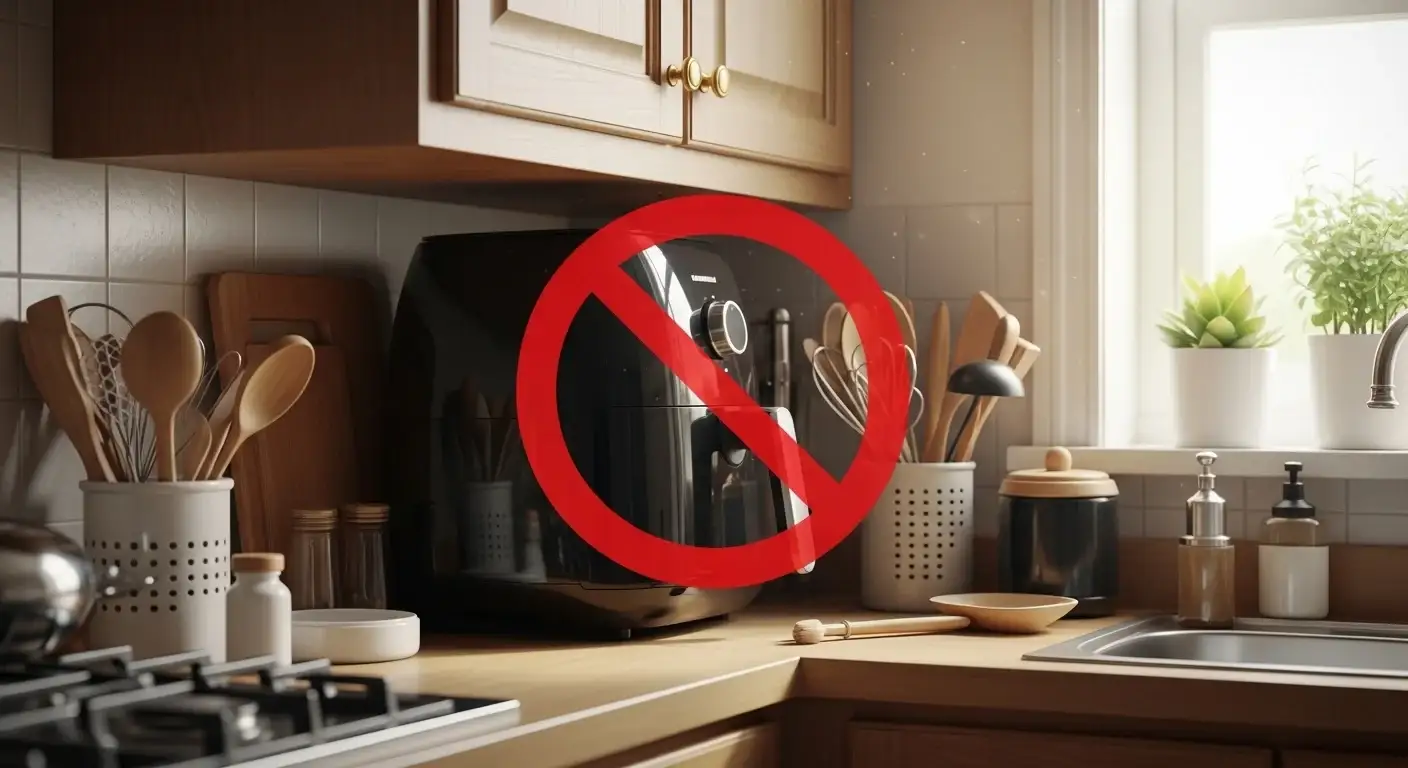
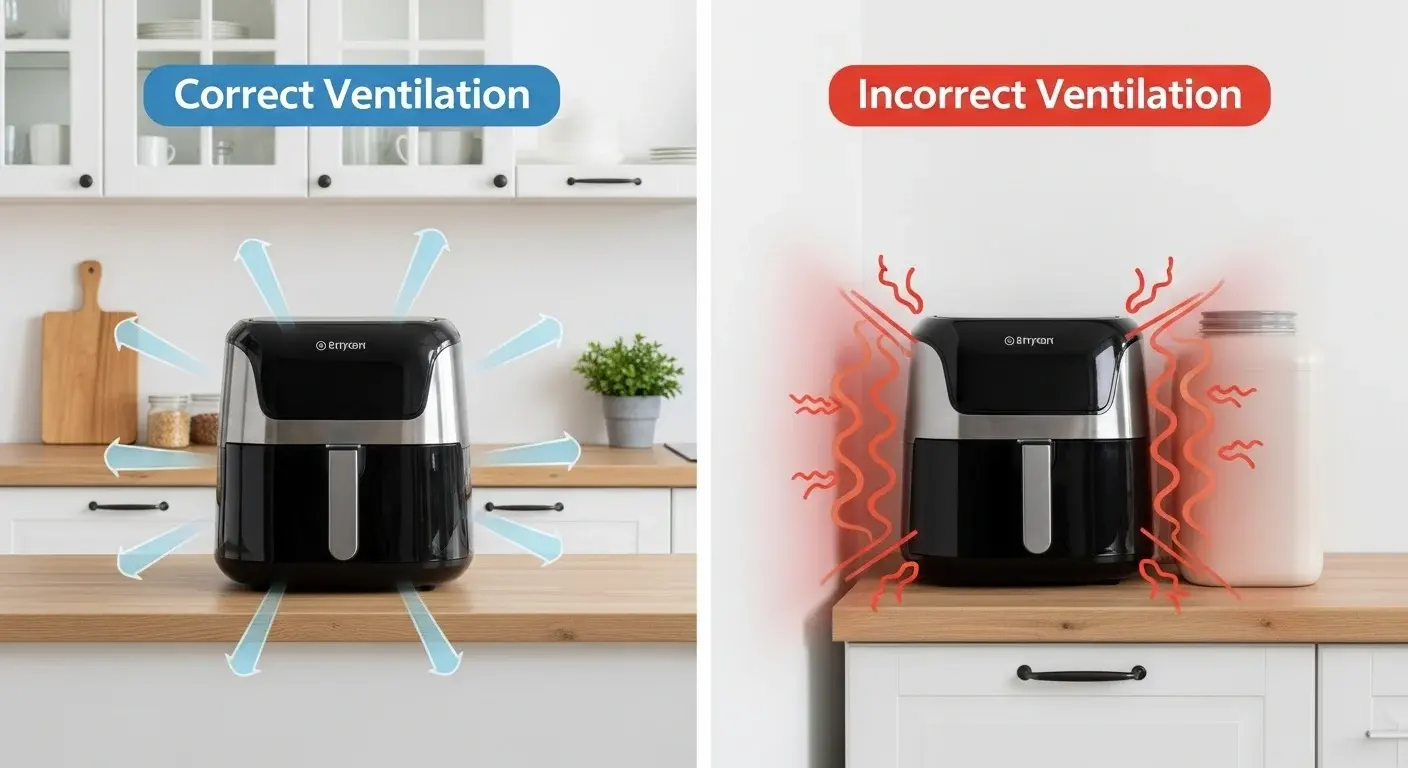
Many people new to air frying try to save counter space. They might push their air fryer right up against the wall. Or they might put it under a low cabinet.
Some might even place it inside a small cabinet when it’s not in use. While it seems practical, these spots often don’t give the air fryer enough breathing room. The manufacturer designs these appliances knowing they need space to operate safely and effectively.
When an air fryer is too close to walls, cabinets, or other objects, the hot air gets trapped. This heat can then radiate back into the appliance or nearby surfaces. This can damage the air fryer itself, or even the cabinets.
It also means the cooking performance will suffer. Your fries might not be as crispy, and cooking times could change.
How Much Space Does An Air Fryer Really Need
So, how much ventilation does an air fryer need? The answer isn’t one-size-fits-all, but there are good general rules. The most important thing is to check your air fryer’s manual.
Every model is a little different. The manufacturer knows their product best and will provide specific guidelines.
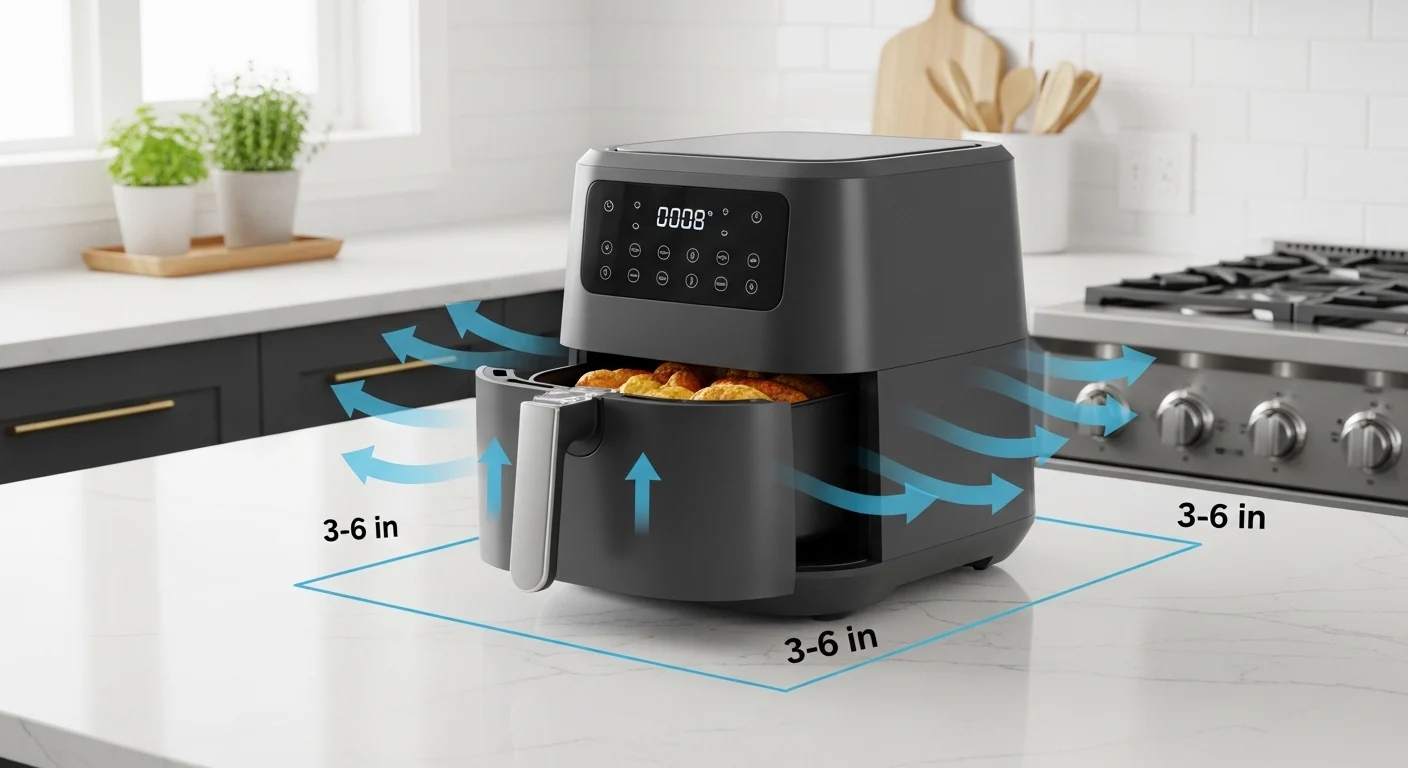
Generally, you want to give your air fryer at least 3 to 6 inches of clear space all around it. This means:
- Behind the air fryer: At least 3 to 6 inches of space between the back of the unit and the wall. This allows the hot air to escape freely.
- On the sides: Aim for 3 to 6 inches of space on each side. Some models might need more.
- Above the air fryer: If the vents are on the top, ensure there’s plenty of clearance from overhead cabinets or shelves. Again, 3 to 6 inches is a good starting point.
This space allows for proper air circulation. It lets the cool air come in and the hot air go out. This keeps the appliance from overheating and helps it cook your food perfectly.
Checking Your Air Fryer’s Manual
Your air fryer’s manual is your best friend when it comes to setup. It will have a section dedicated to installation and safety. Look for diagrams or text that shows recommended clearances.
These recommendations are based on testing and safety standards. Following them is the surest way to use your air fryer correctly.
If you can’t find your manual, a quick search online for your air fryer’s model number and “user manual” should help. Most manufacturers have their manuals available for download on their websites. Don’t guess when it comes to appliance safety.
The manual will give you the exact numbers you need.
Placement Tips For Optimal Airflow
Choosing the right spot for your air fryer makes a big difference. Here are some tips to ensure you’re providing adequate ventilation:
- Countertops are best: Flat, stable countertops are the ideal place for an air fryer. Make sure the countertop material can handle heat, though most modern ones can.
- Avoid enclosed spaces: Never use your air fryer inside a microwave, an oven, or a small, enclosed cabinet unless the manual specifically says it’s okay. These spaces trap heat and pose a fire risk.
- Keep away from heat sources: Don’t place your air fryer next to a hot stove, a toaster oven, or in direct sunlight. These add extra heat that the air fryer doesn’t need.
- Consider ventilation when storing: Even when not in use, consider where you store your air fryer. If you keep it under a cabinet, ensure there’s still space around it. Some people prefer to store their air fryer on a shelf where it has more air.
- Look for vents: Before you place it, identify where the vents are on your specific model. Pay extra attention to giving those areas the most space.
By following these placement tips, you’re helping your air fryer perform at its best and keeping your kitchen safe. It’s a simple step that pays off.
What Happens If You Don’t Ventilate Properly
We’ve talked about why ventilation is good. Now let’s look at what can happen if you don’t give your air fryer enough space. Ignoring the need for proper airflow can lead to several issues:
- Overheating: The most immediate risk is the appliance overheating. This can damage the internal components, like the heating element or the fan motor. It might cause the air fryer to shut off prematurely or stop working altogether.
- Reduced lifespan: Constant overheating puts a strain on the air fryer’s parts. This can significantly shorten its lifespan, meaning you’ll need to replace it sooner than you expected.
- Fire hazard: This is the most serious consequence. When heat builds up and can’t escape, it can reach dangerous temperatures. This could ignite nearby materials or the appliance itself, leading to a fire.
- Uneven cooking: As mentioned before, poor airflow means the hot air can’t circulate properly. This results in unevenly cooked food. Some parts might be burnt while others are undercooked.
- Loud noises or strange smells: Sometimes, an air fryer that’s struggling for air might start making unusual noises. You might also detect burning smells as parts get too hot or dust burns off.
These are all good reasons to take the ventilation requirements seriously. It’s not just about getting perfect fries; it’s about safety and making your appliance last.
Maintaining Your Air Fryer For Best Performance
Beyond placement, a little maintenance goes a long way in ensuring your air fryer works well and stays safe. Keeping the vents clear is part of this. Sometimes, food particles or grease can get into the vents.
This can block airflow and cause problems.
Regular cleaning is key. Make sure your air fryer is unplugged and completely cool before cleaning. Wipe down the exterior with a damp cloth.
The basket and tray should be washed after each use. For the inside and the vents, you might need a soft brush or a damp cloth to gently remove any debris. Always refer to your manual for specific cleaning instructions for your model.
Common Air Fryer Vent Types
Air fryers typically have a few common types of vents. Understanding where they are can help you ensure they have space.
- Rear Vents: These are very common. You’ll see slots or holes on the back of the unit. This is where most of the hot air is expelled.
- Side Vents: Some models also have vents on the sides. These help with overall air circulation around the appliance.
- Top Vents: If your air fryer has a lid or a control panel on top, there might be vents there as well. This is less common for the main heat exhaust but can be for air intake or cooling.
No matter where the vents are, the principle is the same: they need open space around them to do their job. They need to take in cool air and release hot air without obstruction.
Frequently Asked Questions
Question: Can I put my air fryer in a cabinet to store it
Answer: It’s generally not recommended to store your air fryer in an enclosed cabinet unless it’s specifically designed for that purpose. Storing it in a cabinet can block necessary ventilation, leading to overheating and potential damage. It’s best to store it on an open shelf or countertop where air can circulate.
Question: What happens if I cover the vents on my air fryer
Answer: Covering the vents will prevent proper airflow. This can cause the air fryer to overheat, which may damage the appliance, reduce its lifespan, or even create a fire hazard. It will also lead to uneven and poor cooking results.
Question: How far away from a wall should my air fryer be
Answer: Most air fryers require at least 3 to 6 inches of clearance from the wall behind them. This allows the hot air expelled from the rear vents to escape freely. Always check your specific model’s manual for exact recommendations.
Question: Is it okay to use my air fryer under a low cabinet
Answer: Using your air fryer under a low cabinet is usually not advisable. The close proximity can trap heat and prevent proper ventilation, leading to overheating. Ensure there is sufficient space between the top of the air fryer and the bottom of the cabinet, typically at least 3 to 6 inches or more.
Question: Do air fryers need space on the top
Answer: Yes, air fryers often need space on the top, especially if their vents are located there. This allows for the escape of hot air and proper circulation. The amount of space needed can vary by model, so consulting the user manual is important.
Final Thoughts
Making sure your air fryer has enough breathing room is super important. It keeps the appliance safe and helps your food cook perfectly. Just remember to give it plenty of space all around, especially near the vents.
Always check your manual for the best advice. You’ll enjoy delicious, crispy food every time with a little attention to airflow.

Hi, I’m Raju Dey — a food lover with a degree in Culinary Arts from El Centro College. I’ve spent 4+ years testing air fryers, blenders, and other kitchen tools in real home kitchens. At KitchenWink.com, I share honest tips and reviews to help you cook smarter. My goal is to give you advice you can trust — based on hands-on experience, not hype.