A fire extinguisher may look like a simple safety tool, but its reliability depends on regular care. Many people don’t realize that fire extinguishers can fail when they’re needed most if ignored for months or years. Whether you run a business, manage an apartment building, or just want to protect your home, understanding how often fire extinguishers need to be inspected is essential for real safety—not just ticking a box.
Let’s break down the recommended inspection schedules, explain why they matter, and share practical steps to keep your extinguishers ready for emergencies.
Why Fire Extinguisher Inspections Matter
Fire extinguishers aren’t just required by law in many places—they’re often the first line of defense against a small fire. If an extinguisher is empty, damaged, or expired, people can lose precious seconds or face disaster. According to the National Fire Protection Association (NFPA), over 30% of reported fires in non-residential buildings are contained by portable extinguishers before firefighters arrive. However, research shows that nearly 20% of extinguishers in workplaces are not fully functional when tested.
Common issues found during inspections include:
- Low pressure or empty cylinder
- Corrosion or leakage
- Missing safety pin
- Blocked nozzle
- Expired chemicals
Regular inspections catch these problems early, making sure the extinguisher works when it matters most.
Types Of Fire Extinguisher Inspections
Not all inspections are the same. There are three main types: visual, maintenance, and internal. Each serves a different purpose and follows a specific schedule.
Visual Inspection
A visual inspection is quick, simple, and doesn’t require technical skill. It checks if the extinguisher is where it should be and looks ready to use.
Main steps include:
- Confirming the extinguisher is in its designated spot
- Checking for obvious damage or tampering
- Ensuring the pressure gauge is in the green zone
- Verifying the safety pin and tamper seal are intact
Maintenance Inspection
A maintenance inspection is more detailed. It’s usually performed by a trained technician, sometimes with special tools.
It involves:
- Checking internal parts and chemicals
- Testing the pressure more accurately
- Cleaning and lubricating moving parts
- Replacing damaged or expired components
Internal Examination
Some fire extinguishers (especially dry chemical types) need a deep internal examination every few years. The extinguisher is opened, emptied, and fully inspected inside.
This process:
- Finds hidden corrosion or blockages
- Confirms the chemical is still effective
- Ensures all mechanical parts work smoothly

Credit: totalsafeuk.com
How Often Fire Extinguishers Need To Be Inspected
The frequency depends on the type of inspection, local rules, and the extinguisher’s age and use.
Monthly Visual Inspection
Most safety experts, including the NFPA, recommend a monthly visual inspection for every extinguisher. This can be done by a staff member, building manager, or homeowner.
Monthly checks are important because:
- Extinguishers can be moved or damaged without anyone noticing
- Pressure can drop slowly over time
- Dust, dirt, or objects can block access
Annual Maintenance Inspection
At least once a year, a certified technician should perform a maintenance inspection. This is required by law for most businesses and public buildings in the US.
Key points:
- The technician checks parts, chemicals, and pressure
- Service tags are updated
- Problems are fixed or the extinguisher is replaced
Internal Examination Intervals
Internal examinations are less frequent. The NFPA Standard 10 recommends:
- Every 5 years for CO2 and wet chemical extinguishers
- Every 6 years for dry chemical extinguishers
Some states or industries may require even stricter schedules.
Hydrostatic Testing
Hydrostatic testing checks the cylinder’s strength. The intervals depend on the extinguisher type:
| Extinguisher Type | Hydrostatic Test Interval |
|---|---|
| Water | Every 5 years |
| Dry Chemical | Every 12 years |
| CO2 | Every 5 years |
| Halotron | Every 5 years |
Hydrostatic testing requires specialized equipment and must be performed by certified professionals.
Comparison: Home Vs. Commercial Inspection Schedules
The rules and best practices for fire extinguisher inspections are stricter in commercial settings. Here’s a clear comparison:
| Location | Visual Inspection | Maintenance Inspection | Internal Examination |
|---|---|---|---|
| Home | Monthly (recommended) | Yearly (recommended) | Every 5–6 years (optional) |
| Business/Industry | Monthly (required) | Yearly (required) | Every 5–6 years (required) |
While homeowners aren’t legally required to follow strict schedules, doing so greatly improves safety.
Signs That An Extinguisher Needs Immediate Inspection
Sometimes, you shouldn’t wait for the next scheduled check. Inspect your fire extinguisher right away if you notice:
- Physical damage: Dents, cracks, or corrosion
- Missing parts: No safety pin or broken handle
- Pressure gauge off: Needle not in the green zone
- Strange sounds: Hissing, leaking, or rattling
- Blocked or dusty nozzle
These issues mean the extinguisher may not work in an emergency. Replace or repair it immediately.
What Happens During An Annual Maintenance Inspection
A professional annual inspection is more than just a visual check. Here’s what technicians usually do:
- Examine the body for dents, rust, or leaks
- Test the pressure with special tools
- Check the nozzle and hose for blockages
- Inspect the handle, pin, and seal for security
- Confirm the chemical is not expired
- Update the inspection tag and record findings
Technicians may also weigh the extinguisher to make sure nothing has leaked out.
Common Mistakes People Make With Inspections
Many people think fire extinguishers are “set and forget.” Some common mistakes include:
- Skipping monthly checks: Problems can appear quickly
- Ignoring expired chemicals: Chemicals lose power over time
- Blocking access: Extinguishers hidden behind furniture or boxes
- Missing service tags: No proof of recent inspection
- Not reading instructions: Every extinguisher is a bit different
A non-obvious insight: Most failures happen because the extinguisher was not in the right spot during a fire, not because of technical faults. Always make sure it’s accessible.
How To Record Inspections And Stay Compliant
Keeping records is critical, especially for businesses. OSHA and local fire codes often require proof of inspection.
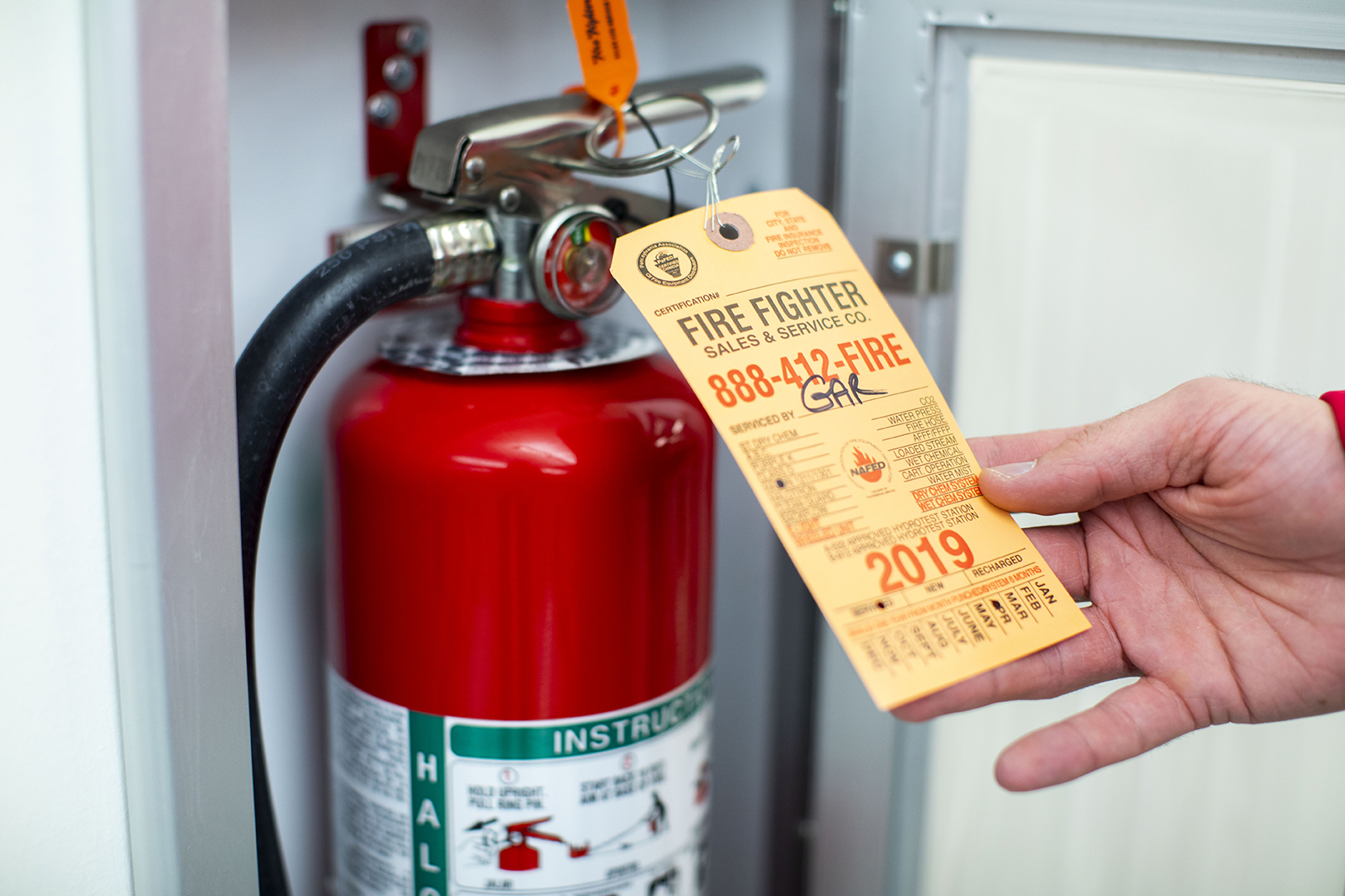
Inspection Tags And Logs
Each extinguisher should have a tag or label showing:
- The date of the last inspection
- The name or initials of the inspector
- The type of inspection performed
Many companies keep a logbook or digital record of all inspections.
Digital Inspection Tools
Modern facilities use apps or cloud systems to track extinguisher maintenance. This reduces errors and makes compliance easier.
| Method | Benefits | Drawbacks |
|---|---|---|
| Paper Logbook | Simple, cheap | Easy to lose or damage |
| Inspection Tags | Visible, quick check | Can fade or be removed |
| Digital System | Automatic reminders, secure records | Requires training, setup |
For businesses, digital records make it easier to show inspectors and avoid fines.

Credit: marmicfire.com
Practical Tips For Reliable Fire Extinguisher Inspections
If you’re new to fire extinguisher care, here are practical tips to help:
- Schedule monthly reminders on your phone or calendar
- Train staff or family members to recognize problems
- Keep extinguishers away from moisture and extreme heat
- Use colored markers or tape to highlight the inspection tag
- Learn how to read the pressure gauge—don’t just glance at it
- If unsure, ask a certified technician for help
A tip many beginners miss: The pressure gauge only shows gas pressure, not chemical quality. An extinguisher can look “full” but have expired chemicals inside.
Legal Requirements And Standards
In the US, fire extinguisher inspection schedules are based on standards from the NFPA and enforced by OSHA for workplaces.
- NFPA 10: Standard for portable fire extinguishers
- OSHA 1910.157: Requires monthly checks and annual maintenance for businesses
Penalties for skipping inspections can include fines and legal action, especially after a fire. Always check local codes—they may be stricter.
For more detailed standards, the NFPA publishes full guidelines at NFPA Official Site.
Credit: firefighter-pgh.com
Frequently Asked Questions
How Do I Know If My Fire Extinguisher Needs To Be Replaced?
Check the expiration date, pressure gauge, and for any visible damage. If the gauge isn’t in the green zone or the chemicals are expired, replace it.
Who Can Perform Annual Maintenance Inspections?
Certified fire safety technicians are required for annual inspections in businesses. Homeowners can do basic checks but should consult professionals for maintenance.
What’s The Difference Between Inspection And Maintenance?
Inspection is a quick check for obvious problems. Maintenance involves deeper testing, cleaning, and sometimes replacing parts or chemicals.
Are Fire Extinguisher Inspections Required By Law?
Yes, for businesses and public spaces. Homeowners aren’t usually required, but inspections are strongly recommended for safety.
Can I Perform Hydrostatic Testing Myself?
No. Hydrostatic testing needs special tools and training. Only certified professionals should do this to avoid injury and ensure accuracy.
Regular fire extinguisher inspections aren’t just a box to check—they’re a real lifesaver. By following the recommended schedules, keeping good records, and knowing what to look for, you can prevent small fires from turning into big disasters. Don’t wait for an emergency to find out your extinguisher isn’t ready; make inspection a habit, and stay safe.