Keeping your ice maker clean is more important than many people think. A clean ice maker means fresh, safe ice and a machine that lasts longer. But how often should you really clean your ice maker? Many people guess or just wait until the ice tastes odd.
That’s risky. Dirty ice machines can develop mold, bacteria, or scale buildup that affects your health and the performance of your machine. This article will guide you through the best cleaning schedule, what signs to watch for, and what happens if you ignore maintenance.
You will also discover tips and answers to the most common questions about ice maker cleaning.
Why Regular Ice Maker Cleaning Matters
Most people see ice as “just water,” so they don’t worry about cleanliness. But even clean-looking ice can carry bacteria, mold, or other debris. Here’s why regular cleaning is essential:
- Health and Safety: Dirty ice can contain germs like Salmonella or E. coli. These can cause illness, especially for children or older adults.
- Ice Quality: Old or dirty machines may produce ice that smells or tastes bad.
- Machine Lifespan: Limescale, mold, or dust can damage internal parts, making your ice maker wear out faster.
- Energy Efficiency: Clean machines use less power. Dirt or buildup makes the ice maker work harder, raising your bills.
Many commercial food safety organizations, including the US Food and Drug Administration, recommend scheduled cleaning for all ice equipment. Home users should follow similar advice for the best results.
How Often Should You Clean Your Ice Maker?
The answer depends on the type of ice maker and how you use it. Below is a table with general recommendations for cleaning frequency:
| Ice Maker Type | Cleaning Frequency | Notes |
|---|---|---|
| Home refrigerator ice maker | Every 3-6 months | Increase if used heavily |
| Countertop portable ice maker | Every 2-4 weeks | Empty between uses |
| Commercial ice machine | Every month | Follow manufacturer guidelines |
Home ice makers usually need cleaning every 3-6 months. If your family uses a lot of ice, clean it more often. Portable ice makers should be cleaned every few weeks, because water sits inside and can grow bacteria quickly. Commercial machines in restaurants or offices must be cleaned monthly, or even more often if local health rules require.
Factors That Affect Cleaning Frequency
No two households or businesses are the same. Here are some things that might mean you need to clean more often:
- Hard Water: If your water leaves white spots or scale, clean more often to avoid buildup.
- Visible Mold or Slime: If you see anything growing inside, clean immediately—don’t wait for your next scheduled clean.
- Strange Tastes or Smells: If ice tastes funny or smells odd, clean right away.
- Heavy Use: If you make ice every day for parties or events, dirt builds up faster.
One insight many miss: Even “filtered water” can leave behind minerals or bacteria over time. Don’t skip cleaning just because you use a filter.
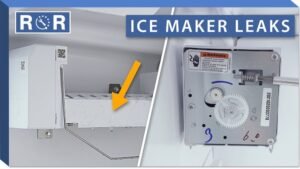
Credit: www.youtube.com
Signs Your Ice Maker Needs Cleaning
Sometimes you need to clean your ice maker sooner than planned. Watch for these warning signs:
- Cloudy or soft ice: This means minerals or dirt are in your water or machine.
- Ice smells or tastes bad: Mold, bacteria, or stale water are common causes.
- Slow ice production: Buildup can block water flow and slow down ice making.
- Noisy operation: Gunk or scale inside can cause strange sounds during cycles.
- Visible residue: Any sign of slime, green, pink, or black spots means it’s time to clean.
Regular checks help you avoid emergency cleaning or machine breakdowns.
Step-by-step: How To Clean Your Ice Maker
Cleaning your ice maker is not difficult, but you must do it right to avoid damaging the machine or leaving chemicals behind. Here’s a step-by-step guide that works for most home ice makers:
- Unplug the machine. Always disconnect it from power to stay safe.
- Remove all ice and water. Dump leftover ice and drain the water reservoir.
- Take out removable parts. Trays, bins, and scoops can often be washed separately.
- Wash removable parts. Use warm, soapy water and a sponge. Rinse well and dry.
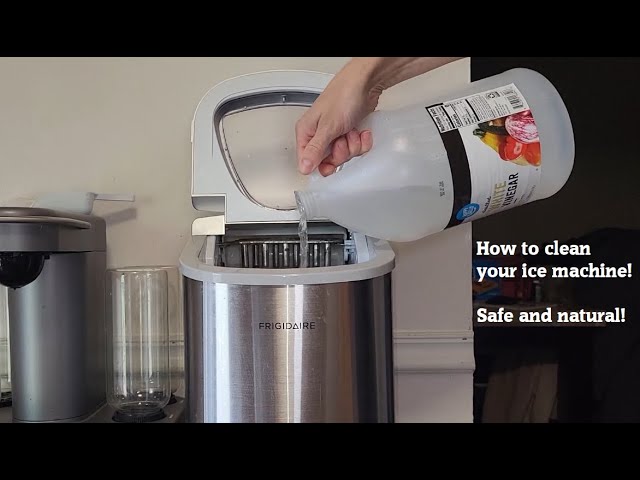
- Clean the inside. Use a mix of vinegar and water (1: 1 ratio) or a cleaner made for ice machines. Wipe surfaces with a clean cloth.
- Scrub stubborn spots. Toothbrushes or small brushes help remove stuck-on gunk.
- Rinse well. Wipe all surfaces with plain water to remove cleaner or vinegar.
- Sanitize. For extra safety, use a mild food-safe sanitizer on interior parts.
- Reassemble the machine. Put all parts back and refill with fresh water.
- Run a cleaning cycle. If your machine has a clean mode, use it. Otherwise, make one or two batches of ice, then throw them away to remove any cleaner.
Pro tip: Never use bleach unless your manual says it’s safe. Bleach can damage plastic or metal parts.
What Happens If You Don’t Clean Your Ice Maker?
Skipping cleaning can cause many problems. Some are obvious, but others are easy to miss:
- Health risk: Bacteria and mold can cause stomach upset or infections.
- Machine failure: Scale and grime can block pipes or moving parts, breaking your ice maker.
- Bad ice: Dirty machines make ice that melts quickly, sticks together, or tastes terrible.
- Warranty void: Many manufacturers will not fix machines if you don’t follow cleaning instructions.
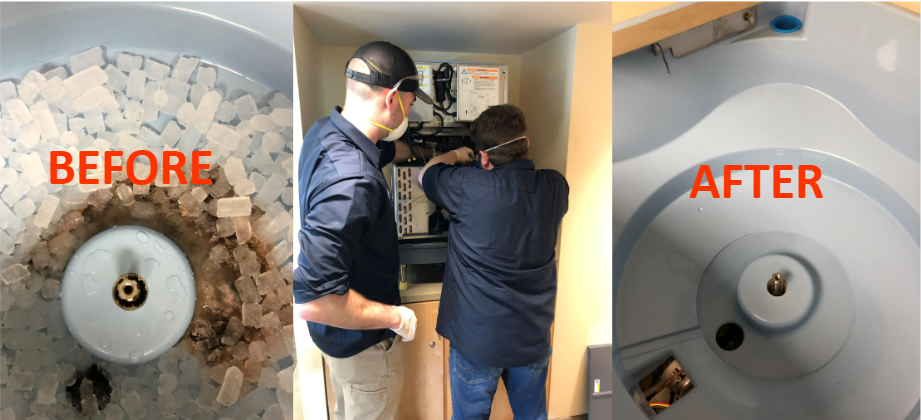
A study by the National Sanitation Foundation found that ice machine bins can be dirtier than toilet water if neglected. That’s a strong reason to keep your ice maker clean.
How To Keep Your Ice Maker Clean Longer
While regular cleaning is a must, you can take steps to help your ice maker stay clean between washes:
- Use filtered water. This reduces minerals and bacteria.
- Keep the lid closed. This stops dust or hair from falling in.
- Empty unused ice. Don’t let ice sit for weeks—throw it out if you don’t use it.
- Dry after cleaning. Leaving the bin dry helps stop mold.
- Don’t touch ice with hands. Use a scoop to keep germs away.
These simple habits make cleaning easier and less frequent.
Credit: www.metrogroupinc.com
Comparing Cleaning Needs: Home Vs. Commercial Ice Makers
Home and commercial ice makers may look similar, but their cleaning needs are different. Here’s a side-by-side comparison:
| Feature | Home Ice Maker | Commercial Ice Maker |
|---|---|---|
| Cleaning Frequency | 3-6 months | Monthly or more |
| Water Source | Tap or filtered | Usually filtered |
| Health Regulations | Not regulated | Strict rules |
| Risk of Mold | Medium | High (due to constant use) |
Commercial units are under more pressure to stay clean, and they produce a lot more ice. At home, you have more flexibility—but don’t wait until there’s a problem.
Common Mistakes To Avoid When Cleaning Your Ice Maker
Even people who clean their ice makers can make mistakes. Here are some to avoid:
- Using harsh chemicals: Bleach or strong cleaners can damage parts or leave harmful residue.
- Skipping the rinse: Leftover cleaner can affect ice taste or be unsafe.
- Forgetting the exterior: Dust and grime on the outside can get inside during use.
- Not sanitizing: Cleaning removes dirt; sanitizing kills germs. Both are needed for best results.
- Ignoring the manual: Each machine is different. Follow your ice maker’s guide for special instructions.
One non-obvious insight: Many people forget to clean the ice scoop. This small tool can transfer germs directly to your ice.
Special Cleaning Tips For Different Ice Maker Types
Home Refrigerator Ice Makers
These are often hidden inside your freezer. Make sure to:
- Pull out the ice bin and wash it regularly.
- Run a cleaning cycle or melt built-up ice if needed.
- Watch for frost, which can block the ice chute.
Portable Countertop Ice Makers
For these, water can sit inside for weeks. Always:
- Drain water after each use if you won’t use it soon.
- Leave the lid open to air dry the inside.
- Never store ice in the machine for long periods.
Commercial Ice Machines
Larger machines need more thorough care:
- Follow local health codes—some areas require cleaning logs.
- Consider professional cleaning once or twice a year.
- Replace water filters on schedule.
How To Choose The Right Cleaning Products
Not all cleaning products are safe for ice makers. Here’s what to look for:
- Food-safe: Only use cleaners marked safe for food equipment.
- No strong smells: Perfumed cleaners can make ice taste strange.
- Descaling ability: If you have hard water, choose a cleaner that removes limescale.
A few machines require special cleaning solutions. Check your manual before using anything new. Vinegar is a good, safe choice for most machines, but not all.
What Manufacturers Recommend
Most ice maker brands give clear cleaning advice. For example, GE, Whirlpool, and Scotsman all say to clean at least every six months. Some makers even have a “clean” light or cycle to remind you.
If your machine is under warranty, keep proof of regular cleaning. If something breaks, the company may ask for your cleaning records.
For more detailed guidelines, organizations like the Centers for Disease Control and Prevention (CDC) offer expert advice on ice safety.
Frequently Asked Questions
How Do I Know If My Ice Maker Needs Cleaning?
If your ice looks cloudy, smells odd, or tastes bad, it’s time to clean. Other signs are slow production or visible mold. Don’t wait for these signs—regular cleaning is best.
Can I Use Vinegar To Clean My Ice Maker?
Yes, most home ice makers are safe to clean with a vinegar and water mix. Check your manual first. Always rinse well to remove all vinegar before making ice.
What Happens If I Never Clean My Ice Maker?
Skipping cleaning can lead to mold, bacteria, and mineral buildup. This can make you sick and damage the machine. Your ice may taste bad or melt too fast.
Do I Need To Clean My Ice Maker If I Use Filtered Water?
Filtered water helps, but it does not stop all bacteria or mineral buildup. You still need to clean your machine, just maybe a little less often.
Should I Hire A Professional To Clean My Ice Maker?
For home machines, most people can clean them themselves. For large or commercial machines, a professional cleaning once a year is a good idea.
A clean ice maker gives you better ice and peace of mind. With the right schedule, tools, and habits, you can keep your machine running for years and always enjoy safe, fresh ice. Remember, regular cleaning is not just about taste—it’s about your health.

Credit: www.reddit.com