So, you love your slow cooker, but your veggies always turn out a bit too soft, almost mushy? You’re not alone! It’s a super common challenge, especially when you’re new to slow cooking.
The good news is, it’s easy to fix. We’ll walk through some simple tips to help you learn how to avoid mushy vegetables in crock pot. Get ready for perfectly cooked veggies every time.
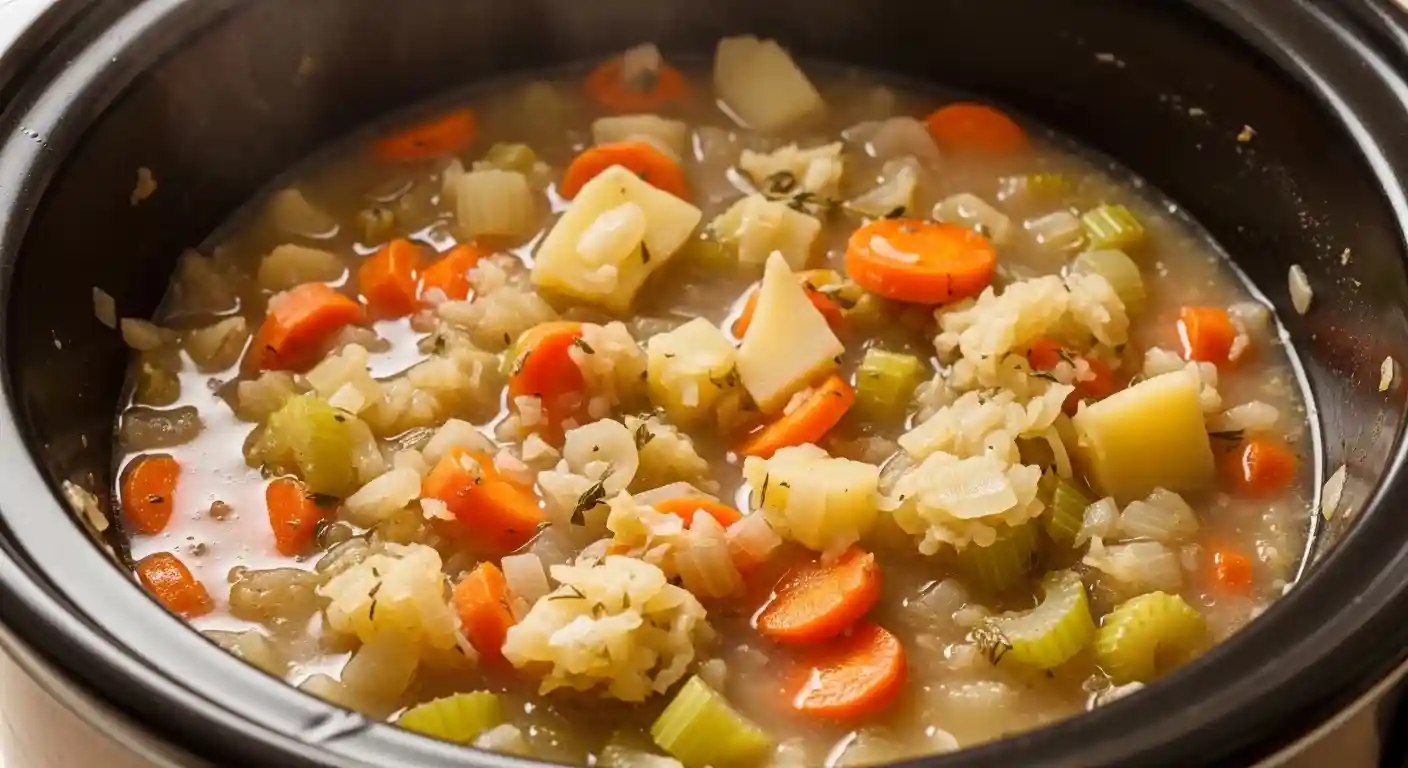
Why Vegetables Get Mushy in a Slow Cooker
Slow cookers are amazing for making tough meats tender. They cook food for a long time at a low temperature. This steady heat is great for many dishes.
However, it can be tough on delicate vegetables. They cook much faster than meat. If you put them in too early or cut them too small, they can break down and become mushy.
It’s all about timing and how you prepare them.
Best Vegetables for Slow Cooking
Some vegetables hold up better in a slow cooker than others. Root vegetables and harder vegetables are your best friends. They can handle the long cooking times without falling apart.
Root Vegetables
These are fantastic for slow cooking. They have a firm texture that softens nicely.
- Carrots
- Potatoes (all types)
- Sweet Potatoes
- Turnips
- Parsnips
- Rutabagas
When using root vegetables, cut them into roughly uniform pieces. This helps them cook evenly. Larger chunks will take longer, so keep this in mind for timing.
Hardy Vegetables
These also do well, but might need a little less time than root vegetables.
- Winter Squash (like butternut or acorn)
- Cabbage
- Onions
- Garlic
Onions and garlic become sweet and tender. They add great flavor without getting mushy if added at the right time.
Vegetables to Be Cautious With
Some vegetables are more delicate. They can turn to mush if cooked for too long. If you want to include these, add them towards the end of the cooking time.
Softer Vegetables
- Bell Peppers
- Zucchini
- Summer Squash
- Broccoli
- Cauliflower
- Asparagus
These vegetables have a higher water content and softer structure. They cook very quickly. Adding them in the last 30 minutes to an hour usually works best.
Leafy Greens
- Spinach
- Kale
- Swiss Chard
Leafy greens wilt down a lot. They only need a few minutes to cook. Add them right at the very end, often just before serving.
Key Strategies for How to Avoid Mushy Vegetables in Crock Pot
Knowing which vegetables to use is step one. The next big steps involve preparation and timing. These are the secrets to success.
1. Cut Vegetables Properly
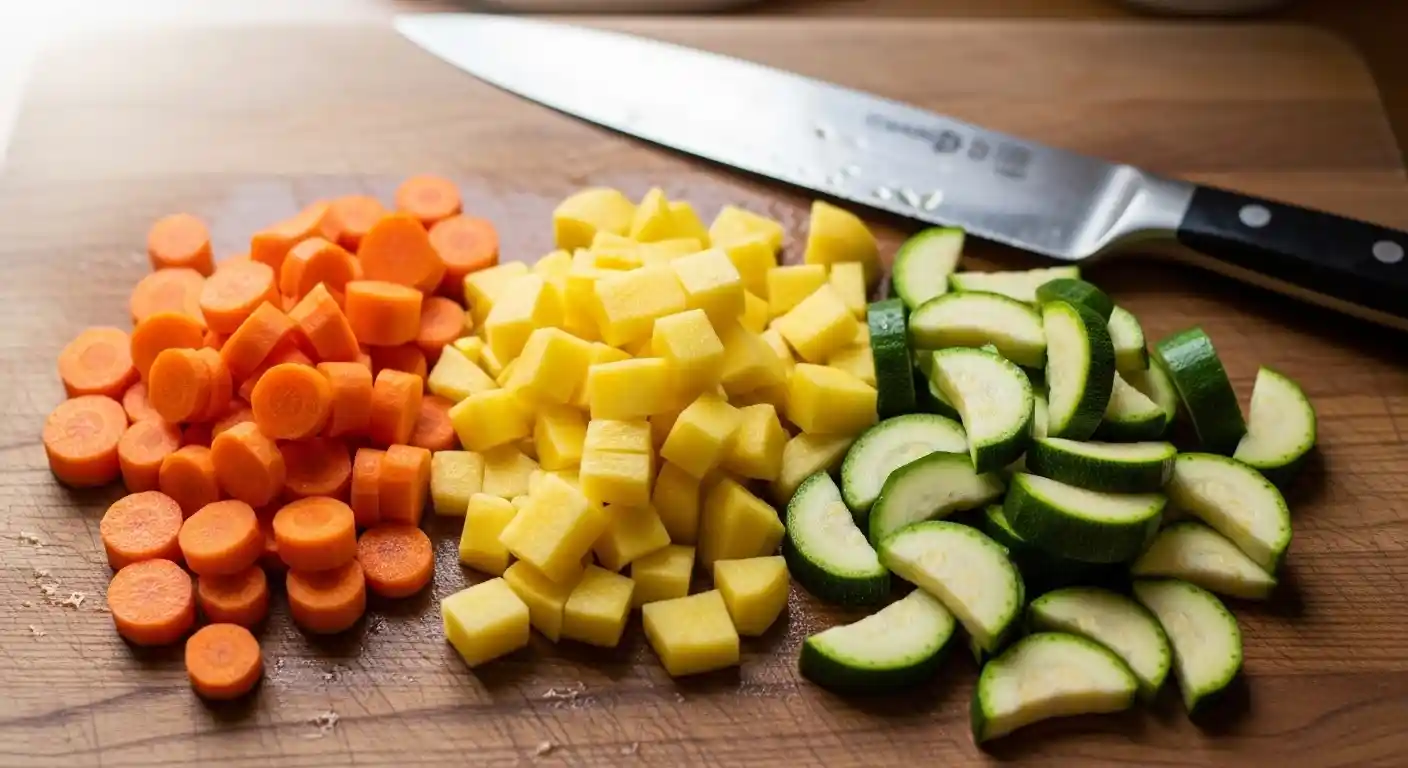
This is one of the most important things you can do. The size of your vegetable pieces matters a lot. It affects how fast they cook.
- Uniform Size: Cut all your vegetables into pieces that are about the same size. This ensures they cook evenly. If you have tiny pieces and large chunks, the small ones will turn to mush while the large ones are still hard.
- Larger Chunks for Longer Cooks: For vegetables that go in at the start (like carrots and potatoes), cut them into larger pieces, about 1 to 1.5 inches. This gives them enough time to soften without dissolving.
- Smaller Chunks for Shorter Cooks: If you’re adding vegetables later, you can cut them a bit smaller. This helps them cook quickly in the final stage.
2. Timing is Everything
The biggest reason vegetables get mushy is that they cook too long. Think of your slow cooker as a marathon runner. Meat is like that runner.
Vegetables are more like sprinters.
- Add Hardy Vegetables Early: Root vegetables like potatoes and carrots can go in from the start. They need the time to soften.
- Add Softer Vegetables Later: Vegetables like bell peppers, zucchini, and broccoli should be added in the last 30 minutes to 1 hour of cooking. This keeps them tender-crisp.
- Add Leafy Greens at the Very End: Spinach, kale, and other greens only need a few minutes. Stir them in just before serving. They will wilt perfectly.
If your recipe doesn’t specify when to add certain vegetables, use your best judgment based on their type. A little common sense goes a long way.
3. Consider Vegetable Placement
Where you put your vegetables in the pot can make a difference. The bottom of the slow cooker is hotter than the top.
- Place Heartier Vegetables on the Bottom: Put root vegetables like potatoes and carrots at the bottom, around the meat. They can handle the direct heat.
- Place Softer Vegetables on Top: Layering softer vegetables like broccoli or bell peppers on top of the meat and heartier vegetables helps them cook more gently.
This layering helps prevent the more delicate items from overcooking.
4. Use Less Liquid for Vegetables
Slow cookers work by trapping steam. Too much liquid can create a steamy, watery environment. This can make vegetables cook faster and become waterlogged and mushy.
- Start with Less Liquid: Many recipes call for a lot of liquid. You might not need it all, especially if you’re adding vegetables that release their own water.
- Vegetables Release Water: Many vegetables, like zucchini and peppers, release a good amount of water as they cook. Be mindful of this.
If you’re unsure, start with the amount of liquid the recipe calls for, but be prepared to adjust. You can always add more, but you can’t take it away.
5. Choose Your Cooking Method Wisely
Not all slow cooker recipes are created equal. Some are better suited for certain types of vegetables.
- Recipes with Meat: If you have meat in your slow cooker, it will release juices. This adds to the moisture. Keep this in mind for your vegetables.
- Vegetarian Slow Cooker Meals: If your dish is vegetarian, you might need to add a bit more liquid. Still, be careful not to add too much.
Think about the overall dish and how the vegetables will fit into it.
6. Pre-cooking Some Vegetables
For certain recipes or when you want your vegetables to be perfectly cooked but not mushy, you can give them a head start.
- Quick Blanching: Briefly boiling (blanching) harder vegetables like carrots or potatoes for a few minutes before adding them to the slow cooker can help. Then, add them with the meat.
- Roasting or Sautéing: You can also lightly roast or sauté vegetables like bell peppers or zucchini before adding them. This gives them a head start and adds a nice flavor.
This method requires a little more effort but guarantees better texture.
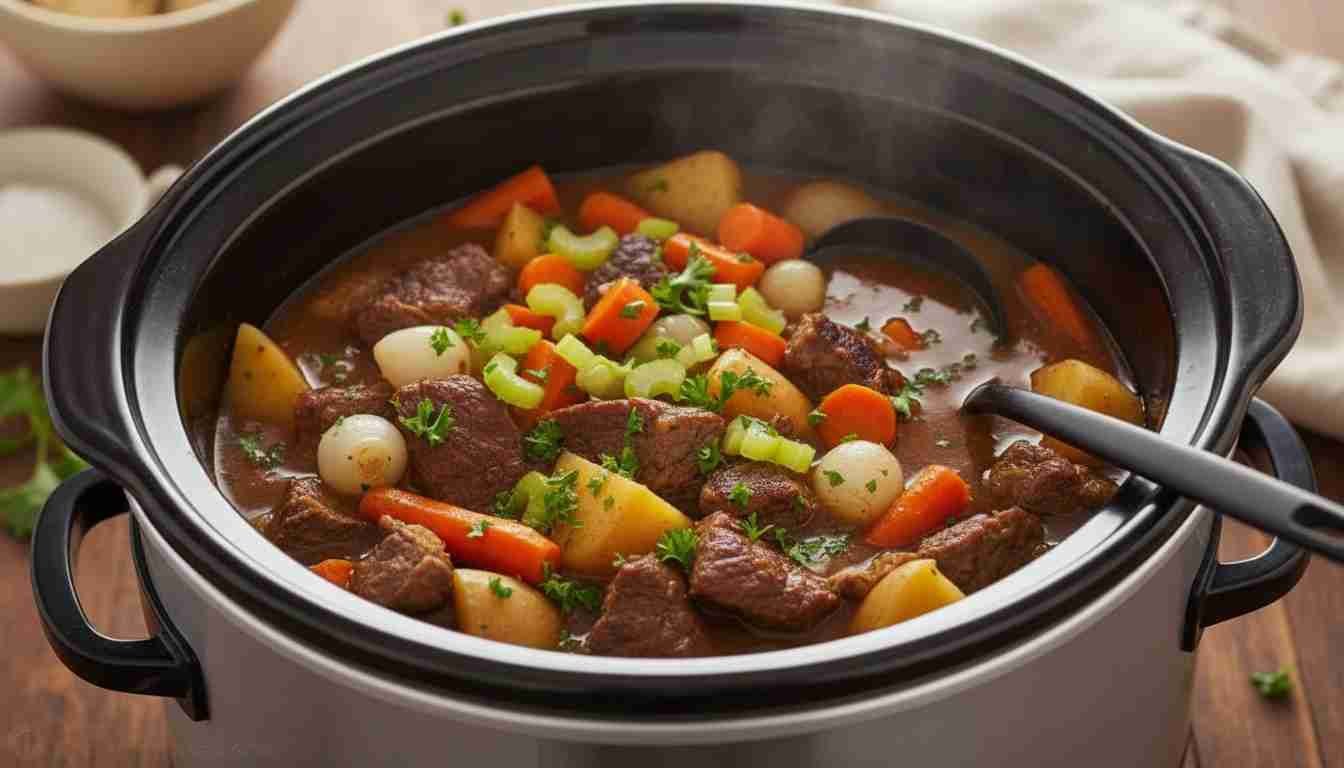
7. Use the Right Size Slow Cooker
The size of your slow cooker can affect cooking. If you use a large slow cooker for a small amount of food, it may cook faster and hotter than expected. This can lead to mushy vegetables.
- Fill Appropriately: Try to fill your slow cooker about halfway to two-thirds full for the best results.
- Adjust Cooking Time: If your slow cooker runs hot, you may need to reduce the cooking time.
Experimenting with your specific cooker is key.
Example Scenario: Making a Beef Stew
Let’s say you’re making a hearty beef stew in your slow cooker. You want tender beef and vegetables that aren’t a mushy mess.
Ingredients:
- Beef chunks
- Potatoes (cut into 1.5-inch cubes)
- Carrots (cut into 1-inch chunks)
- Onions (chopped)
- Celery (cut into 1-inch pieces)
- Bell peppers (cut into 1-inch pieces)
- Broccoli florets
- Beef broth
- Herbs and spices
Steps:
- Brown the beef in a pan and place it in the slow cooker.
- Add the chopped onions and celery to the slow cooker.
- Add the potato cubes and carrot chunks to the bottom of the slow cooker, around the beef.
- Pour in enough beef broth to mostly cover the ingredients. Add your herbs and spices.
- Cook on low for 6-7 hours or on high for 3-4 hours, until the beef is tender.
- About 1 hour before serving, stir in the bell pepper pieces.
- About 30 minutes before serving, add the broccoli florets.
- Stir everything gently. Cover and let it finish cooking until the peppers and broccoli are tender-crisp.
This way, your potatoes and carrots get tender, while the peppers and broccoli stay vibrant and have a pleasant bite. This is a great example of how to avoid mushy vegetables in crock pot for a complete meal.
Frequently Asked Questions
Question: Can I put frozen vegetables in my slow cooker
Answer: Yes, you can often put frozen vegetables in your slow cooker. However, they will cook faster than fresh vegetables and can become mushy more easily. It’s best to add them towards the end of the cooking time, similar to fresh softer vegetables.
Question: What is the best way to cut vegetables for slow cooking
Answer: Cut vegetables into uniform, bite-sized pieces. For harder vegetables that cook longer, make them larger (1-1.5 inches). For softer vegetables added later, they can be slightly smaller.
Even cutting is key for even cooking.
Question: How do I know when my vegetables are done
Answer: Vegetables are done when they are tender but still have a slight bite. For root vegetables, a fork should pierce them easily. Softer vegetables should be cooked through but not falling apart.
Taste a piece to check.
Question: My slow cooker recipe calls for a lot of liquid. Should I reduce it to avoid mushy vegetables
Answer: You can often reduce the liquid slightly, especially if you’re adding vegetables that release water. However, ensure there is enough liquid for the food to cook properly without drying out. It’s a balance.
Question: Can I add delicate greens like spinach to my slow cooker meal
Answer: Yes, you can add delicate greens like spinach. Stir them in during the last 5-10 minutes of cooking. They only need a few minutes to wilt and become tender.
Final Thoughts
You’ve learned the secrets to perfectly cooked vegetables in your slow cooker. It’s all about choosing the right ones, cutting them smart, and timing their addition. By adding hardier vegetables early and softer ones later, you control the cooking.
This simple approach ensures you know how to avoid mushy vegetables in crock pot. Enjoy your delicious, well-textured slow cooker meals!