Blending hot soup can seem a little tricky at first. People often wonder how to blend hot soup in blender without making a big mess or even worse, getting hurt. It’s really not that complicated if you know a few simple tricks.
This guide will show you the easiest way to get perfectly smooth soup every time, safely. Let’s make that yummy soup ready to eat!
Key Takeaways
- You can safely blend hot soup in a blender with simple precautions.
- Always vent your blender lid to release steam and pressure.
- Fill the blender only halfway to prevent overflows.
- Cooling the soup slightly before blending reduces steam.
- Hold the lid down firmly with a towel.
- Start the blender on a low speed.
Blending Hot Soup In Your Blender
Why Blending Hot Soup Can Be Tricky
Many home cooks hesitate when it comes to blending hot liquids. The main reason is safety. When you blend hot soup, steam builds up very quickly inside the blender jar.
This steam can push the lid off forcefully, spraying hot soup everywhere. It can cause burns and a huge mess. This is especially true if you try to fill the blender too full.
Because of this, knowing how to blend hot soup in blender properly is a really useful skill for anyone who loves creamy soups. Don’t worry, it’s much easier than it sounds!
Essential Safety First
Safety is the most important thing when blending hot soup. Hot liquids can create a lot of pressure when they are shaken around. This pressure needs a way to escape.
If it can’t escape, it can cause the blender lid to pop off. This can be very dangerous.
Always remember these key safety rules:
- Never fill your blender more than halfway with hot soup.
- Always vent the lid.
- Hold the lid down securely.
- Start on low speed.
Step-by-Step Guide to Blending Hot Soup
Follow these steps to blend your hot soup safely and smoothly.
Step 1: Prepare Your Blender and Soup
Make sure your blender is clean and in good working order. If your soup is very, very hot, it’s a good idea to let it cool down for a few minutes before you start. This doesn’t mean it needs to be cold, just not boiling hot.
A few minutes sitting on the counter will help. This small step reduces the amount of steam that will be created.
Step 2: Fill the Blender Carefully
This is a crucial step. You should never fill your blender more than halfway with hot soup. Overfilling is the biggest cause of dangerous overflows.
It’s better to blend in smaller batches than to risk an accident. Think of it this way: if you have a lot of soup, you’ll just blend it in two or three batches.
Step 3: Vent the Lid
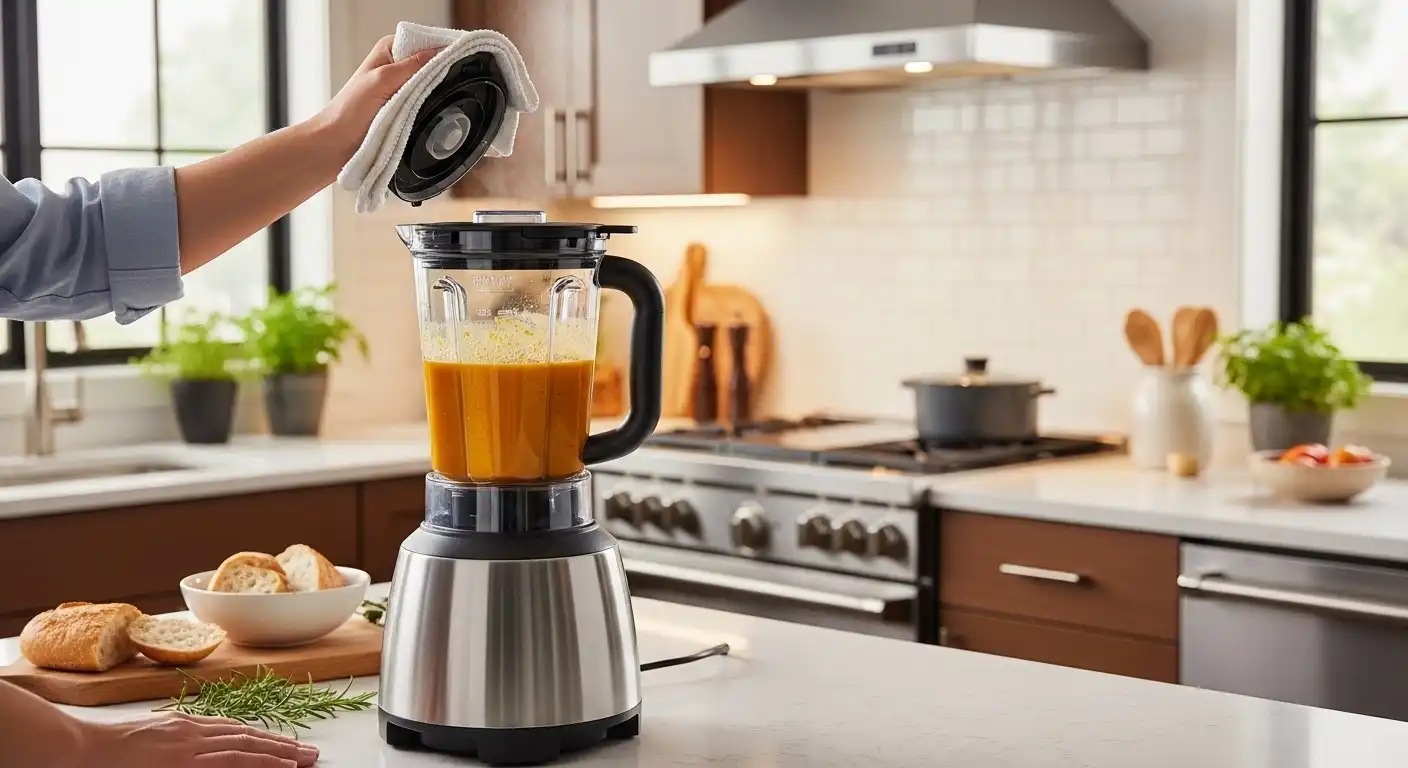
This is the most important safety tip for blending hot liquids. Most blender lids have a small cap or plug in the center. Remove this cap.
This little hole is where the steam can escape. If your lid doesn’t have a removable cap, you might need to prop the lid open slightly. You can do this using the handle of a wooden spoon.
The goal is to let the hot air out as it blends.
Step 4: Secure the Lid
Once you’ve removed the center cap (or propped the lid open), you still need to make sure the lid stays on. Take a kitchen towel or a folded pot holder and place it firmly over the lid. Press down on the towel with your hand.
This holds the lid in place and protects your hand from any splatters. Make sure you press down around the edges of the lid to create a good seal.
Step 5: Start Blending on Low Speed
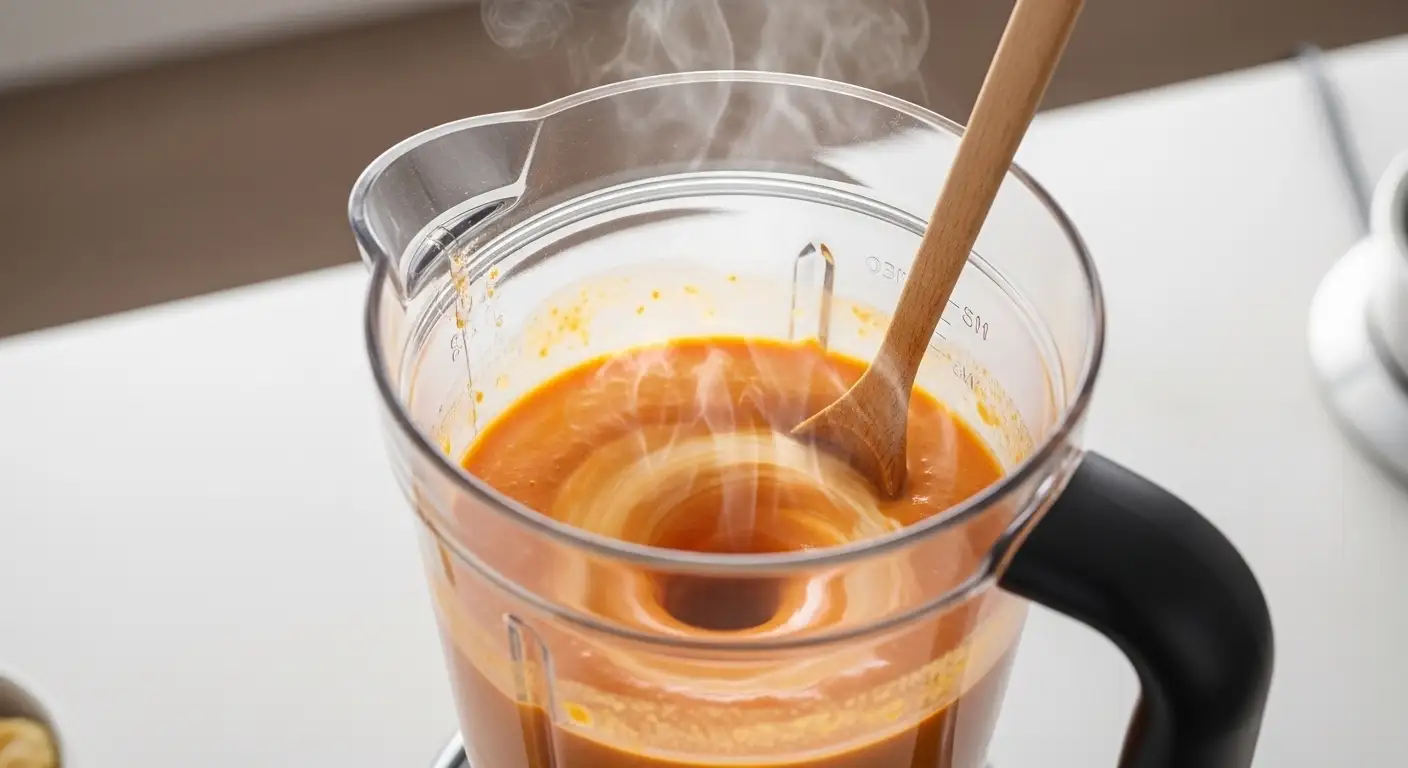
Begin blending your soup on the lowest speed setting your blender has. This is important because it allows the soup to start blending without creating too much immediate pressure. As the soup starts to blend and the initial steam escapes, you can gradually increase the speed.
Listen to your blender and watch for steam.
Step 6: Blend Until Smooth
Continue blending until your soup reaches the desired smoothness. This usually takes about 30 seconds to a minute, depending on your blender and the ingredients. You should see the soup swirling nicely in the blender jar.
If you notice a lot of steam building up, you can briefly stop the blender and let it cool down for a moment before continuing.
Step 7: Pour and Serve
Once your soup is perfectly blended, carefully remove the lid. You can do this by pressing down on the lid with the towel again while you slowly lift it away from you. Pour the hot soup into bowls or a serving container.
Be cautious as it will still be hot!
- You might find this helpful: Best Blender for Soup
Alternative Methods for Blending Hot Soup
If you’re still nervous about using a regular blender for hot soup, there are other options that can achieve a similar smooth texture.
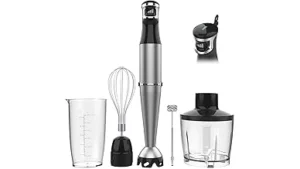
Immersion Blender (Stick Blender)
An immersion blender is often the easiest and safest tool for blending hot liquids directly in the pot. You simply place the blender head into the soup and blend until smooth. There’s no need to transfer the soup, which means less mess and less risk of spills.
Just make sure the blender head is fully submerged before you turn it on, and move it around to blend evenly.
Food Mill or Ricer
For a very rustic texture, you can use a food mill. This separates solids from liquids through a straining process. A ricer can also be used for certain ingredients like potatoes or squash, creating a very fine mash.
Hand Blending with a Whisk
For soups that are already quite soft and don’t require a super smooth texture, a vigorous whisking can sometimes be enough to break down ingredients. This is more for thicker, chunkier soups.
Tips for Perfect Soup Texture
Getting the right texture is key to a delicious soup. Here are some tips:
- For Creamy Soups: Blend for a bit longer to break down all the solids. Adding a splash of cream or coconut milk can also enhance creaminess.
- For Chunky Soups: Blend for a shorter time. You want to break down some ingredients but leave others partially intact for texture.
- Thickening Soups: If your soup is too thin after blending, you can simmer it gently for a few more minutes to reduce the liquid. Alternatively, you can thicken it with a cornstarch slurry (cornstarch mixed with a little cold water) or a roux (butter and flour cooked together).
- Thinning Soups: If your soup is too thick, add a little more broth or water until it reaches your desired consistency.
What Not To Do When Blending Hot Soup
Avoiding common mistakes will make the process much safer and easier.
- Don’t skip the venting step: The steam needs to escape.
- Don’t overfill the blender: This is a recipe for disaster.
- Don’t walk away from the blender: Stay close and keep pressure on the lid.
- Don’t use a damaged blender: Make sure your blender is in good condition.
- Don’t blend boiling soup: Let it cool slightly first.
Troubleshooting Common Issues
Sometimes things don’t go perfectly. Here’s how to fix them.
- Soup is too chunky: Blend for a little longer. Make sure you are blending in batches if you have a lot of soup.
- Soup is too thin: Simmer it down or thicken it as mentioned earlier.
- Blender is struggling: You might have too much solid material. Try blending in smaller batches. Make sure there’s enough liquid to help the blades move freely.
- Lid is rattling too much: Hold it down more firmly with the towel. Ensure the center cap is removed or the lid is properly vented.
Frequently Asked Questions
Question: Is it safe to blend hot soup in any blender?
Answer: Most blenders can handle hot soup if you follow safety steps like venting and not overfilling. However, some older or less powerful blenders might not be designed for hot liquids and could overheat. Always check your blender’s manual.
Question: How long should I let the soup cool before blending?
Answer: Letting the soup cool for about 5-10 minutes is usually enough. It should be hot but not actively boiling when you put it in the blender.
Question: What if my blender doesn’t have a removable center cap?
Answer: If your lid doesn’t have a removable cap, you can create a vent by carefully propping the lid open a tiny bit with the handle of a wooden spoon. Make sure to hold the lid down very firmly with a towel.
Question: Can I blend frozen ingredients into hot soup?
Answer: It’s generally not recommended to blend frozen ingredients directly into hot soup in a regular blender. The temperature shock could potentially damage the blender jar. Thaw ingredients first or add them to the soup while it’s simmering.
Question: How do I clean my blender after blending hot soup?
Answer: After blending, carefully pour out the soup. Then, fill the blender jar about halfway with warm water, add a drop of dish soap, and blend on low for a few seconds. Rinse thoroughly.
You can then wash it more deeply by hand.
Final Thoughts
Blending hot soup in your blender is a simple process when you remember the safety steps. Vent the lid, fill only halfway, and hold it down tight. Use a towel for protection and start on low speed.
This ensures smooth, delicious soup without any scary surprises. Enjoy your perfectly blended soups!

I’m Joshua Miller, a U.S.-based food enthusiast and Co-Founder of KitchenWink.com. With a Bachelor’s degree in Food Science and over five years of hands-on experience testing blenders, coffee makers, and other kitchen tools, I focus on real-world results—not lab theories.