Many people love protein shakes for quick nutrition. But sometimes, the protein powder just won’t mix right. You end up with a lumpy drink that’s not very tasty.
If you’ve ever wondered how to blend protein powder without clumps in a blender, you’re not alone. It can be tricky to get that smooth, creamy texture. But don’t worry, it’s easier than you think!
We’ll show you a simple way to fix this so you can enjoy your shake every time.
Key Takeaways
- Adding liquid first helps prevent clumps.
- Use the right amount of liquid for your powder.
- Scrape down the sides of the blender if needed.
- Consider the type of protein powder you use.
- A good blender makes a difference in smoothness.
Why Protein Powder Gets Clumpy
Protein powder is great for getting extra protein. It’s often used after workouts or as a meal replacement. But when you try to mix it, especially in a blender, you can get stubborn lumps.
This happens for a few reasons. Protein powder is made of tiny particles. These particles can stick together when they meet liquid.
If you don’t mix them right away, they form bigger clumps. The type of protein powder also matters. Some are finer than others.
Getting them to blend smoothly can seem like a puzzle.
Getting a Smooth Protein Shake Every Time
The good news is that learning how to blend protein powder without clumps in a blender is not hard. You just need to follow a few simple steps. These tips will help you get a perfect shake every time.
No more chalky or lumpy drinks! Let’s explore the best ways to achieve that smooth texture.
The Best Way to Blend Protein Powder
The most common way people make protein shakes is in a blender. This is usually the easiest and quickest method for getting a good mix. However, it’s also where many people run into trouble with clumps.
Following a specific order for adding ingredients is key to avoiding this.
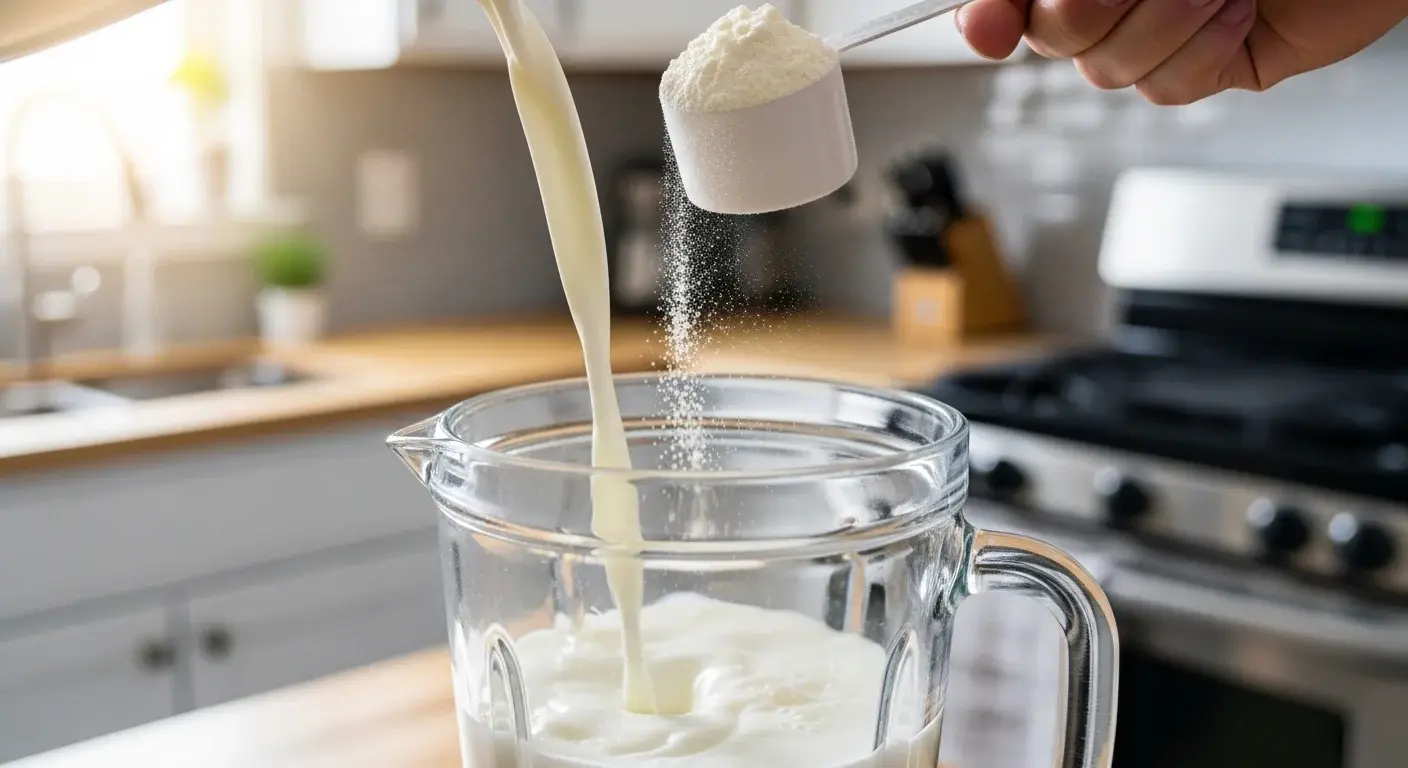
Step 1 Add Your Liquid First
This is the most important step. Always pour your liquid into the blender first. This includes water, milk, almond milk, or any other liquid you plan to use.
When the liquid is at the bottom, it helps the powder mix more easily. It creates a sort of liquid base. The powder then falls into this base.
It starts to break down right away instead of sticking to the sides or the blades. This simple step makes a big difference.
Step 2 Add Your Protein Powder
Once your liquid is in, it’s time to add the protein powder. You can add one scoop or your desired amount. Placing it on top of the liquid allows it to gently sink in.
This helps prevent it from forming a dry ball that’s hard to break apart.
Step 3 Add Other Ingredients
Now you can add any other ingredients. This might be fruits, ice, spinach, seeds, or nut butters. Adding these after the liquid and powder helps with the blending process.
They can also help to break up any small bits of powder that might have started to stick.
Step 4 Blend Correctly
When you start blending, begin on a low speed. Let it run for about 10-15 seconds. Then, increase the speed to high.
Blend for another 30-60 seconds, or until everything is smooth and well combined. Blending on high speed for a short period is usually enough to break down the powder and mix it with the other ingredients.
Step 5 Check and Scrape
After the initial blend, stop the blender. Use a spatula or spoon to scrape down the sides of the blender jug. Sometimes, small bits of powder can stick to the sides or get caught near the lid.
After scraping, you can give it another quick blend to make sure everything is fully incorporated. This step is a lifesaver for any remaining small clumps.
Liquid to Powder Ratio
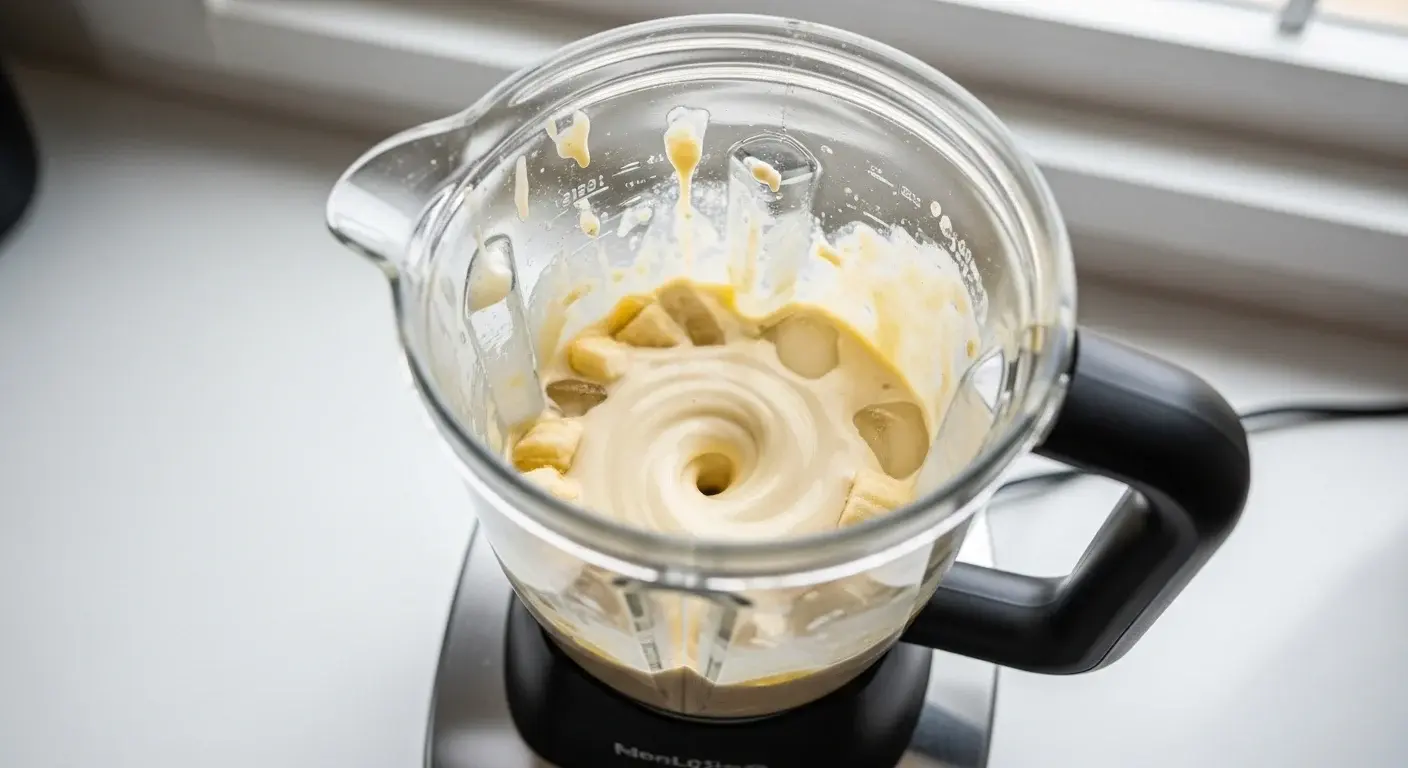
Getting the right amount of liquid is also crucial for how to blend protein powder without clumps in a blender. If you don’t use enough liquid, the mixture will be too thick. This makes it hard for the powder to dissolve and can lead to clumps.
On the other hand, too much liquid might dilute the flavor and thickness of your shake.
Most protein powder containers have a suggested serving size and a recommendation for how much liquid to use. It’s usually around 8-12 ounces (about 240-350 ml) of liquid per scoop of powder. Start with the lower end of this range if you like a thicker shake.
You can always add more liquid if it’s too thick after blending. Experiment a little to find what works best for your preferred consistency and the specific powder you’re using.
Types of Protein Powder and Clumping
Not all protein powders are created equal. The type of protein can affect how easily it blends. Knowing this can help you understand why you might be having clumping issues.
Whey Protein
Whey protein is very popular. It generally mixes quite well. It dissolves easily in liquids.
However, some fine-grade whey powders can still clump if not added correctly. Whey isolate tends to mix better than whey concentrate because it’s more pure.
Casein Protein
Casein protein is thicker and digests slower than whey. It can sometimes be a little more prone to clumping. Using enough liquid and blending it properly is very important for casein.
It might also form a thicker shake, which is normal for casein.
Plant-Based Proteins
Plant-based proteins like pea, rice, or soy protein can vary a lot in how they blend. Some plant proteins have a finer texture and blend very smoothly. Others can be more gritty or chalky.
They might require a bit more blending time or a stronger blender to achieve a smooth consistency. Some vegan protein blends also include thickeners that can affect how they mix.
Best Practices for Different Powders
Regardless of the type of protein powder, the order of adding ingredients still matters most. Always add liquid first. If you find a particular powder is difficult to blend, try adding it in smaller amounts while the blender is running on low.
This can help it disperse more evenly.
Blender Type Matters
While the method is key, the blender you use can also make a difference. A basic, less powerful blender might struggle with thicker mixtures or very fine powders. If you consistently have issues, consider if your blender is up to the task.
High-Powered Blenders
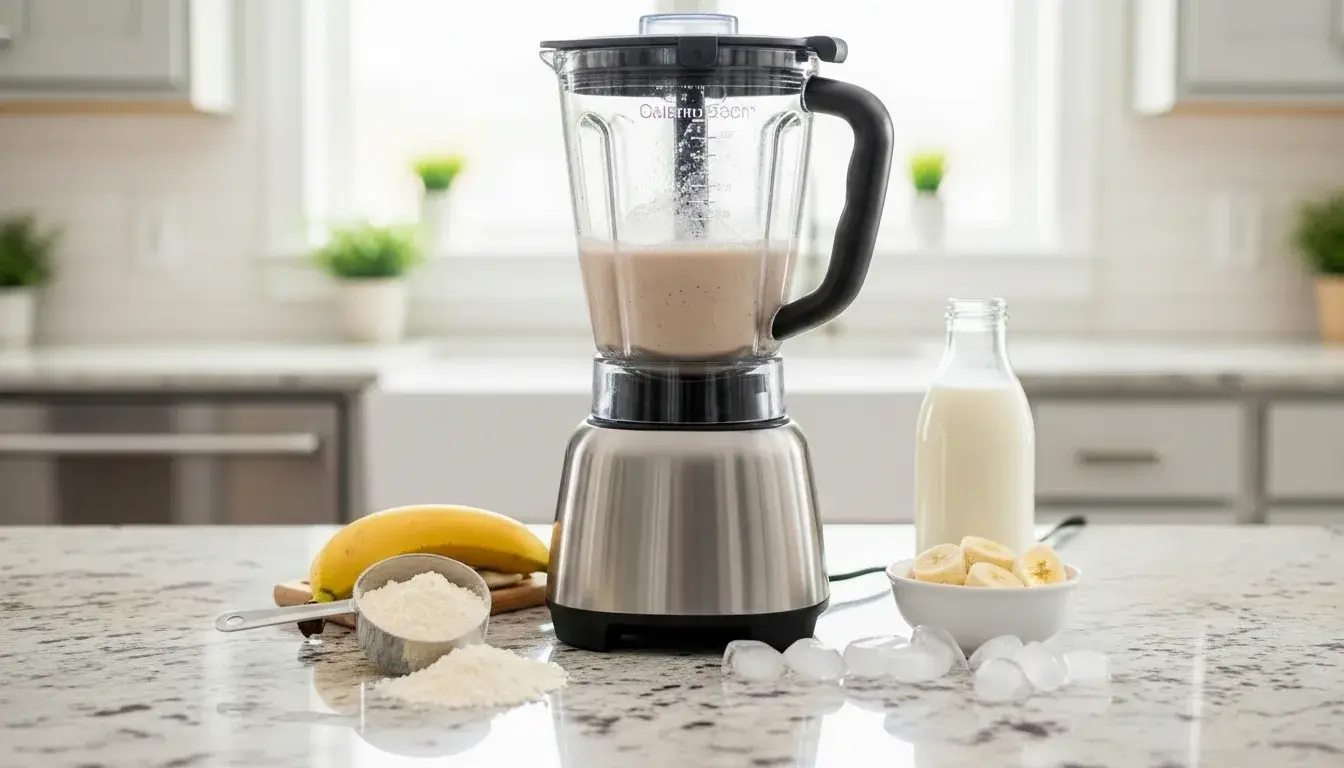
High-powered blenders, like those from Vitamix or Blendtec, are designed to handle tough ingredients. They create a vortex that pulls everything down into the blades. This results in very smooth shakes with minimal effort.
If you use protein shakes frequently, investing in a good blender can solve many mixing problems.
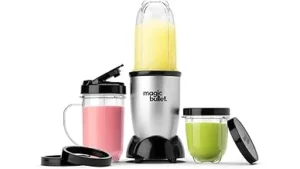
Personal Blenders (Bullet Style)
Personal blenders are very convenient for single servings. They often work well for protein shakes. The key is to ensure you have enough liquid and follow the proper order.
If the cup is too full, it can also lead to poor blending.
Shaker Bottles
While this post focuses on blenders, it’s worth mentioning that for some, a good old shaker bottle is an option. If you don’t have a blender or want a quick option on the go, a shaker bottle with a mixing ball can work well for many protein powders. It requires a bit more shaking, but it’s a clump-free alternative.
Tips for Extra Smoothness
Here are a few extra tips to make sure your shake is perfectly smooth. These can help when you’re trying to get that perfect texture, especially when learning how to blend protein powder without clumps in a blender.
- Don’t Overfill: Avoid filling your blender too full. This can make it harder for the blades to move freely and blend everything evenly. Leave some space at the top.
- Pulse First: Instead of immediately going to high speed, try pulsing a few times first. This initial agitation can help break up the powder before the continuous blending.
- Clean Your Blender: A dirty blender with residue from previous shakes might contribute to clumping. Make sure your blender jug is clean before you start.
- Let It Sit Briefly: For some powders, letting the mixture sit for a minute or two after blending can help any remaining tiny particles fully dissolve. This is less common but can help in stubborn cases.
- Use Cold Liquids: Cold liquids seem to help protein powder disperse better than warm or room-temperature liquids.
Common Mistakes to Avoid
Making protein shakes should be simple, but a few common mistakes can lead to frustration. Being aware of these can help you avoid them.
- Adding Powder to an Empty Blender: This is the most common cause of big clumps. The dry powder just sticks to the sides and bottom.
- Not Enough Liquid: As mentioned, this makes the shake too thick and hard to blend.
- Blending Too Briefly: Some people just give it a quick whirl. This isn’t enough time for the powder to fully mix in.
- Ignoring the Scrape Down: If you don’t scrape the sides, those stuck-on bits will remain.
- Using Warm Liquids: While not always the case, cold liquids tend to yield better results.
Frequently Asked Questions
Question: What is the best way to add protein powder to a blender
Answer: Always pour your liquid into the blender first. Then, add your protein powder on top of the liquid. This helps the powder mix in without sticking.
Question: Can I just shake my protein powder in a bottle instead of blending
Answer: Yes, for many protein powders, a shaker bottle with a mixing ball works well. Add liquid first, then powder, and shake vigorously.
Question: What if my protein powder is still clumpy after blending
Answer: Stop the blender and scrape down the sides of the jug. Then, give it another short blend. You might also need to add a little more liquid.
Question: Does the type of liquid affect how protein powder blends
Answer: Generally, any liquid will work, but using cold liquids can help protein powder disperse more easily. Water, milk, or plant-based milks are all good options.
Question: How much protein powder should I use per serving
Answer: Check the serving size on your protein powder container. Most scoops provide about 20-30 grams of protein. Use the amount recommended on the label.
Final Thoughts
Getting a smooth protein shake is easy when you know how to blend protein powder without clumps in a blender. Start with liquid, then add your powder. Scrape down the sides if needed.
Follow these simple steps, and you will enjoy delicious, clump-free shakes every time. Your protein drinks will be perfect!

I’m Joshua Miller, a U.S.-based food enthusiast and Co-Founder of KitchenWink.com. With a Bachelor’s degree in Food Science and over five years of hands-on experience testing blenders, coffee makers, and other kitchen tools, I focus on real-world results—not lab theories.