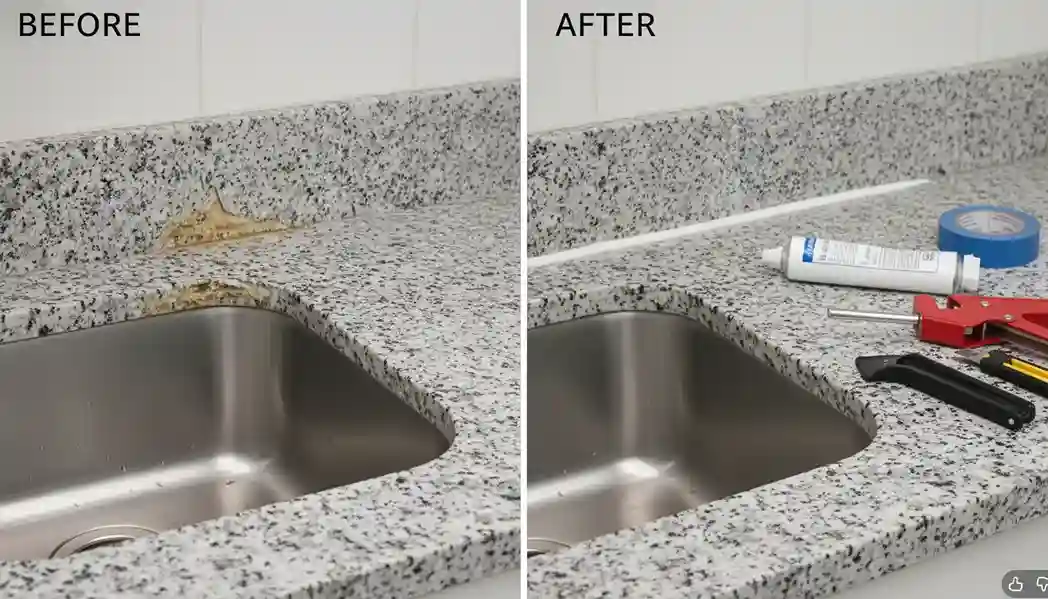
Many homeowners wonder how to caulk a stainless steel kitchen sink. It seems like a small job, but getting it right makes a big difference in keeping your sink looking great and preventing water leaks. For beginners, it can feel a bit tricky to get that smooth, even bead of caulk.
But don’t worry! This guide breaks it down into easy steps you can follow. We’ll show you exactly what you need and how to do it step-by-step, making your sink look brand new and water-tight.
Why Caulking Your Stainless Steel Sink is Important
Your stainless steel kitchen sink is a workhorse. It handles everything from washing dishes to rinsing produce. Over time, the old caulk around the edge where the sink meets the countertop can crack, peel, or get dirty.
This not only looks messy but can also let water seep underneath. This water can damage your countertops or the cabinets below, leading to bigger problems like mold or wood rot.
A good caulk seal keeps water out and grime from collecting in those tiny cracks. It helps maintain the clean look of your kitchen and protects your cabinets. Plus, a fresh caulk line makes your whole sink area look much newer and tidier.
What You’ll Need to Caulk Your Sink
Gathering the right supplies makes the job much easier. You don’t need a lot of fancy tools. Here’s a simple list:
- Caulk (choose a kitchen and bath silicone or siliconized acrylic caulk)
- Caulk gun
- Utility knife or razor blade
- Painter’s tape (optional but helpful)
- Caulk removal tool or putty knife
- Rubbing alcohol or a cleaning spray
- Clean rags or paper towels
- Gloves (optional)
- Caulk finishing tool or a wet finger
Choosing the Right Caulk
The type of caulk you use is key. For a kitchen sink, you want something that can handle moisture and is durable. Silicone caulk is very flexible and waterproof, making it a great choice.
However, it can be a bit harder to work with and clean up. Siliconized acrylic caulk is easier to apply and clean up with water, and it’s also waterproof once cured.
Look for caulk that is labeled for “kitchen and bath” or “waterproof.” Many come in white or clear, which work well with stainless steel. Some also have mildew resistance, which is a good bonus for a kitchen environment.
Step-by-Step Guide: How to Caulk a Stainless Steel Kitchen Sink
Follow these simple steps to get a professional-looking caulk job.
Step 1: Remove Old Caulk
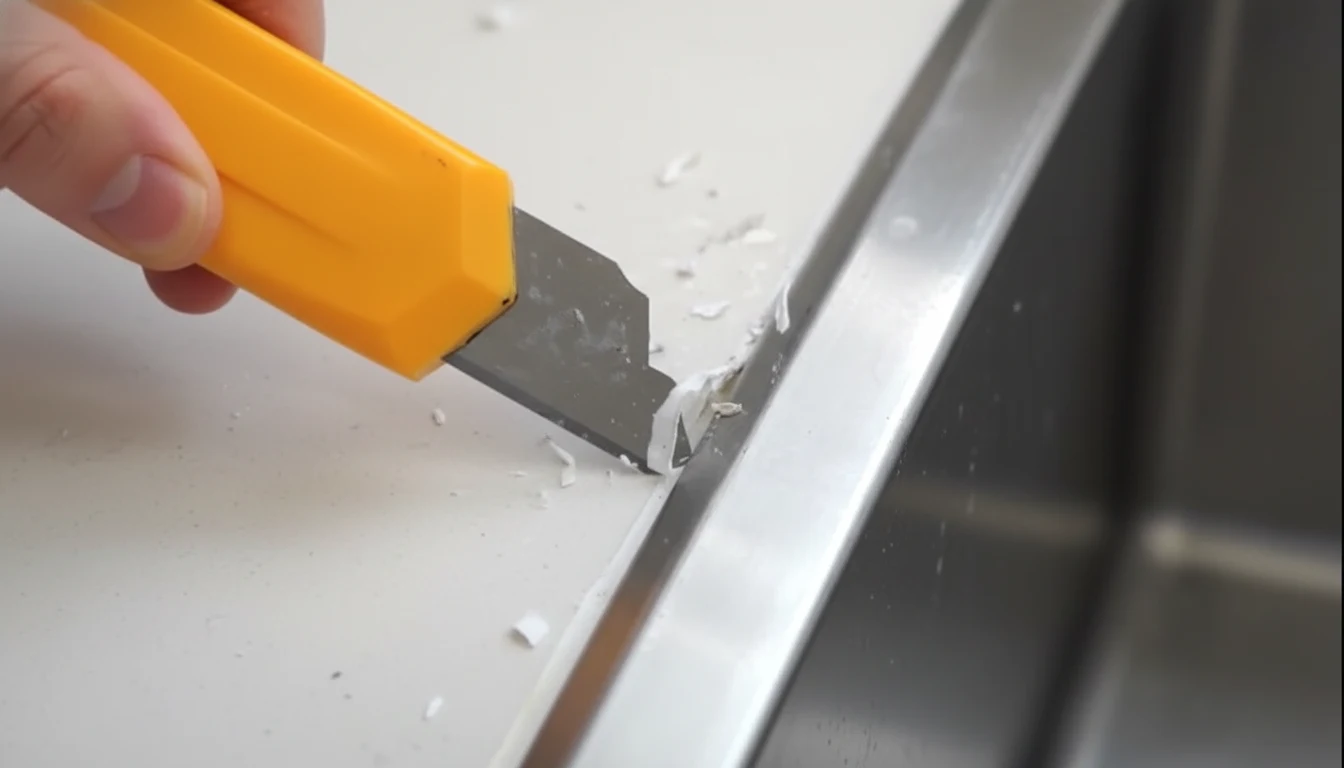
This is a crucial first step. You need a clean surface for the new caulk to stick to. Use a utility knife or a caulk removal tool to carefully cut along the edge of the old caulk.
Work slowly to avoid scratching your sink or countertop.
Once you’ve cut through the caulk, try to peel it away. You might need to use a putty knife or scraper to get stubborn bits off. Make sure to remove all the old caulk.
Leftover bits will prevent the new caulk from sealing properly.
Step 2: Clean the Area Thoroughly
After removing the old caulk, you need to clean the area where the caulk will go. Use rubbing alcohol or a good all-purpose cleaner. Spray it on a rag and wipe down the edges of the sink and the countertop.
This removes any remaining residue, soap scum, or grease.
A clean surface is essential for the new caulk to adhere well. Let the area dry completely. If you have a fan, you can use it to speed up the drying process.
Step 3: Apply Painter’s Tape (Optional but Recommended)
If you want really straight caulk lines, painter’s tape is your best friend. Apply a strip of painter’s tape along the edge of the sink and another strip along the edge of the countertop. Leave a gap between the two strips that is about the width you want your caulk bead to be.
Make sure the tape is pressed down firmly so caulk doesn’t seep underneath. This creates a clean border for your new caulk line and makes cleanup much easier.
Step 4: Prepare the Caulk Gun and Caulk Tube
Now it’s time to load your caulk gun. Cut the tip of the caulk tube at a 45-degree angle using a utility knife. Start with a small opening.
You can always cut it wider if you need a thicker bead.
Insert the caulk tube into the caulk gun. Some caulk guns have a release lever that you press to stop the flow of caulk. Get familiar with yours.
Step 5: Apply the Caulk
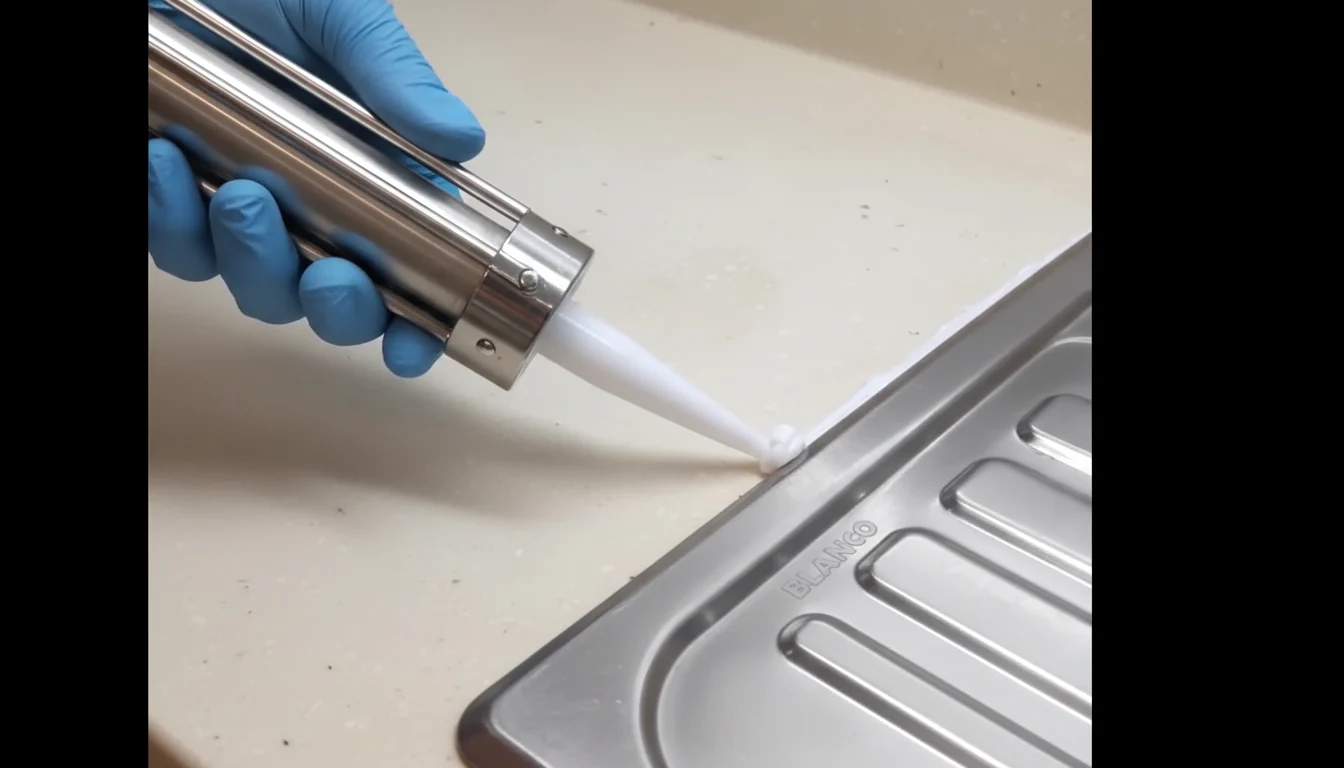
Place the tip of the caulk tube at the beginning of the seam you want to fill. Hold the caulk gun at about a 45-degree angle. Apply steady, even pressure to the trigger of the caulk gun as you move it along the seam.
Try to maintain a consistent speed and pressure to create a smooth, unbroken bead of caulk. Work in sections if needed, but try to do one side of the sink at a time without stopping. If you need to stop, release the trigger and engage the caulk gun’s release mechanism to prevent dripping.
Step 6: Smooth the Caulk Bead
This is where you get that nice, finished look. You have a couple of options here.
Using a Caulk Finishing Tool
A caulk finishing tool has different edge profiles that help create a smooth bead. Run the tool along the wet caulk bead at a consistent angle and pressure. This pushes the caulk into the gap and removes excess.
Using a Wet Finger
If you don’t have a tool, a wet finger works too. Dip your finger in water (or a soapy water solution for easier cleanup) and gently run it over the caulk bead. Use a light touch to smooth it out and press it into the seam.
Wipe excess caulk off your finger onto a paper towel frequently.
The goal is to create a slightly concave surface that slopes down to the countertop and the sink edge, ensuring a good seal and a clean appearance.
Step 7: Clean Up Excess Caulk
Now, carefully remove the painter’s tape if you used it. Pull it away slowly at a 45-degree angle from the caulk line. Do this while the caulk is still wet.
This will reveal your clean, sharp caulk line.
Wipe away any excess caulk with a damp rag or paper towel. For silicone caulk, you might need a rag with a little rubbing alcohol for stubborn bits. For siliconized acrylic, plain water usually works best.
Step 8: Let the Caulk Cure
This is a very important step. Read the caulk manufacturer’s instructions for curing times. Most caulks need at least 12 to 24 hours to cure fully.
During this time, try to avoid getting the caulk wet or putting pressure on it.
Once the caulk is fully cured, your sink is ready to use. You’ll have a watertight seal that looks great.
Tips for a Perfect Caulk Job
Here are a few extra tips to help you achieve a great result:
- Practice makes perfect: If you’re nervous, practice applying a bead of caulk on a piece of cardboard first.
- Work in good light: Make sure you can see what you’re doing clearly.
- Don’t over-apply: It’s easier to add more caulk than to remove too much.
- Clean as you go: Wipe up any drips or mistakes immediately.
- Ventilate the area: Open a window if possible, especially if using silicone caulk.
Common Mistakes to Avoid
Even experienced DIYers can make mistakes when caulking. Being aware of these can save you time and frustration.
Not Removing All Old Caulk
This is probably the most common mistake. New caulk won’t stick well to old caulk, leading to peeling and leaks. Take your time with the removal process.
Applying Caulk Too Thickly
A huge bead of caulk looks messy and is hard to smooth. It also takes longer to cure. Aim for a neat, even line.
Not Smoothing the Caulk
Just applying caulk isn’t enough. Smoothing it creates a waterproof seal and a professional finish. Skipping this step leaves it looking uneven and unprofessional.
Not Letting Caulk Cure Properly
Rushing the curing process by getting the caulk wet too soon will ruin your hard work. It needs time to harden and form a seal. Be patient.
How to Caulk a Stainless Steel Kitchen Sink When There’s a Gap
Sometimes, the space between your sink and countertop is larger than usual. This might be due to the sink’s design, countertop material, or installation. When you have a wider gap, you need to choose your caulk wisely.
For larger gaps, you might need a caulk that is specifically designed to fill wider seams, or you may need to apply a slightly thicker bead. The key is still to press the caulk firmly into the gap. Using painter’s tape will be especially helpful here to create clean lines.
After applying the caulk, use a caulk finishing tool with a wider profile or a well-shaped finger to smooth it. Ensure the caulk is pressed firmly into the entire width of the gap. The goal is to create a continuous, watertight seal that bridges the gap effectively without looking bulky or uneven.
How to Caulk the Undermount Sink
Undermount sinks are installed beneath the countertop, which means the caulking is often less visible. However, it’s still important for sealing the connection and preventing water from getting behind the sink or into the countertop material.
The process is very similar to caulking a drop-in sink. You’ll need to remove any old caulk around the perimeter where the sink meets the underside of the countertop. Then, clean the area thoroughly.
Apply a steady bead of caulk.
Smoothing can be a little trickier with an undermount sink because you may have less space to work. A smaller caulk finishing tool or even a carefully used damp cloth can help. Ensure the caulk is pressed into the seam to create a water-tight barrier.
Allow it to cure completely before using the sink regularly.
Frequently Asked Questions
Question: What kind of caulk is best for a stainless steel sink
Answer: For a stainless steel kitchen sink, a high-quality silicone or siliconized acrylic caulk labeled for kitchen and bath use is best. These are waterproof, flexible, and durable. Look for one with mildew resistance.
Question: How long does caulk take to dry
Answer: Most caulks need at least 12 to 24 hours to fully cure. Always check the product label for specific drying and curing times. Avoid getting the caulk wet during this period.
Question: Can I paint over caulk
Answer: Some caulks can be painted, while others cannot. If you plan to paint, choose a paintable caulk, usually a siliconized acrylic. Silicone caulk generally cannot be painted.
Question: My caulk line is uneven what should I do
Answer: If the caulk is still wet, you can often smooth it out with a wet finger or caulk tool. If it has already started to cure, you may need to remove it and reapply.
Question: How often should I re-caulk my kitchen sink
Answer: This depends on the caulk quality and use. Generally, you should inspect the caulk every 1-2 years. Re-caulk when you see signs of cracking, peeling, or mold.
Final Thoughts
You’ve learned how to caulk a stainless steel kitchen sink. It’s a straightforward process with the right steps. Start by clearing away old caulk and cleaning the surface well.
Then, apply your new caulk bead evenly. Smooth it for a neat finish. Be patient and let it cure completely.
Following these simple steps will give you a water-tight seal and a cleaner-looking sink.

I’m Loretta Evans, and I lead the Rice Cooker and Kitchen Tools section. I test every product in real home kitchens to see how it truly performs in everyday use.
My goal is simple: to give you clear, honest advice so you can choose reliable tools that make cooking easier.