You use your blender every day to make smoothies, sauces, and more. But have you ever stopped to think about how clean it really is?
A dirty blender can hide bacteria and old food bits that affect your health and the taste of your meals. Cleaning it properly might seem like a hassle, but it doesn’t have to be. You’ll discover simple, quick steps to keep your blender spotless and safe to use.
Stick around—you’ll learn easy tricks that save time and make your blender last longer. Your kitchen and your body will thank you!
Preparing Your Blender
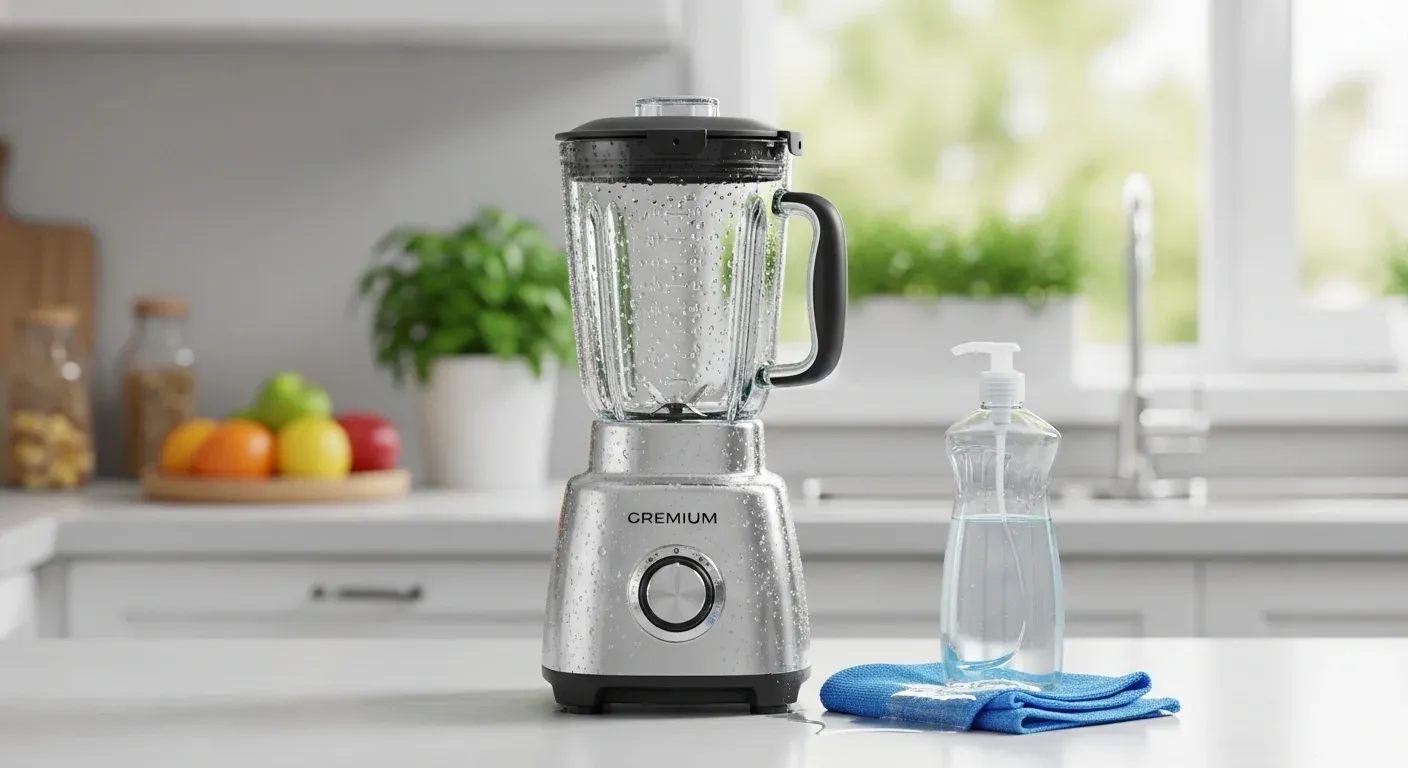
Start by unplugging the blender and taking off the jar. Rinse it with warm water to remove leftover food. Next, add soap and water for easy cleaning.
Cleaning a blender starts with proper preparation. Taking apart the blender helps you clean every part well. This step stops food from sticking and keeps the blender fresh. It also makes the cleaning process faster and easier.
Preparing your blender carefully saves time later. It prevents damage to the parts and keeps the blender working longer. Follow these simple steps before washing.
Disassemble The Parts
Unplug the blender before you start. Remove the jar from the base. Take off the lid, the blade assembly, and the gasket. Handle the blades with care to avoid cuts. Lay all parts on a clean surface. This way, you can clean each piece deeply.
Rinse Off Residue
Rinse all parts under warm water. This removes leftover food and drink bits. Use your fingers or a soft sponge to clear stuck pieces. Avoid strong scrubbing to protect the surface. Rinsing first makes washing easier and more effective.
Basic Cleaning Method
Cleaning a blender properly keeps it safe and ready for your next use. The basic cleaning method is quick and simple. It stops food from sticking and removes odors.
This method uses soap, water, and the blender itself to clean hard-to-reach places. Follow these easy steps for a fresh and clean blender every time.
Add Soap And Water
Start by filling the blender halfway with warm water. Add a few drops of dish soap. Do not fill it completely to avoid spills during blending.
Blend To Clean
Put the lid on tightly. Turn the blender on low speed. Let it blend for 30 seconds to 1 minute. The soap water will scrub the blades and container walls.
Rinse Thoroughly
Empty the soapy water. Rinse the blender container with clean water several times. Make sure no soap remains. Wipe the outside with a damp cloth.
Deep Cleaning Techniques
Deep cleaning your blender keeps it fresh and working well. Regular cleaning removes stuck food and harmful bacteria. Some parts need special care to stay clean and safe. Below are easy ways to deep clean your blender and keep it like new.
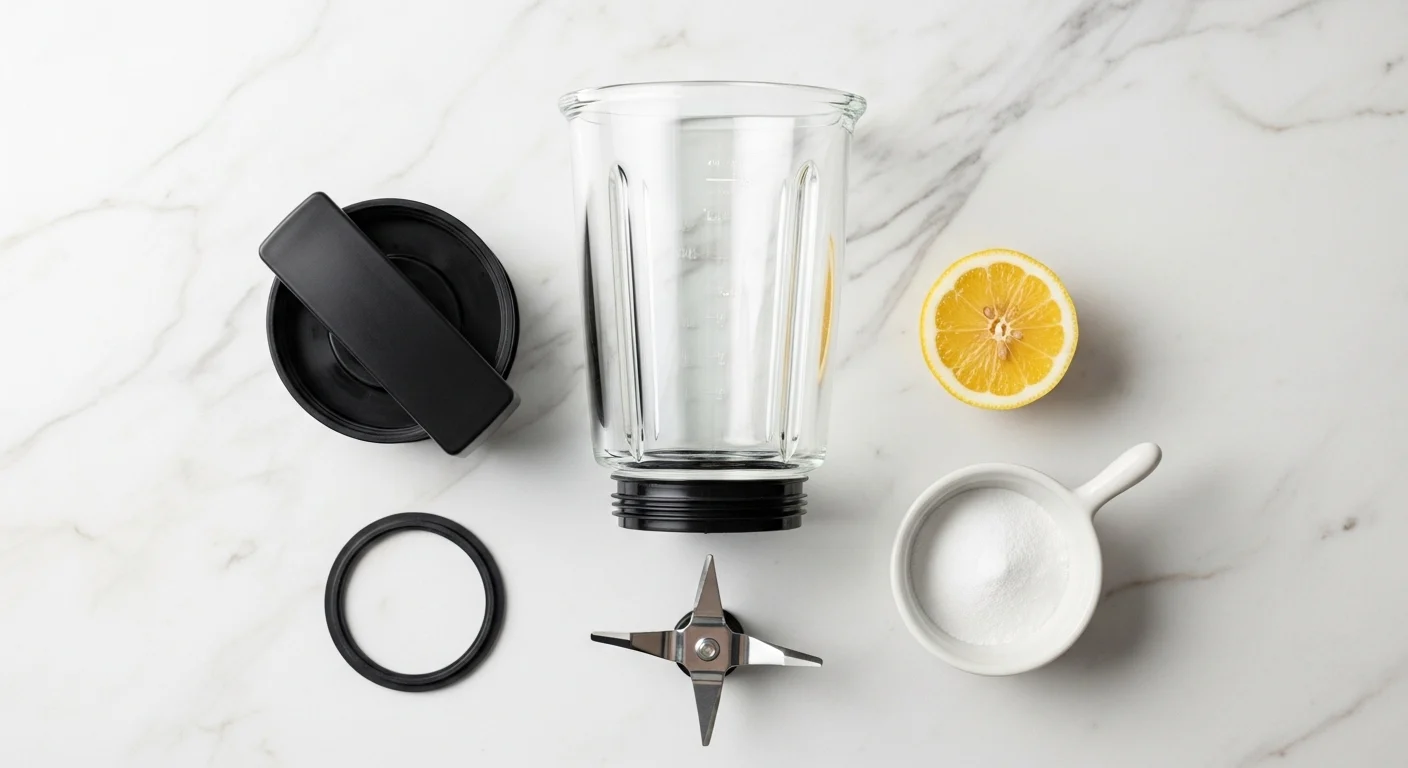
Use Baking Soda For Stains
Baking soda is great for removing stains inside the blender jar. Sprinkle a small amount on the stained areas. Add a little water to make a paste. Use a soft cloth or sponge to scrub the stains gently. Rinse well with warm water to remove all residue. Baking soda cleans without harsh chemicals.
Clean The Seals And Gaskets
Seals and gaskets trap food and moisture. They need careful cleaning to stop mold and bad smells. Remove these parts if possible. Wash them with warm, soapy water and a soft brush. Dry them completely before putting back. Clean seals keep your blender safe and fresh.
Handle Tough Odors
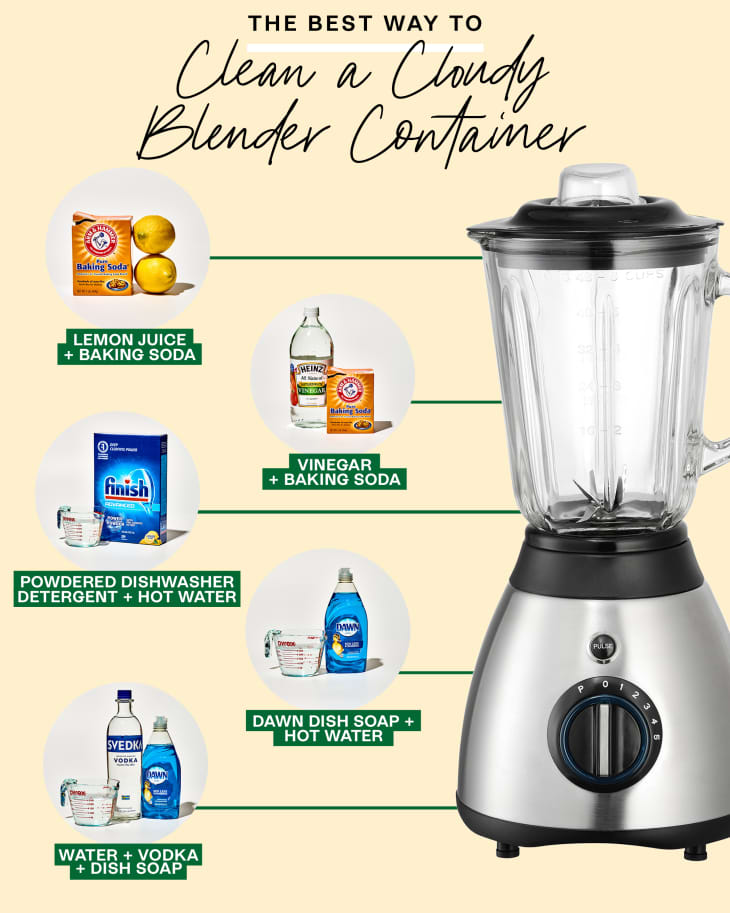
Strong smells can stay in the blender even after washing. Pour a mixture of equal parts water and white vinegar into the jar. Let it sit for 10 to 15 minutes. Rinse well with warm water. This simple step removes odors and keeps your blender smelling clean.
Cleaning The Blender Base
The blender base is the heart of your appliance. It holds the motor and controls the blending speed. Cleaning it properly keeps your blender safe and working well. Dirt and spills can build up around buttons and vents. These spots need careful cleaning to avoid damage. Let’s look at simple steps to clean the blender base effectively.
Unplug And Wipe Down
Always unplug the blender before cleaning the base. This prevents any risk of electric shock. Use a damp cloth to wipe the outside. Avoid soaking the cloth too much. Gently clean around buttons and knobs. Remove any food splashes or dust. Dry the base with a soft towel after wiping.
Avoid Water Damage
Never submerge the blender base in water. Water can harm the motor and electrical parts. Avoid spraying water directly on the base. Use a slightly damp cloth instead. Keep moisture away from vents and openings. If spills happen, clean them quickly to prevent damage. Proper care extends your blender’s life.
Maintaining Your Blender
Maintaining your blender is key to keeping it in good working condition. Proper care helps your blender last longer and work better. Simple habits make a big difference.
Regular Cleaning Schedule
Clean your blender right after each use. Rinse the jar and lid with warm water. Use a soft brush or sponge to remove stuck food. Avoid harsh scrubbing that can damage the blades. For a deep clean, blend warm water and soap for 30 seconds. Rinse thoroughly and dry before storing. Regular cleaning prevents bad smells and mold growth.
Proper Storage Tips
Store your blender in a dry, cool place. Keep the jar and lid separate to let air circulate. Avoid putting heavy items on top of the blender. Make sure the blades are dry to stop rusting. If possible, cover the blender to protect it from dust. Proper storage keeps your blender safe and ready to use.
Credit: www.thekitchn.com
Troubleshooting Common Issues
Troubleshooting common issues with your blender helps keep it working well. Small problems can stop your blender from cleaning properly. Fixing these issues saves time and keeps your blender safe to use. Here are some common problems and how to fix them fast.
Blade Not Spinning
The blade might not spin if the motor is blocked. Check for food stuck under the blade. Remove the jar and clean the base carefully. Make sure the blade assembly is tight and fits well. Sometimes, the blades get dull or bent. Replace the blade if it looks damaged. Also, check the power connection to ensure the blender is on.
Leaks And How To Fix Them
Leaks happen when seals or gaskets wear out. Remove the jar and check the rubber seal at the bottom. Clean the seal and the jar base to remove dirt. Replace the seal if it looks cracked or torn. Tighten the blade assembly to stop leaks. Avoid overfilling the jar to prevent spills. Leaks can damage the motor, so fix them quickly.
Frequently Asked Questions
How Do I Clean A Blender Quickly?
Add warm water and a drop of dish soap to the blender. Blend on high for 30 seconds. Rinse thoroughly with clean water and dry.
Can I Use Vinegar To Clean My Blender?
Yes, vinegar removes stains and odors effectively. Mix equal parts vinegar and water. Blend for 30 seconds, then rinse well.
Should I Disassemble The Blender For Cleaning?
Yes, always unplug and disassemble the blender before cleaning. Remove the blade, gasket, and jar for thorough washing.
How Often Should I Clean My Blender?
Clean your blender immediately after each use. This prevents buildup and makes cleaning easier and faster.
Conclusion
Cleaning a blender properly keeps it working well and lasts longer. Always rinse right after use to stop food from sticking. Use warm water and soap for a quick clean. Don’t forget to clean the lid and blades carefully. Regular cleaning stops smells and mold from growing.
A clean blender makes your drinks and meals taste better. Simple steps save time and effort. Keep your blender fresh and ready for every use. Easy to clean, easy to enjoy.

I’m Joshua Miller, a U.S.-based food enthusiast and Co-Founder of KitchenWink.com. With a Bachelor’s degree in Food Science and over five years of hands-on experience testing blenders, coffee makers, and other kitchen tools, I focus on real-world results—not lab theories.