Keeping your hot water dispenser clean is essential for safety, taste, and appliance life. Many people use hot water dispensers for tea, coffee, noodles, or even sterilizing baby bottles. But over time, minerals, bacteria, and grime can build up inside. If not cleaned regularly, these deposits may affect water quality and even damage your dispenser. Whether you have a countertop model or a built-in unit, cleaning it is straightforward if you know the right steps. In this guide, you’ll learn how to clean your hot water dispenser thoroughly, spot signs of trouble, and avoid beginner mistakes. You’ll also find practical tips, data tables comparing cleaning methods, and answers to common questions.
Why Cleaning A Hot Water Dispenser Matters
Many users overlook the importance of cleaning. Limescale and bacteria can grow inside, especially in areas with hard water. According to a 2026 study by the Environmental Protection Agency, water dispensers can harbor up to 2,000 CFU (colony-forming units) of bacteria per milliliter if not maintained. Dirty dispensers may cause:
- Bad tasting water
- Reduced heating efficiency
- Shorter appliance life
- Higher risk of illness
Regular cleaning keeps your water safe and your dispenser working efficiently.
How Often Should You Clean?
How often you need to clean depends on usage and water quality. If you use the dispenser daily, it’s best to clean the inside every two weeks and descale monthly. In areas with hard water, minerals build up faster. For less frequent use, monthly cleaning is usually enough. Always check the manufacturer’s guidelines for your specific model.

Credit: www.wikihow.life
What You Need Before Cleaning
Before you start, gather these supplies:
- White vinegar or citric acid (for descaling)
- Dish soap
- Soft cloths or sponges
- Bottle brush
- Clean water
- Rubber gloves
- Baking soda (optional for odors)
Never use harsh chemicals like bleach, as they can damage the dispenser and are unsafe for drinking water.
Step-by-step Guide: Cleaning The Hot Water Dispenser
Follow these steps for a thorough clean. The process is similar for most home hot water dispensers.
1. Unplug And Cool Down
Safety first. Turn off and unplug the dispenser. Wait until the water inside cools fully before starting. Hot water can cause burns.
2. Remove And Wash Removable Parts
Take out the drip tray, water tank, and any removable filters. Wash these parts with dish soap and warm water. Use a bottle brush for narrow areas. Rinse and let dry.
3. Clean The Exterior
Wipe the outside with a damp cloth and mild soap. Focus on buttons, handles, and spout areas. Never let water seep into electrical components.
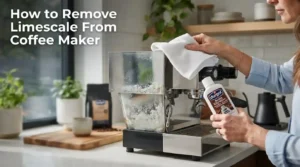
4. Descale The Interior
Mineral deposits inside the tank or pipes can be stubborn. Here’s how to remove them:
- Mix one part white vinegar with two parts water (or follow your manufacturer’s instructions).
- Fill the tank with this solution.
- Let it sit for 30–60 minutes.
- Run the dispenser as if you’re pouring hot water, allowing the solution to flow through all pipes.
- Empty remaining solution, then rinse with fresh water until vinegar smell is gone.
If your dispenser is sensitive to vinegar, use citric acid instead.
5. Clean The Spout And Filters
Use a small brush to scrub the spout where water comes out. If your model has a filter, check the manual. Replace or rinse as needed.
6. Rinse And Dry
Run several cycles of clean water through the dispenser. Make sure all cleaning solution is gone. Dry removable parts before reassembling.
7. Reassemble And Test
Put all parts back in place. Plug in and turn on the dispenser. Run a full cycle to ensure everything works and water tastes clean.
Comparing Cleaning Methods
Different cleaning methods suit different dispenser types. Here’s a quick comparison:
| Method | Best For | Time Needed | Effectiveness |
|---|---|---|---|
| White Vinegar | Standard dispensers | 30-60 min | High |
| Citric Acid | Sensitive tanks | 30-60 min | Medium-High |
| Baking Soda | Odor removal | 10-20 min | Medium |
| Dish Soap | Removable parts | 5-15 min | Low-Medium |
White vinegar is the most widely used and effective for descaling. Citric acid is gentler for units sensitive to acids. Baking soda is helpful if you notice strange smells but doesn’t remove minerals as well.
Signs Your Hot Water Dispenser Needs Cleaning
You don’t always have to wait for a schedule. Look for these signs:
- Cloudy water or white flakes
- Slower heating time
- Strange smells
- Unusual taste
- Visible buildup around spout
If you notice any of these, clean your dispenser right away.
Mistakes Beginners Often Make
Many people think cleaning is simple, but some mistakes can cause problems:
- Using bleach or harsh chemicals – Not safe for drinking water.
- Not rinsing enough – Leftover cleaning solution can cause bad taste.
- Forgetting to clean the spout – Germs often hide here.
- Overlooking filters – Some models have hidden filters that need attention.
- Skipping regular descaling – Mineral buildup can damage the heating element.
Always follow safe cleaning steps and check your manufacturer’s manual.
Data: Hot Water Dispenser Lifespan And Maintenance
Proper cleaning extends your dispenser’s life. Here’s a comparison:
| Maintenance Level | Average Lifespan | Common Issues |
|---|---|---|
| Regular Cleaning | 5–7 years | Minor clogs, easy fix |
| Occasional Cleaning | 3–4 years | Slow heating, odor |
| No Cleaning | 1–2 years | Major breakdown, water quality issues |
Cleaning every 2–4 weeks helps avoid expensive repairs or early replacements.
Practical Tips For Better Cleaning
Some tips make the process easier and more effective:
- Use filtered water if possible. This reduces mineral buildup.
- Clean the spout with a cotton swab for hard-to-reach spots.
- If your dispenser has a digital panel, wipe it gently with a dry cloth.
- For stubborn stains, let vinegar sit longer, but never leave it overnight.
- Always unplug before cleaning to prevent accidents.
Non-obvious insight: If your dispenser has a child safety lock, check around it for grime. These locks can trap dirt and bacteria.
What To Do If Your Dispenser Still Smells Or Tastes Bad
Sometimes, cleaning isn’t enough. If you still notice odors after several rinses:
- Check for hidden mold in the drip tray or filter area.
- Replace filters if needed.
- Try a baking soda rinse: Mix two tablespoons of baking soda in a quart of water, fill the tank, let sit 10 minutes, then rinse.
If problems persist, contact the manufacturer or check their troubleshooting page. For more tips, visit the EPA’s water dispenser guide.

Credit: www.swirecocacolahk.com
Comparing Built-in Vs Countertop Dispensers
Not all hot water dispensers are the same. Built-in units (like in refrigerators) may require special care. Here’s a quick look:
| Type | Cleaning Difficulty | Maintenance Frequency | Filter Replacement |
|---|---|---|---|
| Countertop | Easy | 2–4 weeks | Optional |
| Built-in | Moderate | Monthly | Required |
Built-in models often have more parts and require filter changes. Always check the manual for these units.
Preventing Limescale And Bacterial Growth
To reduce buildup between cleanings:
- Use soft water or filtered water
- Empty the tank if not used for several days
- Store in a dry place away from sunlight
- Clean after any spill or leak immediately
Non-obvious insight: Some dispensers have a self-cleaning mode—run it regularly if available.

Credit: www.reddit.com
Frequently Asked Questions
How Do I Remove Stubborn Limescale From My Hot Water Dispenser?
If regular vinegar doesn’t work, try repeating the descaling process twice. For very tough buildup, use citric acid (follow package instructions). Scrub gently with a bottle brush, but never use metal tools.
Is It Safe To Use Bleach For Cleaning?
No, bleach can leave harmful residues and damage internal parts. Stick to vinegar, citric acid, or baking soda for safe cleaning.
Can I Clean My Hot Water Dispenser With Lemon Juice?
Yes, lemon juice is acidic and can help remove limescale. Mix equal parts lemon juice and water, fill the tank, let sit, then rinse thoroughly. However, it may leave a strong smell, so rinse extra well.
How Often Should I Replace Filters In A Hot Water Dispenser?
Most filters should be replaced every 2–6 months, depending on usage and manufacturer advice. If water smells or tastes odd, replace filters sooner.
What Should I Do If My Dispenser Leaks After Cleaning?
Check all parts are properly reassembled. Look for cracks in the tank or seals. If leaking continues, contact the manufacturer for help.
Cleaning a hot water dispenser may seem simple, but doing it right makes a big difference. Clean regularly, use safe products, and pay attention to hidden spots. Your water will taste better, and your dispenser will last longer. By following these steps, you’ll avoid common mistakes and enjoy safe, hot water every day.