Many people wonder how to clean a kitchen sink drain because it can get yucky fast! Food bits and grease love to hang out there, causing smells and slow drains. It might seem like a tough job, but it’s actually pretty simple for anyone.
We’ll show you easy steps to get your drain flowing freely again and smelling fresh.
Why Kitchen Sink Drains Get Clogged
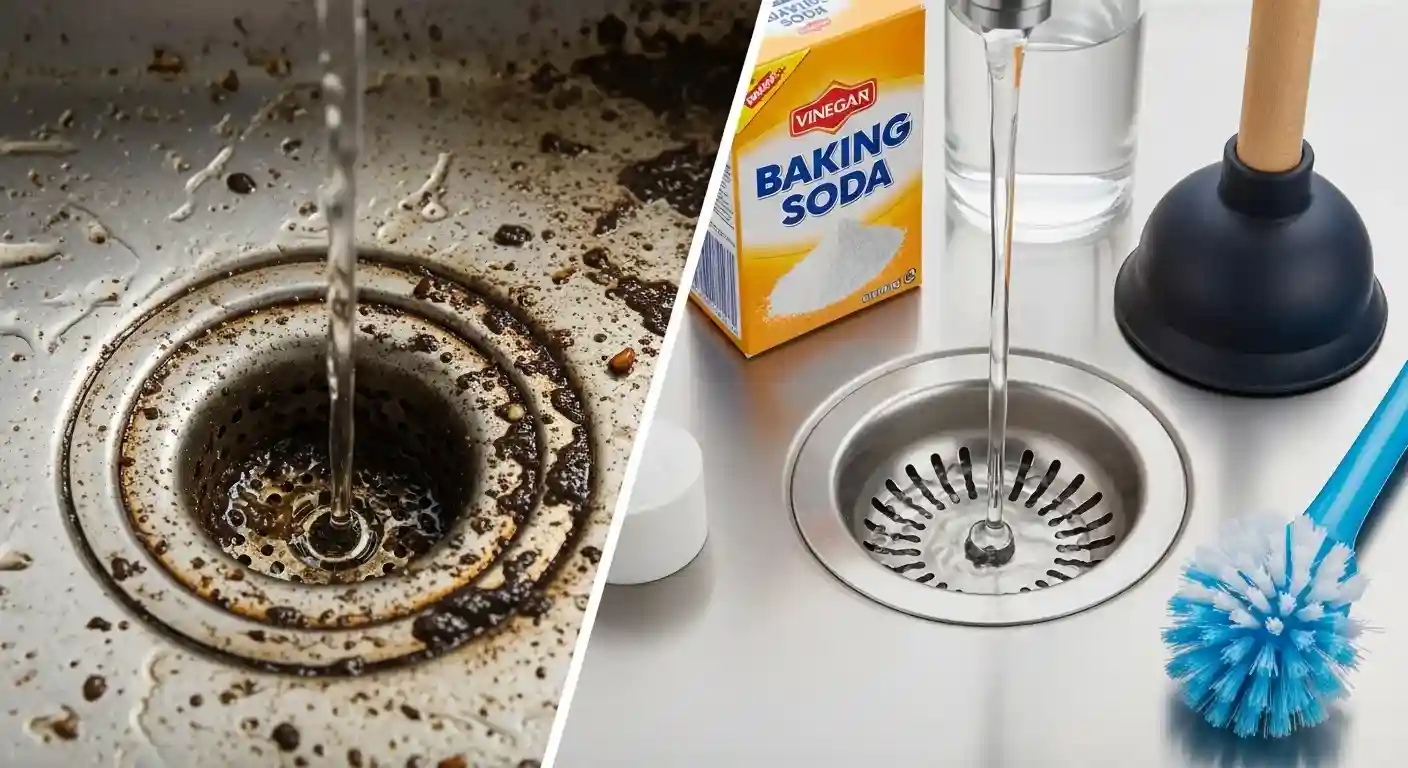
Kitchen sink drains face a daily battle against all sorts of things. Cooking is messy, and bits of food, grease, oil, and soap scum are the usual culprits. When these things go down the drain, they don’t just disappear.
Instead, they stick to the inside of the pipes. Over time, this sticky mess builds up. It can create a barrier that stops water from flowing properly.
This is what causes that annoying slow drain. Sometimes, a complete blockage can happen, making your sink unusable.
Food Scraps are the Main Enemy
Even small food particles can cause big problems. Think about rice, pasta, coffee grounds, and vegetable peels. These items don’t break down easily.
They can get stuck in the drain or the P-trap, which is the U-shaped pipe under your sink. This trapped food starts to smell bad as it decays. It also provides a surface for grease and soap scum to cling to, making the clog worse.
Grease and Oil: Slippery Villains
Pouring hot grease or oil down the sink might seem harmless, but it’s a major cause of clogs. As the grease cools, it solidifies. This hardened grease sticks to the sides of the pipes.
It creates a sticky, thick layer. This layer catches other debris that goes down the drain, like food bits. Eventually, this buildup becomes a solid mass, blocking the pipe completely.
Soap Scum Builds Up Too
Soap, especially bar soap, contains fats and oils. When soap mixes with the minerals in your water, it forms soap scum. This scum is sticky and can cling to pipe walls.
Like grease, soap scum traps other particles. It adds to the overall buildup in your drain. The more you use your sink, the more soap scum can form.
Simple Methods for a Clean Drain
Don’t worry if your sink is draining slowly or smelling a bit funky. There are many easy ways to tackle this common problem. You don’t need fancy tools or harsh chemicals.
We’ll go through some effective methods using things you likely already have at home. These methods are safe for your pipes and good for the environment.
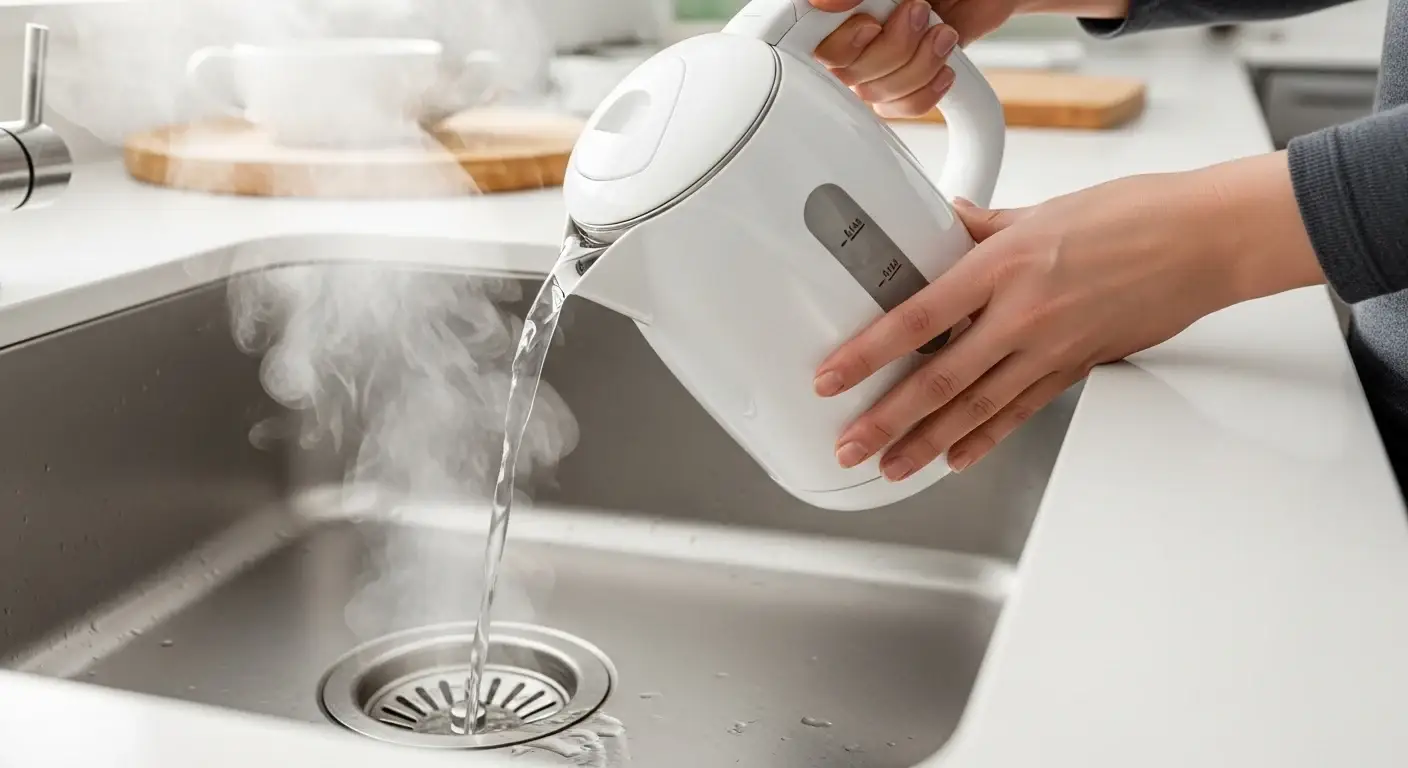
The Boiling Water Method
This is the simplest and often most effective first step for minor clogs. Hot water can help to melt away grease and loosen up sticky buildup.
- Boil a kettle full of water.
- Carefully pour the boiling water directly down the drain opening. Do this in stages.
- Wait a few minutes for the hot water to work.
- Run your tap water to see if the drain is flowing better.
You might need to repeat this a few times for stubborn grease. Be careful when handling boiling water.
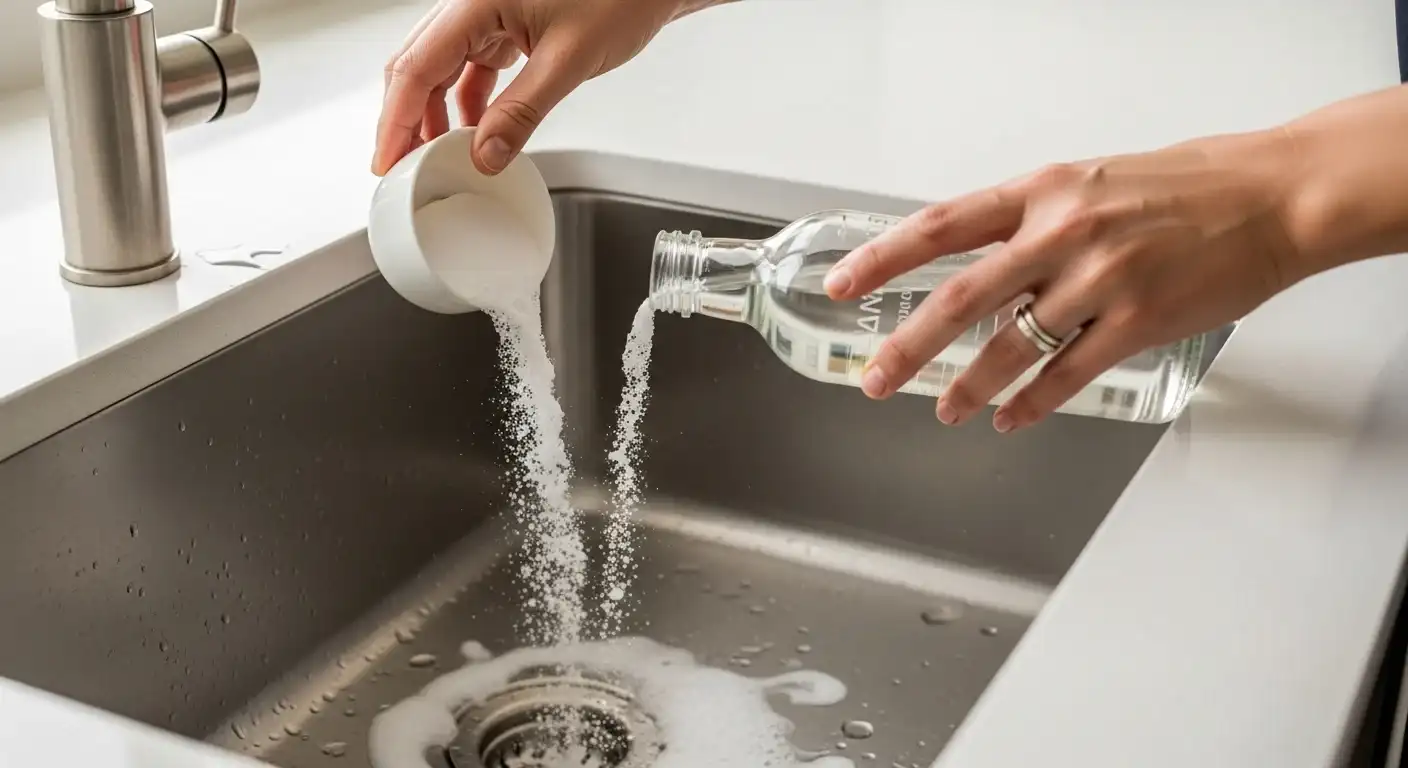
Baking Soda and Vinegar: A Classic Duo
This natural cleaning combination is a popular choice for a reason. The baking soda and vinegar create a fizzy reaction that can break down gunk. It also helps to deodorize your drain.
- Pour about half a cup of baking soda down the drain.
- Next, pour half a cup of white vinegar.
- Immediately cover the drain opening with a stopper or a damp cloth. This traps the fizzing action inside the pipes.
- Let it sit for about 15-30 minutes. You’ll hear it fizzing!
- After it has sat, remove the cover and flush the drain with hot water.
This method is great for regular maintenance to prevent clogs from forming.
Salt and Baking Soda for Extra Power
Adding salt to the baking soda and vinegar mixture can boost its cleaning power. The salt acts as a mild abrasive.
- Mix half a cup of baking soda with half a cup of salt.
- Pour this mixture down the drain.
- Let it sit for at least 30 minutes, or even overnight for tougher jobs.
- After it has sat, pour a kettle of boiling water down the drain to flush it clean.
This is a good option when you need a bit more scrubbing action.
Using a Plunger
A plunger is a simple tool that uses suction and pressure to dislodge clogs. It’s very effective for more stubborn blockages that don’t respond to other methods.
- Make sure there’s enough water in the sink to cover the rubber cup of the plunger.
- Create a tight seal by placing the plunger over the drain opening.
- Pump the plunger up and down vigorously for about 20-30 seconds.
- Lift the plunger quickly to break the seal and hopefully pull the clog free.
- Run water to test if the drain is clear.
You may need to repeat this process several times. If you have a double sink, block off the other drain opening with a wet cloth or stopper while plunging.
The Drain Snake or Auger
For clogs that are deeper in the pipe or very stubborn, a drain snake (also called a plumbing auger) is your best bet. This is a flexible metal cable that you can feed into the drain to physically break up or pull out the clog.
- Insert the end of the snake into the drain opening.
- Slowly feed the cable down the pipe, turning the handle as you go.
- When you feel resistance, you’ve likely hit the clog. Continue to turn the handle and push gently. This will either break up the clog or hook onto it.
- Once you think you’ve cleared it, slowly pull the snake back out, bringing the debris with it.
- Flush the drain with hot water.
Drain snakes can be purchased at most hardware stores. They are a very useful tool to have around the house.
Cleaning the P-Trap
The P-trap is the curved pipe directly under your sink. It’s designed to hold water to prevent sewer gases from coming up into your home, but it’s also a common place for clogs to form.
- Place a bucket or pan underneath the P-trap to catch any water or debris.
- Use pliers or a wrench to loosen the slip nuts on either side of the P-trap.
- Carefully remove the P-trap.
- Empty its contents into the bucket. Clean out any gunk with a brush or an old cloth.
- Reattach the P-trap, making sure the slip nuts are tightened securely.
- Run water to check for leaks and ensure the drain is flowing freely.
This method requires a little more effort but is very effective for clogs located in this specific area.
Preventing Future Clogs
Keeping your kitchen sink drain clean is much easier if you prevent clogs from happening in the first place. A little bit of care goes a long way in avoiding those frustrating backups and smells.
Scrape Plates Before Rinsing
This is perhaps the most important habit. Before you put dirty dishes in the sink or rinse them, scrape off any food scraps into the trash or compost bin. This small step significantly reduces the amount of solid waste going down your drain.
Avoid Pouring Grease Down the Drain
Never pour cooking grease, oil, or fats down your kitchen sink. Instead, let them cool and solidify, then scrape them into the trash. You can also pour liquid grease into an old can or container and dispose of it once it hardens.
Use a Sink Strainer
A sink strainer is a simple, inexpensive mesh basket that sits in your drain opening. It catches food particles and other debris, preventing them from going down the pipes. Empty the strainer into the trash regularly.
Run Hot Water Regularly
Even when your sink isn’t clogged, running hot water for a minute or two after washing dishes can help flush away any small amounts of grease or soap scum that might be clinging to the pipes. Doing this daily or every other day can be very beneficial.
Occasional Maintenance
Commit to a regular drain cleaning routine. Once a month, use the baking soda and vinegar method or pour boiling water down the drain. This proactive approach keeps buildup from accumulating and saves you from dealing with bigger problems later.
Frequently Asked Questions
Question: How often should I clean my kitchen sink drain?
Answer: It’s a good idea to do a light cleaning, like pouring hot water or using the baking soda and vinegar method, at least once a month. If you notice slow draining or odors, clean it more often.
Question: Can I use commercial drain cleaners?
Answer: While commercial drain cleaners can work, they are often harsh and can damage your pipes over time. It’s generally better to use natural methods first, as they are safer for your plumbing and the environment.
Question: What should I do if none of these methods work?
Answer: If you’ve tried several methods and your drain is still clogged, the blockage might be very severe or located further down the main sewer line. In this case, it’s best to call a professional plumber.
Question: Is it safe to put coffee grounds down the drain?
Answer: No, coffee grounds are a common cause of clogs. They don’t break down easily and can accumulate in pipes, especially when mixed with grease. Always dispose of coffee grounds in the trash or compost.
Question: My drain smells bad, but it’s not clogged. What should I do?
Answer: Odors often mean there’s buildup inside the drain pipes. The baking soda and vinegar method is excellent for deodorizing. Pouring boiling water down the drain after can also help wash away residual smells.
Final Thoughts
Keeping your kitchen sink drain clean and free of clogs is a straightforward process. By using simple, natural methods like boiling water and baking soda with vinegar, you can easily maintain a clear and fresh-smelling drain. Remember to scrape food scraps and avoid pouring grease down the drain.
These preventative steps will save you time and trouble. You’ve got this!

I’m Loretta Evans, and I lead the Rice Cooker and Kitchen Tools section. I test every product in real home kitchens to see how it truly performs in everyday use.
My goal is simple: to give you clear, honest advice so you can choose reliable tools that make cooking easier.