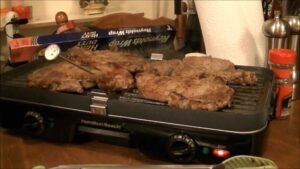
Keeping your non stick electric griddle clean is essential if you want delicious food, long-lasting cookware, and a safe kitchen. A lot of people think cleaning an electric griddle is tricky or risky. The truth is, with the right steps, it’s easier than you might imagine. In this guide, you’ll discover not just how to clean your griddle, but also how to avoid common mistakes that can ruin the non-stick coating or even the heating element. Whether you use your griddle for pancakes, bacon, or grilled cheese, these methods will keep it looking new and working well.
Why Cleaning A Non Stick Electric Griddle Matters
A clean griddle isn’t just about looks. When grease and food bits build up, they can burn and create smoke or strange flavors. A dirty surface can also make food stick, even on non-stick coatings. Over time, leftover oil and grime can damage the surface, making the non-stick feature less effective. Plus, bacteria and mold can grow if the griddle isn’t cleaned well, especially around the edges and drip tray.
Some people think a quick wipe with a paper towel is enough. While that helps after each use, it doesn’t prevent buildup. Deep cleaning, done correctly, protects your investment and keeps your meals safe.
What You Need Before You Start
Before cleaning your electric griddle, gather these basic supplies:
- Soft sponge or non-abrasive scrubber
- Mild dish soap
- Microfiber or soft cloth
- Warm water
- Plastic or silicone spatula (for scraping)
- Toothpicks or cotton swabs (for edges and crevices)
- Paper towels
- Optional: Baking soda (for tough stains)
- Optional: White vinegar (for odor removal)
Never use steel wool, metal brushes, or harsh chemicals. These can scratch or destroy the non-stick surface.

Credit: www.amazon.com
Step-by-step: How To Clean A Non Stick Electric Griddle
1. Turn Off And Unplug
Always make sure the griddle is unplugged and completely cool before cleaning. Even if you’re in a hurry, waiting is safer for you and the appliance. Cleaning while hot can warp the surface or cause burns.
2. Remove Excess Oil And Food
Use a soft spatula to gently scrape off any food bits or crumbs. For large amounts of grease, tilt the griddle and let it drain into a sink or a safe container. Wipe with a paper towel to soak up as much grease as possible.
3. Wash The Cooking Surface
Mix mild dish soap with warm water. Dip your sponge or cloth in the soapy water and gently clean the surface. Move in small circles to lift up stubborn bits. Don’t soak the griddle in water or run it under the faucet, as water can damage the electrical parts.
Common Mistake:
Some people use a lot of water or let it drip into the heating element. Always keep water and soap on the surface only.
4. Tackle Stubborn Stains
If you notice stains or stuck-on food, sprinkle a small amount of baking soda on the area. Add a few drops of water to make a paste. Let it sit for 10-15 minutes. Then, use your non-abrasive sponge to scrub gently.
This method is safe for most non-stick coatings.
5. Clean Edges And Crevices
Food and oil can hide in the edges or where the cooking plate meets the frame. Use a toothpick or cotton swab dipped in soapy water to reach these spots. Take your time—these areas are often missed.
6. Rinse And Wipe Dry
Use a damp cloth (just water, no soap) to remove any soap left behind. Wipe the entire surface, including the edges. Finish with a dry microfiber cloth to prevent water spots and keep the surface shiny.
7. Clean The Drip Tray
Most electric griddles have a removable drip tray that collects grease. Slide it out and wash it with hot, soapy water. Rinse and dry before putting it back.
8. Final Check
Look over the griddle for any missed spots. Make sure the surface is dry before storing or plugging it back in.
How Often Should You Clean Your Electric Griddle?
Cleaning frequency depends on how often you use your griddle and what you cook. Here’s a general guide:
| Usage | Recommended Cleaning |
|---|---|
| After Each Use | Quick wipe with sponge and soap, remove grease |
| Weekly (Frequent Use) | Deep clean with baking soda if needed |
| Monthly (Occasional Use) | Full clean including drip tray and crevices |
If you notice smoke or strange smells, it’s a sign that your griddle needs a deeper clean.

Credit: www.reddit.com
Comparing Non Stick Griddles: Ease Of Cleaning
Not all non stick electric griddles are the same. Some have removable plates or dishwasher-safe parts, while others do not. Here’s a quick comparison:
| Type | Cleaning Method | Difficulty Level |
|---|---|---|
| Fixed Plate | Wipe and hand-wash only | Medium |
| Removable Plate | Dishwasher or sink wash | Easy |
| Integrated Drip Tray | Tray slides out for washing | Easy |
If you plan to buy a new griddle, consider one with removable, dishwasher-safe parts for the easiest cleaning.
Mistakes To Avoid When Cleaning A Non Stick Electric Griddle
Many griddles lose their non-stick power because of cleaning errors. Be careful to avoid these:
- Using metal tools: These can scratch and ruin the non-stick surface.
- Letting water get into the electronics: Even a small amount can cause electrical failure.
- Not cleaning after every use: This allows oil to harden and bacteria to grow.
- Scrubbing with harsh cleaners: Strong chemicals or scouring pads break down the coating.
- Reassembling while wet: Moisture can encourage mold or damage electrical parts.
One non-obvious insight: Even “gentle” scrubbing with old sponges can scratch non-stick if they have food grit stuck in them. Always use a fresh or well-rinsed sponge.
Natural Cleaning Options
If you prefer to avoid commercial cleaners, try a mix of baking soda and white vinegar. This can safely remove odors and mild stains without harming the non-stick surface. Just remember to rinse well and dry completely.
How To Deodorize A Griddle
Sometimes, a non stick griddle will hold on to smells from onions, fish, or spices. To remove these odors, fill a small bowl with white vinegar. Place it on the griddle (turned off and unplugged) overnight. In the morning, wipe the surface with a damp cloth.
The vinegar will absorb most food smells.
Protecting The Non Stick Surface For Longer Life
Proper cleaning is just one part of caring for your griddle. Here are extra tips to keep the non-stick surface working for years:
- Avoid cooking sprays with propellants, as they can leave a sticky residue.
- Use only wooden, silicone, or plastic utensils.
- Never cut food directly on the griddle.
- Do not stack heavy items on top when storing.
- Store in a cool, dry place to avoid humidity damage.
Some griddles are labeled “dishwasher safe. ” Still, hand washing will always extend the life of the non-stick surface.
What To Do If Food Starts Sticking
If you notice that food sticks more than before, first check for scratches or worn areas. Sometimes, a deep clean with baking soda can help. But if the coating is flaking or badly scratched, it’s time to replace the griddle. Non-stick coatings can wear out, and cooking on a damaged surface isn’t safe.
When To Replace Your Non Stick Electric Griddle
A good electric griddle can last many years with proper care. Still, look for these signs that it’s time to buy a new one:
- Large scratches or flaking coating
- Uneven heating or hot spots
- Electrical problems or exposed wires
- Persistent odors or stains that won’t wash out
Investing in a good-quality griddle with a durable non-stick coating pays off in the long run.
Electric Griddle Cleaning Myths
Some cleaning tips you hear might do more harm than good. Here are a few myths to avoid:
- “You can put all griddles in the dishwasher.” Only those with removable, dishwasher-safe parts.
- “Hot water alone is enough.” Soap is needed to break down grease.
- “Letting it soak in water cleans better.” This can destroy the electrical parts.
- “Any sponge is safe.” Some sponges have rough sides that will scratch.
- “Cooking oil always protects the non-stick surface.” Too much oil can build up and bake on.
If you’re ever unsure, check the manufacturer’s instructions for your specific model.

Credit: www.reddit.com
Quick Reference: Cleaning Steps And Tools
Here’s a summary for busy days:
| Step | Tool/Material | Purpose |
|---|---|---|
| Remove Food & Oil | Spatula, paper towels | Clear surface debris |
| Wash Surface | Sponge, mild soap, water | Remove grease and light stains |
| Detail Edges | Toothpick, cotton swab | Clean crevices |
| Deep Clean | Baking soda paste | Stubborn stains |
| Dry & Inspect | Microfiber cloth | Prevent water spots |
Frequently Asked Questions
How Do I Clean A Non Stick Electric Griddle Without Damaging The Coating?
Always use non-abrasive sponges and mild soap. Avoid metal tools and never scrub hard. Let sticky spots soak with baking soda paste instead of scraping.
Can I Put My Electric Griddle In The Dishwasher?
Most electric griddles should not be placed in the dishwasher, especially if they have fixed plates. Only griddles with removable, dishwasher-safe plates can go in. Check your model’s instructions.
Why Does My Griddle Smell Even After Cleaning?
Food odors can remain in the non-stick coating. To fix this, wipe with a vinegar-dampened cloth or leave a bowl of vinegar on the griddle overnight. Persistent odors may mean the coating is worn.
Is It Safe To Use Cooking Sprays On Non Stick Griddles?
Many cooking sprays leave a sticky residue that’s hard to clean. Use a small amount of regular oil spread with a paper towel instead. Avoid sprays with propellants.
How Often Should I Deep Clean My Electric Griddle?
For frequent use, deep clean once a week. For occasional use, once a month is enough. Deep cleaning removes hidden grease and keeps the non-stick surface in good shape.
Keeping your non stick electric griddle clean doesn’t need to be stressful. With gentle methods and regular care, your griddle can serve you for years. For more information about non-stick coatings and safe cleaning, visit Wikipedia’s non-stick surface page. Remember, good cleaning habits mean better-tasting food and a safer kitchen.