Keeping your portable ice maker clean is more important than most people realize. If you use your ice maker for home parties, camping, or daily drinks, you want your ice to taste fresh and stay safe to consume. A dirty ice maker can create ice that smells bad, tastes funny, or even carries bacteria.
Many owners forget that these compact machines need regular care, not just a quick wipe. In this guide, you’ll learn exactly how to clean a portable ice maker step by step, why it matters, and practical tips to keep your ice tasting pure every time.
Why Clean Your Portable Ice Maker?
A portable ice maker pulls water from a tank, freezes it, then drops ice into a small basket. Over time, minerals from water, dust, and even mold can build up inside. This buildup can block water flow, make ice cloudy, or create strange flavors.
Worse, bacteria can grow if you don’t clean the machine often. According to the NSF International, ice machines can be a surprising source of germs if not cleaned regularly. Keeping your unit clean isn’t just about looks—it’s about health and good performance.
How Often Should You Clean?
Most manufacturers recommend cleaning your portable ice maker every 1 to 2 weeks if you use it daily. If you only use it for special occasions, clean it before and after long periods of storage. Hard water areas may require more frequent cleaning due to mineral deposits. Check your machine’s manual for any specific advice, but don’t wait until there’s a problem—regular maintenance prevents most issues.
What You Need To Clean A Portable Ice Maker
Before you start, gather these supplies:
- Mild dish soap (fragrance-free is best)
- White vinegar or ice maker cleaning solution
- Soft sponge or cloth
- Measuring cup
- Clean water
- Small brush (like a toothbrush)
- Dry towel
Never use harsh chemicals or abrasive pads; these can damage the machine and leave residues.
Preparing Your Ice Maker For Cleaning
Start by unplugging your ice maker. Safety comes first—never clean while it’s running. Remove any leftover ice and drain the water tank. Many portable units have a small drain plug at the bottom. Place the machine over a sink or use a towel to catch any spills. Take out any removable parts, such as the ice basket and water reservoir cover.

Credit: www.youtube.com
Step-by-step Cleaning Process
Follow these steps to give your portable ice maker a deep, thorough clean.
1. Clean Removable Parts
Wash the ice basket and any removable lids with warm, soapy water. Rinse well to remove soap. Let these pieces air dry or dry with a clean towel.
2. Wipe The Interior
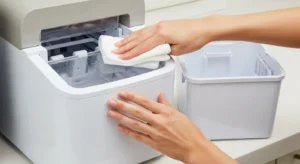
Use a soft, damp cloth or sponge with a few drops of dish soap. Wipe all surfaces inside the ice maker, especially the ice-making tray and walls. Don’t forget the area around the water reservoir. For corners and hard-to-reach spots, use a small brush or toothbrush.
3. Descale The Water System
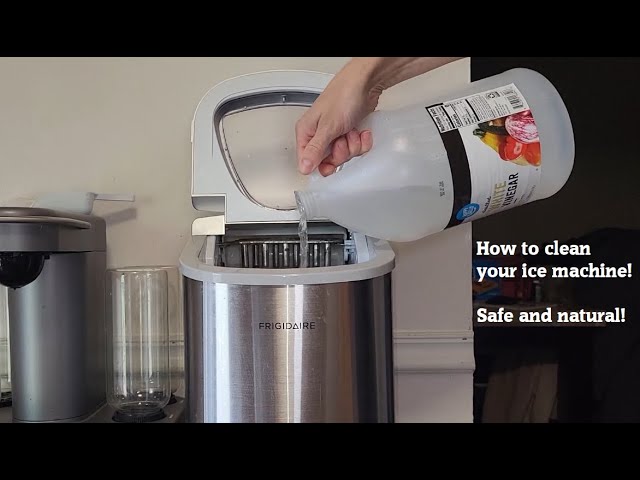
Limescale and mineral deposits can block water flow and harm the machine. Fill the water tank with a mixture of 1 part white vinegar to 1 part water (for example, 1 cup vinegar to 1 cup water). If you prefer, use a commercial ice maker cleaner—check the label for instructions.
Plug the machine back in, and run a complete ice-making cycle. Discard all the ice produced during this cleaning cycle. This helps clean the parts you can’t reach by hand.
4. Rinse Thoroughly
Drain the vinegar or cleaning solution from the machine. Fill the tank with fresh water and run another ice-making cycle. Throw away this batch of ice too. Repeat this rinse process at least twice to remove any vinegar smell or taste.
5. Clean The Exterior
Wipe the outside of the machine with a damp cloth. Pay attention to buttons, handles, and the lid—these can collect fingerprints and grime. Dry the surface with a towel.
6. Dry And Reassemble
After the final rinse, unplug the ice maker and drain all water. Let the machine air dry with the lid open for at least one hour. Put all parts back in place when dry.
Common Mistakes To Avoid
Many people make simple cleaning errors that can cause problems:
- Skipping the rinse: Leaving vinegar or cleaner inside can make your ice taste bad.
- Using harsh chemicals: Bleach and strong cleaners can damage parts and leave unsafe residues.
- Forgetting hidden spots: Mold can grow in corners, under the ice tray, and around seals.
- Not drying fully: Damp machines can attract bacteria and mold.
- Ignoring the manual: Always check for brand-specific cleaning advice.
Signs Your Ice Maker Needs Cleaning
Sometimes, you notice your ice maker is overdue for a clean. Watch for these clues:
- Ice has a cloudy appearance
- Ice smells or tastes odd
- Machine makes loud or strange noises
- Ice cubes are smaller or melt quickly
- Water isn’t draining properly
Any of these signs mean it’s time to clean—even if it’s before your regular schedule.
Cleaning Frequency Comparison
How often you clean depends on how you use your ice maker. Here’s a simple comparison:
| Usage Level | Cleaning Frequency | Reason |
|---|---|---|
| Daily | Every 1-2 weeks | Prevents buildup, keeps ice tasting fresh |
| Occasional (weekly) | Monthly | Less frequent buildup, but still needs regular care |
| Rarely/Seasonal | Before and after storage | Removes stale water, prevents mold growth |
Tips For Long-term Ice Maker Care
Keeping your portable ice maker in good shape takes more than cleaning. Here’s how to extend its life:
- Use filtered or distilled water: This reduces mineral deposits and makes ice clearer and better-tasting.
- Empty the water tank if you won’t use the machine for several days.
- Dry before storage: Never store your ice maker while it’s wet inside.
- Check the air vents: Dust can block airflow and cause overheating. Use a small brush or vacuum to clean vents.
- Inspect for mold: Even if you clean often, check seals and hidden spots for black or green spots.
- Avoid overfilling: Too much water can cause leaks and poor ice production.
When To Use A Cleaning Solution Vs. Vinegar
White vinegar is a popular natural choice, but commercial cleaning solutions are also available. Here’s a quick comparison:
| Option | Pros | Cons | Best For |
|---|---|---|---|
| White Vinegar | Cheap, easy to find, effective on limescale | Strong smell, may need more rinsing | Natural cleaning, light buildup |
| Commercial Cleaner | Designed for ice makers, fast action, low odor | Costs more, must follow instructions carefully | Heavy buildup, convenience |
For most people, white vinegar works well and is safe. If you have hard water or see stubborn buildup, a specialized cleaner can help.
:max_bytes(150000):strip_icc()/how-to-clean-countertop-ice-maker-7564560-step-03-68b913b7181a44e5847f6a9af7c2a2b7.jpg)
Credit: www.thespruce.com
Detailed Example: Cleaning A Popular Model
Let’s say you own a GE Profile Opal portable ice maker. The general steps apply, but this machine has a few unique points:
- The Opal has a side tank and a light that shows when cleaning is needed.
- The manufacturer recommends using the Opal Cleaning Kit or white vinegar.
- After adding vinegar, press the “clean” button and let the cycle finish.
- The Opal’s pump and tube system make rinsing extra important—run fresh water through the cleaning cycle at least twice.
This example shows why reading your model’s manual is always wise. Each brand can have unique features, cleaning modes, or parts you can remove.
Troubleshooting: If Problems Remain After Cleaning
Sometimes, cleaning doesn’t fix everything. If your ice still tastes odd or the machine struggles, try these steps:
- Check water quality: Use filtered water if possible.
- Inspect for leaks: Look for cracks in the water tank or hoses.
- Clean the sensor: Some models have a small sensor that tells the machine when the ice bucket is full. Wipe it gently if ice isn’t being made.
- Reset the machine: Unplug, wait 5 minutes, and plug back in.
If problems continue, contact the manufacturer’s customer support. Don’t open the machine’s internal parts yourself—this can void the warranty or cause damage.
Safety And Storage Tips
Never run your ice maker without water, as this can damage the pump. Always unplug before cleaning. If you store the machine for weeks or months:
- Clean and dry it fully first
- Leave the lid slightly open to prevent odors
- Store in a cool, dry place away from direct sunlight
How A Clean Ice Maker Makes Better Ice
You might be surprised how much cleaning affects ice quality. Clean machines make ice that is:
- Crystal clear (not cloudy or white)
- Harder and slower to melt
- Tasteless and odorless
- Safer for drinks and food
A dirty machine often creates soft, crumbly ice that melts fast and gives drinks a bad aftertaste. Taking the time to clean means you enjoy the best possible ice for every use.
Extra Insight: Hidden Trouble Spots
Beginners often miss the gasket (rubber seal around the lid) and the ice chute (where ice drops out). These places can trap water and grow bacteria. Use a brush and soapy water to clean these spots every time.
Another point: portable ice makers don’t have built-in water filters like large freezers. This means you must be proactive about cleaning—especially if you notice fast buildup.
The Cost Of Neglect
Not cleaning your ice maker can shorten its life and lead to expensive repairs. Limescale can clog pumps, and mold can ruin plastic parts. A well-maintained machine can last 5 years or more with regular cleaning—neglect can cut that in half.
For more information on safe ice handling, see the NSF’s guide.
Credit: www.youtube.com
Frequently Asked Questions
How Do I Know If My Ice Maker Needs Cleaning?
If your ice smells or tastes odd, looks cloudy, or your machine is noisy, it’s time to clean. Even without these signs, clean your portable ice maker every 1-2 weeks for best results.
Can I Use Bleach To Clean My Ice Maker?
No, avoid bleach and strong chemicals. They can damage internal parts and leave unsafe residues. Use white vinegar or a commercial ice maker cleaner instead.
Is It Safe To Put Parts In The Dishwasher?
Most ice baskets and removable lids are safe for hand washing only. Check your user manual—some brands allow top-rack dishwasher cleaning, but many do not.
What Kind Of Water Should I Use In My Ice Maker?
Filtered or distilled water is best. It reduces mineral buildup, keeps ice clear, and extends the life of your machine. Tap water is okay if it’s not too hard.
My Ice Still Tastes Funny After Cleaning. What Should I Do?
Rinse your machine by running two or three full cycles with fresh water. If the taste remains, check for hidden buildup or try a commercial cleaner. Replace the water more often, and clean again if needed.
Taking the time to care for your portable ice maker pays off with better ice, fewer repairs, and a longer-lasting machine. Clean regularly, and you’ll taste the difference in every glass.