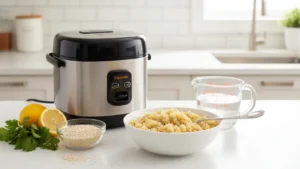
Cooking basmati rice in a rice cooker seems easy, but sometimes it comes out too mushy or a little dry. Many folks wonder about the right water amount or if they need to rinse it first. If you’ve had trouble getting fluffy, separate grains, you’re not alone!
This guide will show you exactly how to cook basmati rice in a rice cooker for perfect results every time. We’ll walk through simple steps to make your rice just right.
Key Takeaways
- You will learn the ideal rice to water ratio for basmati rice.
- Discover the importance of rinsing basmati rice before cooking.
- Understand the simple steps for using your rice cooker.
- Learn about different rice cooker settings and their effects.
- Get tips for perfectly fluffy and separated basmati rice.
- Troubleshoot common issues for consistently good rice.
Mastering Basmati Rice In Your Rice Cooker
Basmati rice is loved for its long grains and amazing aroma. Making it in a rice cooker takes a lot of the guesswork out of cooking. It’s a convenient way to get delicious rice for any meal.
Many people look for tips on how to cook basmati rice in rice cooker because they want to avoid sticky or burnt rice. This post will guide you through the process so you can enjoy perfect basmati rice easily.
Why A Rice Cooker Is Great For Basmati
Rice cookers are fantastic because they heat evenly and keep the rice warm when it’s done. This means you don’t have to stand over the stove watching it. For basmati rice, this is extra helpful.
The grains can be delicate, and a rice cooker helps them cook without breaking apart. It’s a simple appliance that gives you consistent results.
Choosing The Right Rice Cooker
Most standard rice cookers work well for basmati rice. You don’t need a fancy model. A basic one-button cooker will do the job.
Some models have specific settings for white rice, brown rice, or even “fluffy” rice. If yours has a “white rice” setting, that’s usually the best choice for basmati. If not, the standard cook function is perfect.
The Importance Of Rinsing Basmati Rice
Before you even think about how to cook basmati rice in a rice cooker, rinsing is key. Basmati rice is often coated in starch. Rinsing removes this excess starch.
If you don’t rinse, your rice can turn gummy and stick together. You want fluffy, separate grains, and rinsing is the first step to achieving that. It also helps remove any dust or debris.
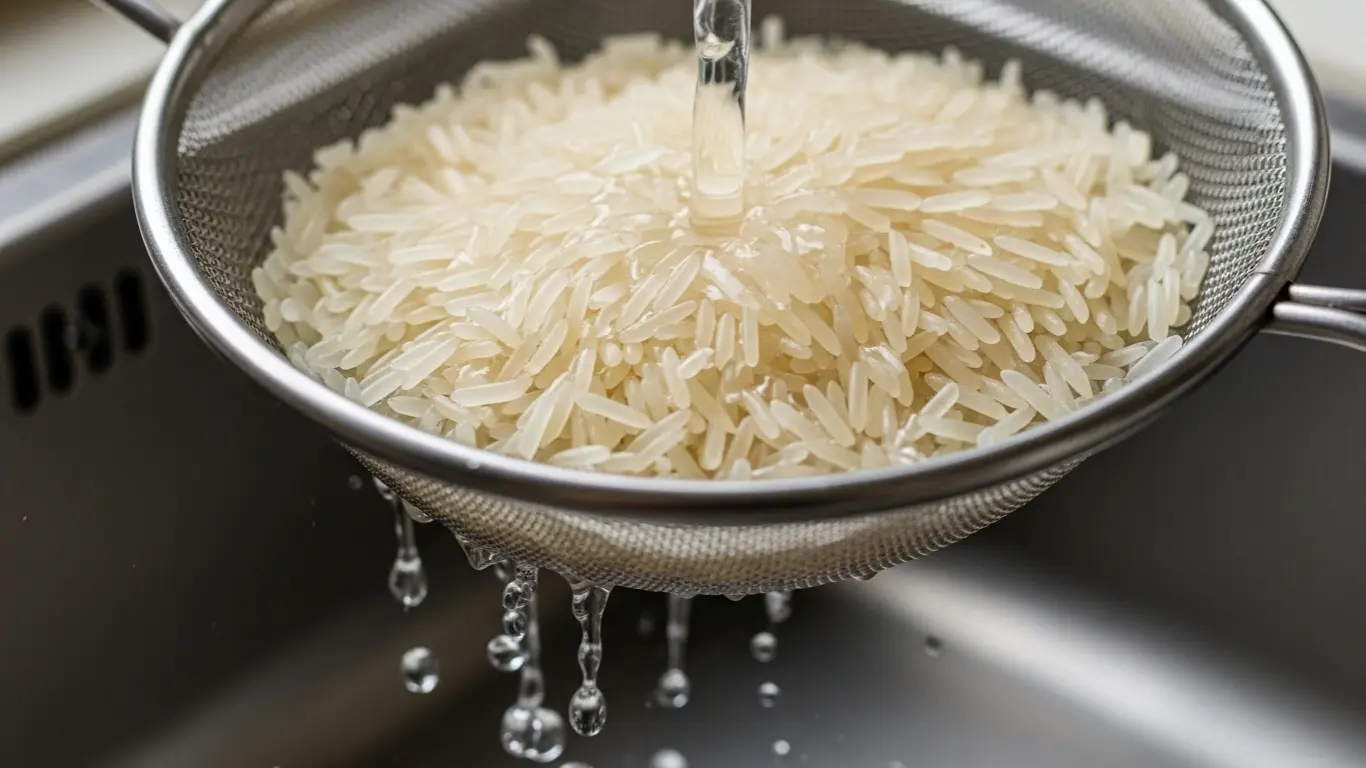
To rinse your rice, place the desired amount in a fine-mesh sieve. Run cool water over it. Gently swirl the rice with your fingers.
Keep rinsing until the water runs mostly clear. This might take a few rinses, depending on the rice.
The Perfect Rice To Water Ratio
Getting the water amount right is super important for how to cook basmati rice in a rice cooker. Too much water and it gets mushy. Too little and it’s hard or dry.
For most white basmati rice, a good starting point is a 1:1.5 ratio. That means 1 cup of rice to 1.5 cups of water. For example, if you’re cooking 2 cups of rice, use 3 cups of water.
Always check the rice cooker’s manual, as some cookers are more efficient and require slightly less water.
Some people prefer using the “finger method.” After rinsing and draining the rice in the cooker pot, place your index finger on top of the rice. The water level should reach just past the first knuckle of your finger. This method works well for many types of rice.
Step-By-Step Cooking Guide
Now let’s get to the actual cooking. Follow these simple steps for perfect results.
- Measure Your Rice: Decide how much basmati rice you need. A standard serving is about half a cup per person, uncooked.
- Rinse Thoroughly: Place the measured rice in a fine-mesh sieve. Rinse under cool running water until the water is clear. Drain well.
- Add Rice and Water to Cooker: Put the rinsed rice into the inner pot of your rice cooker. Add the correct amount of fresh water according to the ratio we discussed (usually 1:1.5 rice to water).
- Optional Additions: For extra flavor, you can add a pinch of salt or a small pat of butter to the water.
- Close and Cook: Place the inner pot into the rice cooker. Close the lid securely. Plug in the rice cooker and select the “white rice” or “cook” setting.
- Let It Rest: Once the rice cooker beeps or switches to the “warm” setting, resist the urge to open it immediately. Let the rice steam for about 10-15 minutes. This helps the moisture distribute evenly.
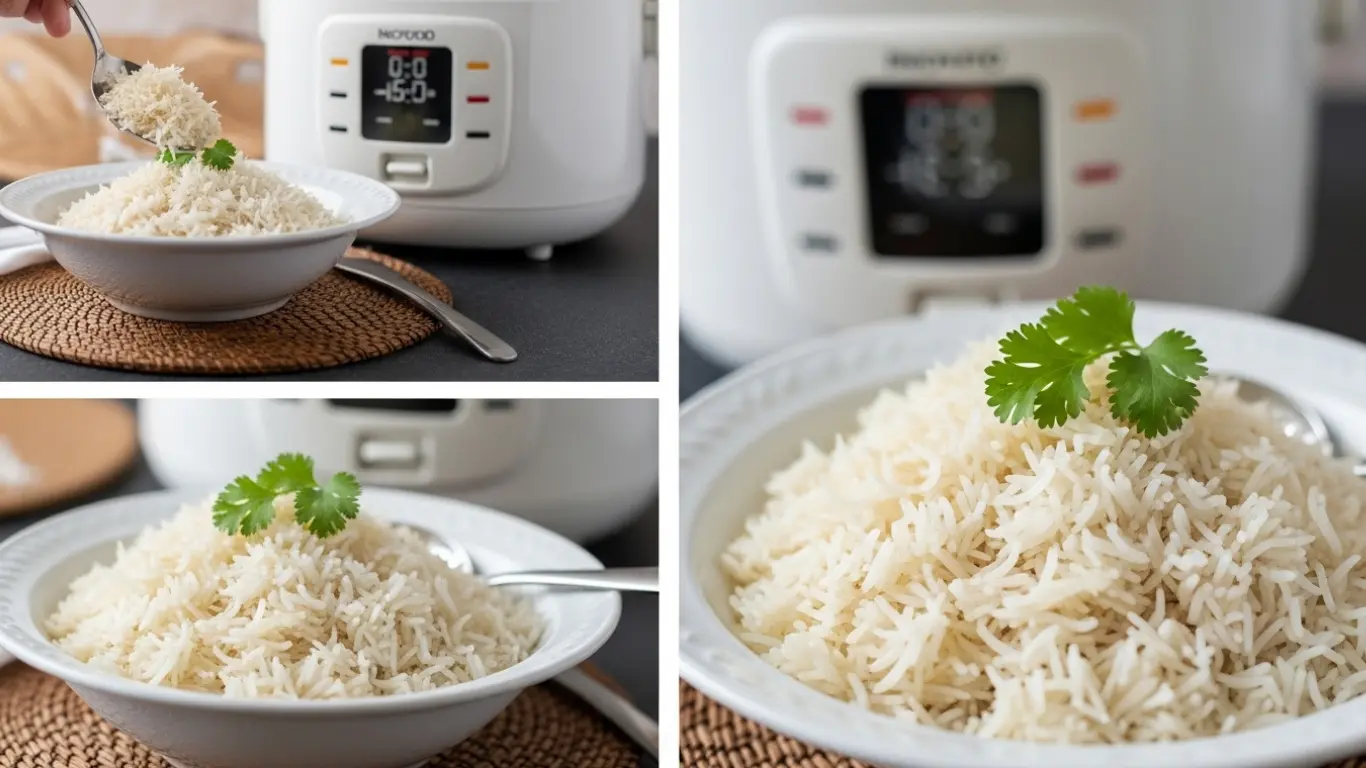
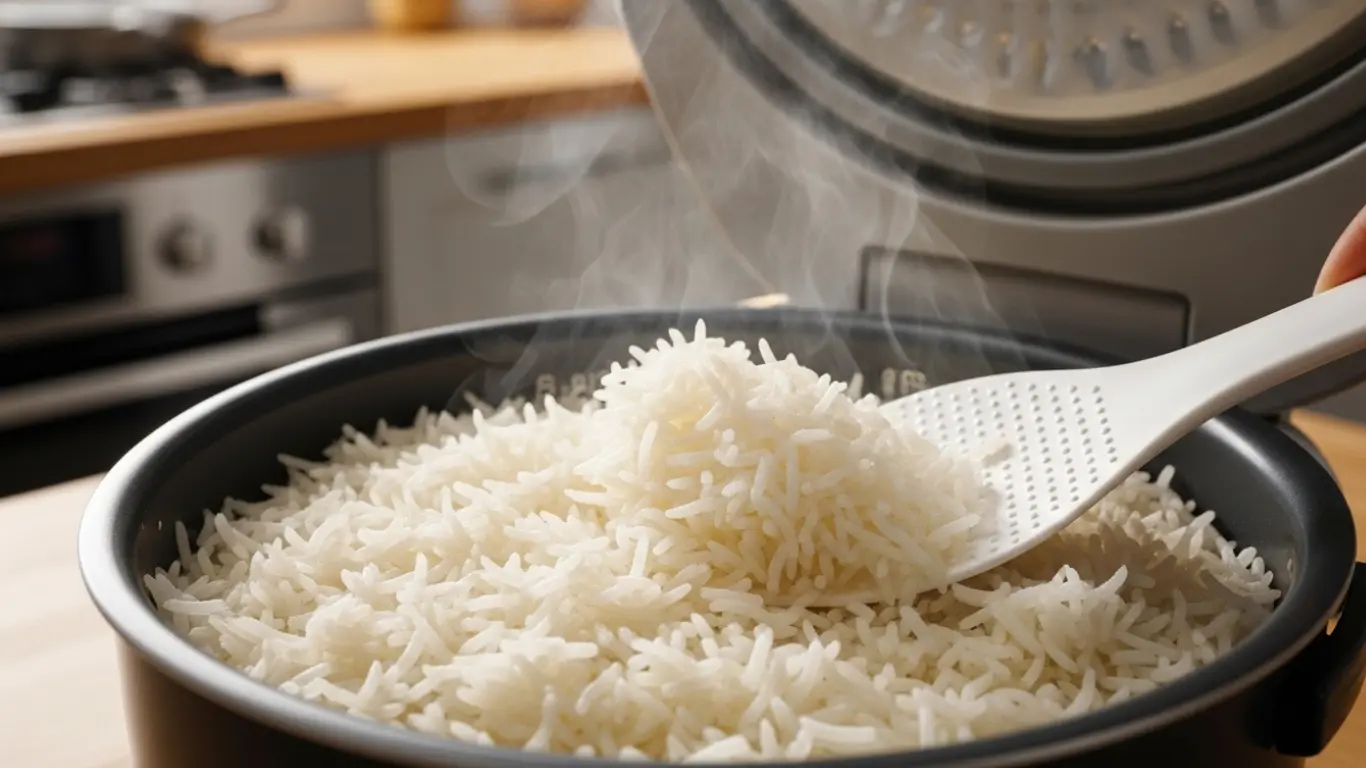
- Fluff and Serve: Open the lid. Use a rice paddle or fork to gently fluff the rice. This separates the grains. Your perfect basmati rice is now ready to serve!
Understanding Your Rice Cooker Settings
Most rice cookers have a few basic settings. Knowing what they do can help you get the best results when you’re learning how to cook basmati rice in a rice cooker.
- Cook/White Rice: This is the standard setting for white grains like basmati. It heats the water to boiling and then maintains that temperature until the water is absorbed.
- Warm: This setting keeps the rice at a safe temperature without overcooking it. It’s useful if you’re not serving the rice right away.
- Delay Start (if applicable): Some cookers let you set them to start cooking later. This is handy for meal prepping.
- Brown Rice Setting (if applicable): This setting usually cooks at a slightly lower temperature for a longer time to properly cook tougher brown grains. It’s generally not needed for basmati.
For basmati, sticking to the “Cook” or “White Rice” setting is usually all you need.
Tips for Extra Fluffy Basmati Rice
Want your basmati rice to be extra special? Here are a few extra tips to elevate your cooking.
- Use Good Quality Rice: Different brands can have slightly different starch content. Experiment to find one you like.
- Don’t Overcrowd the Pot: Always leave some space at the top of the rice cooker pot. Rice expands as it cooks.
- Avoid Lifting the Lid Early: As mentioned, letting it rest is crucial. This is where the magic happens to make it fluffy.
- Fluff Gently: When you fluff, use a light touch. You don’t want to mash the grains.
Troubleshooting Common Problems
Even with a rice cooker, sometimes things go slightly wrong. Here’s how to fix them.
- Mushy Rice: This usually means too much water was used, or the rice wasn’t rinsed well. For the next batch, reduce the water by a tablespoon or two.
- Hard or Undercooked Rice: This typically means not enough water. Add a few tablespoons of water, stir gently, and run the cooker on the “cook” setting again. You might need to do this a couple of times.
- Burnt Rice at the Bottom: This can happen if the water runs out too quickly or if there’s too little water. Ensure you’re using the right ratio and that your cooker is functioning correctly. A thin layer of burnt rice can sometimes be scraped off if the rest is fine.
Frequently Asked Questions
Question: Do I need to soak basmati rice before cooking it in a rice cooker
Answer: No, soaking is not typically necessary for basmati rice when using a rice cooker. Rinsing is more important for removing excess starch and achieving fluffy grains.
Question: How long does it take to cook basmati rice in a rice cooker
Answer: The cooking time varies depending on the rice cooker model, but it usually takes about 20-30 minutes for the cooking cycle. After that, an additional 10-15 minute rest period is recommended.
Question: Can I cook brown basmati rice in a regular rice cooker
Answer: Yes, you can, but it may require more water and a longer cooking time. Some rice cookers have a specific “brown rice” setting, which is ideal if available.
Question: How much basmati rice can I cook at once
Answer: Check your rice cooker’s maximum fill line. It’s best to avoid filling it more than two-thirds full to allow for expansion during cooking.
Question: Why does my rice cooker leave water at the bottom after cooking
Answer: This is normal. The “warm” setting is designed to keep the rice at a serving temperature, and a small amount of residual liquid might remain.
Final Thoughts
You’ve learned exactly how to cook basmati rice in rice cooker. Remember to rinse your rice well and use the right water ratio, usually 1 part rice to 1.5 parts water. Let it rest after cooking.
Fluff gently. With these simple steps, you’ll get perfect, fluffy basmati rice every time.

I’m Loretta Evans, and I lead the Rice Cooker and Kitchen Tools section. I test every product in real home kitchens to see how it truly performs in everyday use.
My goal is simple: to give you clear, honest advice so you can choose reliable tools that make cooking easier.