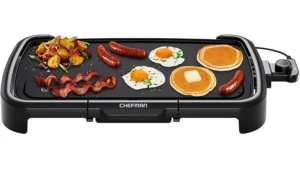
Cooking eggs may sound simple, but making them on an electric griddle brings new possibilities. Whether you want fluffy scrambled eggs, crispy fried eggs, or perfect omelets, an electric griddle gives you control and space. This guide will walk you through everything you need to know about cooking eggs on an electric griddle, from choosing the right settings to advanced tips even many home cooks miss. If you’ve never tried eggs on a griddle before, you’ll be surprised at how easy it is to get restaurant-quality results at home.
Why Use An Electric Griddle For Eggs?
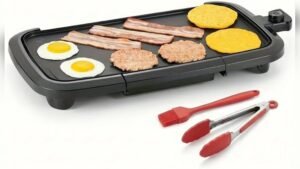
Many people think a regular pan is best for eggs, but an electric griddle offers real advantages:
- Large cooking surface: You can cook several eggs at once, perfect for families or meal prep.
- Even heat: Griddles maintain steady temperature, preventing hot spots that burn eggs.
- Easy clean-up: Non-stick surfaces make it simple to wipe away leftover egg.
The low sides of a griddle also make it easy to flip eggs, add fillings, or serve directly from the surface.
Getting Started: Choosing And Preparing Your Electric Griddle
Before you start cooking, it’s important to have the right equipment and prepare it properly.
Picking The Right Griddle
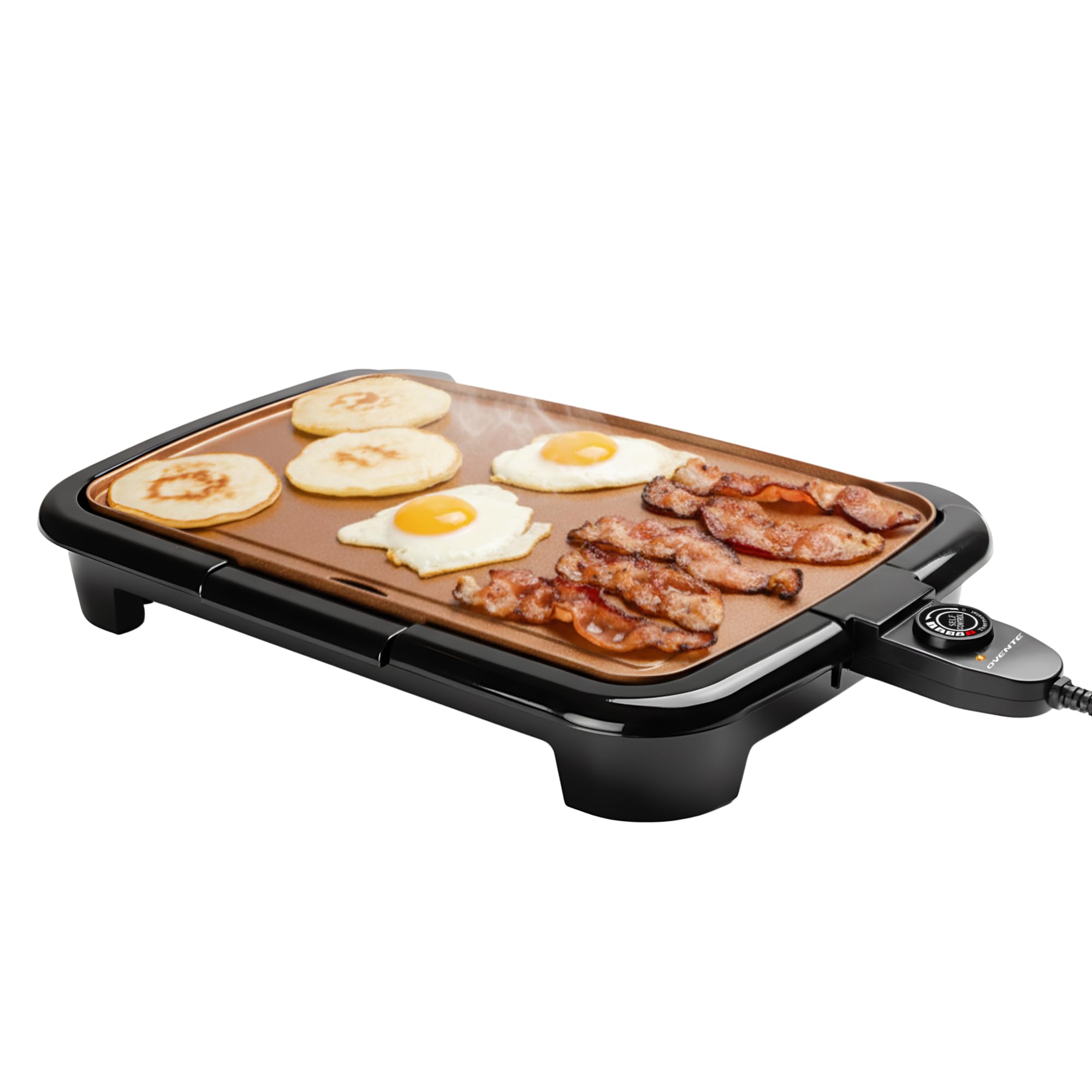
Not all electric griddles are equal. Look for these key features:
- Non-stick surface: Easier for eggs, less oil needed
- Temperature control: Allows precise heat for delicate foods
- Size: For families or meal prep, a larger griddle saves time
Some griddles have a built-in drip tray, which helps collect extra oil or butter.
Prepping The Griddle
- Clean the surface: Wipe away dust or old oil before heating.
- Preheat: Turn the griddle to the recommended temperature (see next section).
- Add fat: Use butter, oil, or cooking spray to prevent sticking. Butter gives a rich flavor but can burn at high heat; oils like canola or avocado have higher smoke points.
Credit: www.amazon.com
Understanding Temperature Settings
The right temperature is key for perfect eggs. Too hot, and eggs burn or turn rubbery. Too cool, and they stick or cook unevenly.
| Egg Style | Recommended Griddle Temp (°F) | Notes |
|---|---|---|
| Scrambled | 275-300 | Gentle heat keeps eggs creamy |
| Fried | 325-350 | Higher heat gives crispy edges |
| Omelet | 300-325 | Medium heat prevents overcooking |
| Sunny-side up | 275-300 | Low heat for soft yolk |
Tip: If your griddle doesn’t show exact temperatures, start on low-medium and adjust based on how the eggs cook.
How To Cook Scrambled Eggs On An Electric Griddle
Scrambled eggs are simple but can go wrong if you rush or use the wrong technique. Here’s how to get them just right:
Ingredients
- 4 large eggs
- 2 tablespoons milk or cream (optional for creaminess)
- 1 tablespoon butter or oil
- Salt and pepper to taste
Instructions
- Crack eggs into a bowl. Add milk or cream for a softer texture.
- Whisk well until yolks and whites are fully mixed. This adds air for fluffier eggs.
- Preheat griddle to 275-300°F. Add butter or oil and let it melt.
- Pour eggs onto the griddle. Let them sit for about 30 seconds.
- Gently stir with a spatula, pushing eggs from the edges to the center. Don’t overmix; larger curds mean softer eggs.
- Cook until just set (about 2-3 minutes). Eggs will keep cooking from residual heat, so remove when slightly underdone.
- Season with salt and pepper. Serve right away.
Pro tip: For extra flavor, add shredded cheese or herbs just before the eggs finish cooking.
How To Cook Fried Eggs On An Electric Griddle
Fried eggs are a breakfast classic, but the griddle makes them easy for everyone. Here’s how to get them sunny-side up or over-easy:
Ingredients
- 2 large eggs
- 1 tablespoon oil or butter
- Salt and pepper
Instructions
- Preheat griddle to 325-350°F.
- Add oil or butter and let it heat until shimmering (oil) or foamy (butter).
- Crack eggs directly onto the griddle, keeping the yolks whole.
- Cook without moving for 2-3 minutes, until whites are mostly set.
- For sunny-side up, cover eggs with a lid or metal bowl to help cook the top.
- For over-easy, gently flip with a spatula and cook for 30 seconds more.
- Season with salt and pepper. Serve immediately.
Common mistake: Using high heat can burn the bottom before the white sets. Keep the heat medium-high for even cooking.
How To Make Omelets On An Electric Griddle
Omelets are easy to make on a griddle because of the space and even heat. You can add fillings without worrying about spilling.
Ingredients
- 3 large eggs
- 2 tablespoons milk or water
- 1 tablespoon butter or oil
- Fillings: Cheese, ham, vegetables, herbs
- Salt and pepper
Instructions
- Beat eggs with milk or water until well mixed.
- Preheat griddle to 300-325°F. Add butter or oil.
- Pour eggs onto the griddle, forming a circle or oval.
- Let eggs set for 1-2 minutes. When bottom is set but top is soft, add fillings on one half.
- Fold omelet in half with a spatula. Cook 30 seconds more.
- Slide omelet onto a plate. Season and serve.
Non-obvious insight: Warm your fillings (like vegetables or meat) before adding. Cold fillings can cool the eggs and make the omelet watery.

Credit: www.wincous.com
Cooking Boiled Or Poached Eggs On A Griddle: Is It Possible?
You cannot make boiled eggs on a griddle, since water is needed. However, you can do a version of poached eggs:
- Use a metal ring (like a biscuit cutter) on the griddle.
- Crack egg into ring and add a tablespoon of water.
- Cover with a lid to trap steam.
- Cook 2-3 minutes, until whites are set.
The result is similar to poached eggs, with a tender white and soft yolk.
Comparing Egg Cooking Methods: Griddle Vs. Pan Vs. Oven
To see why the electric griddle stands out, here’s a comparison:
| Method | Pros | Cons |
|---|---|---|
| Electric Griddle | Even heat, cook many eggs, easy to flip | Needs counter space |
| Frying Pan | Quick setup, good for 1-2 eggs | Small surface, uneven heat on cheap pans |
| Oven | Good for baked egg dishes | Slow, less control, not for fried or scrambled |
Most home cooks find the griddle gives them better results, especially for feeding groups.

Credit: www.amazon.com
Cleaning And Maintaining Your Electric Griddle
Taking care of your griddle ensures it lasts and keeps food tasting great.
- Unplug and cool down: Never clean a hot or plugged-in griddle.
- Wipe with damp cloth: Remove oil and egg residue right away.
- Use soapy water: For stuck bits, use a soft sponge and mild dish soap.
- Avoid metal tools: Metal can scratch the non-stick surface. Use silicone or plastic spatulas.
- Empty drip tray: If your griddle has one, don’t forget to clean it.
Advanced tip: Every few weeks, “season” your griddle by rubbing a thin layer of oil on the surface and heating it. This helps maintain non-stick quality.
Troubleshooting: Common Egg Griddle Problems
Even with good equipment, things can go wrong. Here are common issues and how to fix them:
- Eggs stick: Surface not hot enough or not enough fat. Always preheat and add oil/butter.
- Brown edges, raw center: Griddle too hot. Lower temperature for even cooking.
- Rubbery eggs: Overcooked. Remove from heat before fully set.
- Eggs spread too thin: Surface too slick or griddle not level. Use less oil and check placement.
Creative Egg Dishes To Try On Your Griddle
Beyond basics, use your griddle for fun egg recipes:
- Egg sandwiches: Cook eggs in ring molds, add cheese and ham, place between bread.
- Breakfast quesadillas: Scramble eggs, add cheese and salsa, fold into tortillas on the griddle.
- Egg-in-a-hole: Cut a hole in bread, place on griddle, crack egg into the hole, cook both sides.
- Sheet pan eggs: Pour a thin layer of beaten eggs over the whole griddle, top with veggies and cheese, cut into squares for meal prep.
These ideas make breakfast more interesting, and the griddle’s space helps cook for many people at once.
Nutritional Facts: Eggs Made Easy
Eggs are full of protein, vitamins, and healthy fats. Here’s a quick glance at what one large egg provides:
| Nutrient | Amount per Large Egg |
|---|---|
| Calories | 70 |
| Protein | 6g |
| Fat | 5g |
| Vitamin B12 | 9% Daily Value |
| Choline | 27% Daily Value |
Eggs also have antioxidants like lutein and zeaxanthin for eye health.
Two Common Beginner Mistakes With Griddle Eggs
Many first-timers make these errors:
- Not letting the griddle heat fully: Starting too soon leads to sticking and uneven cooking. Always wait until the griddle is at the right temp.
- Crowding the surface: Cooking too many eggs at once lowers the temperature and causes uneven results. Give each egg space.
Expert Tips For Better Griddle Eggs
- Use room temperature eggs for better texture and faster cooking.
- Try flavored butters or oils (like garlic or chili-infused) for unique taste.
- Pre-warm serving plates so eggs don’t get cold quickly.
If you want more inspiration, check out egg cooking science at Exploratorium.
Cooking eggs on an electric griddle is easy once you know the basics. With the right temperature, a bit of practice, and some creativity, you’ll enjoy perfect eggs every time. The griddle’s large surface and even heat make it a valuable tool for quick breakfasts or bigger family meals.
Try new recipes, experiment with flavors, and soon you’ll be the egg expert in your kitchen.
Frequently Asked Questions
How Do I Stop Eggs From Sticking To My Electric Griddle?
Make sure the griddle is preheated and use enough butter or oil. Even a non-stick surface needs a bit of fat. If eggs still stick, your griddle may be scratched or not hot enough before cooking.
What Is The Best Oil Or Fat For Eggs On A Griddle?
Butter gives great flavor but can burn at high heat. Canola, avocado, or sunflower oil are good choices for higher temperatures. Use oil for fried eggs and butter for scrambled or omelets.
Can I Cook More Than One Type Of Egg At The Same Time?
Yes, the large surface of a griddle lets you cook different styles at once, like fried and scrambled. Just separate the eggs and adjust the heat zones if your griddle allows.
How Do I Clean Eggs Stuck On The Griddle?
Let the griddle cool, then soak the area with warm soapy water for a few minutes. Use a non-scratch sponge to remove any bits. Avoid metal tools to protect the non-stick surface.
Is Cooking Eggs On A Griddle Healthier Than A Pan?
Eggs cooked on a griddle often need less oil than in a pan, especially if the surface is non-stick. You also have more control over temperature, which can help keep nutrients intact. However, nutrition mostly depends on what you add to the eggs, not the cooking method.