Cooking frozen food in the microwave is a fast and practical solution for busy people. It saves time, reduces hassle, and lets you enjoy a meal without much preparation. Yet, many people wonder if it is safe, how to do it correctly, and what mistakes to avoid.
If you want to cook frozen food in the microwave without losing flavor, texture, or nutrition, you’re in the right place. This article will guide you step-by-step, explain common mistakes, and share useful tips. You’ll learn everything you need to cook frozen food in the microwave confidently.
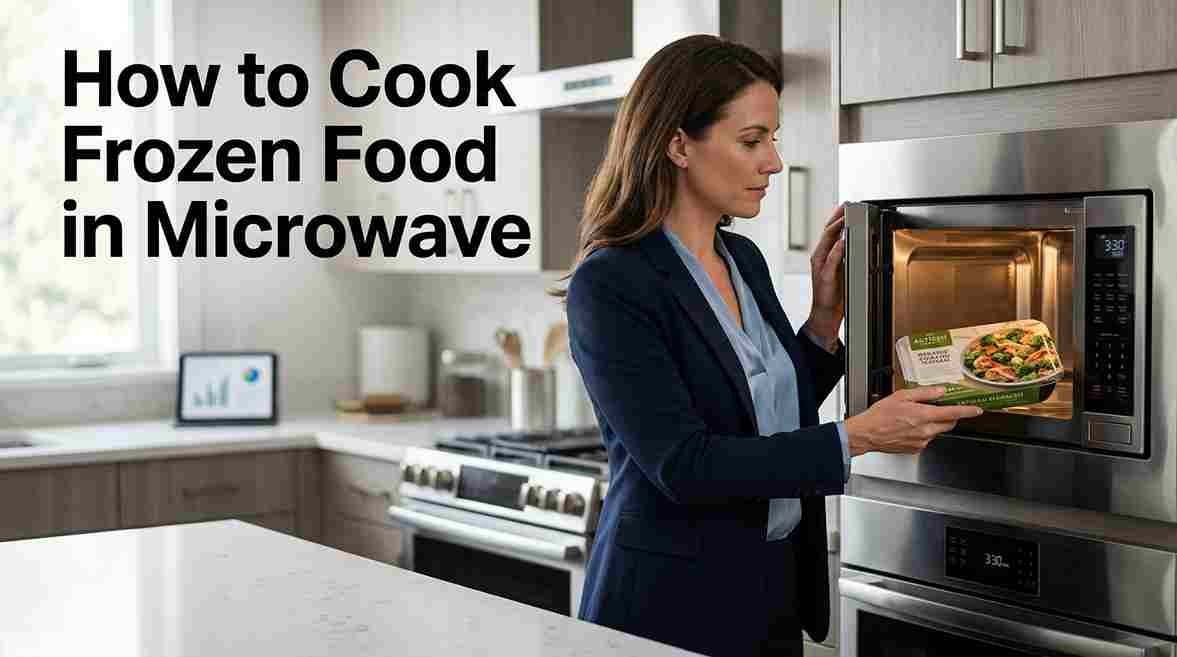
Why Choose The Microwave For Frozen Food?
The microwave is the most popular kitchen appliance for cooking frozen food. It’s easy to use, requires little supervision, and is available in most homes. According to the National Frozen & Refrigerated Foods Association, over 70% of Americans use microwaves to prepare frozen meals at least once a week.
There are several reasons for this popularity:
- Speed: Most frozen foods can be cooked in 5–15 minutes in the microwave.
- Convenience: No need to thaw or prep ingredients.
- Energy efficiency: Microwaves use less energy than ovens or stovetops.
- Safety: Cooking in the microwave reduces the risk of burning or overcooking.
However, microwave cooking is not perfect. The results can vary depending on the food, packaging, and appliance. Understanding how microwaves work and the best practices for cooking frozen food will help you get the best results.
How Microwave Cooking Works
Microwaves use electromagnetic waves to heat food. These waves cause water molecules inside the food to move quickly, creating heat. This process cooks food from the inside out, unlike ovens that cook from the outside in.
But microwaves don’t always cook evenly. Some areas may be hotter than others, especially if the food is thick or contains different ingredients. For frozen food, this can mean cold spots or uneven heating.
Key insight: The shape and arrangement of food affect how well it cooks in the microwave. Flat, evenly spread foods heat faster and more evenly than thick, dense items.
Types Of Frozen Foods Suitable For Microwave Cooking
Not all frozen foods are ideal for the microwave. Here are the main types you can cook:
- Frozen meals: Ready-to-eat dishes like pasta, rice bowls, and stir-fries.
- Frozen vegetables: Packs of carrots, peas, corn, broccoli, and mixed veggies.
- Frozen snacks: Pizza rolls, burritos, chicken nuggets, and sandwiches.
- Frozen meat and fish: Chicken breasts, fish fillets, beef patties.
- Frozen soups and stews: Pre-cooked and portioned for easy heating.
Some foods, like frozen bread, pastries, or thick roasts, may not cook well in the microwave. Always check the packaging for microwave instructions.
Preparing Frozen Food For The Microwave
Proper preparation is the first step to good results. Here’s what you need to do:
Check Packaging
Most frozen foods come with microwave instructions. Always follow these directions. Some packaging is designed for microwaves, while others are not.
- Remove any metal or foil.
- If required, pierce plastic film or open vents to release steam.
- Use microwave-safe containers for unpackaged foods.
Portion Size Matters
Microwaves cook faster with smaller portions. If the food is large or thick, cut it into smaller pieces. Spread out the food evenly in the container.
Arrange Food For Even Cooking
Place thicker parts towards the edges and thinner parts in the center. This helps avoid cold spots.
Add Moisture
Some frozen foods, especially vegetables or rice, may dry out. Add a tablespoon of water before cooking to keep them moist.
Cover The Food
Covering the food with a microwave-safe lid or wrap traps steam, cooking the food faster and more evenly. Leave a small gap for steam to escape.
Step-by-step Guide To Cooking Frozen Food In Microwave
Cooking frozen food in the microwave is easy if you follow these steps:
- Read the instructions: Always check the package or recipe.
- Prepare the food: Remove from packaging, portion, and arrange.
- Add moisture and cover: If needed, add water and cover loosely.
- Set microwave power: Use the right setting. Most frozen foods require high power (100%), but some need medium or defrost settings.
- Start cooking: Set the recommended time. If unsure, start with less time and add more as needed.
- Pause and stir: For meals or soups, pause halfway and stir to distribute heat.
- Check doneness: Use a food thermometer if cooking meat. The safe internal temperature is 165°F (74°C).
- Let it rest: After cooking, let the food sit for 1–2 minutes. This allows heat to finish cooking and steam to escape.
Example: Cooking Frozen Vegetables
- Place vegetables in a microwave-safe bowl.
- Add 2 tablespoons of water.
- Cover with a lid or plastic wrap, leaving a vent.
- Microwave on high for 4–6 minutes (for 2 cups).
- Stir halfway through.
- Let sit for 1 minute and drain excess water.
Example: Cooking A Frozen Meal
- Remove meal from box and pierce film.
- Place on microwave plate.
- Microwave on high for 3–6 minutes (depending on meal size).
- Stir or rotate if instructed.
- Let rest before eating.
Common Mistakes And How To Avoid Them
Microwave cooking seems simple, but some common mistakes can spoil your meal. Here’s how to avoid them:
1. Skipping Instructions
Each frozen food is different. Ignoring instructions leads to uneven cooking or burnt edges.
2. Using Wrong Containers
Never use metal or non-microwave-safe plastic. These can cause sparks or melt.
3. Cooking Large Portions
Microwaves struggle with big portions. Cook in batches or cut into smaller pieces.
4. Not Stirring Or Rotating
For mixed dishes, stirring halfway ensures even heat.
5. Forgetting To Add Water
Vegetables or rice may dry out without extra water.
6. Overcooking
Microwaves cook fast. Overcooking makes food rubbery or dry. Start with less time and add more if needed.
7. Not Checking Temperature
Especially for meat, check with a thermometer. Undercooked meat is unsafe.
8. Using Frozen Food With Ice Crystals
Excess ice creates water, making food soggy. Remove ice crystals before cooking.
9. Not Letting Food Rest
Resting lets heat finish cooking and improves texture.
Non-obvious insight: Many people forget that microwave wattage matters. If your microwave is less powerful (e.g., 700W), you need to increase cooking time by 30–40% compared to a standard 1000W microwave.
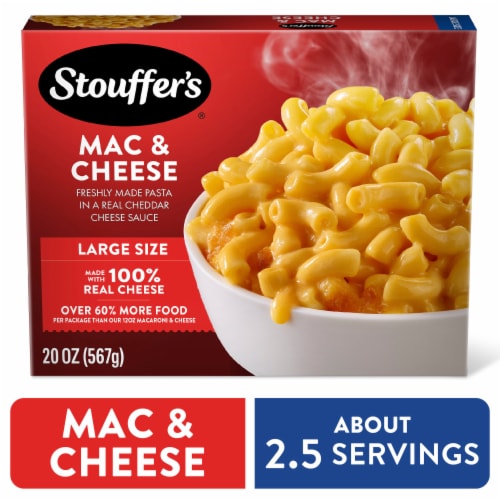
Credit: www.food4less.com
Choosing The Right Microwave Settings
Microwaves offer different power settings and features. Picking the right one makes a big difference.
Power Levels
- High (100%): For most frozen meals, snacks, and vegetables.
- Medium (50–70%): For delicate foods or defrosting meat.
- Defrost (30%): For thawing before cooking.
Features To Use
- Turntable: Ensures even heating.
- Sensor cooking: Adjusts time based on steam.
- Preset buttons: Some microwaves have “frozen meal” or “vegetable” buttons.
Microwave Wattage Table
Here’s how cooking time changes with different microwave wattage:
| Food Item | Standard Time (1000W) | Adjusted Time (700W) | Adjusted Time (1200W) |
|---|---|---|---|
| Frozen Meal | 5 min | 7 min | 4 min |
| Vegetables (2 cups) | 6 min | 8 min | 5 min |
| Chicken Breast | 8 min | 11 min | 7 min |
| Fish Fillet | 4 min | 5.5 min | 3 min |
Always check your microwave’s wattage. It’s usually written inside the door or in the manual.
Safety Tips For Cooking Frozen Food In Microwave
Safety is important when cooking frozen food. Here’s what you should keep in mind:
- Never use metal: Metal can cause sparks or fire.
- Use microwave-safe containers: Glass, ceramic, or labeled plastics.
- Check food temperature: Meat and poultry must reach 165°F (74°C).
- Pierce packaging: Prevents steam buildup and explosions.
- Avoid superheated liquids: Stir liquids before and after microwaving.
- Don’t leave microwave unattended: Watch for signs of overheating.
Food Poisoning Risk
Microwaves sometimes leave cold spots. These can allow bacteria to survive. Always stir and check temperature, especially for meat or mixed meals.
Non-obvious insight: Letting food rest after cooking is not just for texture. It helps kill any remaining bacteria by letting heat distribute evenly.

Credit: freshfromthefreezer.co.uk
Preserving Nutrition And Taste
Microwave cooking is good for preserving nutrients in frozen food. According to Harvard Health, microwaving vegetables keeps more vitamins and minerals compared to boiling. This is because microwaves cook quickly and use less water.
To preserve taste and nutrition:
- Use less water for vegetables.
- Don’t overcook.
- Cover with a lid to trap steam.
- Stir halfway to distribute heat.
Frozen meals may lose texture if microwaved too long. Stop cooking as soon as food is hot and ready.
Cooking Different Types Of Frozen Food
Different frozen foods need different approaches. Here’s how to handle the most common types:
Frozen Vegetables
- Place in a bowl with a little water.
- Cover and cook on high.
- Stir halfway.
- Drain excess water and season.
Frozen Meat And Fish
- Use defrost setting first if very thick.
- Cook on high after thawing.
- Check temperature with a thermometer.
- Let rest before serving.
Frozen Meals
- Follow package instructions.
- Pierce film, stir halfway.
- Check for hot spots.
- Let sit before eating.
Frozen Snacks
- Arrange in a single layer.
- Cover with paper towel.
- Cook on high.
- Flip or rotate halfway.
Comparison Table: Cooking Methods
Here’s how microwave compares to other methods for frozen food:
| Method | Time (min) | Texture | Nutrition | Energy Use |
|---|---|---|---|---|
| Microwave | 5–15 | Soft/Moist | High | Low |
| Oven | 20–40 | Crispy | Medium | High |
| Stovetop | 10–30 | Varies | Medium | Medium |
Microwaves are best for speed and nutrition, but ovens give better texture for foods like pizza or breaded snacks.
Practical Tips For Better Results
Here are some practical tips that can make a big difference:
- Use round containers: Food cooks more evenly in round bowls than in square ones.
- Arrange food in a ring: Spread food around the edge, leaving the center empty.
- Cover with a moist paper towel: Helps keep snacks and bread soft.
- Let food cool before eating: Hot spots can burn your mouth.
- Avoid stacking: Stack foods cook unevenly.
- Experiment with settings: Try different power levels for best results.
Cleaning Up After Cooking
Microwaves can get messy, especially when food splatters. Clean up right away to prevent stains.
- Wipe with a damp cloth after cooking.
- For tough stains, use a mix of water and baking soda.
- Leave a bowl of water inside and microwave for 2 minutes to loosen grime.
When To Avoid Microwave Cooking
While microwaves are great for most frozen foods, avoid using them for:
- Large cuts of meat: May not cook evenly.
- Bread or pastry: Becomes rubbery or soggy.
- Foods with thick sauces: Can splatter and burn.
- Eggs in shell: May explode.
For these foods, use oven or stovetop methods.
Storing Leftovers
If you have leftovers after microwaving frozen food:
- Let food cool before storing.
- Use airtight containers.
- Refrigerate within 2 hours.
- Eat within 2–3 days for best quality.
- Reheat in the microwave until hot throughout.
Microwave Cooking Data
According to the USDA, microwave ovens are safe for cooking frozen food if used correctly. Nearly 90% of US homes own a microwave, and most frozen meals are designed for microwave preparation. The convenience has made microwaves the go-to choice for students, office workers, and families.
Frequently Asked Questions
What Is The Safest Way To Cook Frozen Food In The Microwave?
The safest way is to follow package instructions, use microwave-safe containers, and check the food’s internal temperature. For meat, make sure it reaches 165°F (74°C). Always stir halfway and let food rest after cooking.
Can All Frozen Foods Be Microwaved?
No. Most frozen meals, vegetables, and snacks are suitable, but some foods like large cuts of meat, bread, or pastries do not cook well. Always check the packaging or manufacturer’s guidelines.
How Do I Prevent Soggy Or Rubbery Food?
To prevent soggy food, avoid overcooking and use less water. For snacks, cover with a moist paper towel. To avoid rubbery texture, microwave for the recommended time and stop as soon as food is hot.
Is It Safe To Cook Frozen Meat In The Microwave?
Yes, if done correctly. Use the defrost setting first, then cook on high. Check with a food thermometer to ensure it reaches 165°F (74°C). Let meat rest after cooking.
Why Does My Microwave Food Have Cold Spots?
Cold spots happen because microwaves may not heat evenly. Stir food halfway, arrange in a ring, and use a turntable if your microwave has one. Let food rest to allow heat to spread.
Cooking frozen food in the microwave is quick, easy, and safe when you know the right steps. With these tips and guidelines, you can enjoy tasty meals in minutes—no need to sacrifice flavor or nutrition. Experiment, follow instructions, and soon you’ll be a pro at microwave cooking.