Cooking hamburgers on an electric griddle can turn a simple meal into something special. Many people think a burger is just a patty between bread, but the way you cook it makes all the difference. With an electric griddle, you get even heat, a large surface, and full control.
Whether you are cooking for yourself or a group, this method is both easy and effective. But to get the perfect hamburger—juicy inside, flavorful outside, and cooked just right—you need to know more than just “turn it on and cook.
”
Let’s walk through everything you need to create burgers that impress: from choosing the right meat, seasoning, and preheating, to shaping, cooking, and finishing touches. Along the way, you’ll find practical tips, answers to common problems, and ways to avoid mistakes that even experienced cooks sometimes make. By the end, you’ll be ready to use your electric griddle to its full potential and serve up mouthwatering hamburgers every time.
Why Use An Electric Griddle For Hamburgers?
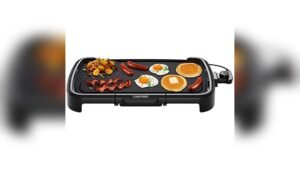
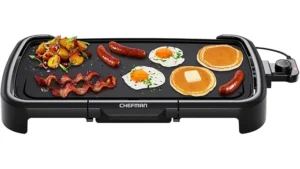
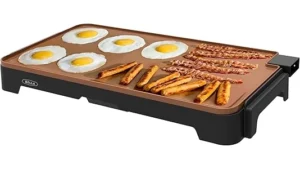
An electric griddle is a flat, heated cooking surface powered by electricity. It offers several advantages over a traditional pan or outdoor grill. The most obvious is even heat distribution. There are no hot or cold spots, so every burger cooks at the same speed.
Another advantage is space. Most electric griddles have a large surface, letting you cook several patties at once. This is perfect for families, parties, or meal prep. You also get better control over the temperature, which means less chance of burning or undercooking.
Grease drains away easily, so your burgers won’t sit in excess fat. Cleanup is usually easier too—just unplug, let it cool, and wipe it down.
While an electric griddle can’t give you the smoky flavor of a charcoal grill, it does provide a juicy, well-seared burger. For many, the benefits make it the best indoor option.
Choosing The Right Meat For Griddle Hamburgers
The meat you choose is the heart of a hamburger. For juicy, flavorful burgers, you need the right blend of beef and fat.
Beef Type And Fat Content
Ground chuck is the most popular choice. Look for beef with 80/20 or 85/15 (meat to fat) ratios. This means 80% lean and 20% fat. The fat gives moisture and taste. If you use beef that is too lean, like 90/10, your burgers can turn out dry.
Some stores sell special burger blends, often mixing brisket or short rib for extra flavor. If you want to experiment, try a custom blend by asking the butcher to grind different cuts together.
Fresh Vs. Frozen
Freshly ground beef makes the best burgers. It has better texture and flavor than frozen. If you use frozen patties, thaw them fully before cooking. Frozen meat releases more water, making it harder to get a good sear.
Non-beef Options
You can use ground turkey, chicken, or even plant-based options. Just remember, leaner meats need extra care to avoid drying out. For example, add grated onion or a bit of oil to turkey patties.
Pro Tip: Do not overwork or press your ground meat. Gentle shaping keeps burgers tender.
Essential Tools And Ingredients
To cook hamburgers on an electric griddle, gather these tools and ingredients:
Tools
- Electric griddle with adjustable temperature
- Spatula (a wide, sturdy one works best)
- Meat thermometer for checking doneness
- Mixing bowl for seasoning meat
- Baking paper or wax paper for shaping patties
- Oil brush or spray (for the griddle surface)
- Tongs (optional, for flipping toppings)
Ingredients
- Ground beef (80/20 or 85/15), about 1/3 to 1/2 pound per patty
- Salt and pepper (coarse salt is best)
- Burger buns (brioche, potato rolls, or classic sesame)
- Cheese slices (optional: Cheddar, American, Swiss)
- Toppings: Lettuce, tomato, onion, pickles, ketchup, mustard, mayonnaise
Optional: Garlic powder, onion powder, Worcestershire sauce, bacon, mushrooms, jalapeños
Insight: Not all salt is equal. Kosher salt is best for burgers because it sticks to the surface and seasons evenly.
Preparing The Patties
How you form your patties affects the cooking and final taste.
Shaping
- Divide ground meat into equal portions. Use a kitchen scale for accuracy if you want.
- Roll each portion into a loose ball.
- Gently press into a disc about 3/4 inch thick and slightly wider than your bun (they shrink as they cook).
- Make a small dimple in the center with your thumb. This keeps the patty flat as it cooks and avoids “ballooning.”
Seasoning
Season just before cooking. Sprinkle both sides with a generous pinch of salt and pepper. If you mix seasonings into the meat, do it lightly to avoid compacting it.
Common Mistake: Pressing the patty too thin or tightly. This makes tough burgers.
Chill (optional)
If you have time, chill the patties for 15–30 minutes. This helps them hold shape and makes a better sear.
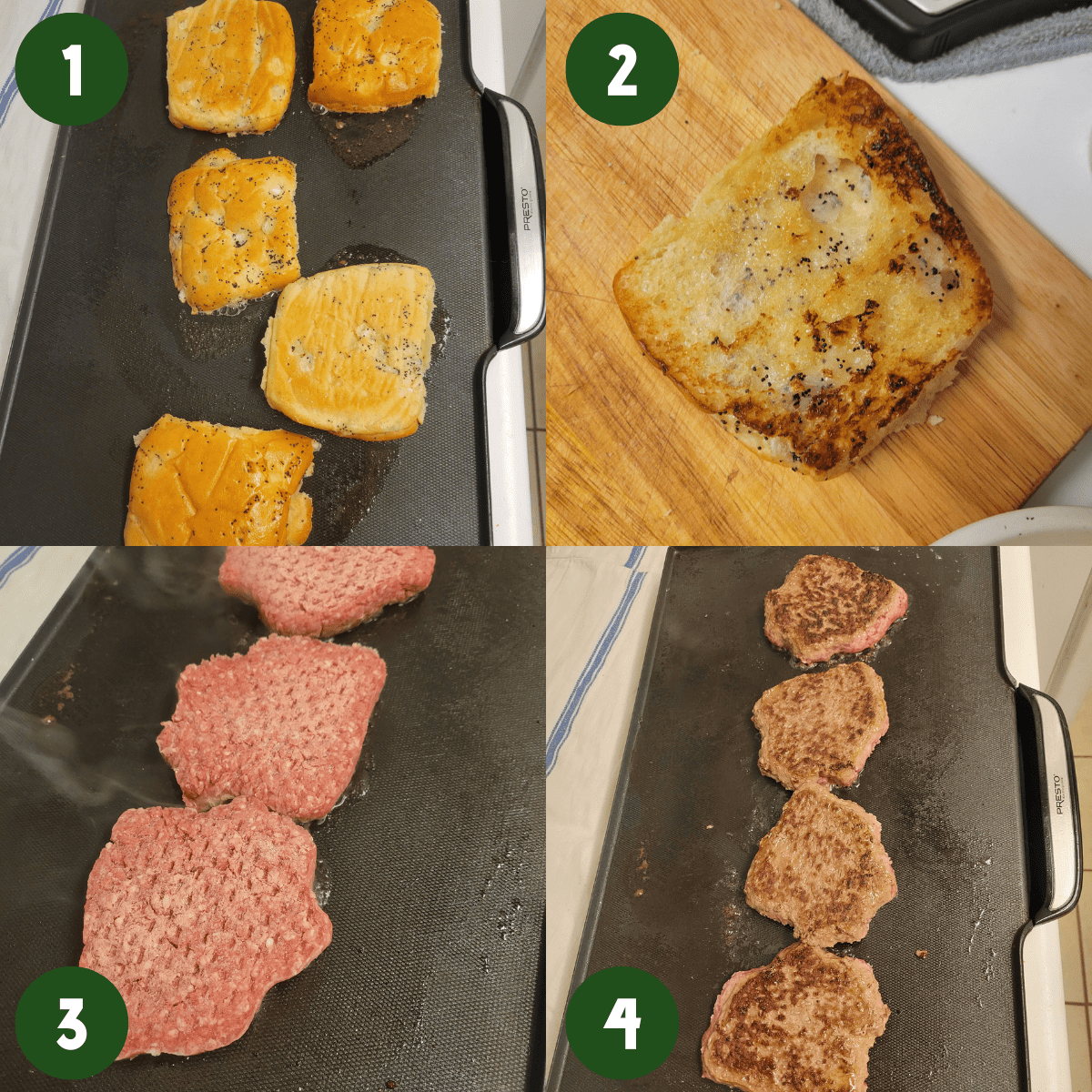
Credit: smackofflavor.com
Preheating And Setting Up The Griddle
Preheating is essential for a good burger. A cold griddle gives you gray, dry meat instead of a brown, flavorful crust.
- Plug in your electric griddle and set temperature to 375–400°F (190–205°C). Most griddles have a dial or digital display.
- Allow it to preheat for at least 10 minutes. Splash a few drops of water—if they dance or sizzle, it’s ready.
- Lightly oil the surface with a brush or spray. Do not pour oil directly or use too much, as burgers release their own fat.
Insight: Electric griddles lose heat when loaded with many patties. Give it a minute to recover if cooking several at once.
Cooking The Burgers
Now, it’s time for the main event. Cooking burgers on a griddle is all about timing, flipping, and knowing when they’re done.
Placing The Patties
- Put patties on the hot griddle, leaving space around each one.
- Do not press them down with the spatula—this squeezes out juices.
Cooking Time
For standard 1/3 to 1/2 pound patties:
- Medium-rare: 3–4 minutes per side (internal temp 130–135°F or 54–57°C)
- Medium: 4–5 minutes per side (140–145°F or 60–63°C)
- Medium-well: 5–6 minutes per side (150–155°F or 66–68°C)
- Well-done: 6–7 minutes per side (160°F or 71°C and above)
Use a meat thermometer for accuracy. Insert into the center, not touching the surface.
Flipping
Flip burgers only once, after the first side has a deep brown crust. Resist the urge to keep checking or flipping multiple times.
Cheese
If adding cheese, place a slice on top in the last 1–2 minutes of cooking. Cover with a lid or metal bowl for melty cheese (the steam helps).
Resting
After cooking, let burgers rest for 2–3 minutes before serving. This redistributes juices.
Warning: Never cut into the patty to check doneness. This lets juices escape.
Toasting The Buns
A good hamburger is more than meat. The bun is just as important.
- Slice buns and place cut side down on the griddle for 1–2 minutes.
- Watch closely—they toast quickly.
- For extra flavor, brush buns with a little butter before toasting.
Toasted buns resist sogginess and add a buttery crunch.
- You might find this helpful: Best Electric Griddle for Hamburgers
Adding Toppings And Building The Burger
Classic burgers have lettuce, tomato, onion, and pickles. Here’s how to do it right:
- Lettuce: Use crisp leaves like iceberg or romaine. Pat dry to avoid soggy buns.
- Tomato: Slice thick and sprinkle with salt for extra taste.
- Onion: Red or sweet onions, raw or grilled.
- Pickles: Dill or bread-and-butter slices.
- Sauces: Ketchup, mustard, mayonnaise, or your favorite burger sauce.
Layer toppings in this order for best texture:
- Bottom bun
- Lettuce (acts as barrier against juice)
- Patty with cheese
- Tomato
- Onion
- Pickles
- Sauces
- Top bun
Pro Tip: Assemble just before eating to keep everything fresh.
Cooking Specialty Burgers On A Griddle
Once you master the basics, try these variations:
Smash Burgers
Smash burgers are thin, crispy-edged patties.
- Use 2–3 oz balls of beef.
- Place on griddle and, with a spatula, press down hard for 10 seconds.
- Cook 1–2 minutes per side, add cheese, stack two patties for each burger.
Stuffed Burgers
Make two thin patties, place cheese or fillings in the center, and seal edges. Cook as normal, a little longer for safety.
Sliders
Make smaller patties (about 2 oz), cook quickly, and serve on mini buns.
Common Mistakes And How To Avoid Them
Even experienced cooks sometimes make these errors. Avoid them for perfect burgers every time.
- Pressing the patty: This squeezes out juices and dries the burger.
- Not preheating: Cold griddles don’t brown meat well.
- Overcrowding: Too many patties lower the temperature. Work in batches if needed.
- Overcooking: Use a thermometer, not guesswork.
- Skipping rest time: Cutting too soon lets juices escape.
- Using cold cheese: Room temperature cheese melts faster and more evenly.
- Forgetting to season: Salt right before cooking, not earlier.
Cleaning And Maintaining Your Electric Griddle
A clean griddle lasts longer and cooks better.
- Unplug and cool: Never clean while hot or plugged in.
- Wipe grease: Use paper towels to remove fat and bits.
- Warm water and mild soap: For nonstick surfaces, avoid harsh scrubbing.
- Drip tray: Empty and wash separately.
- Dry thoroughly: Moisture causes rust or damage.
Some griddles have removable plates—check your manual.
Never use metal tools on nonstick surfaces. They scratch and reduce life.
Comparing Electric Griddle Vs. Other Cooking Methods
To understand why an electric griddle is great for hamburgers, compare it with other common methods:
| Method | Flavor | Ease of Use | Cleanup | Batch Size |
|---|---|---|---|---|
| Electric Griddle | Juicy, well-seared | Very easy | Easy | Large |
| Outdoor Grill | Smoky, charred | Moderate | Medium | Medium/Large |
| Frying Pan | Good, less crust | Easy | Medium | Small |
| Oven Broiler | Dry, less seared | Moderate | Medium | Medium |
As you can see, the electric griddle balances flavor, ease, and capacity well.

Credit: www.justapinch.com
Temperature Guide For Burger Doneness
It can be hard to know when your burger is cooked just right. Here’s a quick temperature guide:
| Doneness | Internal Temp (°F) | Internal Temp (°C) | Color Inside |
|---|---|---|---|
| Rare | 120–125 | 49–52 | Red, cool center |
| Medium Rare | 130–135 | 54–57 | Pink, warm center |
| Medium | 140–145 | 60–63 | Light pink center |
| Medium Well | 150–155 | 66–68 | Mostly brown, little pink |
| Well Done | 160+ | 71+ | Brown throughout |
Note: For safety, the USDA recommends 160°F (71°C) for ground beef.
Creative Burger Toppings And Flavor Ideas
Burgers are a blank canvas for flavor. Here are some ideas beyond the basics:
- Caramelized onions: Slow-cooked onions add sweetness.
- Sautéed mushrooms: Earthy and meaty, great with Swiss cheese.
- Bacon: Crispy strips for extra crunch.
- Avocado or guacamole: Creamy and fresh.
- Jalapeños or hot sauce: For spice lovers.
- Barbecue sauce: Adds smoky, tangy flavor.
- Pineapple: Sweet and tangy, pairs with teriyaki sauce.
- Fried egg: Runny yolk adds richness.
Try combining different cheeses or sauces to invent your own signature burger.
Sides And Drinks To Serve With Griddle Hamburgers
A great burger meal needs the right sides and drinks.
- French fries: Classic, or try sweet potato fries.
- Onion rings: Crispy and sweet.
- Coleslaw: Refreshing crunch.
- Potato salad: Hearty and cool.
- Pickle spears: Tangy and sharp.
For drinks, serve sodas, iced tea, lemonade, or a cold beer for adults.
Tip: Prep sides while burgers cook for a complete meal.
Hosting A Burger Night With Your Electric Griddle
If you want to impress guests, a burger night is a fun idea.
- Set up a toppings bar with different cheeses, veggies, and sauces.
- Offer several bun types.
- Let everyone assemble their own burger.
- Cook patties fresh on the griddle so they’re hot and juicy.
This makes hosting easy and interactive.
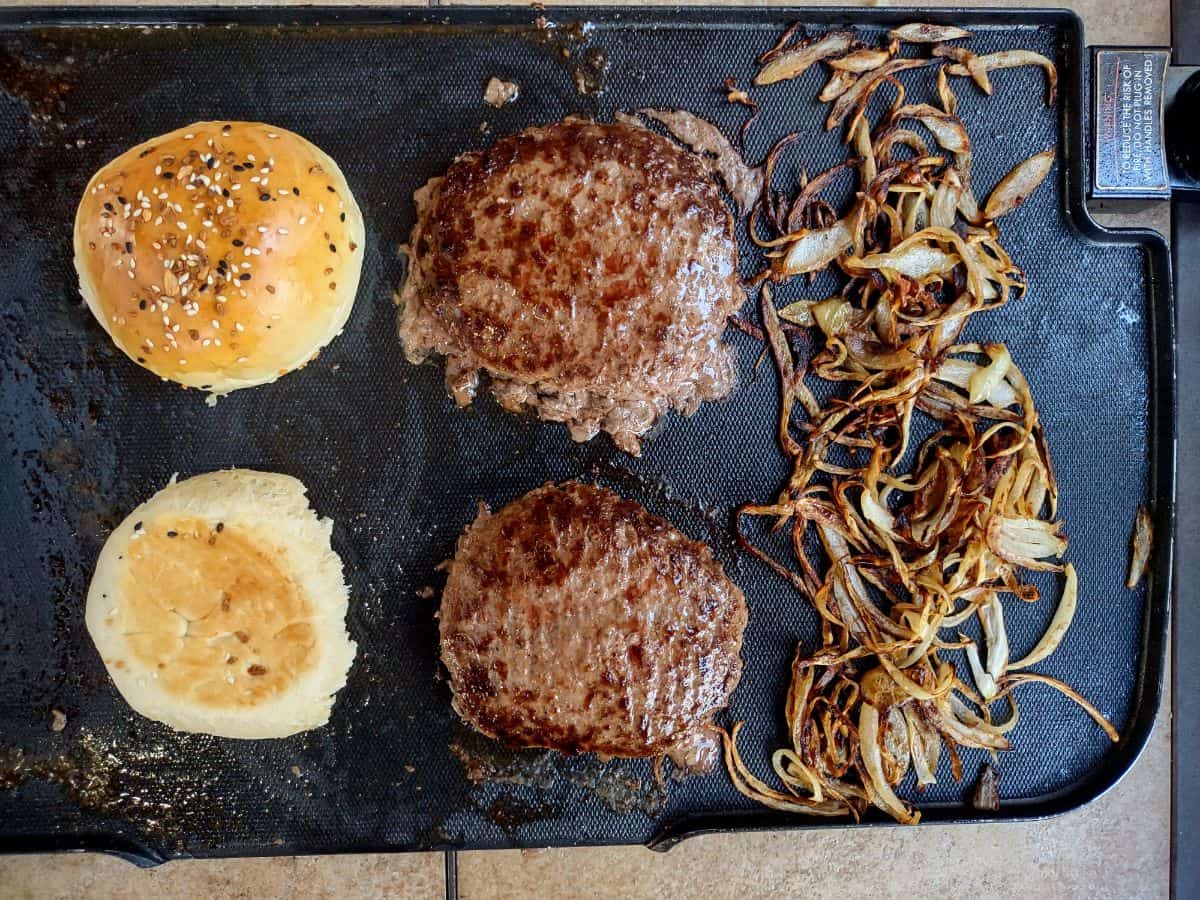
Credit: www.eatlikenoone.com
Nutrition Facts: What’s In Your Burger?
Knowing what’s in your burger can help you make healthier choices.
| Burger Component | Calories (Approx.) | Fat (g) | Protein (g) |
|---|---|---|---|
| 1/3 lb beef patty (80/20) | 320 | 24 | 21 |
| Bun (standard) | 140 | 2 | 5 |
| Cheese slice | 70 | 6 | 4 |
| Lettuce, tomato, onion (total) | 15 | 0 | 1 |
| Ketchup, mustard, mayo (1 tbsp each) | 90 | 8 | 1 |
Total (approx.): One cheeseburger with standard toppings: 635 calories, 40g fat, 32g protein.
You can lower calories and fat by skipping cheese, choosing leaner meat, or using less sauce.
Frequently Asked Questions
How Do I Keep Burgers From Sticking To The Electric Griddle?
Make sure your griddle is fully preheated and lightly oiled. Fresh meat releases better than frozen. Avoid moving the patties too soon—once a crust forms, they release easily.
Can I Cook Frozen Hamburger Patties On An Electric Griddle?
You can, but for best results thaw them first. Frozen patties lose more juice and brown less evenly. If you must cook from frozen, use lower heat and cook longer, flipping more often.
What Temperature Should I Set My Electric Griddle For Burgers?
Set your griddle to 375–400°F (190–205°C). This gives a good sear without burning. Always preheat before adding meat.
How Do I Know When My Burgers Are Done Without A Thermometer?
Look for juices running clear and a firm texture. For medium, press gently—the meat should spring back but not feel hard. However, a thermometer is the most reliable method.
Are Electric Griddles Safe For Indoor Use?
Yes, they are designed for indoor cooking. Place the griddle on a stable, heat-resistant surface. Keep cords away from water. Follow the manufacturer’s instructions for safety.
Cooking hamburgers on an electric griddle is simple, fun, and gives you delicious results every time. With the right meat, tools, and attention to detail, you can create restaurant-quality burgers at home. Don’t be afraid to try new toppings or tweak recipes—practice makes perfect. For more about burger safety and tips, visit the USDA Food Safety page.
Great burgers bring people together. With your electric griddle, you’re ready to make every meal memorable. Enjoy your cooking journey!