Cooking lobster tail on a griddle can turn a simple meal into a restaurant-quality experience. The griddle’s even heat and large surface give you excellent control, letting you achieve that perfect golden crust while keeping the lobster juicy and flavorful. Whether you are new to seafood or just want to try a new cooking method, this guide will help you master the art of preparing lobster tail on a griddle. You’ll learn every step, from choosing the right tails, to seasoning, to serving suggestions. Along the way, you’ll discover practical tips, common mistakes to avoid, and insights that even some home cooks miss.
Choosing The Best Lobster Tails
The foundation of a great dish starts with quality ingredients. When it comes to lobster tails, freshness and size matter.
Fresh Vs. Frozen Lobster Tails
You will often find frozen lobster tails in supermarkets. These can be just as good as fresh if they are frozen soon after harvest. Look for tails without black spots or yellowing, as these are signs of age or poor handling.
Fresh tails have a clean, briny smell and firm meat. If you live near the coast, fresh is a great option. However, most people use frozen tails, which are often more affordable and available year-round.
Warm Water Vs. Cold Water Lobster
Lobster tails come from two main sources: warm water and cold water. Cold water tails (from Canada or Maine) are firmer and sweeter, while warm water tails (from the Caribbean or Latin America) can be softer and sometimes mushy. Cold water tails are usually more expensive, but the difference in taste and texture is noticeable.
Size Selection
Most lobster tails in stores range from 4 to 10 ounces. Smaller tails (4-6 oz) cook faster and are easier to handle, while larger tails are impressive for special occasions. For griddle cooking, 6-8 ounce tails are ideal — they’re thick enough to stay juicy but not so large that they overcook on the outside.
Preparing Lobster Tail For Griddle Cooking
Proper preparation makes griddle cooking easier and prevents tough or rubbery meat.
Thawing Lobster Tails
Never cook lobster tails directly from frozen. For best results, thaw in the refrigerator overnight. If you’re short on time, place them in a sealed bag and submerge in cold water for 30-45 minutes. Do not use hot water, as it can start to cook the meat unevenly.
Cutting And Butterflying
For even cooking and beautiful presentation, butterfly your lobster tails:
- Place the tail shell-side up.
- Use kitchen scissors to cut down the center of the shell (stop before the tail fin).
- Gently pull apart the shell and lift the meat, resting it on top of the shell.
This method helps the lobster cook evenly and makes seasoning easier.
Removing The Vein
Check for the dark vein running along the top of the meat. This is the digestive tract and should be removed for better taste and presentation. Simply pull it out with a small knife or your fingers.
Essential Ingredients And Tools
To cook lobster tail on a griddle, you need only a few simple ingredients, but quality makes a difference.
Main Ingredients
- Lobster tails (6-8 oz each, thawed)
- Butter (unsalted, for flavor and moisture)
- Garlic (fresh, minced)
- Lemon (for zest and juice)
- Salt and pepper
- Paprika or cayenne (optional, for extra flavor)
Helpful Tools
- Griddle (electric or stovetop)
- Tongs (for flipping)
- Basting brush (for butter)
- Kitchen scissors (for cutting shells)
- Instant-read thermometer (to check doneness)
Seasoning And Flavor Combinations
While simple butter and lemon are classic, experimenting with flavors can make your dish memorable.
- Herb butter: Mix softened butter with parsley, chives, and a hint of tarragon.
- Spicy Cajun: Add cayenne, smoked paprika, and a pinch of garlic powder.
- Asian-inspired: Mix butter with a dash of soy sauce and ginger.
Brush the seasoning mixture over the lobster meat before and during cooking for the best flavor.
Step-by-step Guide: Cooking Lobster Tail On A Griddle
The cooking process is straightforward but requires attention to timing.
Preheating The Griddle
Set your griddle to medium-high heat (about 375°F/190°C). If your griddle is nonstick, add a thin layer of oil or butter to help prevent sticking.
Cooking The Lobster Tail
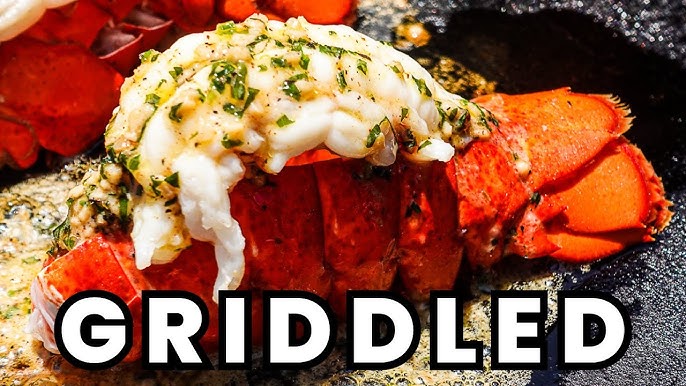
- Place the butterflied tails meat-side down on the griddle.
- Cook for 2-3 minutes until the meat develops a light golden crust.
- Flip the tails so the shell side is down.
- Add butter and garlic to the griddle, letting the butter melt and mix with the lobster juices.
- Baste the lobster with the melted butter using a brush or spoon.
- Continue cooking for another 4-6 minutes. The lobster is done when the meat is opaque and slightly firm, and the internal temperature reaches 135–140°F (57–60°C).
Checking For Doneness
Do not overcook. Lobster cooks quickly and becomes rubbery if left too long. The key sign is opaque white meat with a slight shine. If the meat is translucent, it needs more time.
Cooking Times Table
Here’s a handy guide for common lobster tail sizes:
| Lobster Tail Size | Meat Side Down | Shell Side Down | Total Time |
|---|---|---|---|
| 4 oz | 2 min | 3-4 min | 5-6 min |
| 6 oz | 2-3 min | 4-5 min | 6-8 min |
| 8 oz | 3 min | 5-6 min | 8-9 min |
If you have larger tails, add 1-2 minutes per side as needed.
Serving Suggestions And Pairings
Lobster tail is rich and buttery, so it pairs well with sides that balance its flavor.
Classic Sides
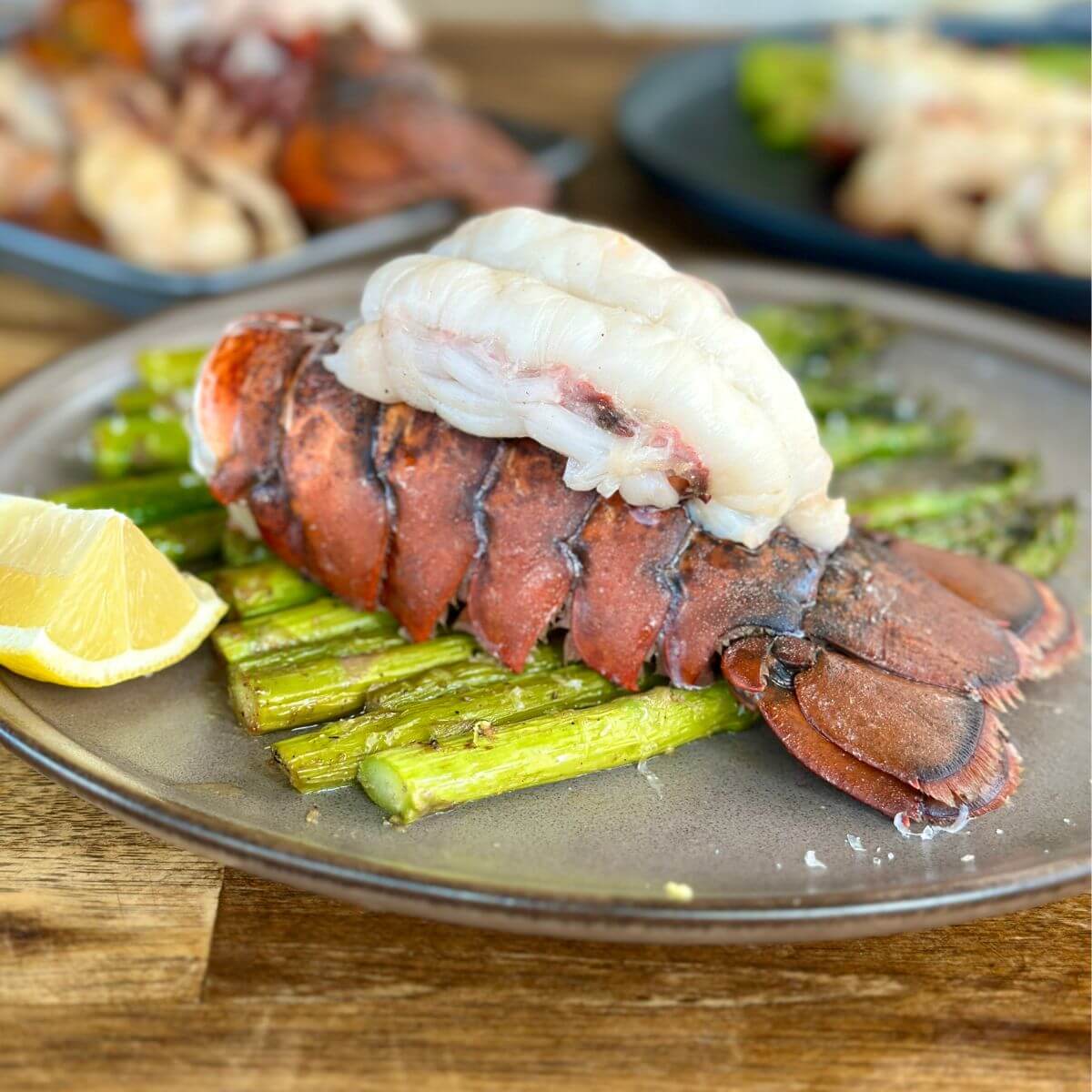
- Grilled asparagus with a squeeze of lemon
- Garlic mashed potatoes
- Steamed broccoli or green beans
- Rice pilaf with herbs
Sauces And Extras
Offer a small bowl of melted butter with a splash of lemon juice for dipping. For a twist, try a creamy garlic sauce or a spicy remoulade.
Presentation Tips
Arrange the tails on a platter with lemon wedges and a sprinkle of fresh herbs. The red shells and white meat make a beautiful contrast, especially with colorful sides.
Common Mistakes And How To Avoid Them
Even experienced cooks can make errors with lobster tail. Here are some pitfalls to watch for:
- Cooking from frozen: Always thaw tails fully before cooking.
- Overcooking: Lobster becomes tough if left too long. Watch closely and use a thermometer if possible.
- Not seasoning enough: Lobster is delicious but mild. Don’t be afraid to add salt, pepper, and butter.
- Sticking to the griddle: Make sure your griddle is hot and lightly oiled before adding the tails.
- Skipping the butterfly step: Cooking in the shell without butterflying leads to uneven results.
Comparing Griddle Cooking With Other Methods
Lobster tail can be cooked in many ways. Here’s how griddle cooking compares with other popular methods:
| Method | Texture | Flavor | Difficulty | Time |
|---|---|---|---|---|
| Griddle | Juicy, slight crust | Rich, buttery | Easy | 6-10 min |
| Boiling | Tender, moist | Delicate | Easy | 5-8 min |
| Broiling | Firm, crisp top | Intense | Medium | 8-12 min |
| Grilling | Slightly smoky | Charred, buttery | Medium | 8-12 min |
| Steaming | Very tender | Delicate | Easy | 6-10 min |
Griddle cooking stands out for its crusty texture and easy basting.
Credit: theflattopking.com
Advanced Tips For Perfect Lobster Tails
Many home cooks miss these advanced but simple tricks:
- Dry the meat: Pat the lobster tail dry with paper towels before seasoning. This helps create a better crust and prevents steaming.
- Finish with flavored butter: Add herbs or spices to your melted butter right before basting for extra depth.
- Rest the tails: Let the cooked tails rest for 2-3 minutes before serving. This keeps the juices inside and improves flavor.
- Try compound butters: Make butter with lemon zest, garlic, or chili flakes ahead of time and use it for basting and serving.
Nutritional Information
Lobster tail is both delicious and nutritious. Here’s a quick look at what you get in a typical 6-ounce tail:
| Nutrient | Amount |
|---|---|
| Calories | 140 |
| Protein | 28g |
| Fat | 2g |
| Cholesterol | 115mg |
| Sodium | 350mg |
Lobster tail is low in fat and high in protein, making it a smart choice for a special meal.
Credit: www.youtube.com
Frequently Asked Questions
What Temperature Should Lobster Tail Be Cooked To?
Lobster tail is best when cooked to 135–140°F (57–60°C). At this temperature, the meat is opaque and tender, not rubbery.
Can I Use Flavored Oils Or Marinades On The Griddle?
Yes, you can use olive oil, garlic oil, or light marinades. Avoid heavy, sugary marinades as they can burn. Always pat the tails dry before cooking.
How Do I Know If My Lobster Tail Is Overcooked?
Overcooked lobster becomes tough and chewy. If the meat is dry or shrinks a lot, it’s likely overdone. Cook just until the color is opaque and slightly firm.
Is It Safe To Eat Lobster Tail With The Vein Left In?
It’s not dangerous, but the vein can taste gritty and look unappetizing. It’s best to remove it before cooking for best flavor and presentation.
Where Can I Find More Information About Lobster And Seafood Safety?
For more details on seafood safety and handling, visit the FDA’s official guide.
Cooking lobster tail on a griddle is simple once you know the steps, and the results can impress any guest. With the right preparation and a few careful touches, you can enjoy restaurant-style seafood at home. Try pairing it with your favorite sides, and don’t be afraid to experiment with new flavors.
Happy cooking!