If you’ve ever wondered how to cook pasta in a saucepan without a huge stockpot, you’re in the right place. That small pan on your shelf is enough for a single serving. It works for a quick lunch or a date-night dinner.
You just need the right water ratio and a little patience.
As of 2026, most dried pasta packages still recommend about four cups of water per four ounces of pasta. That ratio scales down neatly for a saucepan. A 2-quart pan can handle a single serving with room to spare.
It heats faster than a giant pot, which saves time and energy on small-batch cooking.
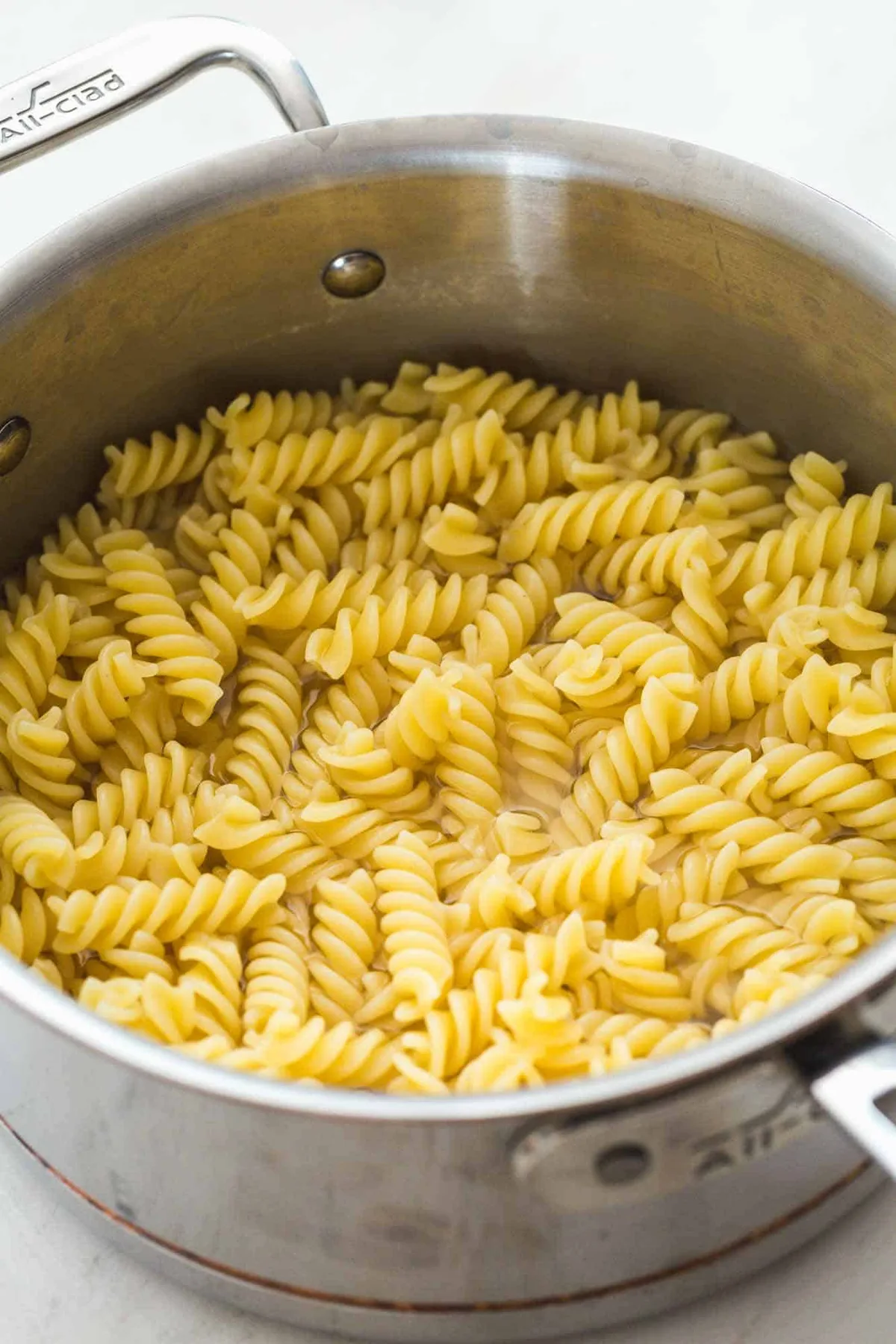
Image source: Web (Bing) / cookwareguider.com (Web image (fair-use with source credit))
Can You Cook Pasta in a Saucepan? (The Short Answer)
Yes. You can cook pasta in a saucepan, and it’s one of the easiest ways to make a small meal. The process is almost identical to using a stockpot, but you adjust the water volume and watch the pan more closely.
Here’s the short version:
- Fill the saucepan about two-thirds full with water.
- Bring it to a rolling boil.
- Add a generous pinch of salt.
- Drop in your pasta and stir right away.
- Boil until al dente, stirring occasionally.
- Reserve some pasta water, then drain.
That’s it. No special equipment needed. If you have a saucepan, a burner, and a colander, you’re already set.
The only real difference from a stockpot is scale. Less water means less heat capacity. That affects how quickly the water returns to a boil after you add pasta.
It also means boil-overs are more likely, so you’ll want to keep the heat at medium-high rather than max.
What a Saucepan Changes Compared to a Stockpot
A saucepan is shorter and narrower than a stockpot. That sounds obvious, but it changes the physics of cooking pasta in real ways.
With less water, the temperature drops more when you add dry pasta. In a big stockpot, you can add a pound of spaghetti and the boil barely stutters. In a saucepan, the water might go quiet for a minute.
That’s normal. You just wait for the boil to come back, then lower the heat slightly.
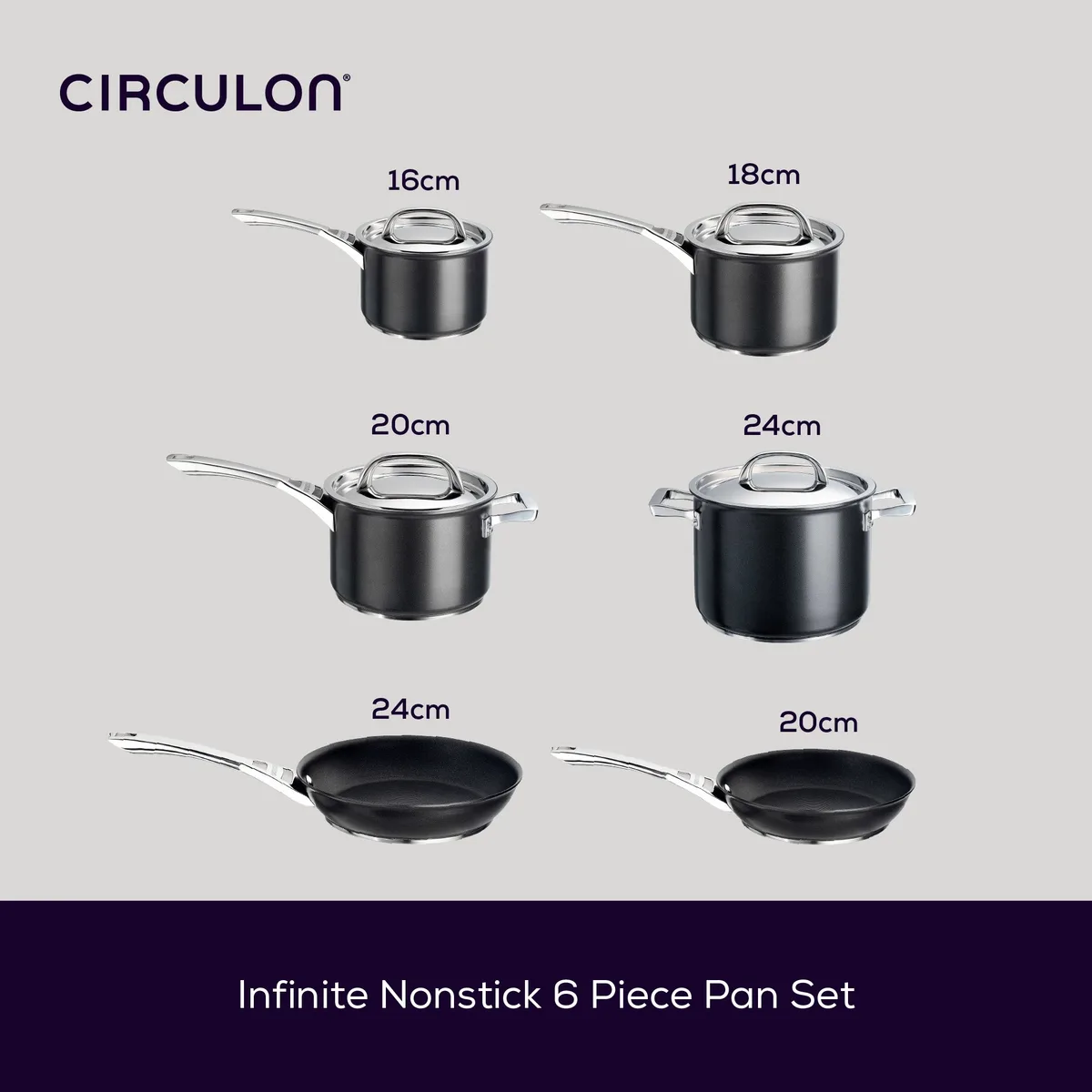
Image source: Web (Bing) / circulon.uk.com (Web image (fair-use with source credit))
The other big difference is headroom. A stockpot has tall sides that contain foam and starch bubbles. A saucepan has little room to spare, so boil-overs happen fast.
You need to watch the first few minutes closely. Once the pasta softens and releases starch, the water becomes more prone to bubbling over.
A saucepan also creates a more concentrated pot of pasta water. Since there’s less water, the starch level is higher. That’s actually a benefit.
The starchy water works beautifully to thicken and bind sauces. You just need to reserve a small cup before draining.
Here’s a quick comparison:
| Factor | Saucepan | Stockpot |
|---|---|---|
| Typical capacity | 2–3 quarts | 6–12 quarts |
| Boil speed | Fast | Slower |
| Boil-over risk | High | Low |
| Best batch size | 1–2 servings | 3+ servings |
| Starch concentration | High | Moderate |
| Cleanup | Quick | Bulkier |
If you’re cooking for one or two, a saucepan is genuinely better. It heats faster, uses less water, and leaves you with fewer dishes. If you’re feeding a crowd, grab the big pot.
Start With the Right Pan: Size and Material
The best saucepan for pasta is one that holds at least 2 quarts. Anything smaller feels cramped, and you’ll have trouble fitting enough water for the pasta to move freely.
A 2-quart saucepan works for a single serving of most dry pasta shapes. A 3-quart pan gives you a little more breathing room and handles larger batches. Both are common sizes, so you likely already own one.
Material matters more than you’d think. Stainless steel pans with a heavy, multi-ply bottom distribute heat evenly. That reduces hot spots, which are the main cause of pasta sticking to the bottom.
Nonstick saucepans work too, but they can scratch if you use metal utensils. Keep a wooden spoon or silicone one nearby.
Aluminum pans heat quickly but can react with acidic tomato sauce. Copper-core pans are excellent but pricey. For most home cooks, a good stainless steel saucepan is the sweet spot.
When you’re setting up, put the pan on a burner that roughly matches its width. A tiny pan on a huge burner heats the sides unevenly. A large pan on a small burner takes forever.
Matching sizes gets you a steady boil without scorched edges.
If you need more guidance on balanced meals, the USDA’s MyPlate resource explains how pasta fits into a healthy diet. That’s the same standard you’ll see on many nutrition labels.
How Much Pasta Actually Fits in a Saucepan
This is where most people guess wrong. They fill the pan halfway with pasta, then realize there’s no water left. The rule is simple: dry pasta expands to about two to three times its original volume when cooked, so leave room.
Using a 2-quart saucepan
A 2-quart saucepan comfortably handles 4 ounces of dried pasta. That’s about one generous serving, or two small ones. Use roughly 4 cups of water for this batch.
If you’re cooking long shapes like spaghetti, break them in half first. They’ll fit more easily and stay fully submerged. Short shapes like penne, fusilli, or shells work without any prep.
For 4 ounces of pasta in a 2-quart pan, the water level should be about halfway up the pan. That leaves enough headspace for the boil.
Using a 3-quart saucepan
A 3-quart saucepan pushes the limit to about 8 ounces of dried pasta. That’s two solid servings or one very hungry person’s dinner. Use about 6 to 7 cups of water for this size.
With a bigger batch, you need to stir more often. Pasta in a smaller pot has less room to swim, so pieces can clump together if you don’t agitate them early. Stir right after adding the pasta, then again every minute or so.
Here’s a quick reference:
| Pan size | Pasta amount | Water | Servings |
|---|---|---|---|
| 2 quarts | 4 oz | 4 cups | 1–2 |
| 3 quarts | 8 oz | 6–7 cups | 2–3 |
| 1.5 quarts | 2–3 oz | 3 cups | 1 |
Stay within these ranges. Overfilling a saucepan leads to sticky, gummy pasta and a higher chance of boiling over. When in doubt, use less pasta than you think you need.
Choosing the Right Pasta Shape for a Small Pot
Not every pasta shape shines in a saucepan. Long strands like linguine or tagliatelle can poke out of the water during the first minute. They often need breaking in half, which changes the noodle length and can look a little sad on the plate.
Short shapes are the real winners for saucepan cooking. Penne, rigatoni, cavatappi, shells, and rotini all fit easily. They also cook evenly because they’re compact and easy to stir.
These shapes hold onto chunky sauces well, so they’re great for weeknight meals.
Small shapes work even better. Orzo, ditalini, pastina, and stars cook in about half the time of larger pasta. They’re perfect for soups, one-pot meals, or quick side dishes.
Since they’re so small, even a 1.5-quart pan can handle them.
If you do want long pasta, here’s how to handle it:
- Snap it in half so it fits fully underwater.
- Use a fork or tongs to turn the pieces as they soften.
- Keep the heat low enough to avoid a boil-over.
- Stir gently to keep the strands separate.
Fresh pasta behaves differently. It cooks in 2 to 4 minutes, so it’s a natural fit for a saucepan. Farfalle, pappardelle, or fresh fettuccine all work well.
Just remember that fresh pasta needs less water because it doesn’t expand much.
Match the shape to the cook time. If you’re making a delicate sauce finish, pick a shape that doesn’t take long to boil. That way the pasta and sauce land on the plate at the same time.
Step-by-Step: The Pan-Boil Method for Perfect Pasta
The pan-boil method is just the classic boiling process scaled to a smaller pot. Follow these steps and you’ll get al dente pasta every time. The whole process takes about 10 to 15 minutes from tap to plate.
Prep the pan and water
Fill the saucepan two-thirds full with fresh cold water. Bring it to a rolling boil over high heat. You want big, vigorous bubbles, not lazy ones.
While the water heats, set out your pasta, salt, a long-handled spoon, a colander, and a mug for pasta water. Having everything within reach matters more in a small kitchen.
Salt, add pasta, and stabilize the boil
Add about half a teaspoon of salt per 4 cups of water once it’s boiling. Drop in the pasta. Stir immediately so the pieces don’t stick to each other or the bottom.
The boil will pause for a moment. That’s normal. Wait for it to come back, then lower the heat to medium-high.
You want a steady boil that doesn’t climb up the sides of the pan.
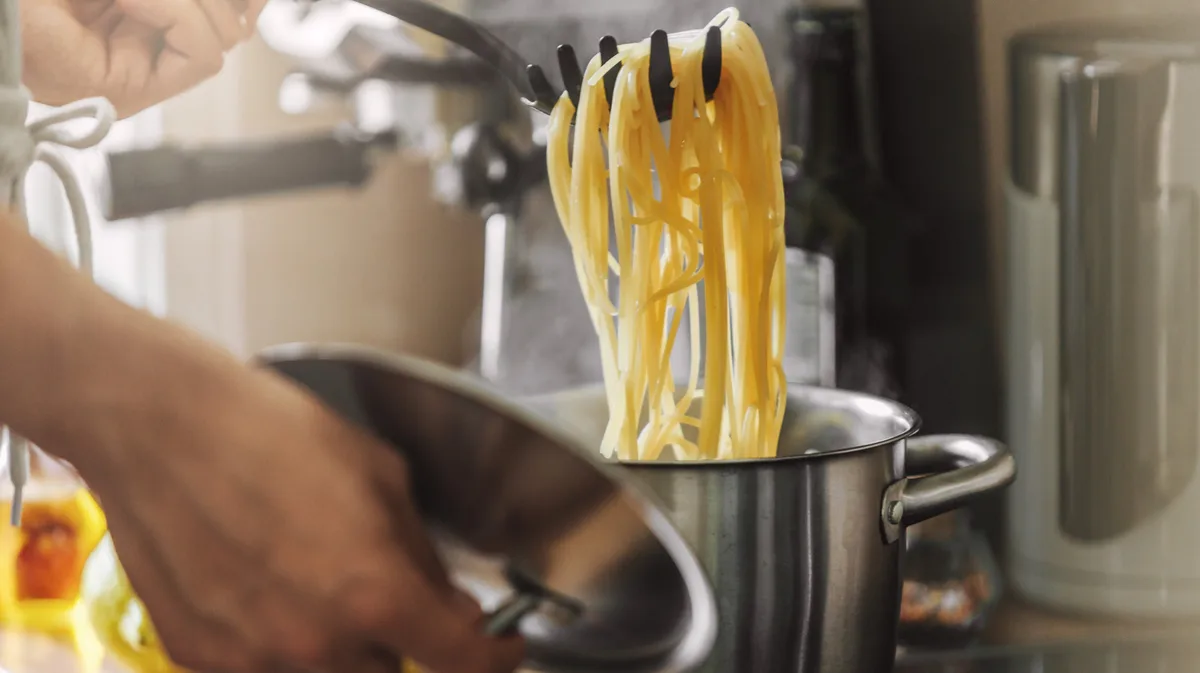
Image source: Web (Bing) / thedailymeal.com (Web image (fair-use with source credit))
Stir, test, and reserve water
Stir every minute or so. Short shapes settle right at the bottom, so a quick stir keeps them moving. Set a timer about 2 minutes short of the package directions.
When the timer goes off, taste a piece. You’re looking for a tender center with a slight bite. When it’s close, dip the mug in and scoop out about a cup of cloudy pasta water.
Drain and finish
Pour the pasta into a colander in the sink. Don’t rinse it. The starch on the surface is what helps sauce cling.
Return the pasta to the saucepan and add your sauce. If the sauce is thick, splash in some reserved pasta water. The starchy liquid loosens it up and coats every piece.
The One-Pan Workflow: Cooking Pasta Directly in the Sauce
Want even fewer dishes? Cook the pasta right in the sauce. It works surprisingly well in a saucepan, though it asks for more attention than standard boiling.
This method is risotto-style. Start with dry short pasta, like ditalini, orzo, or small shells. Add a thin tomato sauce or broth, then simmer and stir.
The pasta absorbs the liquid and releases starch, which thickens the sauce naturally.
Use about 1 cup of liquid for every 2 ounces of pasta. Add more liquid in small doses as the pasta drinks it up. Expect a total cooking time of 15 to 18 minutes, longer than the standard boil.
This is perfect for busy weeknights when you don’t feel like washing a separate pot. It also gives you a creamier, more cohesive dish without any cream. Just don’t try it with long noodles.
They’ll clump and cook unevenly.
Draining Without a Colander: The Lid Trick
If you don’t have a colander, or you just want fewer dishes, use the lid trick. Hold the saucepan lid in place with a pot holder, then tilt the pan over the sink. Leave a small gap at one side so the water pours out while the pasta stays inside.
This works best with small and medium shapes. Penne, shells, rotini, and macaroni all hold behind the lid without trouble. Long spaghetti can poke through the gap and slide out, so use tongs for that instead.
Let the pan sit for a few seconds before draining. That gives the boiling water a chance to calm down. Tilt the pan away from your body, and keep your face clear of the steam.
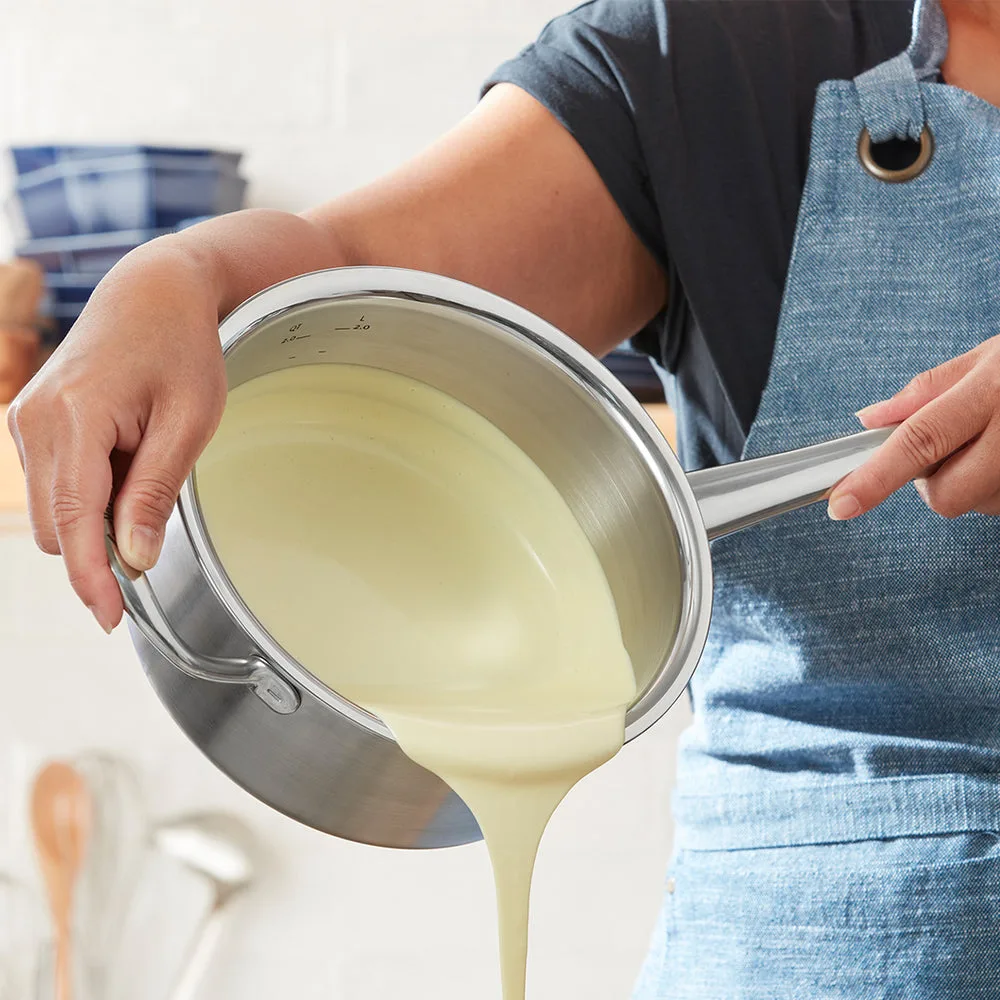
Image source: Bing (Web (fair-use with source credit))
The lid trick isn’t perfect. It leaves a little water in the bottom of the pan, which can thin out your sauce. That’s easy to fix.
Just finish the pasta in the saucepan over low heat for a minute. Excess water cooks off and the sauce thickens.
Common Saucepan Pasta Mistakes and Fixes
Boil-overs and how to tame them
Boil-overs happen because a saucepan has less headroom than a stockpot. Fill the pan only two-thirds full and keep the heat at medium-high instead of max.
If it still climbs, slide a wooden spoon across the top of the pan. That breaks the surface tension and brings the bubbles down.
Clumping and sticking
Sticky pasta usually means too little water or too little stirring. Use the right water ratio and stir the moment pasta hits the water. A splash of olive oil won’t save it.
It just coats the pasta and makes sauce slide off.
Undercooked or chalky centers
Crowded pans cook unevenly. Check that you have a strong, steady boil before adding pasta. Stir more often, and tack on an extra two minutes if you’re cooking a bigger batch.
An even cook beats a fast one.
When to Use a Saucepan vs. When to Grab a Bigger Pot
Use a saucepan when you’re cooking one or two servings, or when hot water speed matters. It heats quicker and leaves fewer dishes. For a solo dinner, a 2-quart saucepan is genuinely the best tool for the job.
Grab a stockpot when you’re feeding three or more, or when the pasta looks crowded before you add water. If the dry pasta fills more than half the pan, switch vessels. Cook half the batch, or move to a 6-quart pot.
Here’s a practical guide:
| Pasta amount | Pan size | Best for |
|---|---|---|
| 2–4 oz | 2-quart saucepan | One serving, quick lunches |
| 5–8 oz | 3-quart saucepan | Two generous portions |
| 9 oz or more | 6-quart stockpot | Families, leftovers, guests |
Check the pasta as you cook, not just the clock. If it’s swelling faster than expected, pull it early. You can always boil it a bit longer, but you can’t un-cook a mushy noodle.
Expert Tips for a Better Small-Batch Pasta
Small-batch cooking rewards a few high-leverage habits. The first is using a heavy-bottomed saucepan. It spreads heat evenly and stops the pasta from scorching along one edge.
If your pan has a thin base, stir more often and keep the heat a touch lower.
Salt the water generously. It’s the only chance to season the pasta from the inside out. A teaspoon of salt per quart is a solid starting point.
Use your pasta cooking water. That starchy liquid is the secret to silky sauces. It binds to fats in the sauce and helps everything cling to the noodles.
No bottled pasta enhancer does it better.
Rest the pasta for one minute after finishing. That lets the sauce settle and the noodles relax. You get a more cohesive plate, and the sauce doesn’t pool on the bottom.
Frequently Asked Questions
How much pasta should I cook in a saucepan?
A 2-quart saucepan handles about 4 ounces of dried pasta. That’s one generous serving or two smaller ones. A 3-quart pan reaches 8 ounces.
Stay within those limits to avoid overcrowding and boil-overs.
Do I need to rinse pasta after draining?
No. Rinsing washes away the starch that helps sauce cling. It also cools the pasta down.
The only time to rinse is when you’re making a cold pasta salad and want it chilled fast.
Why does my pasta stick together in a saucepan?
Sticking happens when there isn’t enough water or you skip the early stirring. Use the water ratio from earlier and stir right after adding pasta. The first 90 seconds are the most important.
Once the starch releases, clumping becomes rare.
Can I cook pasta directly in the sauce?
Yes, if you use short shapes and a thin sauce. This one-pan method takes longer, often 15 to 18 minutes. Simmer gently and add liquid as the pasta absorbs it.
Long noodles tend to clump, so stick to small shapes.
How do I reheat leftover pasta?
Toss leftover pasta in a hot saucepan with a splash of water or sauce. Warm it over medium-low heat, stirring until heated through. Leftover pesto pasta does well in a skillet with a little olive oil.
Your Saucepan Pasta Decision Guide
Here’s the whole method in one place. If you’re cooking for one or two, grab a 2-quart saucepan. Fill it two-thirds full, salt the water, and bring it to a rolling boil.
Add short pasta shapes and stir immediately. Cook until al dente, reserving a cup of pasta water before draining. Finish the pasta in the pan with your sauce.
If you’re cooking for three or more, switch to a stockpot. If you’re reheating leftovers, the saucepan wins again. Match the pan to the batch size, and small-pot pasta becomes second nature.