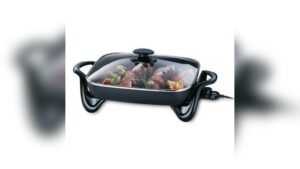
Cooking steak on an electric griddle is a smart choice for home cooks who want restaurant-quality results without the need for an outdoor grill or a heavy cast iron pan. With a few simple steps, anyone can achieve a juicy, flavorful steak with a perfect sear.
If you’re new to using an electric griddle, or you want to improve your skills, this guide will walk you through everything you need to know—from choosing the right steak and prepping it, to mastering the cooking process and serving the finished dish.
Why Use An Electric Griddle For Steak?
Many people think of electric griddles for breakfast foods like pancakes or bacon, but they are also excellent for cooking steak. The flat, nonstick surface heats evenly, which helps avoid hot spots that can burn or undercook parts of your steak. Electric griddles are also easy to control, so you can manage the temperature more precisely. They are especially useful in small kitchens or apartments where outdoor grilling is not possible.
One thing beginners often overlook is that griddles allow for a consistent sear, which is key for flavor and texture. Because the entire steak surface touches the hot griddle, you get a nice crust that seals in juices.
Choosing The Right Steak
The first step to great steak is choosing the right cut. Not all steaks cook the same way, and some are better suited for griddle cooking. Here are the top options:
- Ribeye – Known for its marbling and tenderness. It cooks quickly and develops a rich flavor.
- Sirloin – Leaner than ribeye, but still flavorful. Good for those who want less fat.
- New York Strip – Has a nice balance of fat and meat, plus a firm texture.
- Filet Mignon – Very tender, but less flavorful due to low fat. Requires careful cooking.
- Flank Steak – Thin and lean; best cooked quickly to avoid toughness.
When buying steak for the griddle, look for cuts that are about 1 to 1.5 inches thick. Thinner steaks can overcook, while very thick steaks may cook unevenly. Fresh steaks with bright red color and white marbling are best.
Preparing The Steak
Proper preparation is key for a tasty and tender steak. Follow these steps for best results:
1. Bring To Room Temperature
Take the steak out of the fridge 30-45 minutes before cooking. This helps it cook more evenly.
2. Pat Dry
Use paper towels to remove any surface moisture. A dry steak will sear better and brown nicely.
3. Season Generously
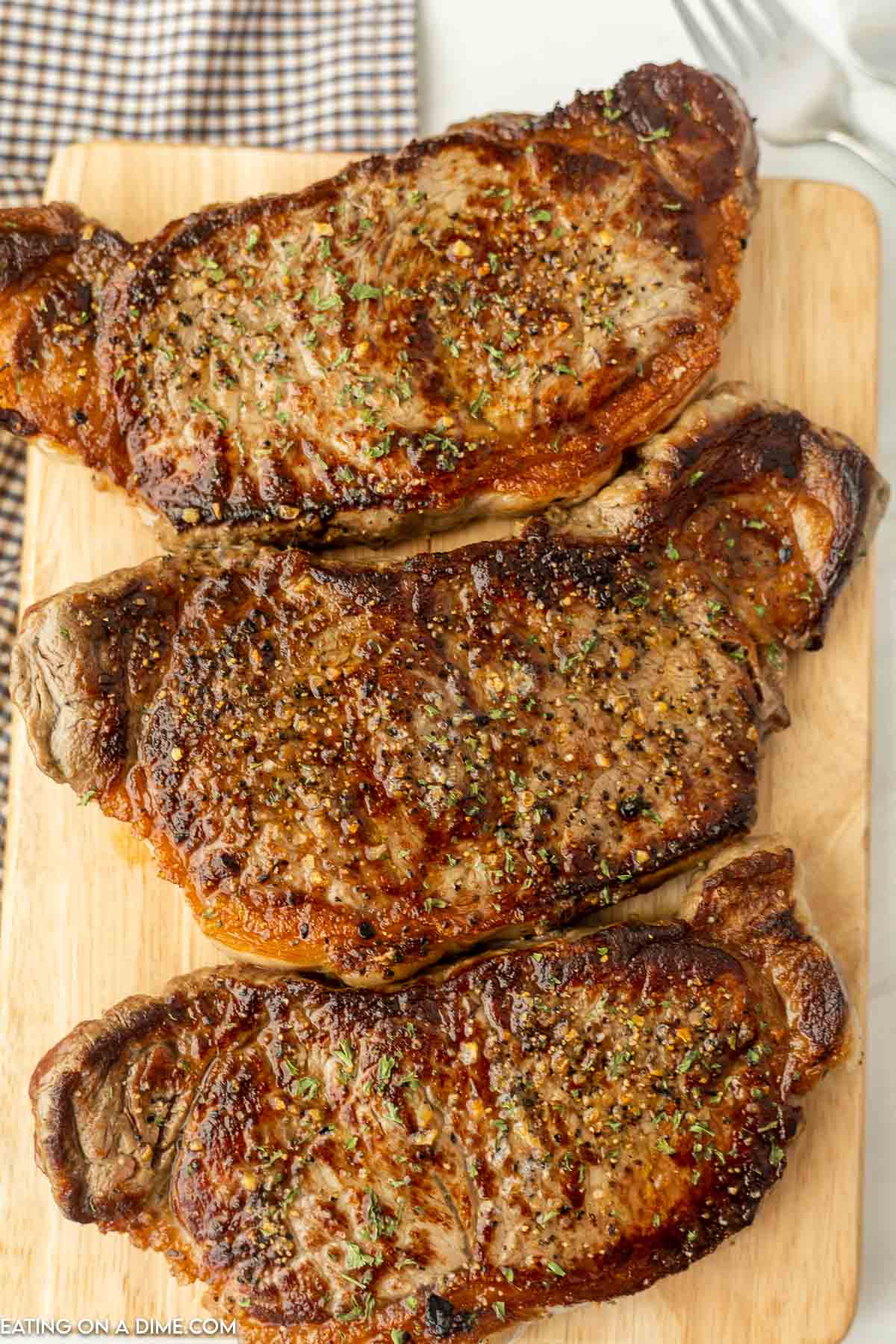
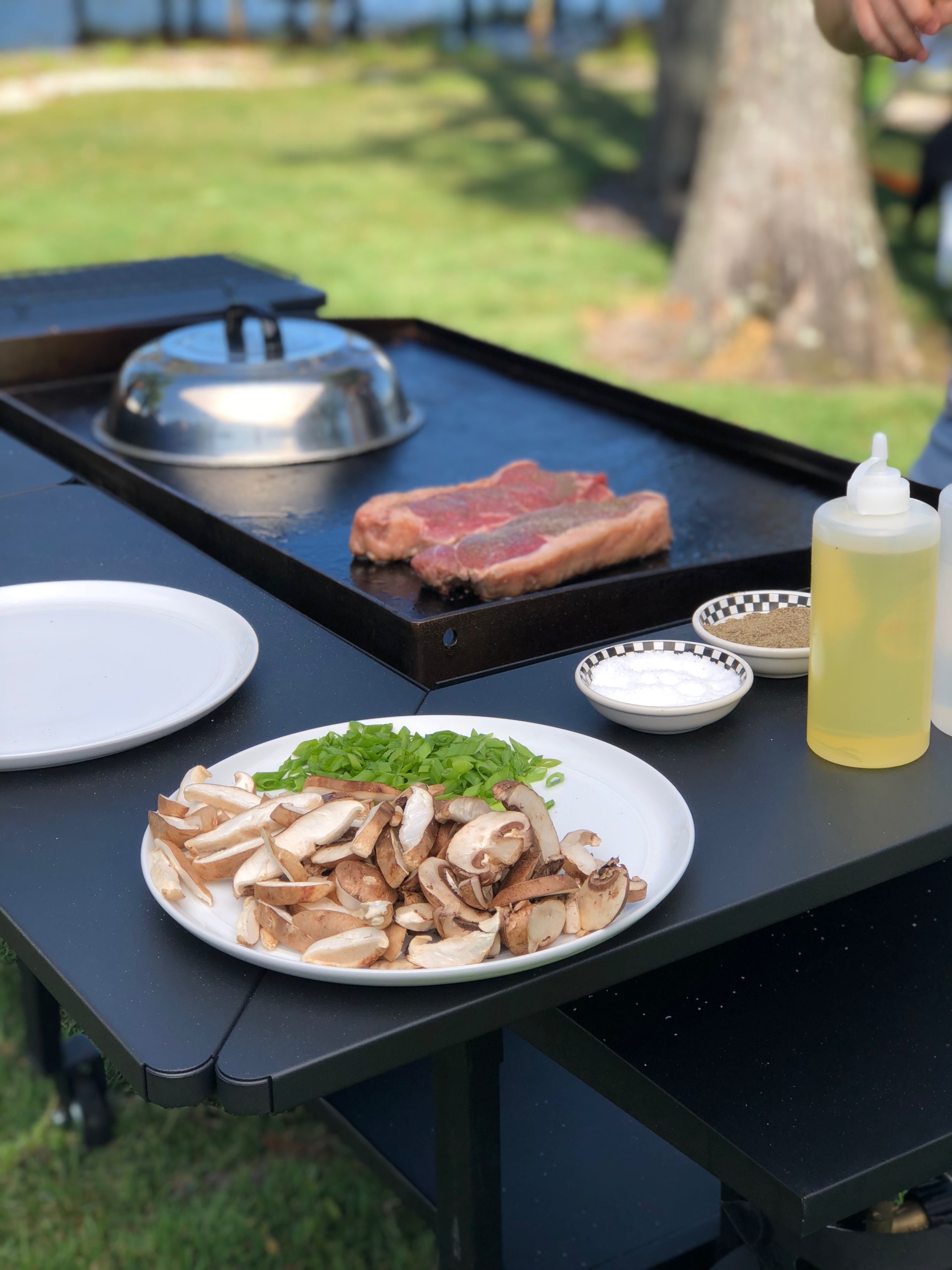
Sprinkle both sides with kosher salt and freshly ground black pepper. For more flavor, add garlic powder, smoked paprika, or your favorite steak rub. Avoid too much marinade, as it can prevent browning.
4. Add Oil
Lightly brush the steak with a high-smoke-point oil like canola or avocado oil. This helps prevent sticking and promotes even searing.
Example Of Basic Steak Seasoning
- 1 teaspoon kosher salt
- 1/2 teaspoon black pepper
- Optional: 1/2 teaspoon garlic powder
Mix and rub onto both sides of the steak just before cooking.
Setting Up The Electric Griddle
A successful steak starts with a properly heated griddle. Here’s how to get it right:
1. Preheat The Griddle
Set the temperature to 425°F (218°C). Let it heat for at least 10 minutes, so it’s evenly hot.
2. Check The Surface
Sprinkle a few drops of water—if they sizzle and dance, it’s ready.
3. Arrange Your Tools
Have tongs, a meat thermometer, and a spatula nearby. Avoid using a fork, as piercing the steak releases juices.
Cooking The Steak On The Electric Griddle
Now it’s time for the main event. Here’s a step-by-step process to cook steak on your electric griddle:
1. Place The Steak On The Hot Griddle
Lay the steak gently on the surface. You should hear an immediate sizzle.
2. Cook Without Moving
Let the steak cook on the first side for 3–4 minutes (for a 1-inch steak). Do not press down or move it around. This allows a good sear to form.
3. Flip Once
Use tongs to flip the steak. Cook the other side for another 3–4 minutes.
4. Check Temperature
Use a meat thermometer to check doneness. Insert it into the thickest part of the steak.
| Doneness | Internal Temperature | Cooking Time (per side) |
|---|---|---|
| Rare | 120–125°F (49–52°C) | 2–3 minutes |
| Medium Rare | 130–135°F (54–57°C) | 3–4 minutes |
| Medium | 140–145°F (60–63°C) | 4–5 minutes |
| Medium Well | 150–155°F (66–68°C) | 5–6 minutes |
| Well Done | 160°F+ (71°C+) | 6–7 minutes |
5. Rest The Steak
Transfer the steak to a plate and cover loosely with foil. Let it rest for 5–10 minutes. This allows juices to redistribute, making the steak juicier.
Searing Tips For Maximum Flavor
Many home cooks miss out on extra flavor by skipping these steps:
- Don’t Overcrowd the Griddle
If you cook several steaks at once, leave space between them. Overcrowding drops the temperature, so you don’t get a good sear.
- Add Butter Near the End
For a richer taste, add a tablespoon of butter on top of the steak during the last minute of cooking. You can also add a sprig of rosemary or thyme for an herby aroma.
- Use a Meat Thermometer
Guessing doneness is risky. A thermometer ensures your steak is perfectly cooked.
Credit: fundacionblazer.org
Common Mistakes When Cooking Steak On A Griddle
Even experienced cooks can make errors. Here’s what to avoid:
1. Cooking Cold Steak
A steak straight from the fridge cooks unevenly. Always bring to room temperature first.
2. Using Low Heat
A cold griddle produces pale, steamed steak, not a caramelized crust.
3. Pressing Down The Steak
Pressing with a spatula squeezes out juices. Let the steak cook naturally.
4. Skipping Rest Time
Cutting too soon causes juices to run out, leaving the steak dry.
5. Not Cleaning The Griddle Properly
Bits of old food can burn and stick to your next steak. Clean the surface well after each use.
Comparing Electric Griddle With Other Cooking Methods
Some cooks wonder how griddled steak compares to pan-seared or grilled steak. Here’s a quick look:
| Method | Pros | Cons |
|---|---|---|
| Electric Griddle | Easy temperature control, large surface, easy cleanup | Doesn’t produce grill marks, can lack smoky flavor |
| Cast Iron Pan | Excellent sear, retains heat well | Heavier, requires more maintenance |
| Outdoor Grill | Smoky flavor, grill marks | Needs outdoor space, weather dependent |

Credit: www.reddit.com
How To Know When Steak Is Done
Judging doneness by color or touch takes practice. The best way is to use a thermometer, but here are other signs:
- Rare: Very soft, deep red center
- Medium Rare: Soft, warm red center
- Medium: Less springy, pink center
- Medium Well: Firm, light pink
- Well Done: Very firm, little or no pink
Example: Touch Test
Press the steak gently with your finger. If it feels like the base of your thumb when you touch your thumb to your middle finger, it’s medium rare.
Serving And Slicing The Steak
Presentation and slicing matter. Here’s how to finish strong:
1. Slice Against The Grain
Look at the lines in your steak—slice perpendicular to them. This shortens the muscle fibers, making the steak more tender.
2. Serve With Sides
Pair with simple sides like roasted vegetables, mashed potatoes, or a fresh salad.
3. Optional Sauces
A drizzle of chimichurri, garlic butter, or peppercorn sauce can enhance flavor without overpowering the steak.
Credit: fundacionblazer.org
Cleaning And Caring For Your Electric Griddle
Good maintenance keeps your griddle in top shape. Here’s a simple process:
1. Unplug And Cool Down
Always unplug and let the griddle cool before cleaning.
2. Wipe The Surface
Use a damp sponge or cloth to remove grease and bits. Avoid metal scrubbers, which can scratch the nonstick coating.
3. Wash Removable Parts
If your griddle has a drip tray or removable plate, wash these in warm, soapy water.
4. Dry Completely
Moisture can cause rust or electrical problems. Make sure all parts are fully dry before storing.
Cost And Value Of Cooking Steak At Home
Many people are surprised by how much they save by cooking steak at home. Let’s compare:
| Source | Average Price (per 8 oz steak) | Additional Costs |
|---|---|---|
| Restaurant | $25–$40 | Tip, taxes, sides extra |
| Home (grocery store steak) | $7–$15 | Seasoning, oil |
Not only do you save money, but you also control the quality and doneness.
Two Common Insights Beginners Miss
1. Surface Moisture Affects Searing
Even a small amount of water on the steak’s surface will stop the Maillard reaction (the browning that gives steak its flavor). Always dry your steak well before seasoning.
2. Resting Isn’t Optional
Many think resting is only for thick steaks, but even thinner cuts benefit. Skipping rest time leads to drier steak.
Final Thoughts
Cooking steak on an electric griddle is both simple and rewarding. With the right cut, seasoning, and technique, you can serve a meal that rivals your favorite steakhouse. Pay attention to surface moisture, use a thermometer, and let the steak rest for best results. Don’t be afraid to experiment with different cuts or seasonings as you become more confident. If you want more details on steak doneness and safe cooking, check out this resource from the USDA Food Safety and Inspection Service.
Frequently Asked Questions
How Long Should I Preheat The Electric Griddle Before Cooking Steak?
Preheat the griddle for at least 10 minutes. This ensures the surface is hot enough to sear the steak and lock in juices.
Can I Cook Frozen Steak On An Electric Griddle?
It’s best to thaw steak completely before cooking. Frozen steak cooks unevenly and won’t develop a good crust.
What Oil Should I Use For Cooking Steak On A Griddle?
Choose oils with high smoke points, like canola, avocado, or grapeseed oil. Avoid butter for the main cooking process, as it can burn.
Why Is My Steak Not Browning Well On The Griddle?
This usually happens if the griddle isn’t hot enough or the steak surface is wet. Make sure to preheat fully and pat the steak dry before cooking.
Is It Safe To Eat Steak Cooked Medium Rare On An Electric Griddle?
Yes, as long as the internal temperature reaches at least 130°F (54°C). Always use a meat thermometer for accuracy and food safety.
With these tips and techniques, anyone can cook a perfect steak on an electric griddle—no matter their skill level. Enjoy your meal!