Dehydrating bananas at home is a practical way to enjoy this fruit all year. It’s easy to do with a food dehydrator, and the result is a sweet, chewy snack that’s healthier than store-bought chips. If you’re new to dehydrating or want to perfect your technique, this guide will walk you through every step.
You’ll discover how to pick the best bananas, prepare them, dry them efficiently, and avoid common mistakes that often lead to sticky or bitter results.
Why Dehydrate Bananas?
Bananas spoil quickly because of their high moisture content. By removing water, you can preserve bananas for months without refrigeration. Dehydrated bananas are portable, lightweight, and great for hiking, school lunches, or emergency food storage. They’re also a tasty alternative to sugary snacks. According to the USDA, dried bananas retain most of their nutrients, especially potassium and fiber, while concentrating their natural sweetness.
Choosing The Right Bananas
Not all bananas are equal for dehydrating. The type and ripeness affect texture and flavor.
| Banana Type | Ideal for Dehydrating? | Notes |
|---|---|---|
| Cavendish | Yes | Most common, sweet, dries well |
| Plantain | Sometimes | Needs to be ripe; less sweet, firmer |
| Red Banana | Yes | Unique flavor, slightly softer texture |
| Baby Banana | Yes | Small size, sweet, quick drying |
The best bananas for dehydration are ripe but firm. Overripe bananas (with lots of brown spots) are too soft and sticky, which can cause uneven drying and clumping. Slightly underripe bananas taste bland and may end up tough. Aim for bananas with yellow skin and a few spots—these offer the perfect balance of sweetness and texture.
Preparing Bananas For The Dehydrator
Proper preparation is key to making delicious banana chips or slices.
Peeling And Slicing
First, peel the bananas. Use a sharp knife to slice them evenly. You can cut them into:
- Rounds: About ¼ inch thick. Great for chips.
- Lengthwise strips: ¼ inch wide. Chewier, good for snacks.
- Diagonal slices: ¼ inch thick. Larger surface area, dries faster.
Uniform slices help the bananas dry at the same rate, avoiding some pieces being too dry while others remain sticky.
Preventing Browning
Bananas turn brown quickly when exposed to air. To keep them looking appetizing, soak slices in a mixture of lemon juice and water (1 tablespoon lemon juice per cup of water) for 5–10 minutes. This step is optional, but it preserves color and adds a slight tang.
Drying Preparation
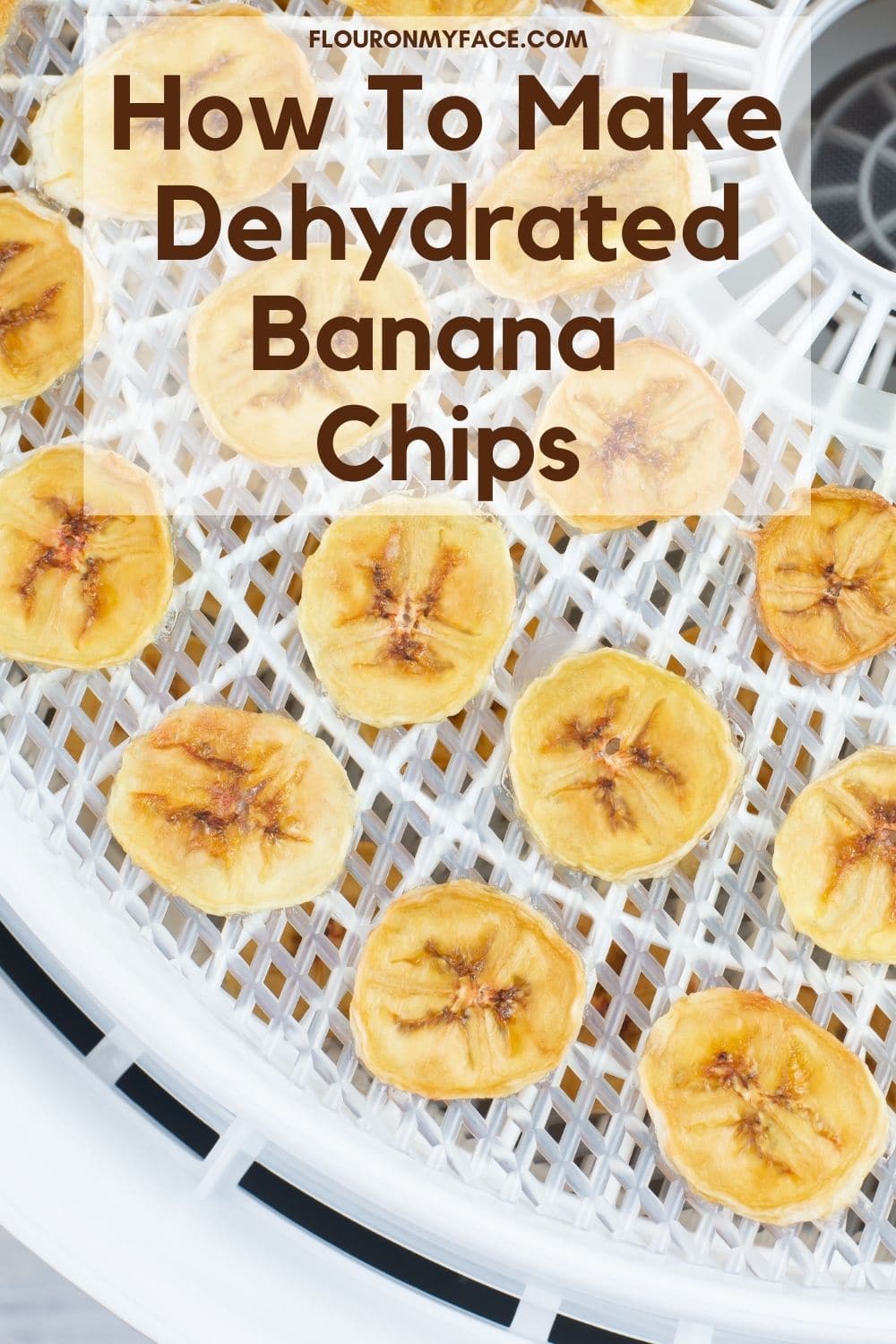
Pat banana slices dry with a paper towel. This removes excess moisture and speeds up dehydration. Arrange slices in a single layer on the dehydrator trays. Overlapping slices slows down drying and can cause uneven results.
Setting Up Your Food Dehydrator
Every food dehydrator has slightly different controls. Most models let you set temperature and time.
| Dehydrator Model | Temperature Range | Timer? | Tray Capacity |
|---|---|---|---|
| Nesco Snackmaster | 95–160°F | Yes | Up to 12 trays |
| Excalibur 9-Tray | 95–165°F | Yes | 9 trays |
| Presto Dehydro | 95–155°F | No | 6 trays |
Set your dehydrator to 135°F (57°C) for bananas. This is the ideal temperature for fruit. Drying at a lower temperature preserves flavor and nutrients, but takes longer. Higher temperatures can cause case hardening—the outside dries fast, trapping moisture inside.
Credit: www.thepurposefulpantry.com
Dehydrating Bananas: Step-by-step
- Prepare the trays: Place banana slices in a single layer without overlapping.
- Set temperature: Use 135°F (57°C).
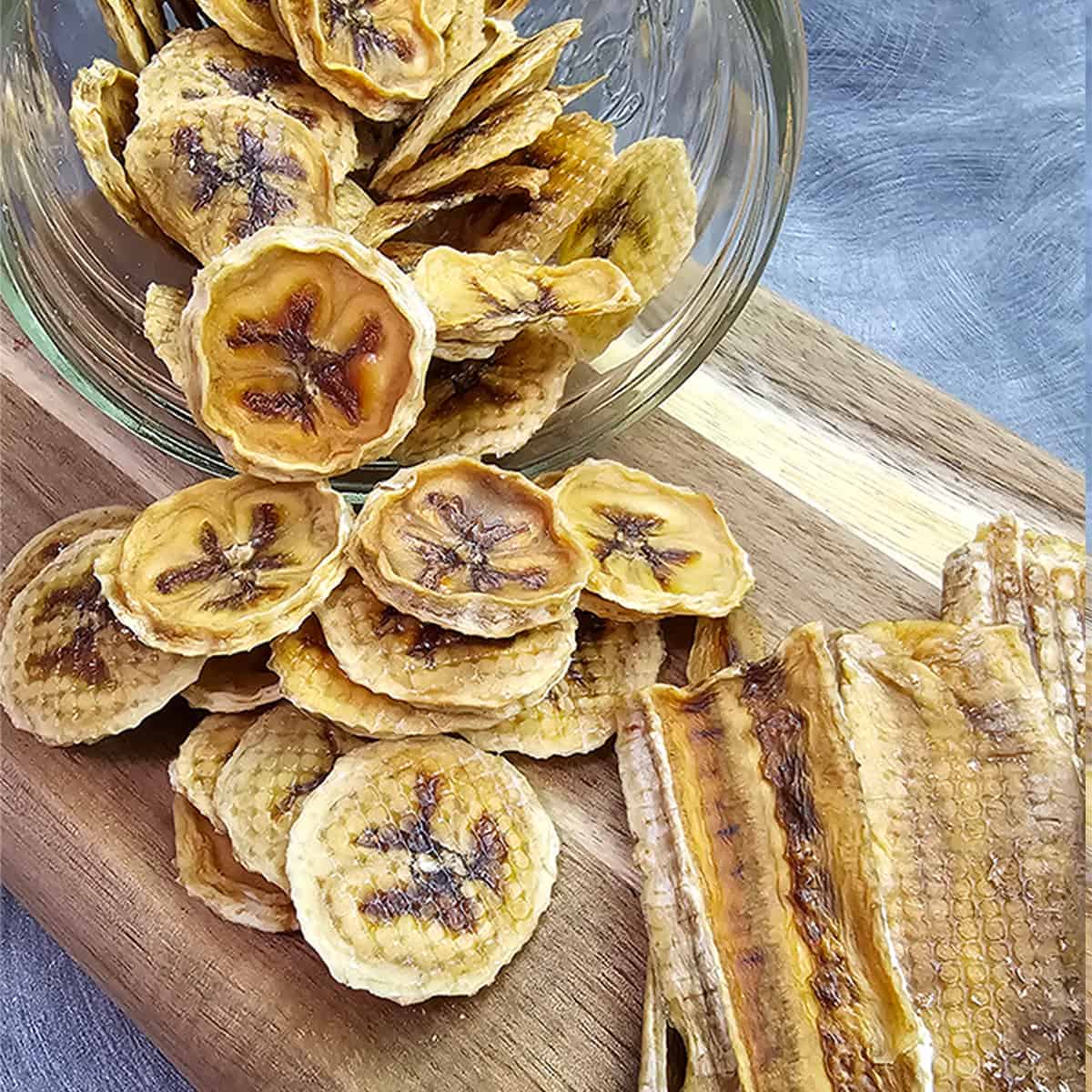
- Start dehydrator: Begin drying. Most bananas take 8–12 hours.
- Check progress: After 8 hours, check a few slices. They should be dry, not sticky, and bend without breaking.
- Rotate trays (if needed): Some dehydrators need tray rotation for even drying. Follow your model’s instructions.
- Finish drying: Bananas are done when they’re leathery and chewy. For crunchy chips, dry longer (up to 16 hours).
How To Tell When Bananas Are Done
Banana slices are ready when:
- They feel dry to the touch
- No visible moisture remains
- They bend but don’t break easily
If slices are still sticky after 12 hours, keep drying and check every hour. Overdrying can make bananas brittle and hard.
Storing Dehydrated Bananas
Proper storage keeps your banana chips fresh for months.
Cooling And Packaging
Let bananas cool completely before packaging. Warm slices can cause condensation, leading to mold.
- Airtight containers: Glass jars, zip-top bags, or vacuum-sealed bags work well.
- Cool, dark place: Store away from heat and sunlight. Pantry or cupboard is ideal.
- Use oxygen absorbers: For long-term storage (over 6 months), add oxygen absorber packets to containers.
Shelf Life
Dehydrated bananas last up to 12 months if stored correctly. For best flavor, use within 6–8 months. Watch for signs of moisture or mold—discard immediately if you see any.
Common Mistakes And How To Avoid Them
Many beginners struggle with sticky, uneven, or bitter banana chips. Here’s how to avoid these problems:
- Slicing too thick: Thick slices dry slowly and may remain sticky inside.
- Overlapping slices: Causes uneven drying.
- Skipping lemon soak: Leads to brown, unappealing chips.
- Too high temperature: Results in hard, bitter chips due to case hardening.
- Under-drying: Increases risk of mold and spoilage.
- Improper storage: Moisture in containers makes chips soft and shortens shelf life.
A useful tip: Always check your dehydrator’s manual for tray rotation advice. Some models dry unevenly if you leave trays in the same position.
Flavor Variations And Advanced Tips
Dehydrated bananas are delicious plain, but you can add flavor for variety.
Sweet And Savory Ideas
- Cinnamon banana chips: Sprinkle cinnamon on slices before drying.
- Vanilla banana chips: Dip slices in a mix of vanilla extract and water.
- Chocolate banana chips: Brush slices with melted dark chocolate after drying, then let them cool.
- Spicy banana chips: Add a pinch of chili powder for a unique twist.
Other Practical Insights
Most people miss these advanced tips:
- Use a mandoline slicer for perfect thickness. This makes chips more uniform and improves drying.
- If you want extra crunch, try dipping slices in a sugar syrup before drying. This creates a crisp shell, but adds calories.
Credit: flouronmyface.com
Nutrition Facts And Health Benefits
Dehydrated bananas are a nutritious snack. The drying process concentrates their nutrients.
| Nutrient | Fresh Banana (per 100g) | Dried Banana (per 100g) |
|---|---|---|
| Calories | 89 | 346 |
| Potassium | 358mg | 1050mg |
| Fiber | 2.6g | 12g |
| Sugar | 12g | 58g |
The increase in calories and sugar is because water is removed, concentrating the nutrients. But the fiber and potassium content also rises, making dehydrated bananas a filling snack. They’re gluten-free, vegan, and suitable for most diets.
Dehydrated Bananas Vs Store-bought Banana Chips
Many people confuse dehydrated bananas with commercial banana chips. They’re not the same.
Store-bought chips are often fried in oil and coated with sugar. Homemade dehydrated bananas are simply dried, with no added fat. This makes them healthier and less calorie-dense.
| Type | Preparation | Calories (per 100g) | Fat Content | Added Sugar |
|---|---|---|---|---|
| Dehydrated Bananas | Dried, no oil | 346 | 0g | No |
| Store-Bought Chips | Fried in oil | 519 | 31g | Often |
If you want a snack that’s lower in fat and sugar, homemade dehydrated bananas are the clear winner.

Credit: realfoodrealdeals.com
Practical Uses For Dehydrated Bananas
Dehydrated bananas aren’t just for snacking. Here are some creative ideas:
- Trail mix: Mix with nuts and dried berries.
- Breakfast topping: Sprinkle on oatmeal or yogurt.
- Smoothies: Rehydrate and blend for a natural sweetener.
- Baking: Add to muffins, breads, or cookies.
- Emergency food: Keep some in your car or backpack.
For more practical food preservation advice, check out Wikipedia’s food dehydrator page.
Frequently Asked Questions
How Long Do Dehydrated Bananas Last?
Properly dried and stored bananas can last up to 12 months. For best taste, use within 6–8 months.
Can I Dehydrate Bananas Without Lemon Juice?
Yes, but slices will turn brown quickly. Lemon juice keeps them yellow and fresh-looking.
Why Are My Banana Chips Sticky?
Sticky chips usually mean they’re under-dried or sliced too thick. Dry longer or slice thinner for best results.
Can I Use A Food Dehydrator For Other Fruits?
Definitely. Dehydrators work for apples, pears, mangoes, and many other fruits. Each type has its own ideal temperature and drying time.
Are Dehydrated Bananas Healthy?
Yes, they’re high in potassium and fiber, but also concentrated in sugar. Eat in moderation, especially if you’re watching sugar intake.
Dehydrating bananas in a food dehydrator is a simple, effective way to preserve fruit and create a healthy snack. With the right technique, you’ll avoid common mistakes and enjoy tasty, chewy banana chips for months. Experiment with flavors, use proper storage, and don’t be afraid to try other fruits.
Your dehydrator can do much more than bananas, so keep exploring new recipes and snacks.