Keeping your ice machine clean is essential for good ice and a long-lasting appliance. Many people don’t realize that limescale and mineral buildup can ruin the taste of ice and even damage the machine over time. If you want a simple, low-cost way to descale, vinegar is an excellent solution. Vinegar is safe, eco-friendly, and easy to find. But not everyone knows how to use it the right way on an ice machine. In this article, you’ll learn the complete, step-by-step method to descale your ice machine with vinegar, what to watch out for, and how to keep your machine running smoothly.
Why Descale An Ice Machine?
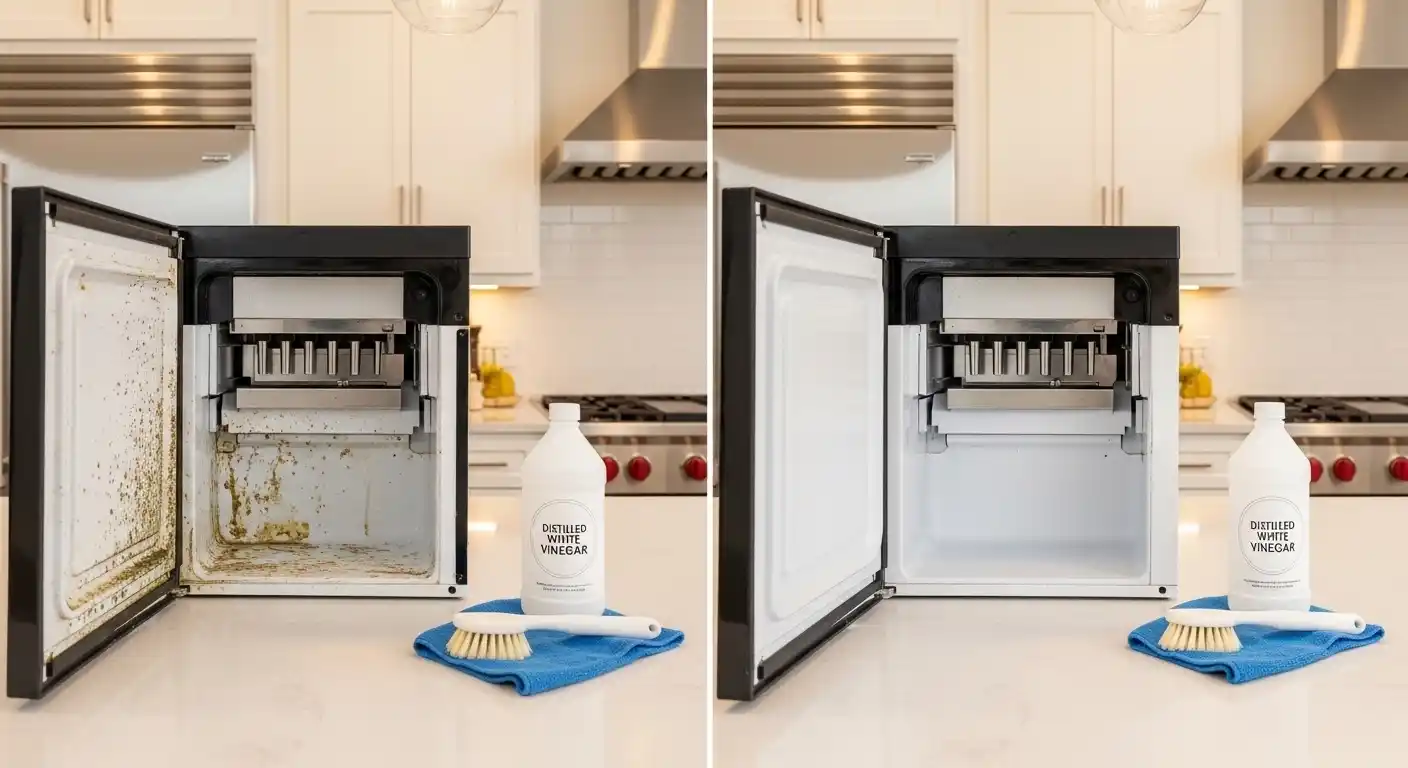
Ice machines work by freezing water, but most water contains minerals like calcium and magnesium. Over time, these minerals stick to parts inside the ice maker. This buildup is called scale. If you don’t remove it, several problems can happen:
- The ice will taste strange or have white flakes.
- The machine will use more energy.
- Ice production will slow down or stop.
- Parts may break or clog.
Regular descaling can keep your ice clear, fresh, and safe. It also helps your machine last longer and work better.
How Vinegar Removes Scale
Many commercial descaling products use strong chemicals. Vinegar, especially white distilled vinegar, is a natural acid that’s safe for most ice machines. It dissolves mineral deposits without damaging plastic or metal parts. Vinegar is also cheap and easy to rinse out.
However, vinegar isn’t perfect for every situation. If your machine has very thick or old scale, you might need to repeat the process or use a stronger cleaner. But for regular cleaning, vinegar works well.
What You’ll Need
Gather these items before you start. Being prepared will make the process smoother and faster.
- White distilled vinegar (at least 1 liter/quart)
- Clean water
- Soft cloths or sponges
- Small brush (like a toothbrush)
- Gloves (optional, for sensitive skin)
- Bucket or large bowl
- Measuring cup
- Screwdriver (for some machines)
- Towel
Preparing Your Ice Machine
Before using vinegar, turn off and unplug your ice machine. If it’s built-in, switch off the power at the breaker. This is important for safety. Remove all ice from the bin and throw away any cubes made before cleaning. If your machine has a drain plug, open it and let all the water out.
Some machines have removable parts like trays or filters—take these out and wash them with soap and water.
If your ice maker connects to a water line, turn off the water supply. Check your user manual for any special steps. Not all machines are the same.
Step-by-step: Descaling With Vinegar
Follow these steps for a deep clean. This method suits most home and small commercial ice machines.
1. Mix The Vinegar Solution
Mix equal parts vinegar and water. For example, use 2 cups of vinegar and 2 cups of water. This solution is strong enough to break down scale but safe for most machine parts.
2. Fill The Water Reservoir
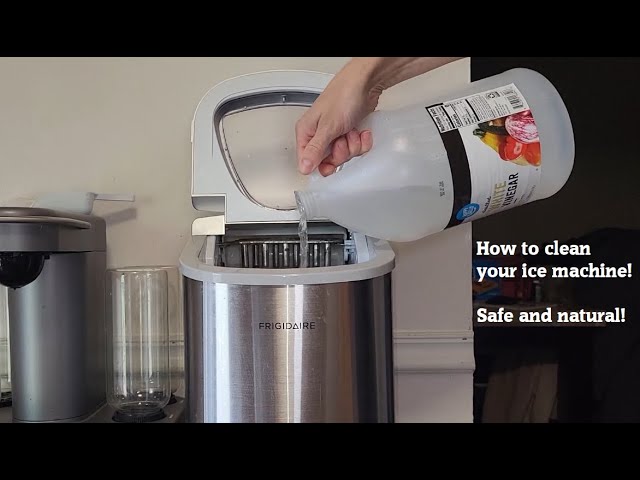
Pour the vinegar solution into the machine’s water reservoir. If your model has a “clean” setting, use it now. If not, run the machine as if you’re making ice. This pulls the vinegar through the system.
3. Run A Cleaning Cycle
Let the machine run a full cycle with the vinegar solution. You may see flakes in the ice or water—this is normal. It means the scale is dissolving.
If your machine doesn’t have a cleaning mode, just let it make ice until the reservoir is empty. This may take 20–40 minutes. Discard all ice made with vinegar solution.
4. Scrub Removable Parts
While the machine is running, soak removable parts (like trays, bins, and filters) in a vinegar-water solution. Use a small brush to clean corners and crevices. Rinse with clean water.
5. Rinse The System
Once the vinegar solution has run through, fill the reservoir with clean water. Run at least two full cycles to rinse out all vinegar. This step is important—any leftover vinegar will affect the taste of your ice.
6. Wipe Down Surfaces
Use a damp cloth to wipe the inside and outside of the machine. Focus on areas with white spots or buildup. Dry with a towel to prevent water spots.
7. Reassemble And Restart
Put all parts back in place. Plug the machine in and turn on the water supply. Run one more cycle and throw away the first batch of ice. This ensures your ice is safe and fresh.
Comparing Vinegar To Commercial Descalers
Some people wonder if vinegar is as good as commercial descalers. Here’s a side-by-side look:
| Feature | Vinegar | Commercial Descaler |
|---|---|---|
| Safety | Food-safe, non-toxic | Varies (some harsh chemicals) |
| Cost | Very low | Medium to high |
| Effectiveness | Good for light/medium scale | Best for heavy scale |
| Odor | Strong vinegar smell (temporary) | Chemical smell (may linger) |
| Environmental Impact | Eco-friendly | Can be harmful |
Vinegar is great for regular cleaning and mild buildup. For very hard water or long-neglected machines, a commercial product might be needed.
Credit: www.reddit.com
How Often Should You Descale?
The answer depends on your water and how much you use the machine. A good rule for most homes is to descale every 3–6 months. If you have hard water, you may need to clean every 1–2 months. Commercial machines in busy settings might need monthly cleaning.
Some signs you need to descale:
- Ice is cloudy or has white spots.
- Ice tastes bad.
- Machine is louder than usual.
- Ice production slows down.
If you notice these, descale as soon as possible.
Common Mistakes To Avoid
Cleaning an ice machine with vinegar is simple, but there are mistakes beginners often make:
- Skipping the Rinse – Not rinsing enough leaves a vinegar taste and odor in your ice.
- Using the Wrong Vinegar – Only use plain white distilled vinegar. Apple cider or flavored vinegars can stain and leave residue.
- Forgetting Removable Parts – Scale builds up on trays, bins, and filters too. Don’t skip these.
- Not Turning Off the Machine – Always unplug before you start. Water and electricity are a dangerous mix.
- Ignoring the Manual – Each machine is different. Some have special instructions or cleaning cycles. Check the manual for your model.
- Letting Scale Get Too Thick – If you wait too long, vinegar may not be strong enough. Clean regularly to avoid this.
Tips For Best Results
- Use filtered water in your machine to slow down mineral buildup.
- Mark your calendar for regular cleaning—don’t wait for problems.
- If you live in a hard water area, consider a water softener.
- For stubborn spots, soak a cloth in vinegar and wrap it around the area for 30 minutes, then scrub.
- Check hoses and connections for hidden buildup.
Real-world Example
Anna runs a small café and uses her ice machine every day. She noticed her ice was cloudy and the machine was making a strange noise. After reading about vinegar descaling, she tried it herself. She unplugged the machine, mixed a half-and-half solution, and ran the cleaning cycle.
Anna was surprised by the amount of white flakes that came out. After rinsing twice and wiping everything down, the ice was clear and the noise stopped. By cleaning every three months, Anna keeps her ice machine working like new—without buying expensive cleaners.
How Vinegar Descaling Compares To Other Methods
There are other ways to descale an ice machine, but each has pros and cons:
| Method | Pros | Cons |
|---|---|---|
| Vinegar | Cheap, safe, easy to find | Strong odor, may need more rinsing |
| Lemon Juice | Natural, pleasant scent | More expensive, sticky residue possible |
| Commercial Descaler | Very effective, fast | More expensive, chemicals can be harsh |
| Baking Soda | Gentle, safe | Not strong enough for heavy scale |
Many experts recommend vinegar for its balance of safety, cost, and effectiveness.
When Not To Use Vinegar
Most ice machines are safe with vinegar, but some may have parts that react with acid. For example, certain rubber seals or specialty metals can wear out if cleaned with vinegar often. Always check your user manual or manufacturer’s website.
If in doubt, contact the maker directly.
Some commercial machines have warranty terms that require using only approved cleaners. Breaking this rule can void your warranty.
Credit: www.youtube.com
Keeping Your Ice Machine Clean Longer
Descaling is important, but you can do more to keep your machine clean:
- Always use clean, filtered water.
- Keep the machine in a cool, dry place.
- Wipe spills and splashes inside the machine quickly.
- Change filters on schedule.
- Leave the door or lid open after cleaning to air dry the inside.
These habits can prevent scale and mold, saving you time and money.
The Hidden Problem: Biofilm
Many people focus on limescale but forget about biofilm. This is a slimy layer of bacteria and mold that can grow inside ice machines. Vinegar helps with scale, but not all bacteria. For the best results, clean with soap and water before descaling, and consider a food-safe sanitizer if you notice any slimy film. Neglecting biofilm can lead to health risks, not just bad-tasting ice.
Credit: www.youtube.com
Signs Your Machine Needs Professional Service
Regular descaling solves most problems. But if your machine:
- Makes loud grinding or banging noises
- Leaks water
- Stops making ice completely
…you may need a professional technician. Sometimes, scale blocks valves or water lines that require special tools to fix.
Environmental Impact Of Vinegar Cleaning
Using vinegar instead of harsh chemicals is better for the environment. Vinegar breaks down naturally and doesn’t pollute water. If you use lots of commercial cleaner, you may need to follow special disposal rules. By choosing vinegar, you keep both your ice machine and the planet healthier.
Frequently Asked Questions
Can I Use Apple Cider Vinegar Instead Of White Vinegar?
No. Only white distilled vinegar is recommended. Other types can stain or leave flavors in your ice. White vinegar is clear, effective, and easy to rinse.
How Much Vinegar Should I Use For Descaling?
Use a 50/50 mix of vinegar and water. For most machines, 2 cups of each is enough. Always check your manual for the correct amount for your model.
Is It Safe To Eat Ice Made Right After Cleaning?
No. The first batch of ice after descaling should be thrown away. Run at least two rinse cycles with clean water and discard the ice before using the machine again.
What If The Scale Does Not Come Off Completely?
If scale remains after cleaning, repeat the vinegar process. For very thick buildup, you may need a commercial descaler or professional cleaning. Don’t scrape with metal tools—they can damage parts.
Where Can I Learn More About Ice Machine Maintenance?
For more information, you can visit resources like the Wikipedia Ice Maker page for detailed explanations and maintenance tips.
Taking good care of your ice machine is easier than most people think. Regular descaling with vinegar is simple, safe, and effective. It keeps your ice tasting pure and your machine running for years. Just remember to rinse well, follow your manual, and don’t wait until problems start.
Your ice—and your guests—will thank you.