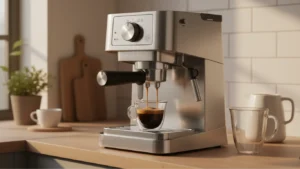
You love espresso, but every time you pull a shot, it ends up bitter and harsh. It’s frustrating when your morning boost turns into a mouthful of disappointment.
What if you could fix that bitterness and enjoy a smooth, rich espresso every time? The good news is, you absolutely can. Whether it’s your grind size, water temperature, or extraction time, small tweaks can transform your espresso from bitter to balanced.
Keep reading, and you’ll discover easy, practical steps to turn your bitter espresso into the perfect cup you deserve.
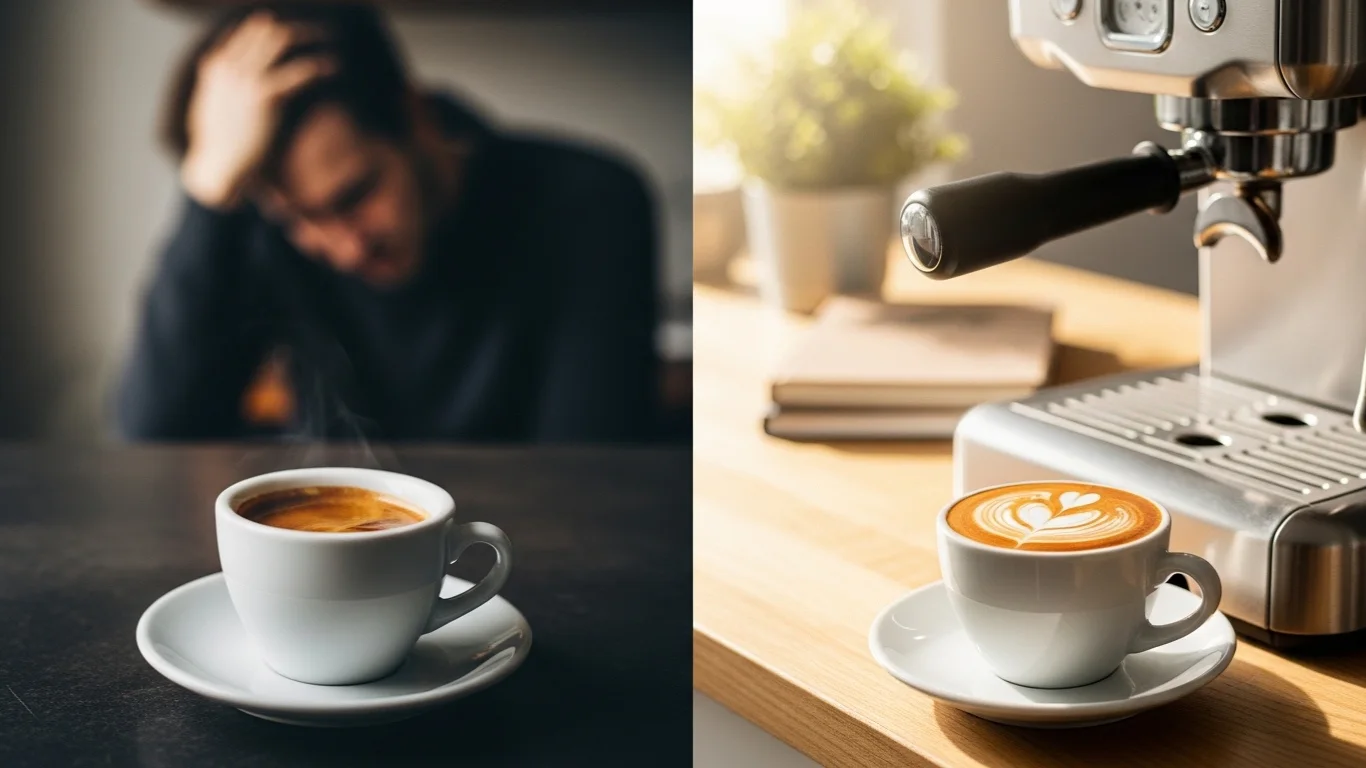
Causes Of Bitter Espresso
Bitter espresso often ruins the coffee experience. Understanding the causes helps improve your brew. Several factors affect bitterness in espresso. Each one plays a key role in taste.
Over-extraction Issues
Over-extraction happens when water stays too long on coffee grounds. This pulls out bitter compounds from the coffee. The shot tastes harsh and unpleasant. Shortening the extraction time can reduce bitterness.
Grind Size Impact
Grind size controls how fast water flows through coffee. Too fine a grind slows water, causing over-extraction. This leads to a bitter taste. Using a coarser grind helps balance extraction and flavor.
Water Temperature Effects
Water temperature affects what flavors dissolve from coffee. Too hot water extracts bitter flavors quickly. Ideal temperature ranges between 195°F and 205°F. Keeping water in this range prevents burnt, bitter notes.
Bean Roast And Variety
Dark roasts naturally have stronger, bitter flavors. Some coffee varieties, like Robusta, taste more bitter than Arabica. Choosing lighter roasts or specialty beans reduces bitterness. Fresh beans also improve flavor balance.
Dirty Equipment Problems
Old coffee oils and residue build up in machines. This leftover grime adds unwanted bitter flavors. Regular cleaning of the portafilter, group head, and grinder keeps espresso pure. Clean equipment means better tasting coffee.
Water Quality Influence
Water quality changes espresso flavor significantly. Hard water with minerals can cause bitterness. Chlorinated or poor-quality water harms taste too. Using filtered or bottled water improves espresso flavor and reduces bitterness.

Credit: www.home-barista.com
Adjusting Grind For Better Taste
Adjusting the grind size plays a key role in reducing bitterness in espresso. The grind affects how water flows through the coffee and how flavors develop. Small changes in grind size can lead to big improvements in taste.
Finding the right grind balance helps avoid over-extraction. Over-extraction pulls bitter compounds from the coffee grounds. Adjusting the grind coarseness controls extraction time and flavor balance.
Choosing The Right Coarseness
Grind size affects how fast water passes through coffee. A very fine grind slows down water flow. This can cause over-extraction and bitterness. A coarser grind lets water flow faster. It reduces the chance of bitterness.
Start with a medium-fine grind for espresso. Make small changes until bitterness fades. Each grinder is different, so test your equipment. Avoid grinding too coarse; this weakens flavor.
Effects On Extraction Time
Extraction time depends on grind size. Finer grinds increase contact time between water and coffee. This pulls more bitter compounds. Coarser grinds shorten extraction time. This helps prevent harsh flavors.
Ideal espresso extraction lasts about 25 to 30 seconds. If your shot pulls longer, try coarser grind. If it pulls too fast, try finer grind. Adjusting grind size controls extraction and taste.
Optimizing Extraction Time
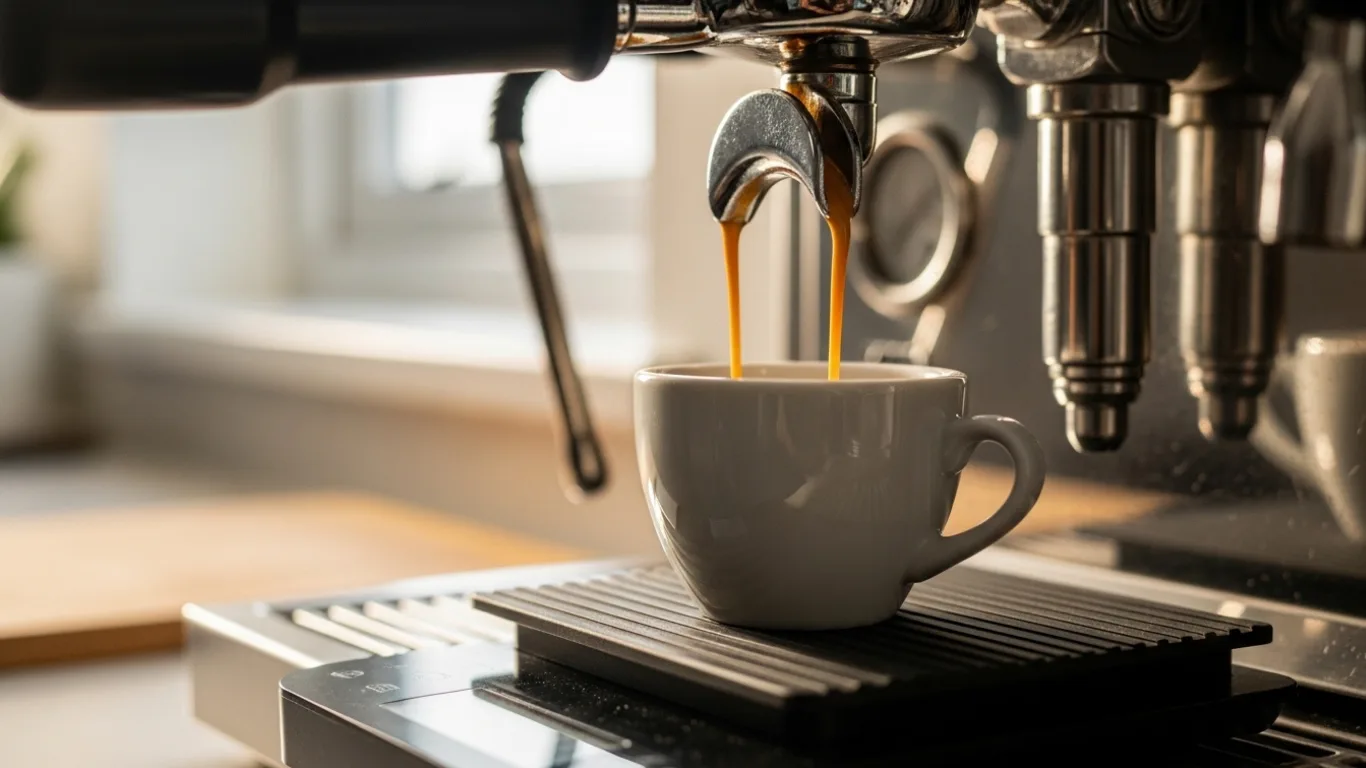
Optimizing extraction time plays a crucial role in fixing bitter espresso. Extraction time means how long water stays in contact with coffee grounds. Too long extraction pulls out bitter flavors from the coffee. Adjusting extraction time helps balance flavor and reduce bitterness.
Shortening Brew Duration
Shortening the brew duration limits the time water extracts from the coffee. Aim for 25 to 30 seconds for a standard espresso shot. If the shot takes longer, try grinding the coffee coarser. Coarser grounds speed up water flow and reduce bitterness. Monitor your shot time carefully during brewing. Shorter brew times prevent over-extraction and harsh taste.
Balancing Flow Rate
Flow rate affects how quickly water passes through coffee grounds. Too slow flow causes long extraction and bitter flavors. Too fast flow results in weak, under-extracted espresso. Adjust grind size and tamp pressure to control flow rate. A medium-coarse grind and even tamp help maintain steady flow. Consistent flow rate ensures proper extraction and smooth espresso taste.
Managing Water Temperature
Water temperature plays a key role in the taste of your espresso. Too hot water can extract bitter compounds from coffee grounds. Cooler water may not extract enough flavor. Managing the right temperature helps balance the taste and reduce bitterness. This section explains how to control water temperature for better espresso.
Ideal Temperature Range
The best water temperature for espresso is between 195°F and 205°F (90°C to 96°C). This range allows the coffee to release rich flavors without bitterness. Water below 195°F may cause weak or sour espresso. Above 205°F, the heat can burn the coffee, creating a harsh taste. Use a thermometer or a machine with temperature control to stay in this range.
Avoiding Overheating
Overheating water leads to bitter espresso. Let your espresso machine warm up properly before brewing. Avoid using boiling water directly on coffee grounds. If your machine lacks temperature control, try cooling the water slightly before brewing. Consistent water temperature helps prevent extracting bitter oils and compounds. Keep your equipment clean to maintain stable heating.
Selecting Beans And Roasts
Selecting the right beans and roast level is key to fixing bitter espresso. Beans differ in flavor, acidity, and bitterness. Choosing the proper roast influences the taste balance and can reduce harsh bitterness. Knowing what to pick helps improve your espresso experience.
Lighter Roasts Benefits
Lighter roasts keep more natural coffee flavors. They have higher acidity and less bitterness than dark roasts. These roasts highlight fruity and floral notes. Using lighter roasts can make espresso taste smoother and brighter. They also reduce burnt or overly bitter flavors.
Specialty Coffee Options
Specialty coffee beans often come from specific farms or regions. They are carefully processed for quality and flavor. These beans usually have unique taste profiles, such as sweet, nutty, or citrus notes. Specialty coffees tend to be less bitter and more complex. Choosing specialty beans can enhance your espresso’s flavor and reduce bitterness.
Cleaning And Maintenance Tips
Keeping your espresso machine clean plays a big role in reducing bitterness. Old coffee oils and residues build up over time. These leftovers change the taste of your espresso. Regular cleaning removes these bitter elements. A clean machine ensures fresh, smooth espresso every time.
Removing Old Coffee Oils
Old coffee oils stick to the machine’s parts. These oils turn rancid and taste bitter. Use a coffee-specific cleaning solution to remove them. Soak removable parts like portafilters and baskets in the solution. Scrub gently with a brush to clear all residues. Rinse parts well with warm water before use. Removing these oils helps the true coffee flavors shine.
Regular Machine Cleaning
Clean the espresso machine daily and monthly. Daily cleaning includes wiping the steam wand and flushing the group head. Use a damp cloth to remove milk and coffee stains. Monthly, run a backflush cycle with a cleaning tablet. Follow the machine’s manual for the right steps. Regular cleaning prevents buildup that causes bitterness. It keeps water flowing freely and espresso tasting fresh.
Improving Water Quality
Water quality plays a key role in how espresso tastes. Poor water can cause bitterness by extracting unwanted flavors. Improving water quality ensures a smoother, balanced espresso shot. Paying attention to the water you use helps avoid harsh, bitter notes.
Using Filtered Water
Filtered water removes chlorine and impurities that affect taste. It reduces hard minerals that cause bitterness in espresso. Using a simple water filter improves flavor clarity. Filters help keep your espresso machine clean too. Always choose fresh, filtered water for the best results.
Testing Mineral Content
Minerals in water impact extraction and flavor balance. Testing mineral content shows if water is too hard or soft. Hard water has high calcium and magnesium, which can cause bitterness. Soft water lacks minerals and may taste flat. Aim for balanced mineral levels to improve your espresso taste.
Quick Fixes For Bitter Shots
Bitter espresso shots can ruin your coffee experience. Quick fixes help improve taste fast. You do not need complex steps to fix bitterness. Small changes make big differences. Start with easy checks before deep troubleshooting.
Adjusting Grind Size Quickly
Grind size affects extraction speed and flavor. Too fine a grind causes over-extraction and bitterness. Adjust your grinder to a coarser setting. Make small changes and test the shot. Coarser grounds let water flow better. This reduces bitter compounds in espresso.
Checking Equipment Cleanliness
Old coffee oils build up and taste bitter. Clean portafilter, group head, and baskets regularly. Use a brush or cleaning tablet for best results. Dirty equipment ruins fresh coffee flavor quickly. Clean tools keep espresso tasting smooth and fresh.
Tasting And Adjusting
After changes, taste your espresso carefully. Note bitterness level and overall balance. Adjust grind size or dose slightly if needed. Change water temperature or shot time for fine-tuning. Small tweaks improve flavor without guesswork. Keep tasting to find your perfect shot.
Frequently Asked Questions
How Do You Reduce Bitterness In Espresso?
Reduce espresso bitterness by shortening extraction time and using a coarser grind. Lower water temperature and clean equipment regularly. Choose lighter roast beans and try filtered water for better taste.
How To Adjust Grind For Bitter Espresso?
Adjust your grind coarser to reduce bitterness in espresso. A finer grind causes over-extraction, leading to harsh flavors. Coarser grounds allow faster water flow, preventing bitterness. Experiment with small changes for the best taste.
Why Does Some Espresso Taste Bitter?
Espresso tastes bitter due to over-extraction, too fine grind, high water temperature, dark roast beans, or dirty equipment. Adjust grind coarser, shorten extraction time, use cooler water, try lighter roasts, and clean your machine to reduce bitterness.
How Do You Tone Down Bitter Taste?
Reduce bitterness by shortening extraction time, using a coarser grind, lowering water temperature, and cleaning equipment regularly. Choose lighter roast beans and filtered water for smoother taste.
Why Does My Espresso Taste Bitter?
Espresso tastes bitter due to over-extraction, too fine grind, too hot water, or dark roast beans.
Conclusion
Bitter espresso often results from over-extraction or too fine a grind. Adjust grind size to be coarser for better flow. Use fresh, clean equipment to avoid old, bitter oils. Try lighter roasts or different beans for a smoother taste. Control water temperature to prevent harsh flavors.
Filtering water can also improve espresso quality. Small changes make a big difference in taste. Keep practicing, and your espresso will taste just right. Enjoy brewing!

I’m Joshua Miller, a U.S.-based food enthusiast and Co-Founder of KitchenWink.com. With a Bachelor’s degree in Food Science and over five years of hands-on experience testing blenders, coffee makers, and other kitchen tools, I focus on real-world results—not lab theories.
As a home cook, I personally test every product in real kitchens to give you honest, practical advice that makes everyday cooking easier.