Skip to content
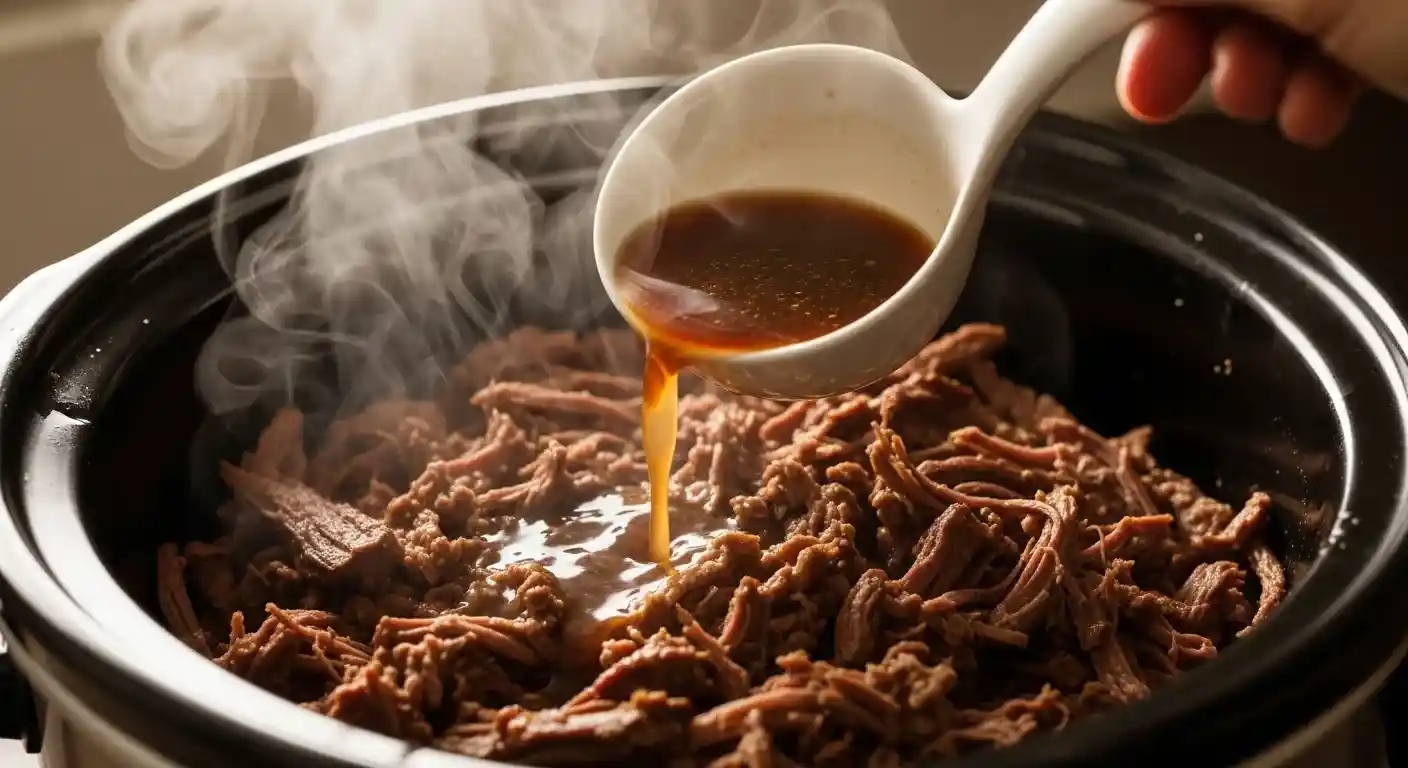
It happens to the best of us. You’re excited for a tender, fall-apart beef meal from your slow cooker, but instead, you pull out something dry and tough. Figuring out how to fix overcooked beef in slow cooker can feel tricky, especially when you’re just starting out with slow cooking.
But don’t worry! This post will show you simple ways to rescue your meal. We’ll go through easy steps to make that tough beef juicy and delicious again.
When Beef Gets Tough In The Slow Cooker
Slow cookers are amazing for making meats tender. They cook food at a low temperature for a long time. This is usually perfect for beef.
However, sometimes things go wrong. Beef can become overcooked and dry. This often happens if the cooking time is too long or the heat is too high.
It can also happen if there isn’t enough liquid in the pot. Beginners might not know the right cooking times for different cuts of beef. This leads to disappointment when the meat isn’t as good as expected.
Why Beef Can Get Overcooked
There are a few main reasons why beef can become overcooked in a slow cooker.
- Cooking for too long: Every slow cooker is a little different. What one recipe says might not be right for your machine. If you leave beef in for many extra hours, it will start to dry out.
- Heat setting too high: Cooking on “High” is faster, but it’s also easier to overcook. “Low” is usually a safer bet for tender results.
- Not enough liquid: Liquid is key in a slow cooker. It helps steam the food and keeps everything moist. If the liquid evaporates or there isn’t enough to start with, the beef can dry out.
- Wrong cut of meat: Some beef cuts are naturally tougher. While slow cooking is great for them, they still need careful watching to prevent overcooking.
Signs Your Beef Is Overcooked
Before you try to fix it, you need to know if your beef is truly overcooked. Here are some signs:
- Texture: The beef will feel dry and stringy when you try to pull it apart with a fork. It won’t shred or fall apart easily.
- Appearance: It might look faded or have a grayish-brown color throughout.
- Taste: It might taste bland or even a bit tough and chewy.
How To Fix Overcooked Beef In Slow Cooker
Don’t throw it away yet! There are several ways to bring your overcooked beef back to life. These methods focus on adding moisture and flavor back into the meat.
Method 1: Add More Liquid
This is the simplest way to start. If your beef is just a little dry, adding more liquid can help. It won’t make tough meat soft again, but it can add some needed moisture.
What to add:
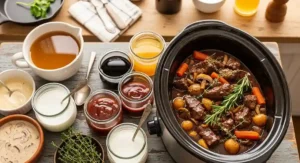
- Broth (beef, chicken, or vegetable)
- Water
- Sauce (like BBQ sauce, tomato sauce, or gravy)
- Wine or beer
How to do it:
- Pour in about 1 to 2 cups of your chosen liquid.
- Stir it around the beef.
- Cover the slow cooker and let it cook on low for another 30 minutes to an hour. This gives the beef time to soak up the new liquid.
Method 2: Thicken Your Sauce
If your beef is dry but you have a good amount of sauce, you can thicken it. A thicker sauce will coat the beef better and make it seem more moist.
How to thicken:
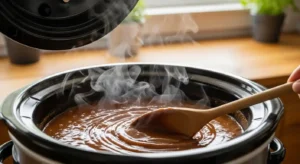
- Cornstarch: Mix 1-2 tablespoons of cornstarch with an equal amount of cold water to make a slurry. Stir this into the hot liquid in the slow cooker.
- Flour: Do the same with flour and water, or whisk flour directly into the hot sauce if there are no lumps.
- Arrowroot powder: This works like cornstarch.
Cook on high for about 15-30 minutes after adding the slurry, stirring occasionally, until the sauce is thick.
Method 3: Shred Or Chop The Beef
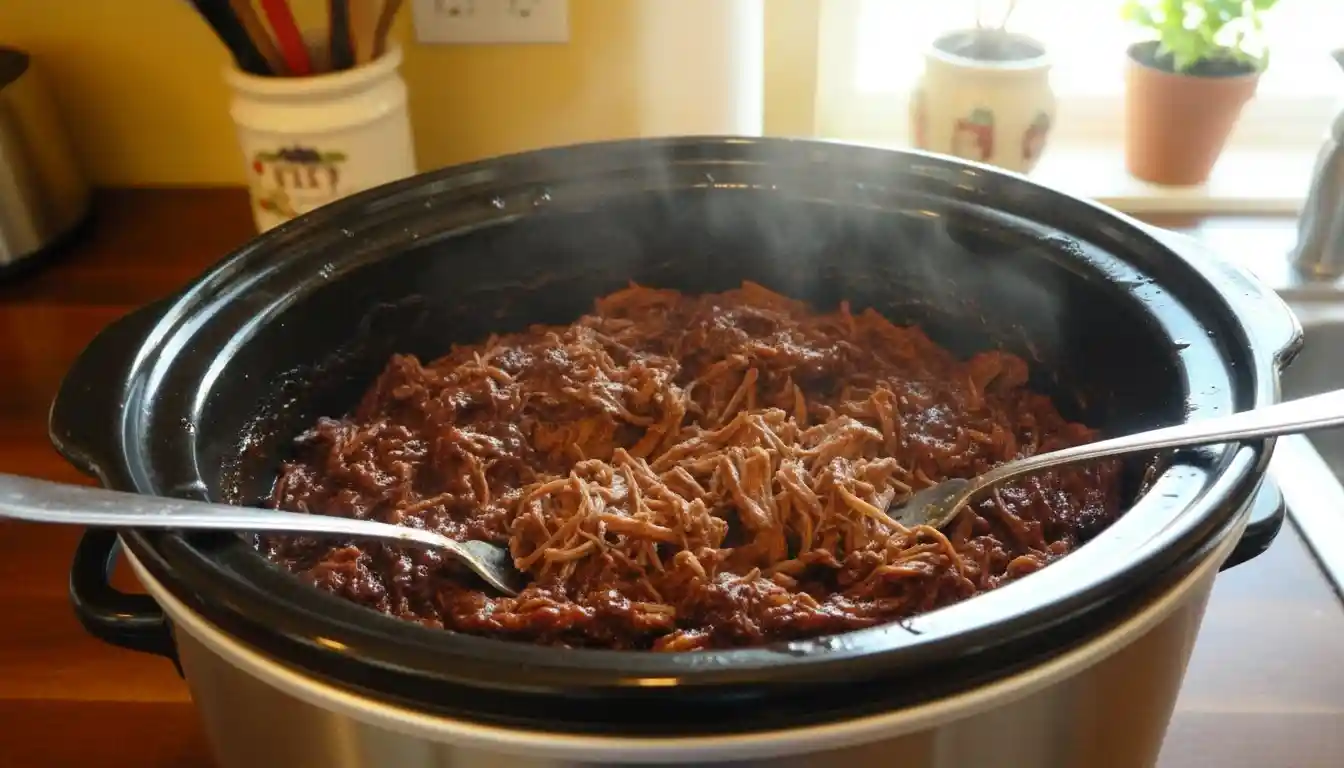
If the beef is really tough, trying to eat it in large pieces won’t work well. Shredding or chopping it can make it much more enjoyable.
How to do it:
- Use two forks to shred the beef into smaller pieces.
- Or, cut the beef into smaller chunks or strips.
Once shredded or chopped, put the pieces back into the sauce. This helps the smaller pieces absorb more flavor and moisture. Let it simmer in the sauce for at least 30 minutes more.
Method 4: Add Fat For Moisture
Fat is what makes meat juicy. If your beef is dry, it has likely lost a lot of its natural fat. You can add some back.
What to add:
- Butter
- Olive oil or other cooking oil
- A small amount of heavy cream or sour cream
How to do it:
- Add a tablespoon or two of butter or oil.
- Stir it into the sauce and beef.
- If using cream or sour cream, stir it in gently towards the end of cooking to avoid curdling.
This adds richness and helps the beef feel more tender.
Method 5: Braise It Further With New Liquid
This method is like giving your beef a second chance to become tender through slow cooking. It involves adding fresh liquid and cooking it longer on a low setting.
What you need:
- More beef broth, stock, or even water.
- A flavorful liquid like red wine or a bit of tomato paste.
How to do it:
- Remove the beef from the slow cooker and place it in an oven-safe dish.
- Pour in enough new liquid to cover about half of the beef.
- Cover the dish tightly with foil.
- Bake in a preheated oven at a low temperature (around 300°F or 150°C) for 1-2 hours.
- Check for tenderness. If it’s still not tender, add a bit more liquid and bake longer.
This gentle, moist heat is excellent for breaking down tough muscle fibers.
Method 6: Use It In A Different Dish
Sometimes, the best way to fix overcooked beef is to change how you use it. If it’s too dry to enjoy on its own, it can still be great in other recipes.
Ideas for repurposing:
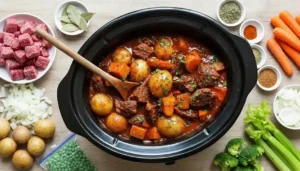
- Beef Stew: Chop the beef into small pieces and add it to a hearty stew with plenty of vegetables and broth.
- Tacos or Burritos: Shred the beef and mix it with taco seasoning and a bit of sauce. Use it as a filling for tacos or burritos.
- Shepherd’s Pie: Finely chop or shred the beef and mix it with gravy or a rich sauce. Use it as the base for a shepherd’s pie, topped with mashed potatoes.
- Soup: Add shredded or chopped beef to a vegetable soup or noodle soup.
In these dishes, the beef is usually mixed with other ingredients and liquids, which helps hide its dryness and makes it part of a bigger, flavorful meal.
Preventing Overcooked Beef In The First Place
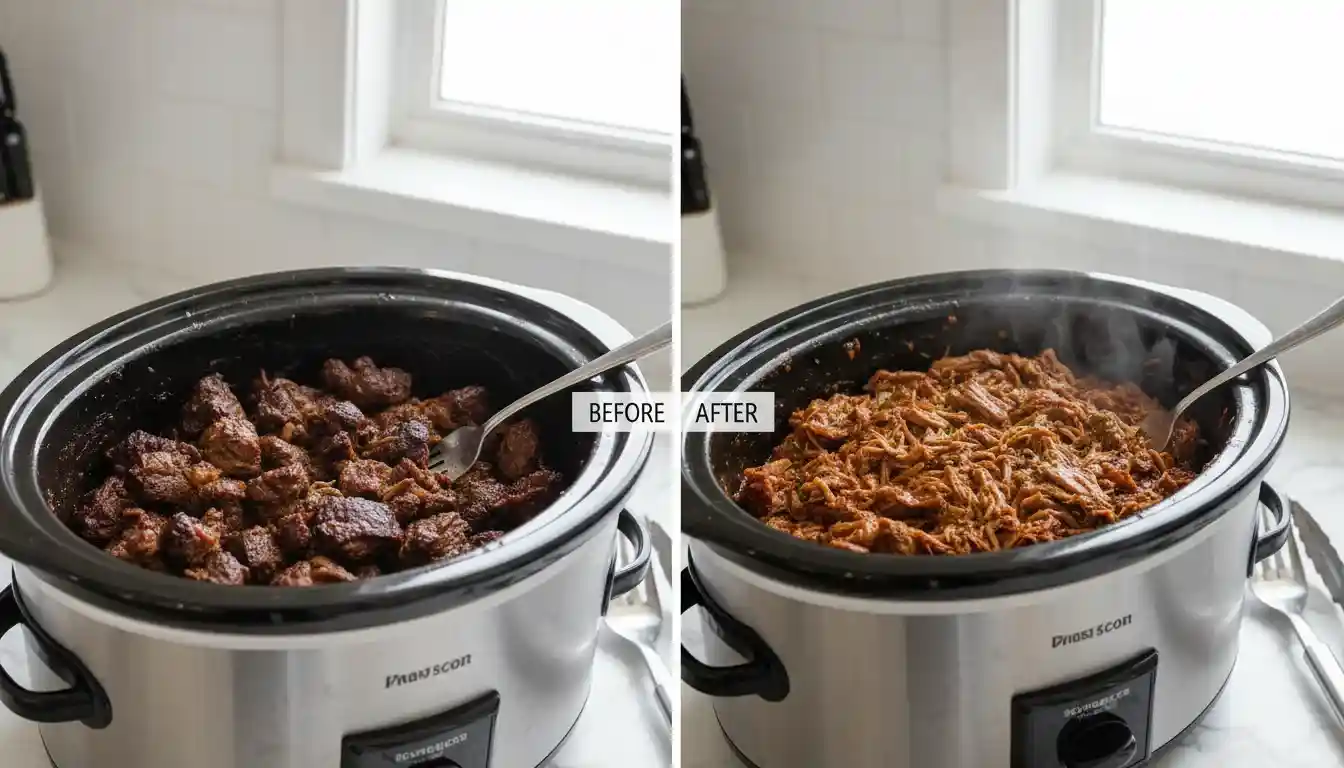
Knowing how to fix overcooked beef is great, but it’s even better to avoid it. Here are some tips to help you get perfect results every time.
Choose The Right Cut Of Beef
Some cuts are better for slow cooking than others. Tougher cuts, like chuck roast, brisket, and round roast, are perfect because the long, slow cooking time breaks down their connective tissues. These cuts have more fat and collagen, which keeps them moist even after hours of cooking.
Use Enough Liquid
Always make sure you have enough liquid in your slow cooker. A good rule of thumb is to fill the slow cooker about halfway to two-thirds full. This liquid creates steam that cooks the food evenly and keeps it moist.
Follow Recipe Times But Be Flexible
Recipes give you a starting point for cooking times. However, slow cookers can vary. Start checking your beef a little before the recipe suggests.
You can always cook it longer, but you can’t un-cook it if it gets too dry.
Consider Your Slow Cooker’s Temperature
If your slow cooker tends to run hot, you might need to reduce the cooking time or use the “Low” setting more often. If you’re unsure, use an oven-safe thermometer to check the temperature inside your slow cooker.
Don’t Overcrowd The Pot
Packing the slow cooker too full can prevent even cooking. Food needs space for the heat and steam to circulate properly. If you’re cooking a large amount, consider using a larger slow cooker or cooking in batches.
Frequently Asked Questions
Question: Can I fix beef that is completely dried out and tough
Answer: Yes, you can often improve completely dried out and tough beef by shredding or chopping it and then simmering it in a flavorful sauce or broth for an extended period. Adding fat like butter can also help.
Question: How long should I cook beef in a slow cooker to avoid overcooking
Answer: Cooking times vary by cut and size, but for common roasts, aim for 6-8 hours on low or 3-4 hours on high. Start checking tenderness around the earlier end of this range.
Question: What is the best liquid to add if my slow cooker beef is dry
Answer: Beef broth, stock, or a rich sauce like BBQ sauce or a tomato-based sauce are excellent choices. They add moisture and flavor.
Question: Can I add vegetables to help rehydrate the beef
Answer: While vegetables add flavor and moisture to the overall dish, they won’t directly rehydrate the beef itself. It’s best to add moisture directly to the beef or its sauce.
Question: What if the beef is tough but not necessarily dry
Answer: Toughness without dryness usually means it needs more cooking time. Continue cooking on low heat, perhaps adding a bit more liquid, until it becomes tender.
Final Thoughts
It’s easy to worry about overcooking beef in a slow cooker, but it doesn’t have to be a disaster. By understanding a few simple tricks, you can often rescue dry or tough meat. Adding more liquid, thickening your sauce, or even repurposing the beef into another dish are effective ways to save your meal.
Remember to check your beef often and adjust cooking times. With these tips, you’ll be serving delicious, tender beef more consistently.