Skip to content
Sometimes your trusty rice cooker just won’t heat up, and figuring out why can feel tricky, especially if you’re new to fixing appliances. It’s a common problem, but don’t worry! We’ll walk you through some simple steps to get your rice cooker working again.
Let’s find out how to fix rice cooker not heating so you can enjoy perfect rice again soon.
Key Takeaways
- You will learn to check the power supply and cord.
- You will discover how to clean the heating element and inner pot.
- You will understand common issues with the thermostat and lid switch.
- You will see how to identify problems with the inner workings.
- You will learn when it’s time to consider professional help or replacement.
Why Is My Rice Cooker Not Heating
It can be frustrating when your rice cooker stops working. You push the button, and nothing happens. No warmth, no bubbling rice.
This often happens because of a simple issue that’s easy to overlook. For many, it’s the first time they’ve faced an appliance problem. You might think it’s broken beyond repair, but usually, it just needs a little attention.
The main reason a rice cooker might not heat up is a problem with its power connection or a dirty component. Many common issues can be fixed right in your kitchen without needing special tools. We’ll explore the most frequent culprits behind a rice cooker’s failure to heat.
Following these steps can save you time and money.
Troubleshooting Steps For A Rice Cooker That Won’t Heat
1. Check The Power Source And Cord
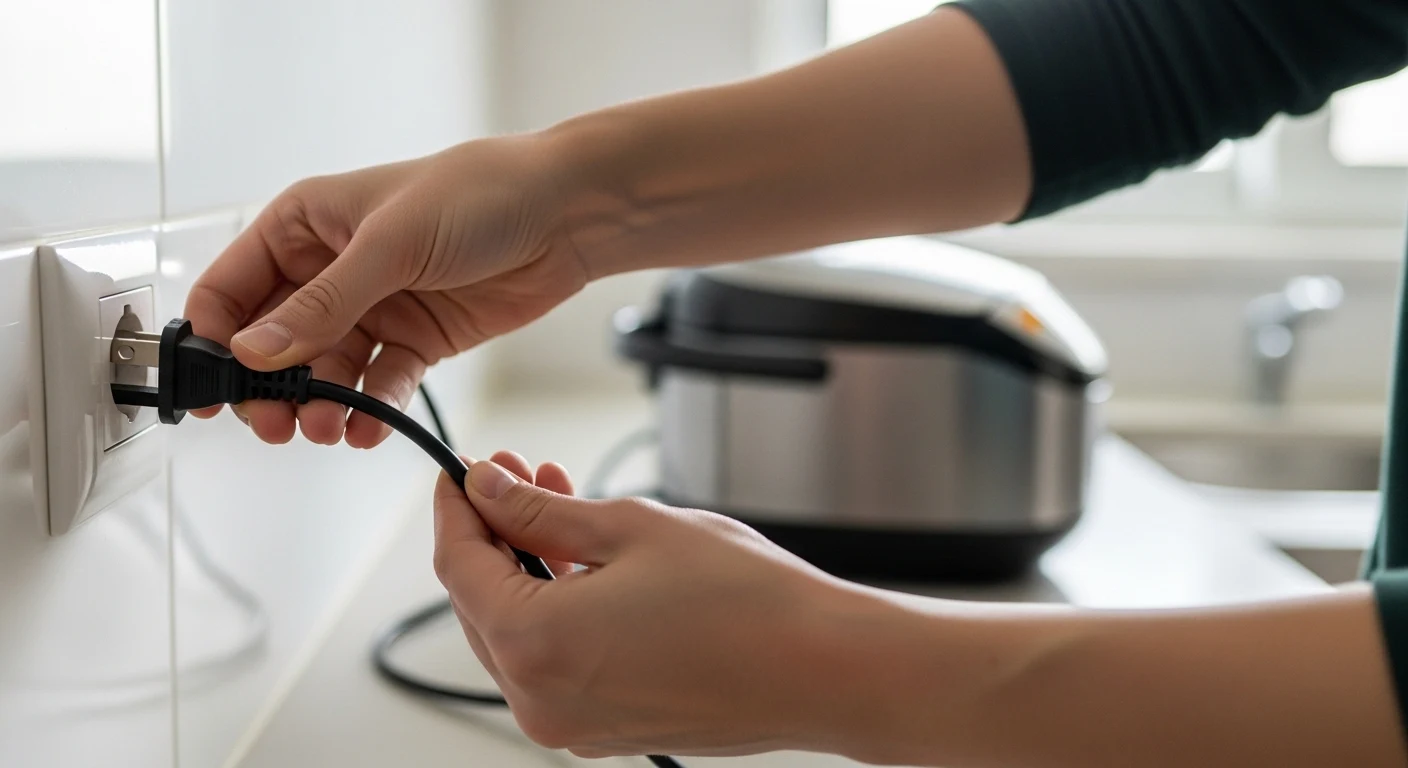
The most basic check is always the first step. Your rice cooker needs electricity to heat up. Make sure it’s plugged in securely to a working outlet.
Try plugging another small appliance into the same outlet to confirm it’s providing power. If the outlet works fine, then examine the power cord of your rice cooker.
Look for any visible damage to the cord. Are there any cuts, fraying, or exposed wires? If the cord is damaged, it’s a safety hazard and needs to be replaced.
You cannot repair a damaged cord yourself; this usually means replacing the rice cooker. If the cord looks fine, ensure it is plugged firmly into the cooker itself, as some models have a detachable cord.
2. Inspect The Heating Element
The heating element is what makes your rice cooker hot. It’s usually located at the bottom of the appliance, under the inner pot. Over time, food debris or water can get onto this element and cause problems.
Make sure the rice cooker is unplugged before you check this. Feel the heating element for any build-up of grime, burnt-on food, or residue.
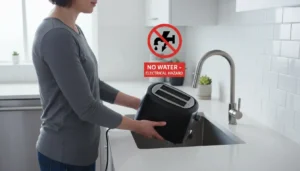
If you see any dirt or spills, carefully clean the heating element. Use a dry or slightly damp cloth. Avoid using too much water, as this can damage the electrical components.
Sometimes, a small amount of residue can prevent the element from heating properly. If you notice scorch marks or physical damage to the element itself, it might be beyond simple cleaning.
3. Clean The Inner Pot And Exterior
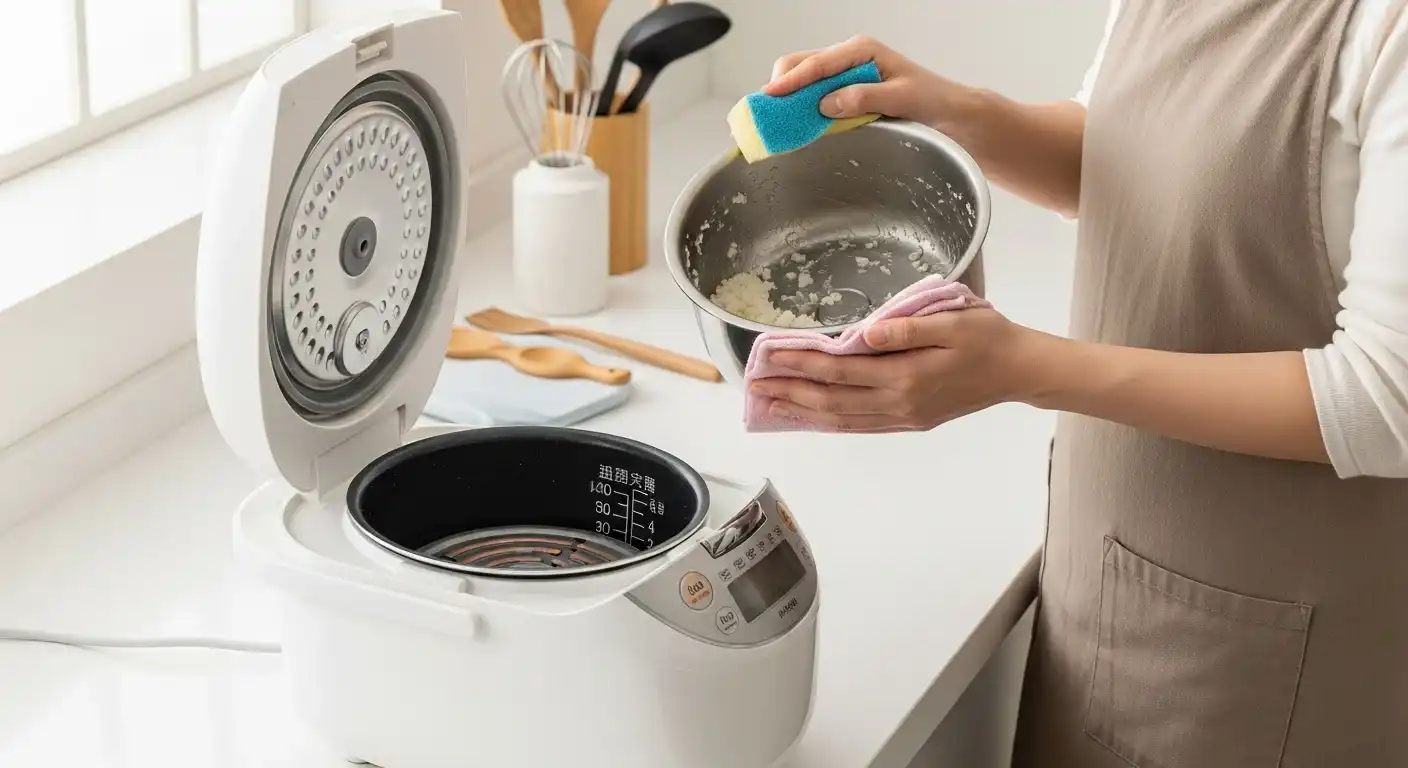
While the heating element is crucial, the inner pot also plays a role in even heating. Sometimes, leftover rice or starch can stick to the bottom of the pot, creating an uneven surface. This can interfere with heat transfer from the element to the rice.
Ensure your inner pot is clean and free of any sticky residue.
Also, check the area where the inner pot sits inside the rice cooker. Sometimes, spilled liquids can seep into the base. If the exterior of the rice cooker where the pot rests is dirty, it might affect the cooker’s ability to sense when it’s ready or to heat properly.
Wipe down this area thoroughly with a damp cloth. Always make sure the cooker is unplugged and completely cool before cleaning.
4. Examine The Thermostat And Safety Features
Rice cookers have a thermostat that tells them when to stop heating. If this thermostat is faulty, it might signal that the cooker is at temperature when it’s not, or it might prevent heating altogether. The thermostat is usually located at the base of the unit, connected to the heating element.
Many rice cookers also have safety features, like a thermal fuse or a tilt sensor. These are designed to prevent overheating or damage. If these safety mechanisms are triggered, they can shut off the heating element.
Sometimes, a simple reset might fix this, but often, a blown fuse or a tripped sensor means a part needs replacement. Accessing these internal parts can be tricky and may require disassembling the cooker.
5. Check The Lid Switch Or Sensor
Some rice cooker models have a switch or sensor in the lid. This tells the cooker that the lid is properly closed, which is necessary for it to start heating. If this switch is dirty, stuck, or broken, the cooker won’t think it’s ready to cook.
Look for a small button or sensor near the hinge or where the lid seals.
Gently clean this area. Make sure the lid closes all the way and engages the switch correctly. You can sometimes test this by gently pressing the switch with your finger (while unplugged) to see if it moves freely.
If it feels stuck or broken, this could be the reason your rice cooker isn’t heating.
6. Look For Internal Wiring Issues
If all the external checks fail, the problem might be internal. Loose or damaged wiring inside the rice cooker can stop the flow of electricity to the heating element. This is a more serious issue and often requires technical knowledge to fix.
Internal wiring problems can occur due to wear and tear, or if the appliance has been dropped or misused. If you’re not comfortable opening up appliances and dealing with electrical components, it’s best to avoid this step. Attempting to fix internal wiring without the right knowledge can be dangerous.
7. Consider The Age Of The Rice Cooker
Like all appliances, rice cookers have a lifespan. If your rice cooker is very old, its components might simply be worn out. The heating element, thermostat, or internal wiring could have degraded over time.
In such cases, it might be more cost-effective to replace the unit rather than trying to repair it.
Common Problems And Solutions Table
| Problem | Possible Cause | Solution |
|---|---|---|
| No heat at all | No power, faulty cord, burnt-out heating element, blown fuse | Check outlet and cord, inspect heating element, check for blown fuse (may need repair) |
| Heats up but not enough | Dirty heating element, faulty thermostat, uneven inner pot | Clean heating element and pot, check thermostat reading |
| Shuts off too soon | Faulty thermostat, steam vent blockage, lid sensor issue | Test thermostat, clear steam vent, clean lid sensor |
| Cooker does not turn on | No power, tripped circuit breaker, faulty switch | Check power source, reset breaker, inspect power switch |
Frequently Asked Questions
Question: My rice cooker won’t heat up. What’s the first thing I should check?
Answer: The very first thing to check is the power source. Make sure your rice cooker is plugged into a working electrical outlet and that the power cord is securely attached to both the outlet and the cooker.
Question: Can I fix a damaged power cord on my rice cooker?
Answer: No, it is not safe to repair a damaged power cord yourself. If the cord is visibly damaged, you should stop using the rice cooker immediately and consider replacing the appliance.
Question: How do I clean the heating element on my rice cooker?
Answer: Always unplug your rice cooker and ensure it is cool. Gently wipe the heating element with a dry or slightly damp cloth. Avoid using excessive water or abrasive cleaners.
Question: My rice cooker heats up for a bit then stops. What could be wrong?
Answer: This could be a sign of a faulty thermostat or a safety feature like a thermal fuse that’s being triggered. It might also mean the steam vent is blocked, causing it to overheat and shut down.
Question: Is it worth repairing an old rice cooker that isn’t heating?
Answer: If your rice cooker is very old, the cost of parts and labor for repair might be more than buying a new one. It’s often more practical to replace an older appliance that has multiple issues.
Final Thoughts
Your rice cooker not heating doesn’t have to be a disaster. By checking the power, cleaning key parts like the heating element and inner pot, and looking at simple sensors, you can often fix the problem. Many common issues with how to fix rice cooker not heating are straightforward to address yourself.
If these steps don’t work, it might be time to think about a new appliance, but you’ve learned valuable ways to troubleshoot first.

Hi, I’m Raju Dey — a food lover with a degree in Culinary Arts from El Centro College. I’ve spent 4+ years testing air fryers, blenders, and other kitchen tools in real home kitchens. At KitchenWink.com, I share honest tips and reviews to help you cook smarter. My goal is to give you advice you can trust — based on hands-on experience, not hype.