It’s super common for rice cookers to pick up strange smells. Maybe you cooked something strong like garlic, or perhaps some food bits got stuck. If you’re new to using a rice cooker, figuring out how to get rid of rice cooker smell can feel a little tricky.
But don’t worry, it’s usually much simpler than you think! We’ll walk you through easy steps to make your rice cooker smell fresh again so you can enjoy perfectly cooked rice every time.

Key Takeaways
- You can clean your rice cooker with common household items.
- Regular cleaning prevents smells from building up.
- Vinegar and baking soda are effective natural cleaners for smells.
- Don’t forget to clean the lid, gasket, and steam vent.
- Air drying your rice cooker thoroughly is important.
- Sometimes, persistent smells need a bit more attention.
Understanding Rice Cooker Smells
Why Do Rice Cookers Get Smelly
Rice cookers are wonderful for making perfect rice with little effort. However, like any kitchen appliance that deals with food, they can start to smell. This usually happens for a few reasons.
Small particles of rice or other food can get stuck in nooks and crannies. If these bits aren’t cleaned out properly, they can start to break down and cause an unpleasant odor. This is especially true if you cook things other than plain rice, like savory dishes or even desserts.
Another common cause is mineral buildup from hard water. When water evaporates, it can leave behind minerals that can trap odors. Also, steam from cooking can carry food particles and oils throughout the cooker, including the lid and vent areas.
If these aren’t cleaned, they can become breeding grounds for bacteria, leading to that distinct “stale” smell. For anyone new to cooking or using this appliance, knowing how to get rid of rice cooker smell is a really useful skill.
The Challenge of Persistent Odors
Sometimes, a quick rinse isn’t enough. Rice cookers can develop stubborn smells that are hard to eliminate. This is because the smell can get absorbed into the plastic parts or trapped in the heating element.
Trying to wash it with regular dish soap might not always work for deep-set odors. You might try cleaning it multiple times, but the smell keeps coming back. This can be frustrating when you just want to make a simple batch of rice without that off-putting scent.
The good news is that there are effective methods using simple ingredients you likely already have at home. You don’t need special chemicals. By following a few steps, you can usually tackle most rice cooker smells.
We will guide you through the best ways to clean your appliance and keep it smelling fresh. This will help you enjoy your meals more and keep your kitchen smelling pleasant.
Simple Solutions for Rice Cooker Smells
Cleaning with Vinegar
Vinegar is a fantastic natural deodorizer and cleaner. Its acidity helps break down food residue and kill odor-causing bacteria. For a basic cleaning to tackle a mild smell, you can fill your rice cooker pot with a solution of equal parts white vinegar and water.
Make sure the water level doesn’t go above the maximum fill line.
Once the pot is filled, close the lid and run the cooker on a regular rice cooking cycle. This will allow the vinegar steam to work its way through the cooker. After the cycle is complete, let the mixture sit in the pot for about 30 minutes.
Then, discard the vinegar-water solution and wash the inner pot thoroughly with warm, soapy water. Rinse it well and dry it completely. This method is very effective for getting rid of general musty or sour smells.
Using Baking Soda
Baking soda is another amazing ingredient for absorbing odors. It’s a gentle abrasive and a natural deodorizer. If vinegar alone doesn’t quite do the trick, or if you have a stronger smell, baking soda can be your next step.
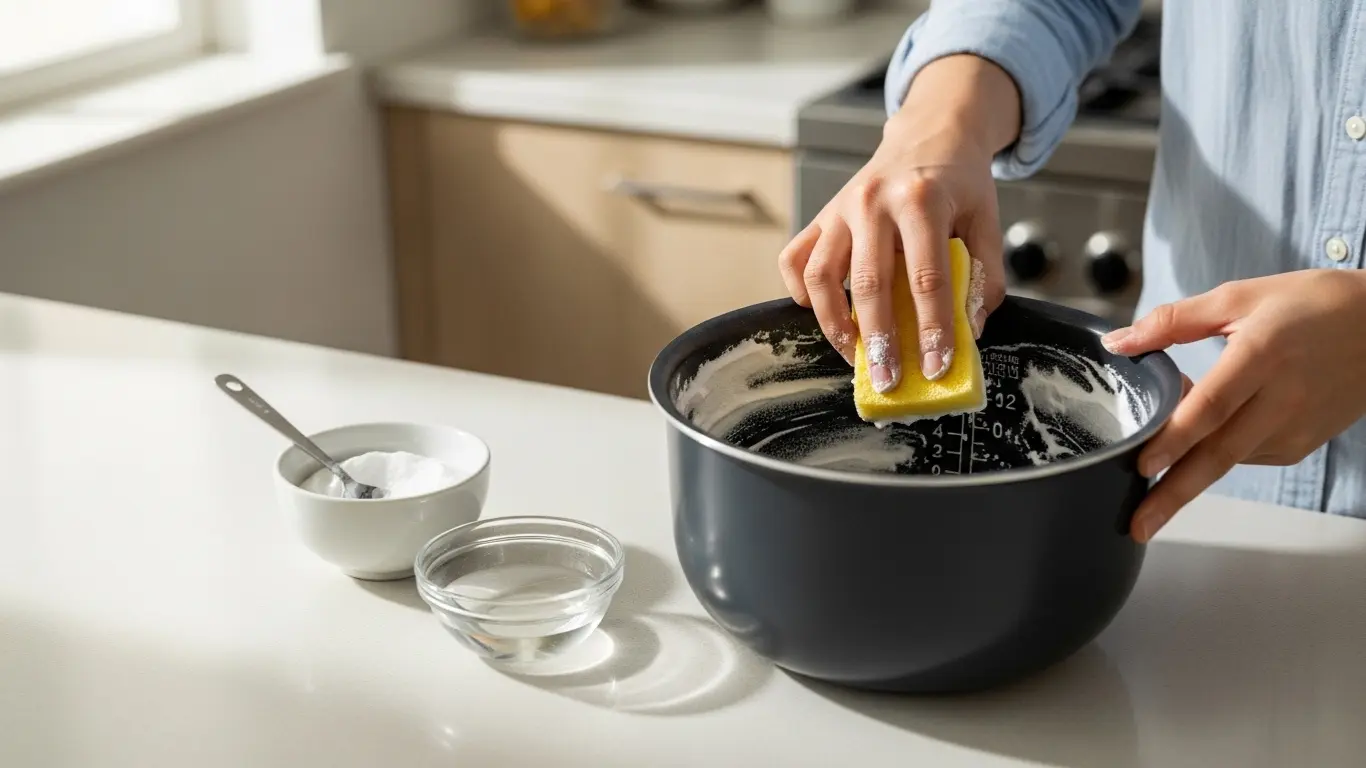
You can create a paste by mixing baking soda with a small amount of water. This paste can be used to scrub the inside of the rice cooker pot.
Gently rub the paste onto any stained areas or parts that seem to hold the smell. Let the paste sit for about 15-20 minutes. Then, wash the pot as usual with soap and water.
For a more intense odor problem, you can also try adding a few tablespoons of baking soda to a pot of water and running a cooking cycle, similar to the vinegar method. This helps to absorb lingering smells from the internal parts of the cooker.
The Power of Lemon Juice
Lemon juice offers a fresh scent and some cleaning power. If you prefer a more pleasant fragrance than vinegar, lemon juice can be a good alternative. It also has natural antibacterial properties.
You can use fresh lemon juice or bottled lemon juice.
Fill the inner pot with water up to the usual rice-cooking line. Add the juice of one or two lemons to the water. Close the lid and run a normal cooking cycle.
The steam from the lemon-infused water will help to freshen the cooker and leave a light, clean citrus scent. After the cycle, let it sit for a bit, then wash and rinse the pot. This is a great way to get rid of subtle smells and leave your rice cooker smelling delightful.
Cleaning Specific Parts
The Inner Pot
The inner pot is the most important part to clean regularly. After each use, empty any leftover rice. Wash the pot with warm water and a mild dish soap.
Use a soft sponge or cloth. Avoid using abrasive scrubbers like steel wool, as they can scratch the non-stick coating. If there’s stubborn burnt-on rice, soak the pot in warm, soapy water for a while before scrubbing gently.
Make sure to rinse the pot thoroughly to remove all soap residue. After washing, dry the pot completely with a clean towel or let it air dry upside down. Any moisture left behind can lead to mildew and new smells.
For a deeper clean to remove odors, use the vinegar, baking soda, or lemon juice methods described earlier.
The Lid and Gasket
The lid and its gasket (the rubber or silicone seal) are often overlooked but can harbor smells. Food particles and moisture can get trapped under the gasket. Many lids are removable.
If yours is, take it off and wash it separately. Pay close attention to the edges and any crevices where food might hide.
The gasket itself should be wiped down after each use. If it’s removable, you can soak it in warm, soapy water for a few minutes. For tougher smells, a soak in a weak vinegar-water solution can help.
After washing, ensure both the lid and the gasket are completely dry before reassembling or closing the cooker. A damp gasket can quickly lead to mold and a musty smell.
The Steam Vent
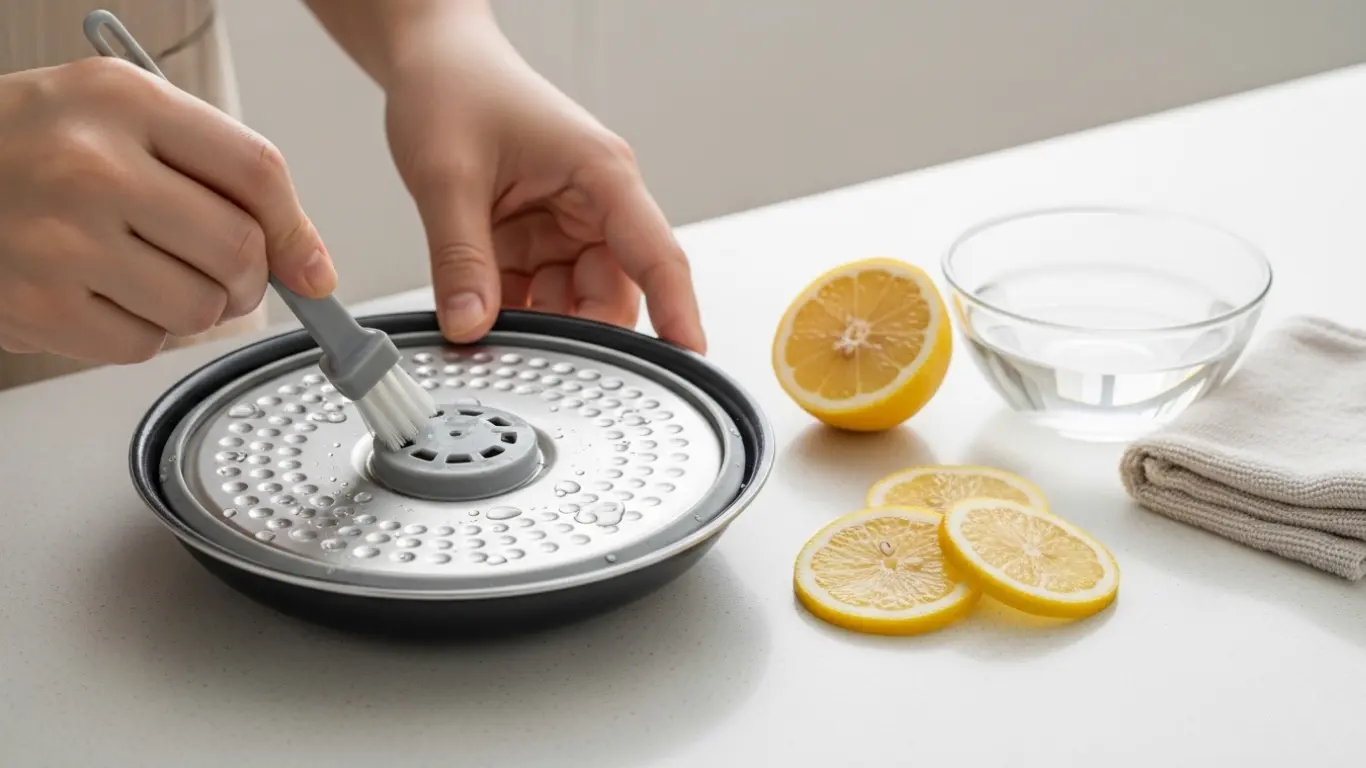
The steam vent is a small opening on the lid designed to release excess steam. This is another area where small food particles can get stuck and cause odors. It can be tricky to clean because it’s small.
You can use a small brush, like a pipe cleaner or an old toothbrush, to gently clean out the vent.
If the vent seems blocked or smells strongly, you might need to soak the lid in a cleaning solution. For example, a warm vinegar-water solution can help loosen any buildup. After cleaning, rinse the lid thoroughly and make sure the vent is clear and dry.
A clogged vent can also affect how your rice cooker performs.
The Exterior
While the exterior of the rice cooker doesn’t directly touch food, it can still accumulate grease and dust, which can trap odors. Wipe down the outside of the cooker with a damp cloth. You can use a little mild dish soap if needed.
Ensure you don’t get water into any electrical components or the heating element.
Pay attention to areas around buttons or the control panel. After wiping, dry the exterior with a clean, soft cloth. Keeping the outside clean also contributes to a fresh-smelling kitchen environment.
Deep Cleaning for Stubborn Smells
When Basic Cleaning Isn’t Enough
If you’ve tried the simple cleaning methods and your rice cooker still smells, it might be time for a deeper clean. Stubborn odors can come from food particles that have cooked onto the heating element, or from deep within the plastic components of the cooker. Don’t give up just yet; there are more powerful solutions.
The key is to use natural cleaners that can penetrate and neutralize odors without damaging the appliance. Often, these smells have been allowed to set in over time, making them harder to remove. A comprehensive approach that targets all parts of the cooker is usually necessary.
Using Vinegar and Baking Soda Together
Combining vinegar and baking soda can be very effective for a deep clean. First, make a paste of baking soda and water and scrub the inside of the inner pot. Let it sit for about 20 minutes.
Rinse the pot well.
Then, fill the pot with water, add about half a cup of white vinegar, and run a cooking cycle. After the cycle, let the mixture sit in the pot for an hour or two. Empty the pot, wash it with soap and water, and rinse thoroughly.
This two-step approach tackles both surface grime and deeply embedded odors.
Air Circulation and Drying
One of the most critical steps after cleaning, especially for deep cleaning, is to ensure the rice cooker is thoroughly aired out. Moisture is the enemy of freshness. Always let your rice cooker dry completely.
This means leaving the lid open and the inner pot removed for several hours, or even overnight if possible.
Good air circulation helps to evaporate any lingering moisture and prevents new odors from forming. If you store your rice cooker with the lid shut while it’s still damp, you’re inviting mustiness. Make sure all parts are bone dry before you put them away.
This simple habit can prevent many smell problems from starting in the first place.
Dealing with Plastic Smells
Sometimes, new rice cookers or those that have been stored for a long time can have a plastic smell. This is less about food and more about the material itself. Vinegar and baking soda can also help with this.
Running cycles with vinegar-water or lemon-water solutions can absorb some of these chemical odors.
Another tip is to leave the rice cooker in a well-ventilated area for a few days. Letting it air out naturally can significantly reduce plastic smells. Ensure it is completely dry before using it to cook food.
Preventing Future Smells
Clean After Every Use
The best way to avoid the problem of how to get rid of rice cooker smell is to prevent it from happening. Make it a habit to clean your rice cooker after every single use. As soon as it’s cool enough to handle safely, empty out any leftover rice and wash the inner pot with soap and water.
Wipe down the lid, gasket, and steam vent. Even a quick rinse and wipe can make a huge difference. This prevents food particles from drying and becoming difficult to remove later, and stops odors from building up in the first place.
Proper Storage
How you store your rice cooker matters. Always ensure it is completely dry before closing the lid and putting it away. Leaving the lid slightly ajar or removing the inner pot when storing can help air circulate and prevent moisture buildup.
Storing it in a dry, well-ventilated cupboard is ideal.
Avoid storing it in a damp basement or a humid environment. If your rice cooker has a removable cord, store it separately. This helps to keep everything clean and fresh.
Occasional Deep Cleaning
Even with daily cleaning, it’s a good idea to perform a deeper clean every month or so. This helps to tackle any buildup you might have missed and ensures your cooker stays in top condition. Use the vinegar or baking soda methods during these monthly cleans.
This routine maintenance will save you a lot of trouble in the long run and ensure you always have a fresh-smelling appliance ready for use. It’s a small effort that pays off in delicious, odor-free rice.
Frequently Asked Questions
Question: How often should I clean my rice cooker?
Answer: You should clean the inner pot and lid after every use. A deeper clean with vinegar or baking soda should be done about once a month.
Question: Can I use harsh chemicals to clean my rice cooker?
Answer: It’s best to avoid harsh chemicals. They can damage the non-stick coating and leave residues that affect the taste of your rice. Natural cleaners like vinegar, baking soda, and lemon juice are safer and effective.
Question: My rice cooker smells like plastic, what can I do?
Answer: To remove plastic smells, run a cooking cycle with a solution of equal parts white vinegar and water, or use lemon juice and water. Let it air out thoroughly afterwards.
Question: Is it safe to soak the gasket in vinegar?
Answer: Yes, it is generally safe to soak the removable gasket in a mild vinegar-water solution for a short period to remove odors. Ensure it is thoroughly rinsed and dried afterwards.
Question: What if the smell doesn’t go away after cleaning?
Answer: If a persistent smell remains after deep cleaning, the odor might have penetrated the plastic components or the heating element. You may need to repeat the deep cleaning process, or consider if the cooker is very old and needs replacement.
Final Thoughts
Getting rid of rice cooker smell is simple with a few household items. You can use vinegar, baking soda, or lemon juice to clean the inner pot, lid, and vent. Regular cleaning after each use and proper drying will prevent smells from building up.
Keep your rice cooker fresh and enjoy perfect rice every time with these easy steps.

I’m Loretta Evans, and I lead the Rice Cooker and Kitchen Tools section. I test every product in real home kitchens to see how it truly performs in everyday use.
My goal is simple: to give you clear, honest advice so you can choose reliable tools that make cooking easier.