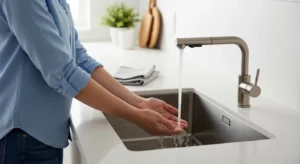
Is your kitchen sink letting out just a trickle instead of a strong flow? You’re not alone. Many homeowners find low water pressure in their kitchen sink a common and sometimes puzzling issue, especially when other faucets in the house seem fine.
It can be frustrating, but fixing it is usually much simpler than you might think. We’ll walk you through exactly how to increase water pressure in kitchen sink with easy steps that anyone can follow.
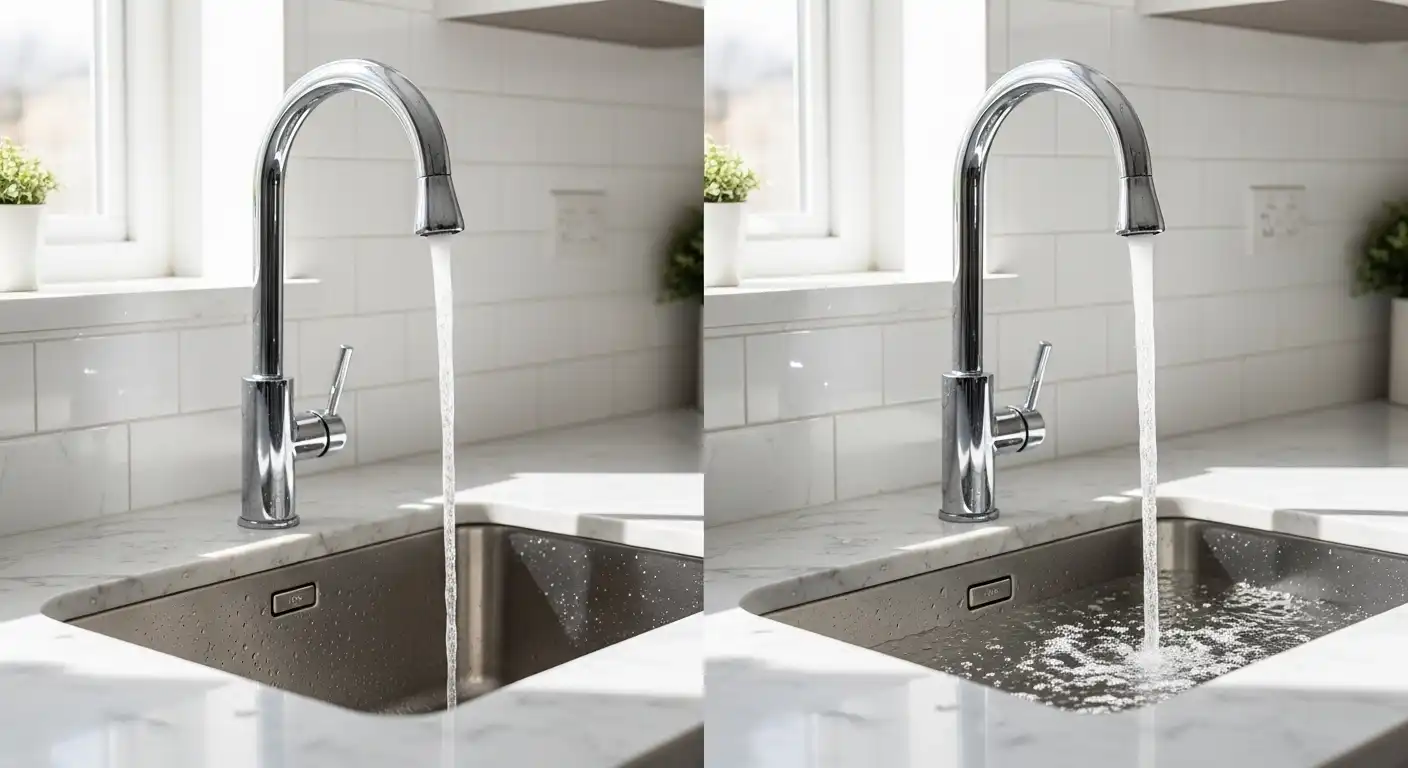
Why Is My Kitchen Sink Pressure So Low
Low water pressure at your kitchen sink can be annoying. It makes washing dishes take longer and rinsing food feel like a chore. Often, this problem is specific to the kitchen, while your bathroom or other sinks work just fine.
This tells us the issue is likely close to the sink itself, not with your home’s main water supply. We can usually fix it by checking a few common culprits. Let’s explore what might be going on and how to get that strong stream back.
Common Causes Of Low Kitchen Sink Water Pressure
Several things can cause your kitchen sink to have weak water pressure. Most of these are easy to spot and fix yourself without needing a plumber. We’ll look at the most frequent causes first, starting with the simplest checks.
1. The Aerator Is Clogged
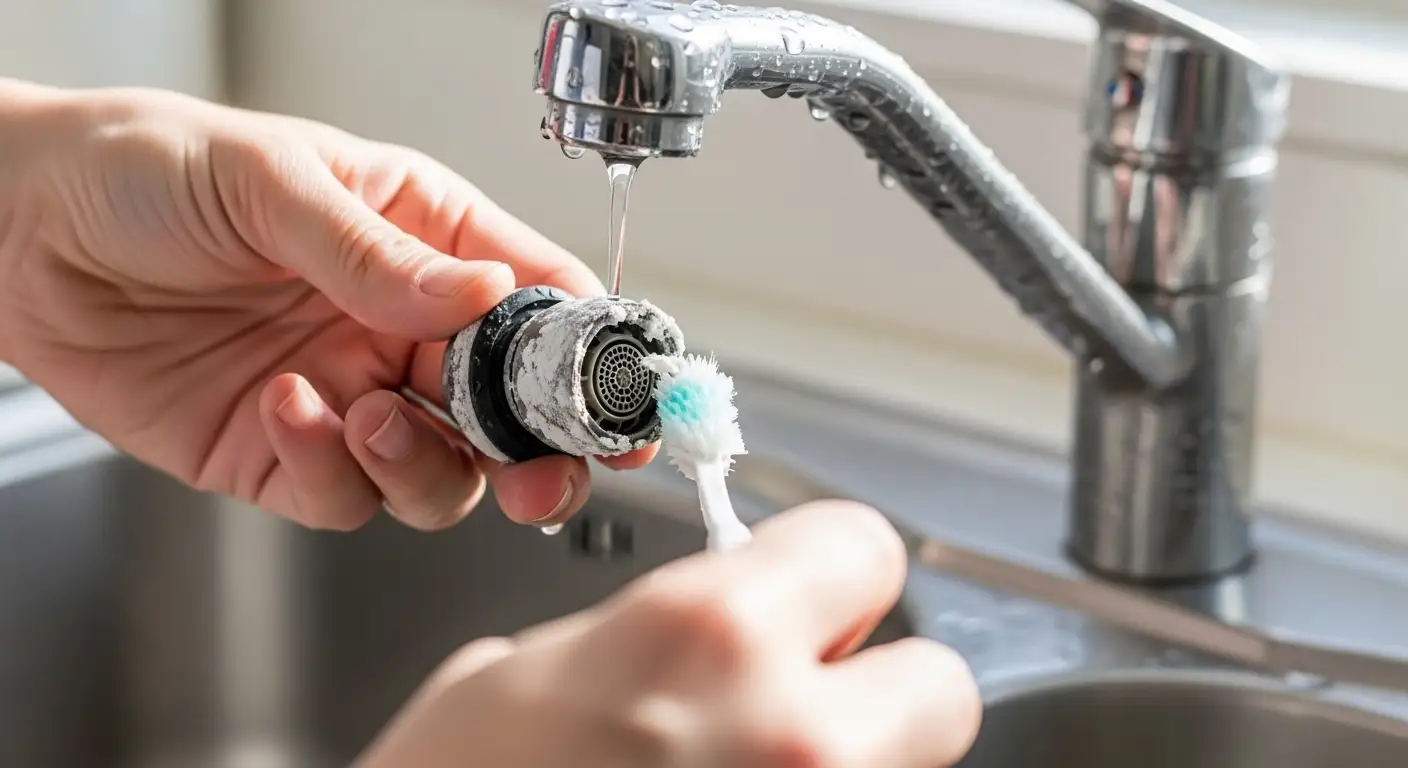
The aerator is the small part at the very tip of your faucet spout. Its job is to mix air with water, making the stream feel fuller and saving water. Over time, minerals and sediment from your water can build up inside it, blocking the water flow.
This is the most common reason for low pressure.
How To Clean Your Aerator
Cleaning your aerator is a simple DIY task. Here’s how:
- Turn off the water supply to the faucet. This is important to avoid making a mess.
- Unscrew the aerator. Most aerators can be unscrewed by hand. If it’s stuck, you might need an adjustable wrench, but use a cloth to protect the finish.
- Disassemble and clean. Take the aerator apart. You’ll likely find a screen and possibly a small washer. Rinse all the parts under warm water. You can use a soft brush or an old toothbrush to gently scrub away any stubborn debris. For tough buildup, soak the parts in a bowl of white vinegar for a few hours or overnight.
- Reassemble and reattach. Put the aerator back together and screw it back onto the faucet spout.
- Turn on the water. Slowly turn the water on to test the pressure.
You should notice an immediate improvement in your water pressure if the aerator was the problem.
2. Issues With The Faucet Handle or Cartridge
Your faucet handle controls a cartridge inside the faucet body. This cartridge directs hot and cold water and controls the flow. If the cartridge is worn out or damaged, it can restrict water flow.
Sometimes, the handle itself might not be fully opening the valve.
Checking The Faucet Handle
First, ensure you’re turning the handle all the way on. Sometimes, handles can feel like they are open when they are not. Try opening and closing it a few times firmly.
When To Consider Replacing The Cartridge
If cleaning the aerator didn’t help, the cartridge might be the next suspect. Replacing a faucet cartridge can be a bit more involved but is still a manageable DIY project for many. The process varies depending on your faucet type (single-handle or double-handle).
- Identify your faucet type.
- Turn off the water supply to the sink.
- Remove the faucet handle. There’s usually a decorative cap that hides a screw.
- Remove the retaining nut or clip holding the cartridge in place.
- Pull out the old cartridge. You might need pliers.
- Insert the new cartridge. Make sure it’s oriented correctly.
- Reassemble the faucet and turn the water back on.
If you’re unsure about your faucet model, take a picture of the faucet or the old cartridge to a hardware store for help finding a replacement.
3. Blockages In The Supply Lines
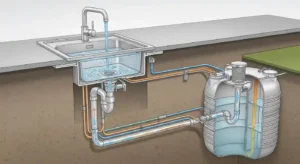
Under your sink, flexible hoses called supply lines connect the faucet to the shut-off valves. These lines can sometimes become kinked or clogged with sediment, especially if they are older.
Inspecting Supply Lines
You can visually inspect these lines. Ensure they aren’t bent sharply or kinked. If a line looks damaged or old, it might be time to replace it.
To check for clogs, you can:
- Turn off the water supply at the shut-off valves under the sink.
- Disconnect the supply line from the shut-off valve. Place a bucket underneath to catch any residual water.
- Check the end of the hose for visible debris.
- If you suspect a clog within the line, you may need to replace the supply line. It’s often easier and more reliable to replace old supply lines.
When replacing supply lines, always use new ones that are rated for your water type and pressure.
4. Problems With Shut-Off Valves
The shut-off valves under your sink are crucial. These valves control the water flow to your faucet. If they are not fully opened, they will restrict the water pressure.
How To Check And Operate Shut-Off Valves
These valves usually have a single handle. To fully open them, turn the handle so it is parallel to the pipe. If the handle is stiff or won’t turn easily, do not force it too hard, as you could break it.
If a valve is stuck, it might need to be replaced, which is a job for a plumber.
Ensure both the hot and cold shut-off valves are fully open. Sometimes, only one valve might be partially closed, affecting only hot or cold pressure, but it can also reduce overall flow if mixed.
5. Issues With The Water Softener or Filter
If you have a water softener or an under-sink water filter, these can sometimes reduce water pressure. As they filter or soften water, they can create a slight resistance to flow.
Testing Without The Filter/Softener
To see if your water treatment system is the cause, you can temporarily bypass it. If you have an under-sink filter, you might be able to unscrew it or reroute the plumbing around it. If the pressure improves significantly, the filter or its housing might need cleaning or replacement.
For water softeners, check your system’s manual for a bypass mode. If bypassing the softener fixes the low pressure, the softener may be clogged or need service.
6. A Problem Further Up The Plumbing System
While less common if only your kitchen sink is affected, there could be a more general issue with your home’s plumbing. This could include:
- A partially closed main water valve for your house.
- A restriction in the main water line entering your home.
- A problem with the pressure regulator if your home has one.
These issues usually affect more than just your kitchen sink. If you’ve tried all the steps above and still have low pressure, it’s time to consider calling a professional plumber to inspect your main water line and other plumbing components.
Troubleshooting Checklist
Here’s a quick checklist to help you pinpoint the problem:
| Step | What To Do | Likely Result |
|---|---|---|
| 1 | Clean the faucet aerator. | Pressure greatly improves. |
| 2 | Ensure faucet handle is fully open. | Pressure improves slightly or not at all. |
| 3 | Check if shut-off valves under sink are fully open. | Pressure improves if valves were partially closed. |
| 4 | Inspect supply lines for kinks. | Pressure improves if a kink was present. |
| 5 | Temporarily bypass water filter or softener. | Pressure improves if system was restricting flow. |
| 6 | Consider replacing faucet cartridge. | Pressure improves if cartridge was faulty. |
| 7 | Inspect supply lines for internal clogs (replace if suspected). | Pressure improves if old lines were blocked. |
| 8 | If all else fails, call a plumber. | Professional diagnosis and repair of hidden issues. |
Frequently Asked Questions
Question: How often should I clean my faucet aerator
Answer: It’s a good idea to clean your aerator about every six months, or more often if you have hard water or notice a decrease in pressure. A quick rinse can prevent major buildup.
Question: Can a low-flow faucet cause low pressure
Answer: Low-flow faucets are designed to use less water, but they should still provide adequate pressure. If you have a low-flow faucet and still have weak pressure, the issue is likely a blockage or a faulty part, not the low-flow design itself.
Question: What if only hot or cold water has low pressure
Answer: If only hot or cold water is affected, the problem is likely with the corresponding shut-off valve, supply line, or the faucet cartridge. The shut-off valve or cartridge is the most common culprit in this scenario.
Question: How do I know if my faucet cartridge needs replacing
Answer: If cleaning the aerator and checking the valves doesn’t help, and you experience inconsistent water temperature or a general reduction in flow, the cartridge is a likely cause. You might also notice leaks around the handle.
Question: Should I call a plumber if I can’t fix it myself
Answer: Yes, if you’ve gone through the basic steps and the problem persists, it’s best to call a qualified plumber. They have the tools and expertise to diagnose and fix more complex plumbing issues safely.
Final Thoughts
Low kitchen sink water pressure is a common annoyance, but you now know the steps to tackle it. Start with the simple fixes like cleaning the aerator and checking your shut-off valves. If those don’t solve it, move on to inspecting supply lines and considering the faucet cartridge.
These simple checks and fixes often restore your kitchen sink to its full, powerful flow, making daily tasks much easier and more pleasant.

I’m Loretta Evans, and I lead the Rice Cooker and Kitchen Tools section. I test every product in real home kitchens to see how it truly performs in everyday use.
My goal is simple: to give you clear, honest advice so you can choose reliable tools that make cooking easier.