Skip to content
Packing a sandwich in a lunch box is simple. Keeping it fresh and dry until lunchtime? That’s not as easy. Many people open their lunch box only to find their sandwich is soft, wet, or even mushy. Whether you’re packing lunch for school, work, or travel, a soggy sandwich is disappointing.
But with the right strategies, you can enjoy a sandwich that tastes just as good as when you made it. Let’s explore practical ways to keep sandwiches from getting soggy, including smart ingredient choices, packing methods, and tips most people overlook.
Why Do Sandwiches Get Soggy?
Understanding why sandwiches get soggy helps you prevent it. Moisture is the main problem. It comes from wet ingredients (like tomatoes, pickles, and sauces), condensation inside the lunch box, and humidity. Bread absorbs moisture easily, so even a small amount can ruin the texture. Another factor is how the sandwich is packed—if it’s tightly sealed with moist items, the bread will soak up liquid faster.
Choosing The Right Bread
The bread you pick can make a big difference. Some breads are more resistant to moisture than others.
| Bread Type | Moisture Resistance | Best Use |
|---|---|---|
| White Sandwich Bread | Low | Quick meals |
| Whole Wheat | Medium | Everyday sandwiches |
| Ciabatta | High | Hearty fillings |
| Bagels | Very High | Moist toppings |
| Flatbreads | Medium | Wraps |
Ciabatta, bagels, and rolls are thicker and less absorbent. They’re ideal for sandwiches with moist fillings. Thin sandwich bread is soft and absorbs liquid quickly, making it a poor choice for wet ingredients.
Ingredient Choices Matter
Not all sandwich ingredients behave the same. Some are dry, while others contain a lot of water. Choosing wisely can keep your sandwich crisp.
Moisture-rich Ingredients To Watch
- Tomatoes
- Lettuce
- Cucumbers
- Pickles
- Sauces (mayo, mustard, dressings)
These can make bread soggy, especially when sliced thin. If you must use them, consider packing them separately or using less.
Dry Ingredients That Work Well
- Cheese
- Deli meats (turkey, ham, salami)
- Roasted vegetables
- Peanut butter
These don’t leak water and help keep the sandwich dry. For extra protection, layer dry ingredients next to the bread.
Layering Techniques
How you stack your sandwich makes a big difference. Smart layering keeps moisture away from the bread.
- Spread a barrier: Use cheese, meats, or leafy greens (like spinach) as a barrier between bread and wet fillings.
- Sauces in the middle: Add condiments between layers of meat or cheese, not directly on the bread.
- Double up dry ingredients: Place two slices of cheese or meat on each side of the bread to block moisture.
A simple example: For a ham and cheese sandwich with tomato, put ham and cheese against the bread, then tomato in the middle.
Packing Methods For Dry Sandwiches
The way you pack a sandwich affects how much moisture builds up inside.
Wraps And Containers
| Method | Moisture Control | Convenience |
|---|---|---|
| Plastic wrap | Poor | Easy |
| Wax paper | Good | Moderate |
| Foil | Fair | Easy |
| Reusable sandwich box | Excellent | Very easy |
| Divided container | Excellent | Very easy |
Wax paper lets the sandwich breathe, reducing condensation. Plastic wrap seals in moisture—use it only if your sandwich is already dry. Divided containers are best for separating wet ingredients.
Separate Ingredients
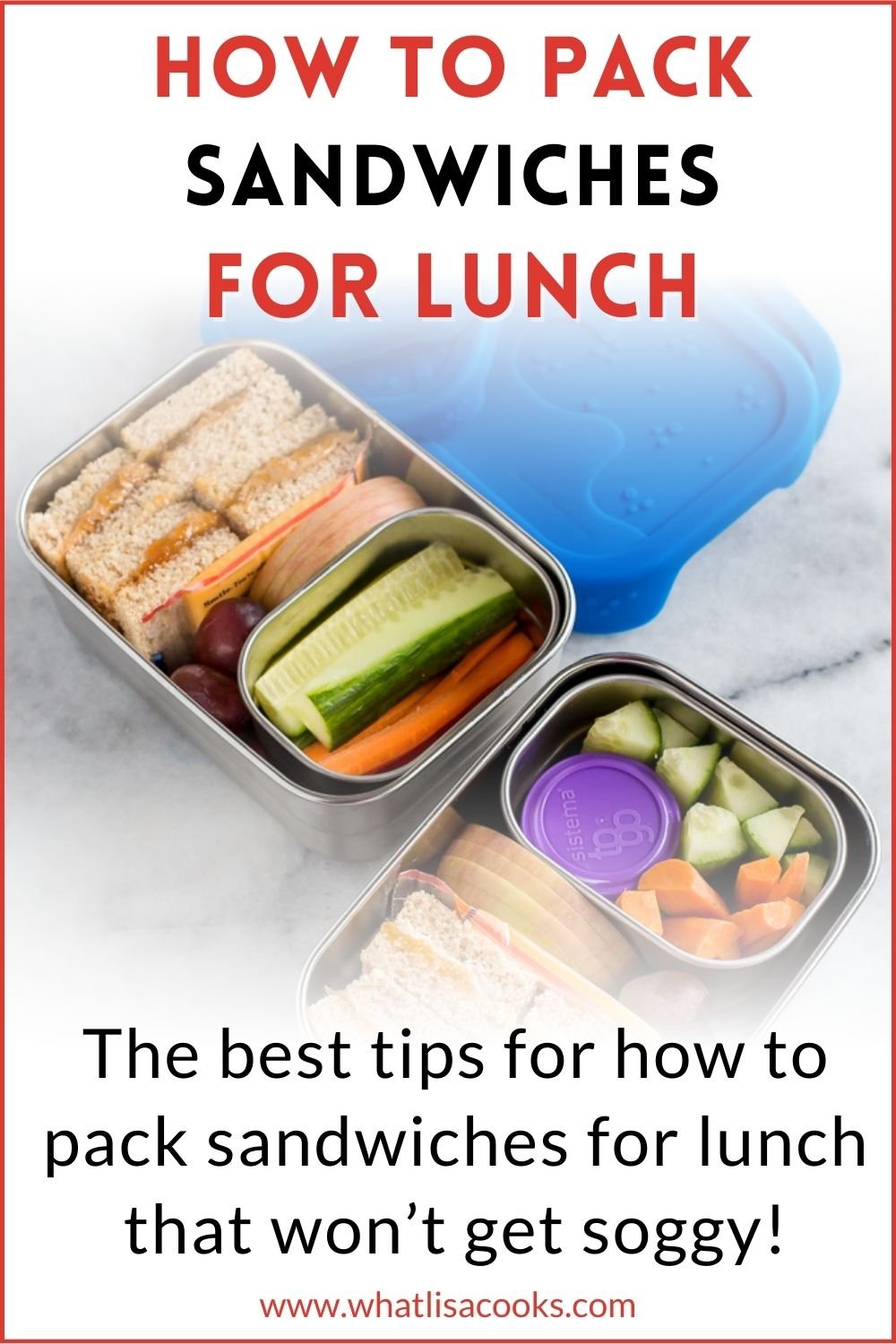
Packing wet items (like tomato slices or lettuce) in a separate container or section keeps the bread dry. Assemble the sandwich right before eating. Many parents use this trick for kids’ lunches.
Smart Condiment Strategies
Condiments are often the culprit for soggy bread, but they’re also essential for flavor.
- Pack condiments separately: Use small containers for mayo, mustard, or dressings.
- Choose thick spreads: Peanut butter, hummus, and cream cheese act as a moisture barrier.
- Apply condiments between dry layers: Spread them between cheese and meat, not on bread.
Some sandwich shops use this method to keep their products fresh for hours.
Credit: www.whatlisacooks.com
Extra Tips For Preventing Soggy Sandwiches
Sometimes, small steps make a big difference. Here are some lesser-known tricks:
- Toast the bread: Toasting makes bread less absorbent. It holds up better with moist fillings.
- Use butter or oil: Spread a thin layer of butter or olive oil on bread. It acts as a shield against moisture.
- Pat ingredients dry: Before adding tomatoes or lettuce, use a paper towel to remove excess water.
- Cool hot fillings: Never pack hot ingredients—steam turns into condensation.
- Add a moisture absorber: Place a dry paper towel in the lunch box (not touching the sandwich) to soak up extra humidity.
Many people miss the butter or oil trick—it’s simple, but very effective.
Sandwich Types That Stay Dry
Certain sandwiches stay dry naturally because of their ingredients and structure.
| Sandwich Type | Why It Stays Dry | Popular Ingredients |
|---|---|---|
| PB&J | Thick spreads block moisture | Peanut butter, jelly |
| Club sandwich | Multiple dry layers | Turkey, bacon, lettuce, tomato |
| Salami & cheese | Dry meats and cheese | Salami, provolone |
| Roast veggie | Roasted veggies have less water | Eggplant, peppers, zucchini |
| Chicken salad | Use thick bread and separate lettuce | Chicken, mayo, celery |
If you need a sandwich for several hours, pick one with naturally dry ingredients.
The Role Of Lunch Box Design
Modern lunch boxes offer features that help prevent sogginess.
- Insulated boxes: Keep temperature steady, reducing condensation.
- Divided compartments: Separate moist and dry items.
- Ventilated containers: Allow air circulation, minimizing humidity buildup.
Choose a lunch box with at least one divided section if you pack sandwiches often. Some high-end lunch boxes even include mini ice packs, which help keep ingredients fresh.
Common Mistakes People Make
Many people make small errors that lead to soggy sandwiches:
- Packing hot food: Warm ingredients cause steam, which turns into water.
- Using wet lettuce: Don’t rinse lettuce right before packing. Dry it thoroughly.
- Overusing condiments: Too much sauce means more moisture.
- Ignoring bread thickness: Thin bread breaks down quickly.
- Sealing sandwiches too tightly: No airflow means trapped moisture.
Avoid these mistakes and your sandwich will stay crisp much longer.
Credit: potatorolls.com
Real-life Example: School Lunch Success
Sarah, a mother of two, used to struggle with soggy sandwiches in her kids’ lunch boxes. She switched to ciabatta rolls, packed tomatoes separately, and wrapped sandwiches in wax paper. Now, her children enjoy fresh sandwiches every day. This simple change also reduced wasted food, saving her about $10 per week.
Expert Insights
Food scientists say that most sogginess happens during the first 2–4 hours after packing. If you can separate wet ingredients during that period, your sandwich will stay fresh. Some studies show that toasted bread absorbs 30% less moisture than untoasted bread. Another tip: If you use lettuce, opt for butter lettuce or spinach—they release less water than iceberg.
For more scientific details about food storage and moisture control, visit FoodSafety.gov.
Frequently Asked Questions
How Can I Keep Sandwiches Fresh For More Than 5 Hours?
Use thick bread, separate wet and dry ingredients, and pack condiments in small containers. An insulated lunch box also helps. Toasting the bread and using butter as a barrier are smart choices.
What Is The Best Bread For Avoiding Sogginess?
Bagels, ciabatta, and sturdy rolls are best. They absorb less moisture. Avoid thin sandwich bread if you use juicy fillings.
Can I Freeze Sandwiches To Keep Them Dry?
Freezing sandwiches works for some types (like PB&J), but not for others. It can change texture. If you freeze, wrap tightly and thaw in the fridge to avoid condensation.
Are There Sandwich Fillings That Never Get Soggy?
Deli meats, hard cheeses, roasted veggies, and thick spreads like peanut butter rarely make bread soggy. Avoid tomatoes, cucumbers, and dressings unless packed separately.
What’s The Fastest Way To Pack A Dry Sandwich?
Pat ingredients dry, use thick bread, layer dry items next to bread, wrap in wax paper, and keep sauces in small containers. This whole process takes under five minutes.
Packing sandwiches for a lunch box doesn’t have to mean sacrificing texture. By choosing the right bread, separating wet and dry ingredients, and using smart packing methods, you can enjoy a sandwich that’s fresh and delicious at lunchtime. Small changes—like toasting bread or adding a layer of butter—can make a big impact.
Try these tips and discover just how easy it is to keep sandwiches from getting soggy, no matter where your day takes you.