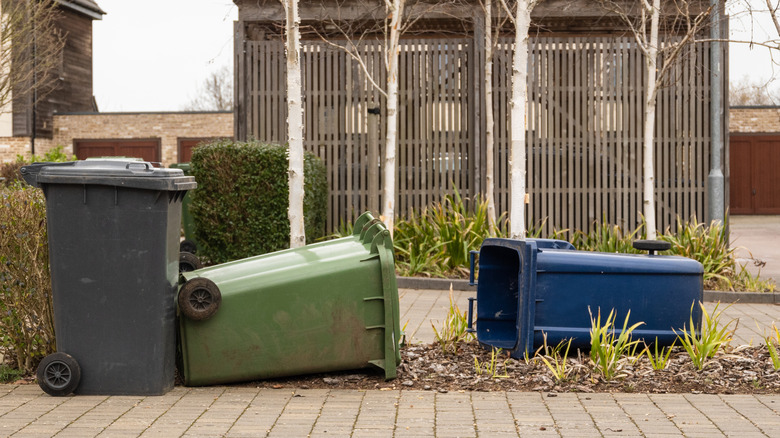
Keeping your trash cans upright may not seem important until you wake up to find garbage scattered in your yard or street. Whether it’s strong winds, animals, or careless handling, tipping trash cans create extra work and mess. For homeowners and businesses, preventing this problem saves time, keeps areas clean, and avoids health issues from spilled waste.
But how do you actually keep trash cans from tipping over? Let’s look at practical solutions, common mistakes, and smart upgrades you can make—so your trash stays where it belongs.
Why Trash Cans Tip Over
Understanding why trash cans tip over helps you choose the best prevention methods. Most cans fall because of:
- Strong wind: Lightweight or empty cans get pushed easily.
- Animals: Raccoons, dogs, and other animals looking for food can knock cans down.
- Poor placement: Cans set on uneven ground or close to curbs are more likely to tip.
- Overfilling or poor balance: Heavy lids or uneven loads make cans unstable.
- Vehicles: Delivery trucks or cars sometimes hit cans left near the street.
Not all homes or businesses face the same risks. For example, rural areas may see more animal problems, while cities often deal with wind and passing cars.
Choosing The Right Trash Can
The type of trash can you use affects how easily it tips. Let’s compare common options:
| Type | Stability | Best for | Common Problems |
|---|---|---|---|
| Plastic wheeled can | Medium | General use, curbside pickup | Tips in high wind, lightweight |
| Metal can | High | Animal resistance, heavy trash | Rusts, hard to move when full |
| Heavy-duty bin | Very High | Businesses, apartments | Expensive, bulky |
| Lightweight plastic bin | Low | Indoor or small spaces | Tips easily, not weatherproof |
Heavier cans with sturdy lids and low profiles are less likely to fall. If you live in a windy or animal-prone area, investing in a better can pays off. Look for models with:
- Wide bases for stability
- Secure, locking lids
- Rugged wheels that don’t wobble
- UV-resistant plastic or rust-free metal
A common beginner mistake is choosing the cheapest can, only to spend more time cleaning up messes.
Placement Matters: Where To Put Your Trash Can
Where you put your trash can is as important as the can itself. Here’s how to pick the best spot:
- Find a sheltered area: Place the can next to a wall, fence, or hedge to block wind. Corners work well.
- Level ground is key: Uneven surfaces cause cans to wobble and fall. Use paving stones or a small platform if needed.
- Avoid slopes: Don’t put cans on driveways or hills.
- Keep clear of vehicles: Place cans away from paths where cars or bikes travel.
- Stay off soft ground: Dirt and grass get muddy, making cans sink or lean.
- Distance from house: Keep cans close enough for convenience, but not so close that odors enter the home.
Non-obvious tip: In areas with snow, clear a flat space for cans before pickup day so they don’t fall or freeze in place.
Securing Trash Cans Against Wind
Wind is the top reason trash cans tip over. Even heavy cans can fall if a gust is strong enough. Here are proven ways to keep them standing:
Use Weights
Adding weight keeps cans grounded. You can:
- Place a heavy brick or stone inside the bottom (under the bag).
- Buy special can weights that clip to the base.
- Fill a small sandbag and set it inside (make sure it’s sealed).
Don’t overload, or it’ll be hard to move the can for pickup.
Anchor Systems
Some products anchor the can to the ground or a wall. Popular options:
- Bungee cords: Hook around a fence or pole.
- Anchor kits: Stakes or brackets you install in the ground.
- Wheel chocks: Blocks that wedge the wheels in place.
These are especially good for homes in high-wind areas or along open roads.
Tie-down Straps
Secure your can with a short strap to a fixed object like a porch railing. Make sure the strap is easy to remove on pickup day.
Wind-blocking Screens
Erect a small fence or lattice panel to block wind. Even a row of tall plants can help. This solution also hides cans from view.
Close The Lid Tight
An open lid catches wind like a sail. Always close and latch the lid securely. Some cans have built-in latches; if not, use a simple bungee cord.
Pro tip: Don’t put out empty cans the night before a storm. Wait until morning if possible.
Keeping Animals Out (and Cans Upright)
Animals like raccoons, opossums, and stray dogs are clever. They can open lids, tip cans, and make a mess searching for food.
Choose Animal-proof Cans
Some cans are designed with:
- Locking lids (twist or latch)
- Heavy bases that are hard to tip
- Smooth sides so animals can’t climb
Look for “bear-proof” models if wild animals are common in your area.
Secure The Lid
If your can doesn’t lock, you can:
- Use a bungee cord across the lid.
- Install a strap or handle lock.
- Weigh down the lid with a heavy object.
Avoid Attracting Animals
- Double-bag food waste.
- Rinse out cans often to remove odors.
- Don’t put meat or dairy out until pickup day.
- Keep cans out of reach until the morning.
Beginner’s mistake: Leaving cans out overnight with strong-smelling waste. Animals hunt at night.
You might find this helpful: Best Trash Can for Kitchen
Solutions For Multi-unit Buildings And Businesses
Apartments and commercial properties often face unique challenges. Multiple cans, large dumpsters, and busy areas need special strategies.
Dumpster Corrals
A dumpster corral is a fenced area with a gate, keeping cans and dumpsters together. It blocks wind and animals, and prevents cans from rolling into traffic.
Grouping Cans
Placing multiple cans together makes them harder to tip. Use a chain or cable to connect several cans, or build a wooden frame to hold them in place.
Scheduled Pickup
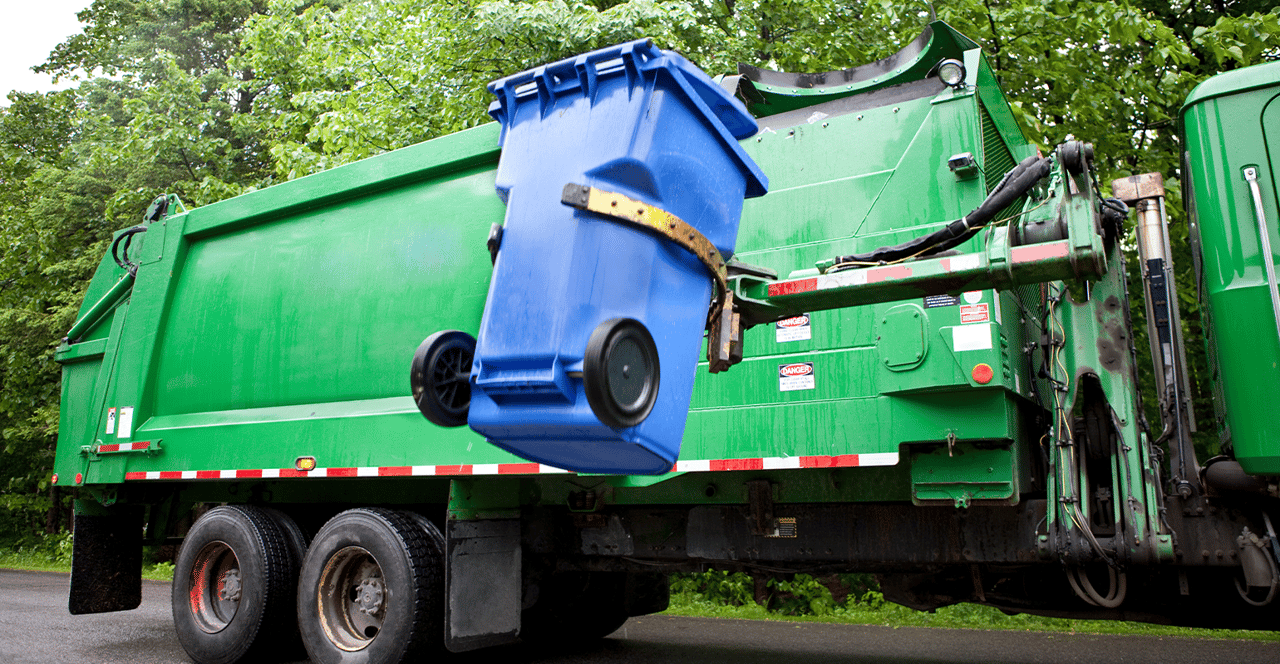
Arrange for more frequent pickups if cans overflow or attract pests. Full cans are less likely to tip.
Staff Training
Make sure everyone knows to secure lids, place cans back in the corral, and report damage. A clear routine keeps the area clean.
Credit: www.housedigest.com
Weatherproofing Your Trash Can Routine
Weather changes affect how you keep trash cans upright. Let’s break it down:
Windy Days
- Weigh down and anchor cans.
- Set out cans in the morning if possible.
- Face lids away from the wind direction.
Rain And Snow
- Keep cans under a cover if you can.
- Clear ice or snow under and around cans before moving them.
- Avoid placing cans where water pools.
Extreme Heat
- Keep cans in the shade to avoid warping.
- Use heavy-duty bags to prevent leaks from melting waste.
Seasonal Changes
Some seasons bring special risks:
- Spring: More wind, animal activity.
- Summer: Odors attract pests.
- Fall: Wet leaves make surfaces slippery.
- Winter: Ice and snow can freeze cans to the ground.
Adjust your approach as the weather changes.
Upgrading Your Trash Can Setup
If you face frequent problems, upgrading your trash system can save time and hassle.
Install A Trash Can Enclosure
A simple wood or plastic enclosure:
- Hides cans from sight
- Blocks wind and animals
- Keeps cans tidy and organized
You can build a custom enclosure or buy one ready-made. Make sure the gate is easy to open for garbage collectors.
Build A Concrete Or Paved Pad
Pour a small concrete pad or lay pavers where you keep cans. This gives a flat, clean surface that prevents tipping. It also keeps cans out of mud.
Add Handles Or Grips
Some cans are hard to control, especially in bad weather. Adding handles or rubber grips helps you move cans safely and set them down firmly.
Smart Trash Cans
Some newer models have built-in sensors, self-locking lids, or even alerts to remind you when to take out the trash. These are pricey but can be useful for busy households or businesses.
Credit: www.waste360.com
Common Mistakes To Avoid
Even with the best can and setup, small errors can ruin your efforts. Here’s what to watch out for:
- Leaving lids open: Wind and animals take advantage.
- Ignoring damage: Cracked cans or broken wheels tip easily.
- Overloading: Cans stuffed past the top are unstable.
- Wrong size: Too big or too small cans don’t work well. Match the can to your needs.
- Forgetting maintenance: Clean cans last longer and tip less.
- Bad timing: Putting out empty cans too early exposes them to wind.
Non-obvious insight: If your can is always too full, request a larger size from your waste provider. Overflowing cans are always unstable.
Comparing Popular Trash Can Stabilizing Products
There are dozens of products designed to keep trash cans upright. Here’s a quick comparison of three common types:
| Product | How It Works | Pros | Cons | Best For |
|---|---|---|---|---|
| Bungee Cord | Wraps around can and anchor point | Cheap, easy to install | Must remove for pickup, may wear out | Home use, light wind |
| Ground Anchor Kit | Bolts can to ground or wall | Very secure, reusable | Permanent, must install | Windy areas, businesses |
| Wheel Chocks | Blocks wheels from moving | Moveable, easy to use | Can be lost, only for wheeled cans | Sloped driveways, curbside |
No single product fits every situation. The best choice depends on your needs, budget, and how often you move the can.
Diy Solutions For Trash Can Stability
If you want to save money or prefer hands-on fixes, there are several DIY solutions:
- Brick or stone in the base: Adds weight quickly.
- Wooden frame: Build a simple box or rack to hold cans together.
- Sandbag tie-down: Fill a bag with sand, tie it to the handle, and let it rest on the ground.
- Home-made strap: Use old belts or rope to secure the can to a fence post.
- Rubber mat: Place a non-slip mat under the can to stop sliding.
Non-obvious tip: Mark your can with bright paint or tape. This helps you and collection crews spot it in snow or at night, reducing the risk of accidental knocks.
Working With Your Local Waste Collection Service
Sometimes, your trash can keeps tipping over because of the way it’s handled by the collection team. Here’s how to address the issue:
- Contact them: Ask if they have recommendations for can types or placement.
- Request a different size: Larger or heavier cans may be available.
- Report repeated problems: If cans are left in unsafe spots, let them know.
- Ask about guidelines: Many cities have rules about where and how to put out cans.
Some services offer tips or even help with installing anchors or enclosures. For more details, check your city’s waste management website or the EPA Recycling Guide.
How Trash Can Stability Improves Your Life
Securing your trash cans is about more than just avoiding a mess. It also:
- Saves time: Fewer cleanups and less chasing cans down the street.
- Protects health: Reduces exposure to garbage, bacteria, and pests.
- Keeps neighbors happy: No spilled trash blowing into other yards.
- Improves safety: Prevents cans from rolling into roads or walkways.
- Boosts curb appeal: Neat, upright cans look better.
Non-obvious insight: Stable cans also prevent damage to your property. Tipped cans can scratch cars, break fences, or block driveways.
Frequently Asked Questions
Why Do My Trash Cans Keep Tipping Over Even After Securing Them?
If your trash cans still tip after using weights or anchors, check for:
- Placement on uneven or slippery ground
- Broken wheels or lids making them unstable
- Overflowing or unbalanced loads
- Very strong winds (sometimes no method is 100% foolproof)
Try combining solutions, like anchoring and adding weight, for better results.
What Is The Best Way To Secure A Trash Can On A Sloped Driveway?
On a sloped driveway, use a combination of wheel chocks and a strap or bungee cord. Place the can against a wall or sturdy object, and block the wheels. Avoid putting out cans in storms if possible.
How Can I Keep Animals From Tipping Over My Trash Cans?
Use animal-proof cans with locking lids, and avoid putting out food waste until the last minute. Secure the lid with a bungee cord or strap, and rinse cans often to remove odors.
Is It Safe To Bolt My Trash Can To The Ground?
Yes, bolting cans to the ground is safe if you own your property and choose a spot that doesn’t block access. Make sure the can is still easy for collection crews to empty—ask your service before installing permanent anchors.
Are There Any Smart Trash Cans That Can Prevent Tipping?
Some smart trash cans have self-locking lids or sensors that can send alerts if the can falls. These are new and can be expensive, but may be worth it for homes with frequent problems.
Securing your trash cans may take a little effort, but the results—cleaner yards, fewer headaches, and a better neighborhood—are worth it. With the right can, smart placement, and a few simple tools, you can keep your trash where it belongs, no matter the weather or the animals outside.

Credit: www.amazon.ie