Keeping your ice machine in top shape is not just about clear cubes or reliable service. It’s about ensuring every drink is safe, every customer is happy, and your business avoids costly breakdowns. Whether you run a café, a restaurant, or simply use an ice maker at home, understanding how to maintain an ice machine is essential.
Many people think these machines are “set and forget. ” In reality, they demand regular care. Neglect leads to dirty ice, poor performance, and even machine failure. Let’s break down the complete process, step by step, so your ice machine always works at its best.
Why Ice Machine Maintenance Matters
An ice machine is more than a simple appliance. It’s a food safety device and a critical part of many businesses. Poor maintenance can cause:
- Bacterial contamination, which can make people sick
- Mineral build-up, leading to bad-tasting ice and slow production
- Mechanical breakdowns that interrupt service and cost money to fix
For example, the U. S. Centers for Disease Control and Prevention reports that contaminated ice has caused outbreaks of norovirus and other illnesses. Proper cleaning is not just about appearance—it’s about health and reputation.
Basic Ice Machine Components
Understanding the parts of your ice machine helps you maintain it better. Common components include:
- Evaporator plate: Where water freezes into ice
- Water lines and filter: Bring clean water to the machine
- Condenser coils: Remove heat from the system
- Storage bin: Holds finished ice
- Sensors and controls: Manage ice production
Most machines come with a manual showing these parts. Knowing their location makes cleaning and inspection much easier.
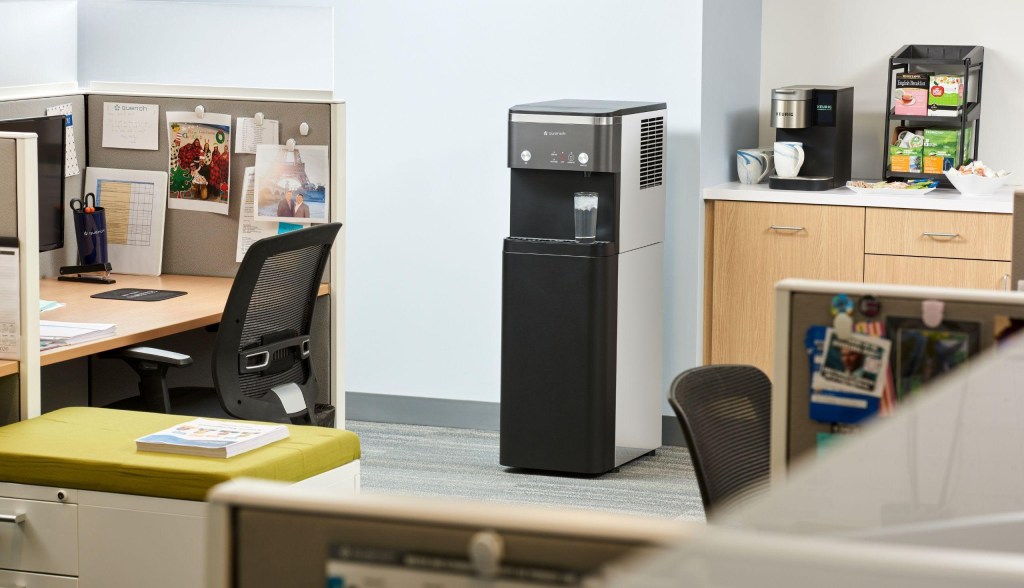
Credit: quench.culligan.com
Daily Maintenance Tasks
Keeping up with small, daily jobs can prevent big problems later. Every day, make sure to:
- Wipe down exterior surfaces with a damp, clean cloth. This removes dirt and sticky residues that attract bacteria.
- Check for leaks around water lines and under the machine.
- Empty the ice bin fully at the end of service, especially in commercial settings. Older ice can pick up off-flavors or bacteria.
- Inspect the ice for clarity and shape. Cloudy or misshapen cubes may signal a problem inside.
Skipping daily care is a common mistake that can lead to build-up and even mold.
Weekly And Monthly Cleaning
While daily tasks are quick, thorough cleaning should happen weekly or monthly, depending on usage and manufacturer advice.
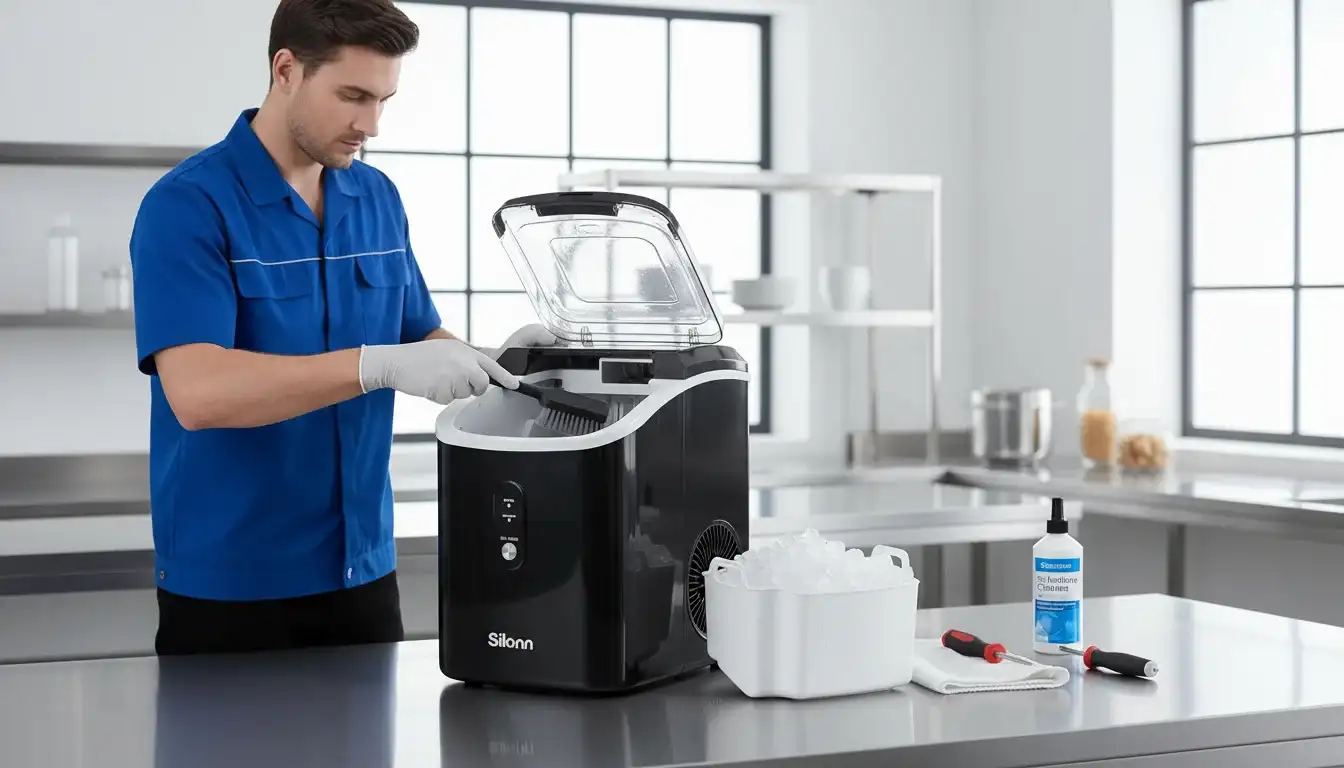
Cleaning The Ice Bin
- Turn off the machine and remove all ice.
- Use a food-safe cleaner or a mix of warm water and mild detergent.
- Scrub the inside surfaces and corners, then rinse with clean water.
- Let the bin air dry before turning the machine back on.
Descaling And Sanitizing
Minerals in water (like calcium and lime) can build up inside the machine. Descaling is the process of removing these deposits.
- Mix a manufacturer-approved descaling solution (or use white vinegar for some home models).
- Run the cleaning cycle as directed in your manual.
- After descaling, always sanitize. Use a food-safe sanitizer and follow the instructions carefully.
Cleaning Condenser Coils
Dirt and dust on the coils make your ice machine work harder.
- Unplug the machine.
- Use a soft brush or vacuum to remove dust.
- For stubborn grime, wipe gently with a damp cloth.
Regular coil cleaning can extend the life of your ice machine and lower energy costs.
Changing Water Filters
Water filters remove impurities that harm both ice quality and the machine itself. Most experts recommend changing filters every 6 months or more often if you notice:
- Slower ice production
- Odd-tasting ice
- Visible particles in the water
Replacing filters is simple:
- Turn off the water supply.
- Twist out the old filter and install a new one, following the direction arrows.
- Run water through the new filter to flush out air and loose carbon.
Here’s a quick comparison of filter types:
| Filter Type | Main Purpose | Replacement Frequency |
|---|---|---|
| Activated Carbon | Remove chlorine, odors | 6 months |
| Reverse Osmosis | Remove dissolved solids | 12 months |
| Polyphosphate | Prevent scale | 6-12 months |
Deep Cleaning: Step-by-step
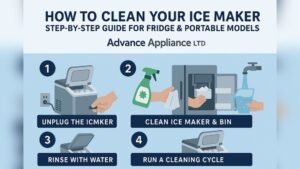
Every 3-6 months (or as the manufacturer suggests), perform a deep clean. Here’s a clear step-by-step guide:
- Turn off and unplug the machine.
- Remove all ice from the storage bin.
- Take apart removable parts, such as the ice scoop, tray, and curtain.
- Wash parts with warm water and a mild cleaner. Rinse thoroughly.
- Prepare the descaling solution (follow the label or manual).
- Run the cleaning cycle or manually apply the solution to internal surfaces.
- Rinse everything with clean water to remove chemicals.
- Sanitize using a food-safe solution, especially in corners and hard-to-reach spots.
- Reassemble the machine.
- Plug in and run two cycles, then discard the first batch of ice to ensure no cleaner remains.
Neglecting deep cleans can lead to mold, bacteria, and mineral build-up.
Ice Machine Maintenance Schedule
Staying organized helps you avoid missed cleanings. Use this sample schedule as a guide:
| Task | Frequency | Who Should Do It |
|---|---|---|
| Wipe exterior surfaces | Daily | All staff |
| Check for leaks | Daily | All staff |
| Clean ice bin | Weekly | Manager/cleaning team |
| Descale and sanitize | Monthly | Manager/technician |
| Change water filter | Every 6 months | Technician |
| Professional inspection | Annually | Certified technician |
Signs Your Ice Machine Needs Immediate Attention
Sometimes, problems appear suddenly. Look out for these warning signs:
- Strange noises (grinding, buzzing, or clicking)
- Slow or stopped ice production
- Dirty, cloudy, or oddly shaped ice
- Water pooling under the machine
- Bad smells from the ice or machine
If you notice any of these, stop using the machine and check for the cause. In many cases, a full cleaning or quick repair will fix the issue. But if problems continue, call a professional.

Credit: www.tsbldistributing.com
Mistakes To Avoid
Even experienced users sometimes make errors that harm their ice machine:
- Skipping filter changes: Old filters let dirt into the system.
- Using harsh chemicals: Only use cleaners approved by the manufacturer.
- Ignoring the manual: Each machine is a little different. Always check the instructions.
- Forgetting to rinse: Cleaning chemicals must be rinsed away completely.
- Neglecting the area around the machine: Dust and grease nearby can enter the system.
A less obvious mistake is blocking airflow. Many machines need space around them to cool properly. Crowding them against walls or boxes can cause overheating.
The Importance Of Professional Servicing
Even with regular cleaning, some tasks need an expert’s touch. Certified technicians can:
- Check refrigerant levels
- Inspect electrical components
- Test water pressure
- Clean hard-to-reach internal parts
An annual service can catch small problems before they become expensive breakdowns. Data from industry studies shows that regular professional maintenance can extend an ice machine’s life by 25% or more.
Comparing Different Ice Machines
Not all ice machines are the same. Maintenance needs can vary by type:
| Machine Type | Typical Use | Maintenance Difficulty |
|---|---|---|
| Modular (commercial) | Restaurants, hotels | High |
| Undercounter | Cafés, bars | Medium |
| Portable (home) | Homes, small offices | Low |
For example, modular machines often need more frequent cleaning and professional checks, while home units may only require simple descaling and filter changes.
Non-obvious Tips For Better Maintenance
Most beginners focus on cleaning, but two smart practices often get missed:
- Monitor water quality: Hard water leads to scale. Using a water softener or regular filter checks can prevent costly build-up.
- Log maintenance activities: Keep a notebook or digital log. It’s easy to forget when you last cleaned or changed a filter. Logs help you spot patterns and avoid missed tasks.
Also, consider installing a small sign or sticker near the machine, reminding staff about cleaning dates and filter changes.
Extending The Life Of Your Ice Machine
A well-maintained ice machine can last 10 years or more. To get the most from your investment:
- Follow a regular schedule for all cleaning and filter changes
- Respond quickly to any warning signs
- Use the machine only as intended (don’t store food or bottles in the bin)
- Train all staff on proper care and why it matters
For more detailed technical advice, you can check resources from manufacturers or organizations such as the CDC.
Taking these steps doesn’t just protect your machine. It also safeguards your customers and your business reputation.
Frequently Asked Questions
How Often Should I Clean My Ice Machine?
Most manufacturers recommend cleaning at least every 3-6 months. If your machine is used heavily, clean monthly. Always consult your user manual for specific guidance.
What Happens If I Don’t Change The Water Filter?
Old filters can clog, slowing ice production and letting dirt and chemicals into your ice. This can cause bad taste, odors, and even machine damage.
Can I Use Bleach To Clean My Ice Machine?
It’s best to use only manufacturer-approved cleaners and sanitizers. Bleach can damage components or leave harmful residues if not rinsed thoroughly.
Why Does My Ice Taste Or Smell Bad?
Bad-tasting ice often means the machine needs cleaning or the water filter needs changing. Sometimes, it’s a sign of poor water quality or contamination in the supply lines.
Is Professional Servicing Really Necessary?
Yes. Even if you clean regularly, a technician can spot hidden issues, check refrigerant levels, and perform deep cleaning of internal systems. Annual servicing can save you money and prevent breakdowns.
Taking care of your ice machine may seem like extra work, but it’s a simple routine that pays off with better ice, fewer repairs, and peace of mind. Give your machine the care it deserves, and it will serve you well for years to come.