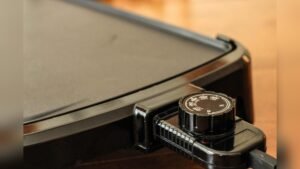
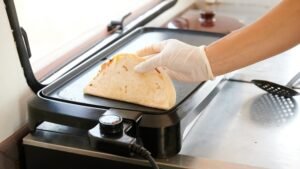
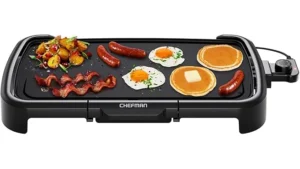
Making hibachi at home is an adventure for your senses. The aroma of sizzling meat, the sight of vegetables tossing high on the griddle, and the fun of flipping a shrimp with your spatula—hibachi brings excitement to your kitchen. Many people think they need expensive equipment or special skills, but with the right approach, you can create tasty hibachi dishes at home on a simple griddle.
Whether you love steak, chicken, shrimp, or just vegetables, this guide will help you enjoy Japanese steakhouse flavors in your own space.
What Is Hibachi Cooking?
Hibachi cooking is a Japanese style where food is grilled over high heat, usually on a flat metal surface. Restaurants use large grills called teppan, but at home, a flat electric griddle or stovetop griddle works well. Hibachi is famous for quick cooking, smoky flavors, and interactive preparation. It is not just about taste—it’s about experience. The best part? You can control every ingredient and make it healthier.
Essential Tools And Ingredients
Before you start, gather these basics to make your hibachi night smooth and fun.
Tools You Will Need
- Griddle: A flat electric griddle or stovetop griddle pan. At least 20 inches wide works best for families.
- Spatulas: Two wide, sturdy metal spatulas for flipping and chopping.
- Knife and Cutting Board: For prepping your ingredients.
- Squeeze Bottles: For sauces and oil (optional, but adds that restaurant feel).
- Small Bowls: To organize prepped meat, veggies, and sauces.
Key Ingredients
- Protein: Chicken breast, steak (like sirloin or ribeye), shrimp, or tofu for vegetarians.
- Vegetables: Onion, zucchini, carrots, mushrooms, and broccoli are classics.
- Rice: Cooked and cooled white rice for fried rice.
- Soy Sauce: Low-sodium or regular.
- Butter: Unsalted is best for flavor control.
- Garlic: Freshly minced.
- Sesame Oil: For authentic taste.
- Salt and Pepper: For seasoning.
- Eggs: For fried rice.
- Optional: Hibachi sauces like yum yum, ginger, or spicy mayo.
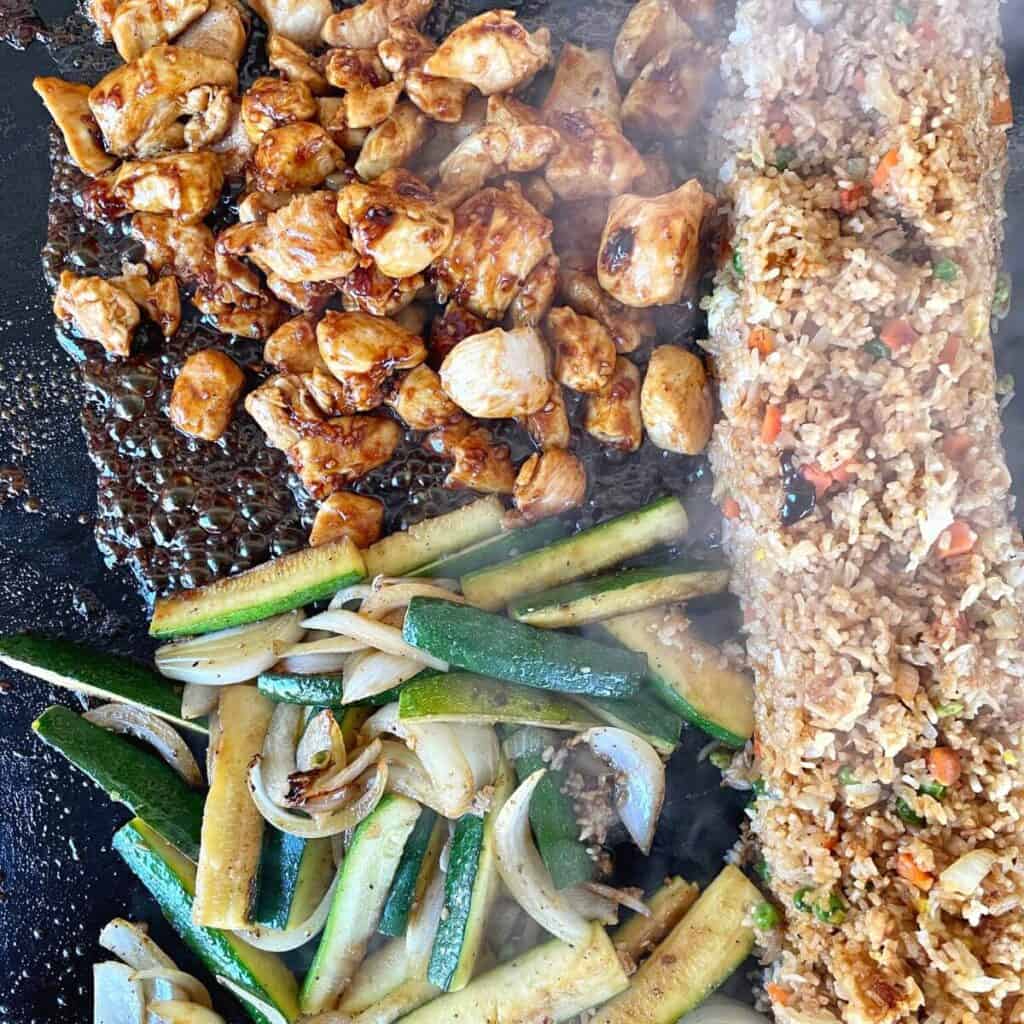
Credit: theflattopking.com
Choosing The Right Griddle
Not all griddles are created equal. Here’s a comparison of common types to help you pick the best one for hibachi at home:
| Griddle Type | Heat Control | Size | Ease of Use | Price Range |
|---|---|---|---|---|
| Electric Griddle | Good | Medium-Large | Easy | $$ |
| Stovetop Griddle Pan | Depends on stove | Medium | Medium | $ |
| Outdoor Flat Top (Propane) | Excellent | Very Large | Moderate | $$$ |
For most kitchens, an electric griddle is the easiest. It heats evenly, has plenty of space, and is simple to clean.
Step-by-step: How To Make Hibachi At Home
Let’s break down the process into clear steps, so you can enjoy restaurant-style hibachi without stress.
1. Prep Your Ingredients
Preparation is key. Hibachi moves fast, so have everything ready before you start cooking.
- Cut meat into bite-sized pieces, about 1-inch cubes.
- Chop vegetables into similar sizes for even cooking.
- Cook rice ahead of time. Cold, day-old rice works best for fried rice because it stays fluffy.
- Measure sauces and seasonings into small bowls.
Pro tip: Don’t skip this prep. Trying to chop while the griddle is hot can lead to burnt food and stress.
2. Preheat The Griddle
Turn your griddle to high heat—around 400°F (204°C). Let it heat for at least 5 minutes. A hot griddle gives food that special hibachi sear.
3. Start With Fried Rice
Fried rice is the heart of hibachi. Here’s how to make it:
Ingredients for Hibachi Fried Rice (4 servings):
- 3 cups cooked, cold white rice
- 2 eggs
- 1/2 cup diced onion
- 1/2 cup diced carrot
- 2 tablespoons soy sauce
- 2 tablespoons butter
- 1 tablespoon sesame oil
- 2 cloves garlic, minced
- Salt and pepper
Steps:
- Push 1 tablespoon butter and sesame oil onto the hot griddle.
- Add onion and carrot. Sauté for 2 minutes.
- Move veggies to the side. Crack eggs onto the griddle. Scramble until cooked.
- Add rice and garlic. Stir well, breaking up clumps.
- Add soy sauce, the rest of the butter, salt, and pepper. Mix and fry for 3-5 minutes.
- Taste and adjust seasoning.
Beginner insight: Don’t overcrowd the griddle. Give rice space so it fries, not steams. This keeps it from getting mushy.
4. Cook The Vegetables
After rice, make your hibachi veggies.
Ingredients:
- 1 zucchini (sliced)
- 1/2 onion (sliced)
- 1/2 cup mushrooms (sliced)
- 1/2 cup broccoli florets
- 1/2 cup carrot (sliced)
- 1 tablespoon soy sauce
- 1 tablespoon butter
- Salt and pepper
Steps:
- Add butter to the griddle.
- Toss in all vegetables.
- Stir-fry for 4-5 minutes until just tender but still crisp.
- Add soy sauce, salt, and pepper. Cook 1 minute more.
Non-obvious tip: Start cooking with the thicker vegetables (like carrots and broccoli) 1-2 minutes before adding softer ones like mushrooms and zucchini. This ensures everything finishes at the same time.
5. Sear Your Protein
The star of hibachi is the protein. Whether you use steak, chicken, or shrimp, the method is similar.
For Steak or Chicken:
- 1 pound meat, cut into 1-inch pieces
- Salt and pepper
- 1 tablespoon soy sauce
- 1 tablespoon butter
- 1 clove garlic, minced (optional)
Steps:
- Season meat with salt and pepper.
- Add butter to the griddle.
- Sear meat for 2-3 minutes per side until golden brown and cooked through.
- Add soy sauce and garlic in the last minute for flavor.
For Shrimp:
- 1 pound large shrimp, peeled and deveined
- Salt and pepper
- 1 tablespoon butter
- 1 tablespoon soy sauce
Steps:
- Season shrimp.
- Cook on the griddle with butter for 1-2 minutes per side until pink.
- Add soy sauce in the last 30 seconds.
Expert insight: For juicy meat, don’t stir constantly. Let it sear on one side before flipping. This gives that signature brown crust.
6. Make Hibachi Sauces
No hibachi meal is complete without sauces. Here are two simple versions you can make at home:
Yum Yum Sauce
- 1 cup mayonnaise
- 1 tablespoon ketchup
- 1 tablespoon melted butter
- 1 teaspoon garlic powder
- 1 teaspoon sugar
- 1 tablespoon rice vinegar
- 1/2 teaspoon paprika
- 2-3 tablespoons water (to thin)
Mix everything in a bowl. Adjust water for desired thickness.
Ginger Sauce
- 1/4 cup soy sauce
- 2 tablespoons rice vinegar
- 1 tablespoon grated ginger
- 1 tablespoon chopped onion
- 1 teaspoon sugar
Stir ingredients together. Let sit for 10 minutes before serving.
Pro insight: Most store-bought hibachi sauces contain lots of sugar. Making your own lets you control sweetness and sodium.
7. Serve Everything Hot
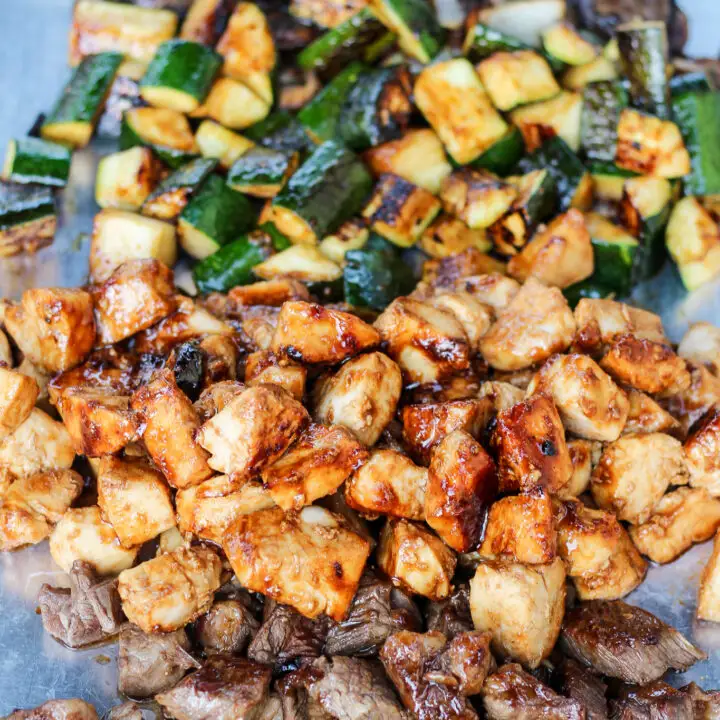
Arrange your rice, veggies, and protein on a plate. Serve sauces on the side for dipping. Hibachi tastes best fresh and hot right off the griddle.
Credit: jenaroundtheworld.com
Hibachi Cooking Times At A Glance
Here’s a quick reference for common hibachi foods:
| Food | Griddle Temp | Cook Time | Notes |
|---|---|---|---|
| Steak (1-inch cubes) | 400°F | 4-6 min | Flip once for crust |
| Chicken (1-inch cubes) | 400°F | 6-8 min | Cook through |
| Shrimp | 375-400°F | 2-3 min | Until pink |
| Vegetables | 375°F | 4-6 min | Stir often |
| Fried Rice | 375-400°F | 5-7 min | Use cold rice |
Common Mistakes And How To Avoid Them
Many first-timers make the same errors. Here’s how to avoid them:
- Crowding the griddle: Too much food steams instead of sears. Cook in batches if needed.
- Starting with a cold griddle: Food sticks and doesn’t brown.
- Not using enough butter or oil: Hibachi needs fat for flavor and browning.
- Forgetting to season: Salt, pepper, and soy sauce are key.
- Skipping the prep: Hibachi cooking is fast. If you’re still chopping, you’ll overcook something.
Hidden tip: Wipe down the griddle between batches with a paper towel and a little oil. This keeps flavors fresh and prevents burning.

Credit: www.youtube.com
Making Hibachi For Special Diets
Hibachi can be adapted for almost any diet.
- Low-carb: Use cauliflower rice instead of white rice.
- Gluten-free: Choose gluten-free soy sauce or tamari.
- Vegetarian: Replace meat with tofu or extra vegetables.
- Dairy-free: Use oil instead of butter.
Practical advice: Always check ingredient labels, especially for sauces, since many contain hidden gluten or dairy.
Bringing Hibachi Fun To Family And Friends
One unique part of hibachi is the show. While you might not master the onion volcano on your first try, you can make your dinner interactive:
- Let kids or guests help with flipping veggies or stirring rice.
- Serve sauces in small bowls for dipping.
- Play upbeat music for a festive feel.
- Use chopsticks for a real Japanese steakhouse experience.
Secret insight: People enjoy hibachi as much for the fun as for the food. Don’t worry if everything isn’t perfect—the memories are what count.
Cleaning Up After Hibachi
After your meal, let the griddle cool slightly. Scrape off bits with a spatula, then wipe with a damp cloth. For stuck-on food, pour a little water on the warm griddle and scrape gently.
Pro tip: Season your griddle with a thin layer of oil after cleaning to prevent rust and keep it non-stick.
Cost Savings: Home Hibachi Vs. Restaurant
Making hibachi at home saves money. Here’s a quick comparison:
| Meal | Restaurant Cost (per person) | Home Cost (per person) |
|---|---|---|
| Hibachi Steak, Chicken, Shrimp Combo | $25–$35 | $6–$10 |
| Vegetable Hibachi | $14–$18 | $3–$5 |
You can feed a family of four for the price of two restaurant dinners. Plus, you get leftovers!
Frequently Asked Questions
What Is The Difference Between Hibachi And Teppanyaki?
Hibachi means “fire bowl” in Japanese and refers to a charcoal grill, while teppanyaki is food cooked on a flat iron griddle. In the US, hibachi restaurants usually serve teppanyaki-style food on a griddle.
Can I Use A Nonstick Skillet Instead Of A Griddle?
Yes, a large nonstick skillet works, but space is limited. You may need to cook in batches. A griddle gives you that open, restaurant-style cooking surface.
What Oil Is Best For Hibachi At Home?
Sesame oil gives classic flavor but burns easily. Mix it with a neutral oil like canola or use butter for cooking, then drizzle sesame oil at the end.
How Do I Prevent Food From Sticking To The Griddle?
Preheat well, use enough oil or butter, and don’t move the food too soon. Let it sear and naturally release before flipping.
Where Can I Learn More About Authentic Hibachi And Japanese Cuisine?
You can explore Japanese grilling history and techniques on the Wikipedia Hibachi page for deeper insights.
Making hibachi at home is not just about the food; it’s about bringing people together for an interactive, delicious meal. With a little practice, your kitchen can become the most popular “hibachi grill” in your neighborhood—no reservations needed.