Making ice cream at home is a dream for many dessert lovers. It’s fun, creative, and gives you control over flavors and ingredients. If you own a Kitchenaid stand mixer, you can easily make creamy ice cream without buying a separate machine.
This guide shows you every step, from choosing ingredients to serving your first scoop. Whether you’re new to homemade ice cream or want to upgrade your skills, you’ll find clear instructions, helpful tips, and answers to common questions.
Why Make Ice Cream With A Kitchenaid Stand Mixer?
Many people think you need a special ice cream maker to get smooth, creamy results. In reality, a Kitchenaid stand mixer with an ice cream attachment is just as effective. This tool uses the mixer’s powerful motor to churn the ice cream base, which is key for creating that soft, scoopable texture.
There are several reasons to use your stand mixer:
- Convenience: No need for an extra appliance.
- Variety: You can experiment with flavors, mix-ins, and textures.
- Cost-effective: Homemade ice cream is often cheaper than store-bought.
- Health: Control sugar and fat levels, and avoid unwanted additives.
According to a 2023 survey by the National Ice Cream Retailers Association, nearly 40% of home cooks say they prefer making ice cream at home for these reasons.
Understanding The Kitchenaid Ice Cream Attachment
The Kitchenaid ice cream attachment is a special bowl that fits onto your stand mixer. Inside, it contains a liquid that freezes when you store the bowl in your freezer. When you add the ice cream base and turn on the mixer, the paddle stirs the mixture, keeping it cold and aerated.
Here’s a quick comparison of making ice cream with the Kitchenaid attachment versus other methods:
| Method | Prep Time | Texture Quality | Ease of Use | Cost |
|---|---|---|---|---|
| Kitchenaid Attachment | ~20 min (plus chilling) | Very creamy | Easy | Low (if you own mixer) |
| Dedicated Ice Cream Maker | ~20 min (plus chilling) | Very creamy | Easy | Medium-high |
| No-Churn (hand mixing) | ~10 min (plus freezing) | Less creamy | Moderate | Low |
The stand mixer method stands out for its simplicity and reliable results. You only need to buy the ice cream bowl attachment, which usually costs between $40 and $60.

Credit: www.amazon.com
Choosing Ingredients: The Foundation Of Great Ice Cream
The right ingredients make all the difference. For classic vanilla ice cream, you need:
- Heavy cream: 2 cups (for richness)
- Whole milk: 1 cup (for balance)
- Sugar: ¾ cup (for sweetness and texture)
- Vanilla extract: 1 tablespoon (for flavor)
- Egg yolks (optional): 4 (for custard-style ice cream)
Most recipes use egg yolks for a creamier, smoother texture. If you want egg-free ice cream, simply skip them.
Let’s see how ingredient choices affect your ice cream:
| Ingredient | Purpose | Impact on Texture |
|---|---|---|
| Heavy Cream | Fat, richness | Makes ice cream smooth and creamy |
| Whole Milk | Balance, volume | Prevents ice cream from being too dense |
| Sugar | Sweetness, structure | Helps with softness, prevents ice crystals |
| Egg Yolks | Emulsifier | Gives thick, custard-like texture |
| Vanilla Extract | Flavor | Adds classic taste |
For mix-ins or flavorings, add chocolate chips, fruit purees, cookie pieces, or nuts. Avoid adding them too early—wait until the ice cream is almost finished churning.
Prepping Your Kitchenaid Stand Mixer
Before you start, there are a few steps to ensure success:
- Freeze the bowl: Place the ice cream attachment bowl in your freezer for at least 15 hours (ideally overnight). The bowl must be completely frozen or the ice cream won’t set.
- Check your mixer: Make sure your stand mixer is clean and dry. Attach the bowl and paddle according to the manufacturer’s instructions.
- Prepare workspace: Keep your ingredients ready and clear space for mixing and pouring.
Many beginners overlook the importance of freezing the bowl long enough. Even if it feels cold, it must be frozen solid to churn ice cream properly. If you skip this, your mixture will stay liquid.
Step-by-step: Making Classic Vanilla Ice Cream
Let’s walk through the process of making classic vanilla ice cream using your Kitchenaid stand mixer. This recipe serves about 6–8 people.
Ingredients
- 2 cups heavy cream
- 1 cup whole milk
- ¾ cup granulated sugar
- 1 tablespoon vanilla extract
- 4 egg yolks (optional, for custard base)
Cooking Time
- Prep: 15 minutes
- Chilling: 2–4 hours (or overnight)
- Churning: 20–25 minutes
- Freezing (for firm texture): 2–4 hours
Instructions
- Make the base: In a saucepan, whisk egg yolks and sugar until pale and thick. Slowly add milk, whisking constantly. Heat over medium, stirring, until the mixture thickens (about 8 minutes). Remove from heat and stir in heavy cream and vanilla extract.
- Chill the base: Pour into a bowl, cover, and chill in the refrigerator for at least 2 hours. For best results, chill overnight.
- Set up mixer: Attach the frozen ice cream bowl and paddle to your Kitchenaid stand mixer.
- Pour and churn: Pour the chilled base into the bowl. Set the mixer to “stir” or low speed. Let it churn for 20–25 minutes, until the mixture thickens and resembles soft serve.
- Add mix-ins: If using mix-ins (chocolate chips, fruit, etc. ), add them in the last 5 minutes of churning.
- Freeze for firmness: Transfer ice cream to a container. Cover and freeze for 2–4 hours for a firmer texture.
- Serve: Scoop and enjoy.
Practical Tips
- Use a digital thermometer to check the base: It should reach about 170°F for safety.
- Avoid overfilling the bowl. The mixture expands as it freezes.
- For the creamiest results, always chill the base thoroughly before churning.
Variations: Creative Flavors And Mix-ins
One of the best parts of making ice cream at home is inventing new flavors. You can experiment with:
- Chocolate: Add ½ cup cocoa powder or melted chocolate to the base.
- Fruit: Puree 1 cup strawberries, mango, or banana and mix into the chilled base.
- Cookies & Cream: Add 1 cup crushed cookies (like Oreos) during the last 5 minutes.
- Nut butter: Swirl in ½ cup peanut butter or almond butter for extra richness.
- Mint chip: Add 1 teaspoon mint extract and ¾ cup chocolate chips.
If you want to try vegan or dairy-free options, use coconut milk, almond milk, or oat milk. Replace heavy cream with a thick non-dairy alternative.
Here’s a flavor inspiration table:
| Flavor | Mix-In | Extra Tip |
|---|---|---|
| Strawberry | Fresh puree | Fold in diced berries after churning |
| Chocolate | Cocoa powder | Add a pinch of salt for depth |
| Cookies & Cream | Crushed cookies | Use chocolate sandwich cookies for classic taste |
| Peanut Butter Swirl | Peanut butter | Swirl after churning, not before |
| Mint Chip | Mint extract, chocolate chips | Use real peppermint for stronger flavor |
Non-obvious insight: For fruit-based flavors, always cook or puree the fruit before adding. Raw fruit can add water, making your ice cream icy and less creamy.
Troubleshooting Common Problems
Even with a good recipe, things can go wrong. Here are solutions to the most common issues:
Ice Cream Too Soft
- Make sure the bowl was frozen for at least 15 hours.
- Chill the base thoroughly before churning.
- Don’t overfill the bowl—leave space for expansion.
Ice Crystals
- Use enough sugar; it helps prevent ice crystals.
- Make sure mix-ins are dry and not watery.
- Churn until thick and creamy, not runny.
Base Not Thickening
- The paddle must touch the mixture constantly; check for correct assembly.
- If using egg yolks, cook the custard to proper thickness.
- If the mixture stays liquid, return the bowl to the freezer and try again.
Non-obvious insight: Humidity in your kitchen can affect freezing. If your kitchen is very warm, chill all utensils and ingredients before starting.
Cleaning And Storing Your Attachment
After you finish making ice cream, it’s important to clean your attachment properly. Here’s how:
- Let the bowl return to room temperature before washing.
- Never use hot water; it can damage the bowl’s freezing liquid.
- Wash with mild soap and water. Avoid abrasive sponges.
- Dry thoroughly before storing in the freezer.
Store the bowl in your freezer if you plan to make ice cream often. This way, it’s always ready for your next batch.
Comparing Homemade And Store-bought Ice Cream
Many people wonder if homemade ice cream is really better than store-bought. Let’s look at the facts:
| Feature | Homemade Ice Cream | Store-Bought Ice Cream |
|---|---|---|
| Flavor Variety | Unlimited (customizable) | Limited to available flavors |
| Ingredients | Fresh, controllable | Often contains additives |
| Price | Lower per serving | Higher, especially premium brands |
| Texture | Very creamy (with proper technique) | Consistent, but sometimes icy |
| Nutrition | Can adjust sugar, fat, etc. | Fixed by manufacturer |
A 2022 market report found that the average American eats about 23 pounds of ice cream per year. Making your own lets you experiment, save money, and impress friends.
Expert Tips For Better Ice Cream
If you want your ice cream to rival the best, try these expert tips:
- Use fresh, high-quality ingredients for richer flavor.
- Don’t rush the chilling process; the colder the base, the smoother the ice cream.
- Add alcohol (like vodka or rum) in small amounts to keep ice cream soft. About 1 tablespoon per batch works well.
- Experiment with textures by adding crunchy mix-ins or swirls.
- Serve with fresh toppings: Berries, nuts, whipped cream, or chocolate sauce.
Another insider tip: For a lighter texture, whip the base lightly before churning. This adds air and makes the ice cream fluffier.

Credit: www.youtube.com
Safety And Food Handling
Because ice cream contains dairy and sometimes eggs, safety matters. Always:
- Cook custard bases to 170°F for safe eggs.
- Use clean utensils and bowls.
- Store ice cream below 0°F to prevent spoilage.
- Consume within 1–2 weeks for best quality.
If you have allergies, check all mix-ins and flavorings for hidden ingredients.
Making Ice Cream With Kids
Making ice cream is a great family activity. Kids can help with:
- Measuring ingredients
- Whisking the base
- Adding mix-ins
- Scooping and serving
To keep kids safe, handle hot ingredients yourself, and supervise when assembling the mixer.
Saving Time: Batch Prep And Freezing
If you want to make ice cream more often, prepare bases ahead of time. You can:
- Make two or three bases, chill them, and freeze in containers.
- Store bases for up to 3 days in the fridge before churning.
- Freeze finished ice cream in airtight containers for up to 1 month.
Label each container with flavor and date for easy tracking.
The Science Behind Creamy Ice Cream
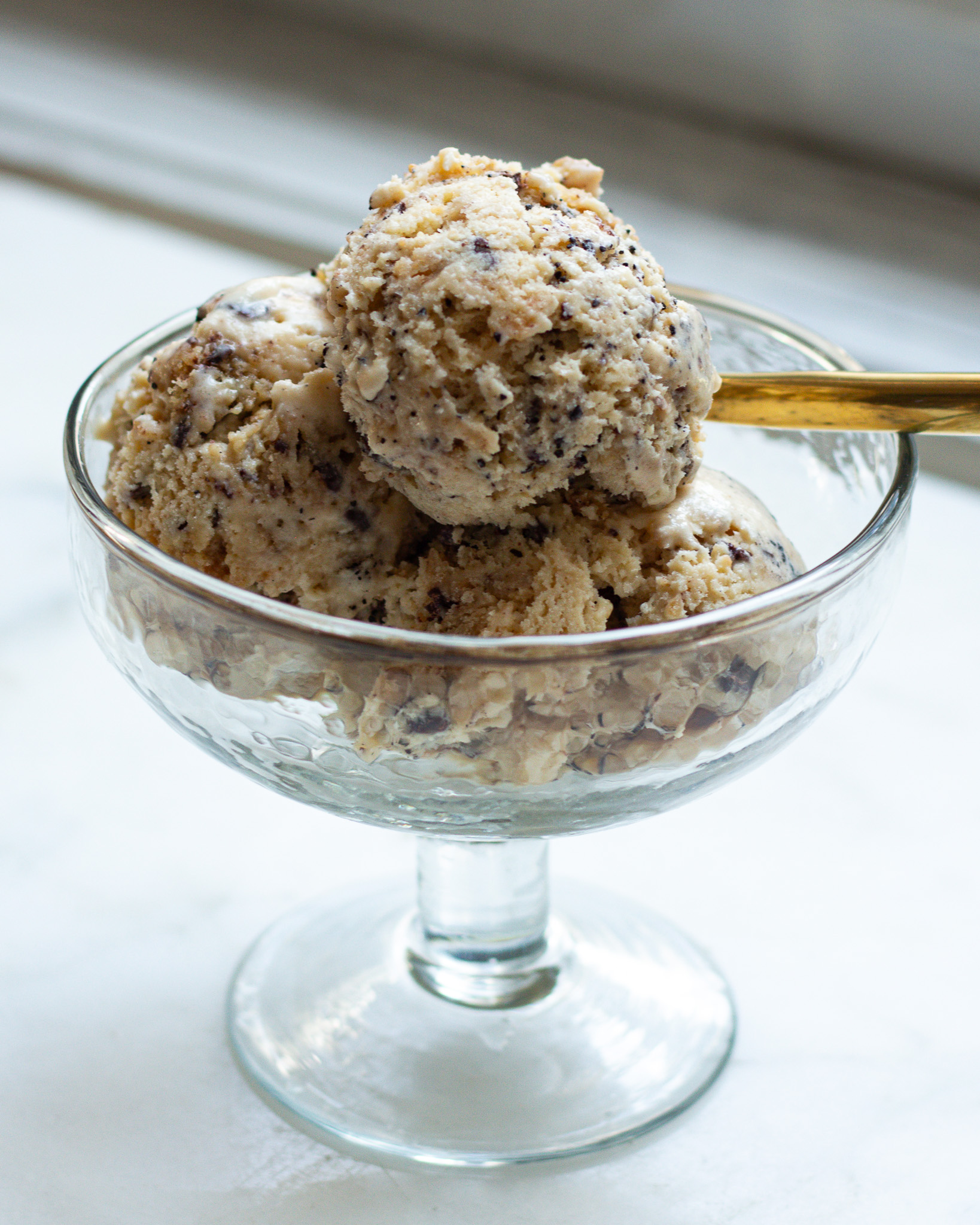
The secret to creamy ice cream is air and fat. Churning adds air, while fat from cream and milk prevents ice crystals. Sugar lowers the freezing point, making ice cream soft and scoopable.
When you use the Kitchenaid stand mixer, the paddle stirs the mixture, keeping air in and breaking up ice. This is why homemade ice cream can be smoother than no-churn versions.
For more on the science of ice cream, you can visit Exploratorium’s Ice Cream Science.
Credit: justinesnacks.com
Frequently Asked Questions
How Long Does It Take To Make Ice Cream In A Kitchenaid Stand Mixer?
Total time varies. Prep and chilling take 2–4 hours. Churning takes about 20–25 minutes. For a firmer texture, freeze for another 2–4 hours after churning.
Can I Use Low-fat Milk Instead Of Whole Milk?
You can, but the texture will be less creamy. Whole milk and heavy cream give the best results. If you want to reduce fat, add a thickener like cornstarch.
Is It Safe To Use Raw Eggs In Ice Cream?
It’s safer to cook the egg yolks when making custard bases. If you use raw eggs, buy pasteurized eggs to reduce risk.
How Do I Prevent My Ice Cream From Getting Icy?
Make sure your bowl is frozen solid, chill the base thoroughly, use enough sugar, and avoid adding watery ingredients or mix-ins.
Can I Make Dairy-free Ice Cream With The Kitchenaid Stand Mixer?
Yes. Use coconut milk, almond milk, or oat milk. Choose a thick, fatty plant-based milk for the best texture, and add stabilizers if needed.
Making ice cream in your Kitchenaid stand mixer is more than just a recipe—it’s a creative experience that lets you enjoy fresh, customizable desserts at home. With the right techniques and a bit of practice, you’ll turn simple ingredients into delicious treats for family and friends.