Making fresh pesto at home can seem a bit tricky if you’ve never done it before, especially thinking you need fancy tools. Many folks wonder about how to make pesto in a blender because it sounds easier than using a mortar and pestle. You might worry about getting the right texture or flavor.
Don’t worry! This guide will show you exactly how to make pesto in a blender with simple steps. We’ll get you cooking up delicious pesto in no time.
Key Takeaways
- You can easily make delicious pesto using just a blender.
- Gather fresh basil, pine nuts, garlic, Parmesan cheese, olive oil, and salt.
- Blending ingredients in stages helps achieve the perfect pesto texture.
- Adjusting ingredients allows for personalized pesto flavor.
- Blender-made pesto is versatile for many dishes.
- Homemade pesto stays fresh for about a week in the fridge.
Making Pesto In A Blender
You want to know how to make pesto in a blender because it is super easy and fast. Forget those old-fashioned tools; your blender can do the job perfectly. Fresh pesto tastes so much better than store-bought.
It is packed with bright, yummy flavors. Think of all the things you can do with it. You can spread it on toast, mix it with pasta, or use it as a dip.
Making it yourself means you control what goes in. You can make it healthier or richer depending on what you like.
Why Use A Blender For Pesto
A blender is a fantastic tool for making pesto. It chops everything up quickly. This means less work for you.
It also helps to combine all the ingredients into a smooth paste. Some people worry that a blender might make pesto too smooth or mushy. But with a few tips, you can get a great texture.
It is a great way for beginners to try making pesto. You do not need to be a fancy chef to make this. It is just about following a few simple steps.
Gathering Your Pesto Ingredients
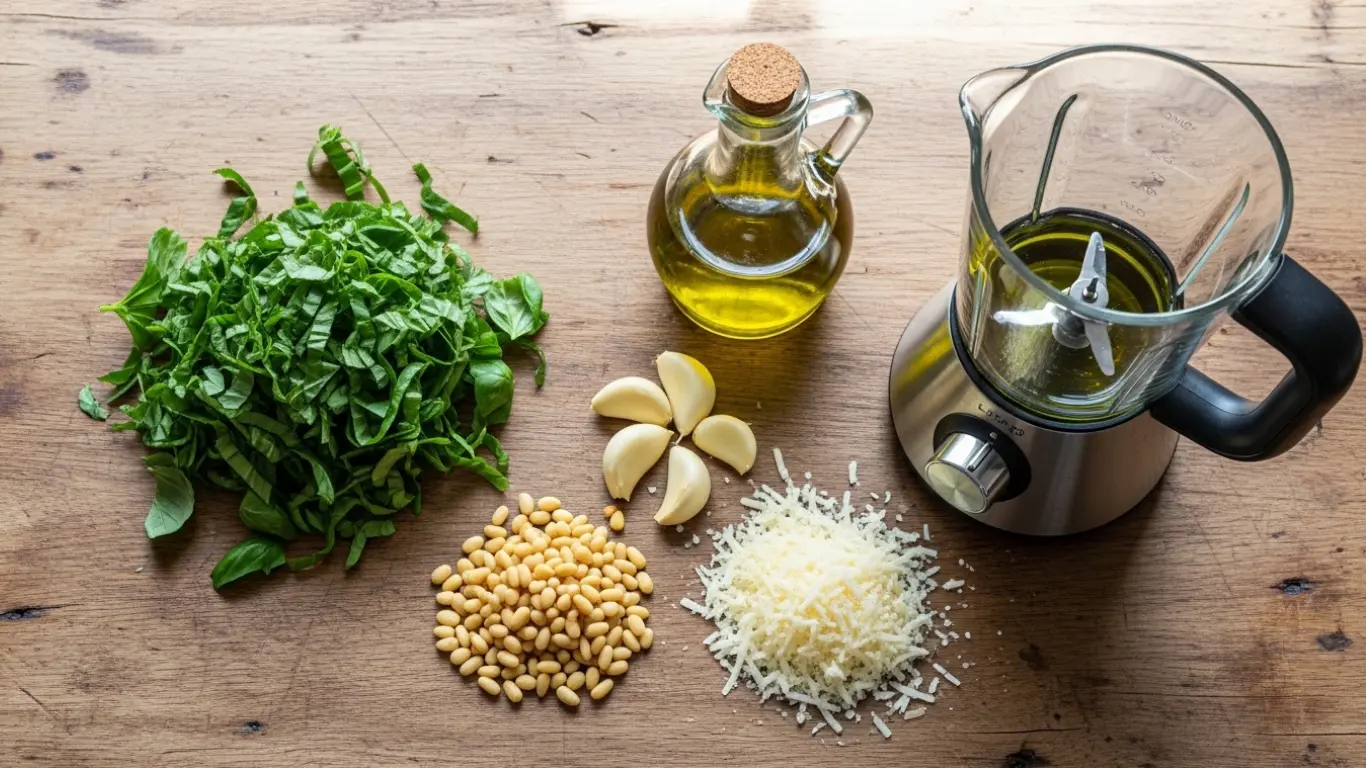
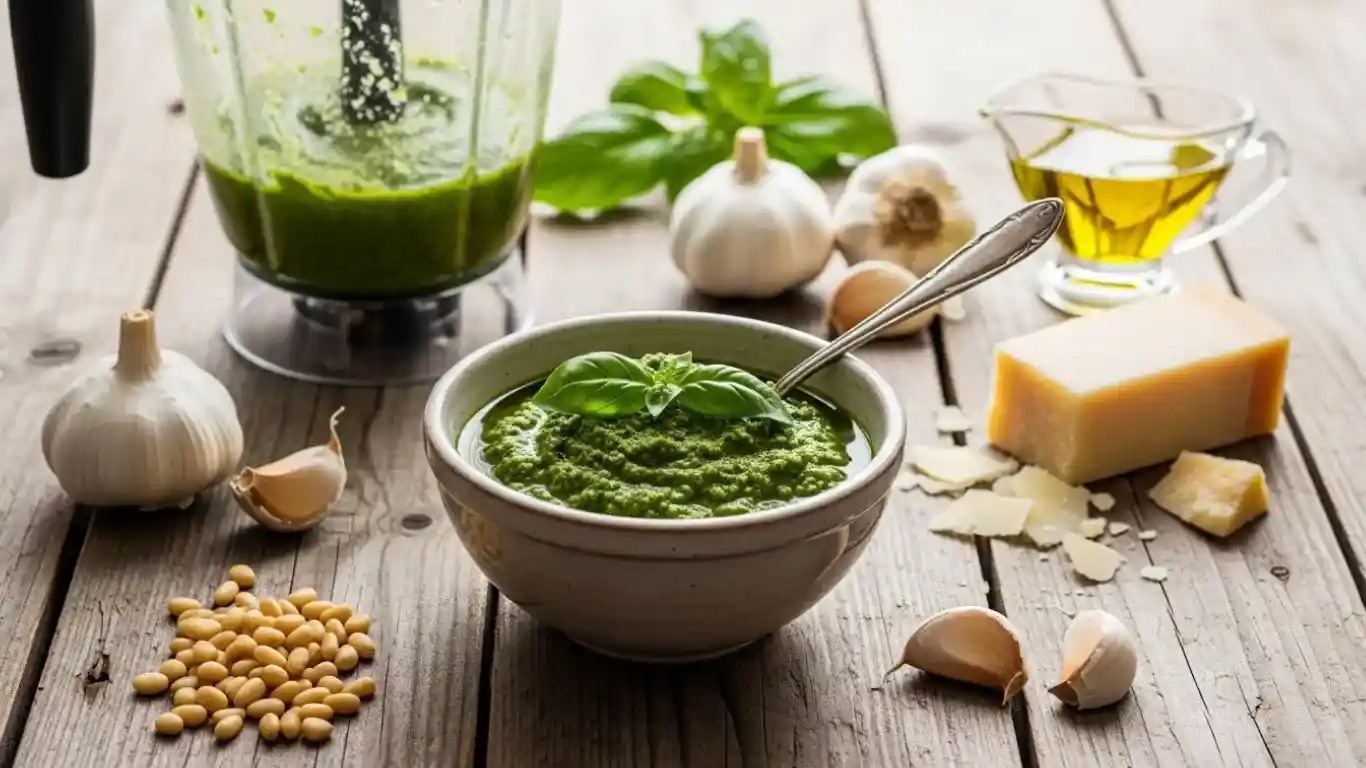
To make pesto in a blender, you need a few key things. The star of the show is fresh basil. You will need a good amount, about two cups packed.
Then, you need some pine nuts. Toasting them first really brings out their flavor, but you can skip this step if you want to save time. Garlic is also a must.
One or two cloves will do, depending on how much you like garlic. Parmesan cheese is important for that salty, nutty taste. You will need about half a cup of grated cheese.
Good quality olive oil is what brings it all together. You will need about half a cup of that. Finally, a pinch of salt helps to make all the flavors pop.
You can also add a bit of black pepper if you like.
The Blender Pesto Process Step By Step
Let us break down how to make pesto in a blender. It is easier than you think. First, make sure your basil leaves are washed and dried really well.
You do not want water in your pesto. Put the basil leaves into your blender. Add the pine nuts, garlic cloves, and grated Parmesan cheese.
Now, it is time to start blending. Pulse the blender a few times. This will chop everything up a bit.
You do not want to blend it too long at this stage.
Next, with the blender running on low speed, slowly pour in the olive oil. This helps to make the pesto creamy and smooth. Keep blending until you get the texture you like.
Some people like their pesto a little chunky. Others prefer it very smooth. You are in charge!
If it seems too thick, you can add a little more olive oil. If it is too thin, you can add a few more pine nuts or a bit more cheese. Taste it as you go.
Add salt and pepper to your liking. Remember, Parmesan cheese is already salty, so start with just a little salt and add more if needed.
Once you have the perfect taste and texture, your pesto is ready. It is that simple to make pesto in a blender. You have just created something fresh and delicious from scratch.
It is a rewarding feeling.
Tips For Perfect Blender Pesto Texture
Getting the right texture is key when you learn how to make pesto in a blender. You do not want it to be a watery mess or a hard paste. Here are some tips to help:
- Start with pulsing: Instead of just hitting the blend button and holding it, use short pulses. This helps chop the ingredients without over-processing them.
- Add oil slowly: Pouring the olive oil in a thin stream while the blender is on low speed helps emulsify the pesto. This makes it creamy and smooth.
- Don’t over-blend: Stop blending as soon as you reach your desired consistency. Over-blending can make the basil turn brown and mushy.
- Scrape down the sides: If ingredients stick to the sides of the blender, stop it and scrape them down with a spatula. This ensures everything gets blended evenly.
- Adjust consistency: If your pesto is too thick, add a little more olive oil, a tablespoon at a time, until it’s just right. If it’s too thin, you can add a few more pine nuts or a little more cheese and blend briefly.
Ingredient Swaps For Your Pesto
While classic pesto uses basil, pine nuts, and Parmesan, feel free to experiment. This is part of the fun of knowing how to make pesto in a blender. You can swap out ingredients to change the flavor and suit your preferences.
Here are some ideas:
- Basil alternatives: Try using spinach, arugula, or kale instead of or along with basil. Each will give a different flavor profile. Spinach makes it milder, while arugula adds a peppery kick.
- Nut variations: Pine nuts can be pricey. Walnuts, almonds, or even sunflower seeds are great substitutes. Toasting these nuts will also enhance their flavor.
- Cheese options: Pecorino Romano cheese is a good alternative to or addition to Parmesan for a sharper flavor.
- Garlic levels: Adjust the amount of garlic to your liking. You can even roast the garlic before adding it for a sweeter, milder taste.
- Herbs: Add other herbs like parsley or mint along with the basil for a more complex flavor.
Storing Your Homemade Pesto
Once you have mastered how to make pesto in a blender, you will want to keep it fresh. Store your pesto in an airtight container. To keep the top layer from browning, pour a thin layer of olive oil over the surface before sealing the container.
This seals out the air. Your homemade pesto should last for about a week in the refrigerator. If you want to keep it longer, you can freeze it.
You can freeze it in ice cube trays. Once frozen, transfer the cubes to a freezer bag. This makes it easy to grab just the amount you need.
Frequently Asked Questions
Question: What kind of blender is best for making pesto?
Answer: You don’t need a fancy blender to make pesto. A standard kitchen blender or a food processor works well. Even an immersion blender can do the job in a pinch.
Make sure it’s powerful enough to chop nuts and herbs.
Question: Can I make pesto without pine nuts?
Answer: Absolutely! Pine nuts can be expensive. You can use other nuts like walnuts, almonds, or even sunflower seeds instead.
Toasted walnuts add a wonderful depth of flavor.
Question: How do I prevent my blender pesto from turning brown?
Answer: The best way to prevent browning is to cover the pesto with a thin layer of olive oil before storing it. This creates a barrier against the air. Sealing the container tightly also helps.
Question: How long does homemade pesto last in the refrigerator?
Answer: Fresh pesto made in a blender typically lasts for about one week when stored properly in an airtight container with a layer of olive oil on top.
Question: What can I use instead of basil for pesto?
Answer: You can get creative with pesto by using other greens. Spinach, arugula, kale, or even a mix of herbs like parsley and mint work well as substitutes for basil.
Final Thoughts
You’ve learned how to make pesto in a blender easily. It is a simple process with fresh ingredients. Your blender makes it quick and fuss-free.
You can adjust flavors and textures to your liking. Now you have delicious, homemade pesto ready for any meal. Enjoy your fresh creation!

I’m Joshua Miller, a U.S.-based food enthusiast and Co-Founder of KitchenWink.com. With a Bachelor’s degree in Food Science and over five years of hands-on experience testing blenders, coffee makers, and other kitchen tools, I focus on real-world results—not lab theories.
As a home cook, I personally test every product in real kitchens to give you honest, practical advice that makes everyday cooking easier.