Have you ever made a smoothie that turned out too watery? It’s a common problem, especially when you’re just starting out. You follow a recipe, but your blender doesn’t quite give you that creamy, thick texture you want.
Don’t worry, it’s not hard to fix! This post will show you exactly how to make smoothie thicker in blender with simple tricks anyone can use. Let’s get your smoothies perfect every time.
Key Takeaways
- You can make your smoothie thicker by using frozen fruits instead of fresh ones.
- Adding ingredients like avocado or Greek yogurt creates a creamier, thicker texture.
- Reducing the amount of liquid is a direct way to achieve a thicker consistency.
- Using ingredients like chia seeds or oats can help absorb liquid and thicken the blend.
- Blending for a longer time, especially with the right ingredients, improves thickness.
- Experimenting with different ingredient ratios is key to finding your perfect thick smoothie.
Why Smoothies Can Be Too Thin
Sometimes, the ingredients you choose can lead to a thin smoothie. Too much liquid is the most obvious culprit. If you add too much milk, water, or juice, your blender will have an easier time mixing everything into a drinkable liquid rather than a thick shake.
Fresh fruits also have a higher water content than frozen ones. This means using fresh berries or bananas can make your smoothie runnier. Beginners might not realize how much liquid their ingredients will release.
Another reason could be the type of ingredients you use. Some fruits, like watermelon or cucumber, are naturally very watery. If you base your smoothie mostly on these, you’ll likely end up with a thinner result.
The power of your blender can also play a small role. A less powerful blender might struggle to break down ice or frozen fruit enough to create that super thick, smooth texture you’re aiming for.
The Magic Of Frozen Fruit
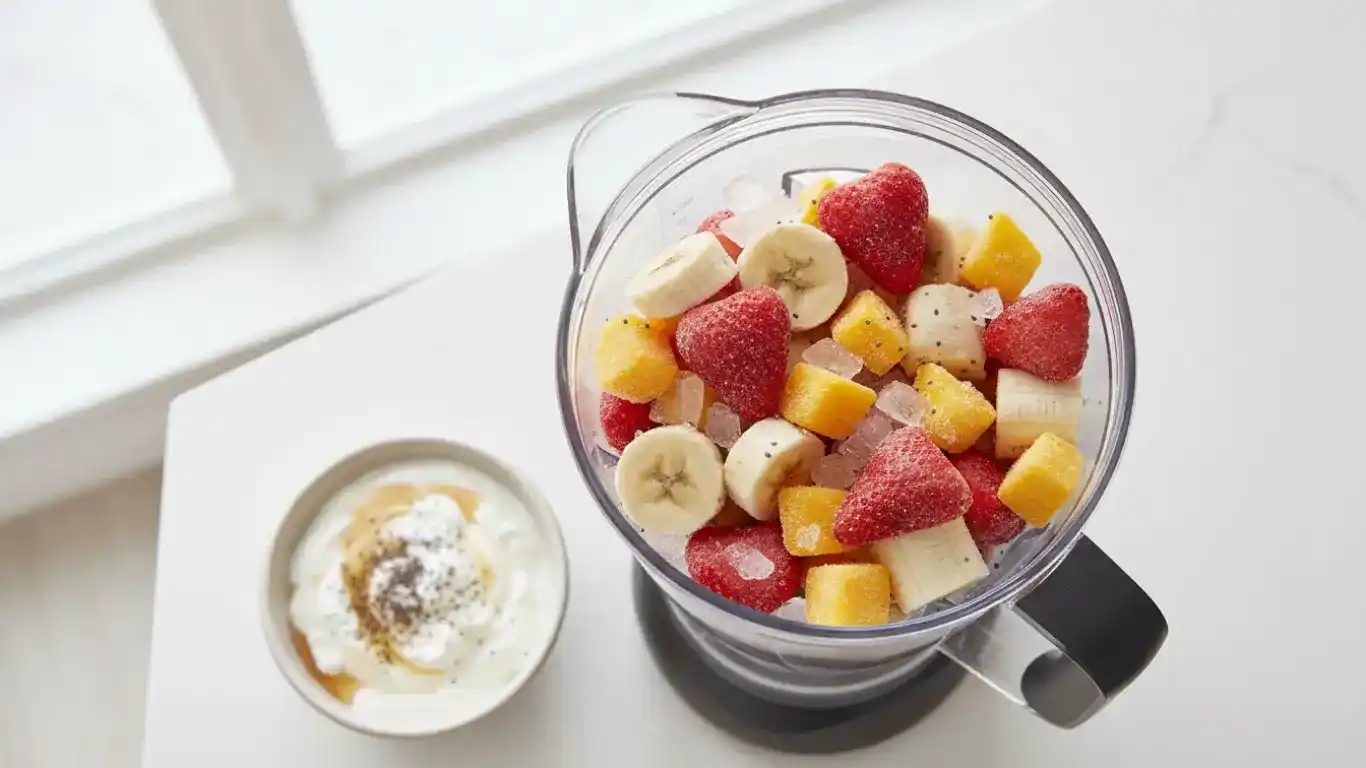
This is perhaps the easiest and most effective way to get a thick smoothie. When you freeze fruits, their water content turns into ice crystals. As your blender breaks down these frozen pieces, they create a naturally icy and thick base.
Think of it like making sorbet or ice cream. The frozen element is what gives it that substantial texture.
Popular choices for freezing include bananas, berries (strawberries, blueberries, raspberries), mangoes, pineapple, and peaches. You can buy them pre-frozen or freeze your own fresh fruit. To freeze your own, simply wash and chop larger fruits like bananas or mangoes into bite-sized pieces.
Spread them on a baking sheet lined with parchment paper and freeze until solid. Then, transfer them to a freezer-safe bag or container.
Why Frozen Works So Well
When you add frozen fruit to your blender, it chills the entire mixture and adds body. The blender has to work a bit harder to break down the frozen chunks, which actually helps create a more emulsified and thicker smoothie. If your recipe calls for ice, consider swapping it for frozen fruit instead.
This way, you get thickness without diluting the flavor with plain ice.
Smart Liquid Choices And Amounts
The type and amount of liquid you add are critical. If you’re aiming for a thick smoothie, start with less liquid than you think you need. You can always add more if it’s too thick to blend.
For a rich, creamy texture, consider using options like milk (dairy or non-dairy like almond, soy, or oat milk), yogurt, or even coconut milk. These liquids tend to be thicker than water or juice.
Yogurt, especially Greek yogurt, is fantastic for thickness. Its protein content and creamy texture make smoothies feel more substantial and satisfying. Kefir is another excellent option that adds thickness and probiotics.
If you prefer a dairy-free option, a can of full-fat coconut milk (use the creamy part from the top) can make your smoothie incredibly rich and thick.
Less Liquid Means More Thickness
It sounds obvious, but it’s worth repeating: the less liquid you use, the thicker your smoothie will be. Aim for a ratio of about 1 cup of liquid for every 2-3 cups of solid ingredients, depending on how frozen they are and how powerful your blender is. If you find your smoothie too thick to blend, add just a tablespoon or two of liquid at a time until it reaches your desired consistency.
Boosters For Creamy Texture
Beyond frozen fruit and smart liquids, certain ingredients act as natural thickeners and add delightful creaminess. These are your secret weapons for achieving that perfect smoothie texture without making it taste bland or overly heavy.
Avocado: The Unsung Hero
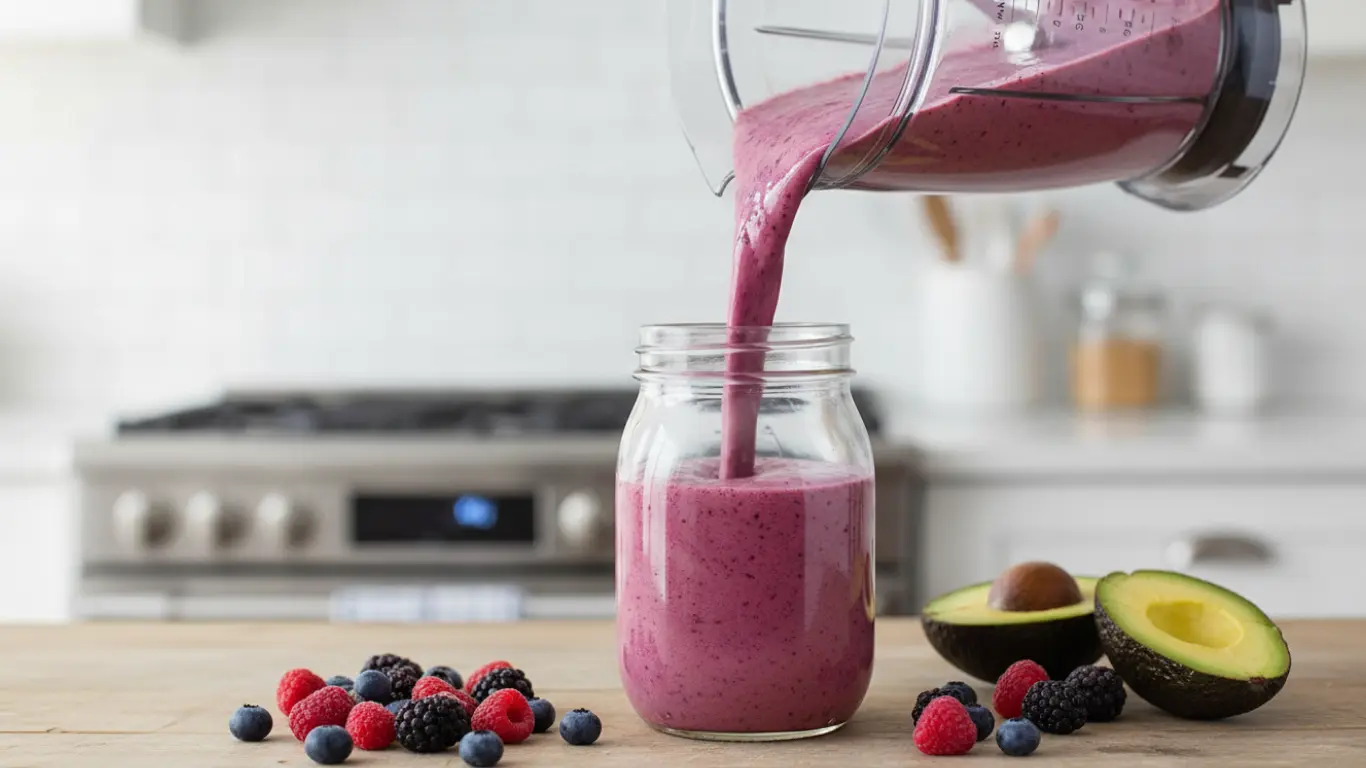
Don’t be scared of adding avocado to your smoothie! A quarter to half an avocado can transform a thin, watery smoothie into a luxuriously thick and creamy delight. It adds healthy fats that make your smoothie more filling and contribute to a velvety texture.
The flavor is very mild, so it won’t overpower your other ingredients, especially if you’re using fruits like berries or mangoes.
Yogurt And Kefir
As mentioned earlier, yogurt and kefir are champions of thickness. Plain Greek yogurt is particularly good because it’s thicker than regular yogurt and packed with protein. This makes your smoothie not only thicker but also more satisfying as a meal
Nut Butters And Seeds
A tablespoon or two of peanut butter, almond butter, or cashew butter can add creaminess and flavor. They also add healthy fats and protein, making your smoothie more substantial. For a neutral thickening effect, consider chia seeds or flax seeds.
When blended, chia seeds absorb liquid and create a gel-like consistency. Flax seeds, when ground, also add fiber and help thicken the mixture.
Oats And Cooked Grains
Rolled oats, particularly, are great for thickening smoothies. You can add them dry, or for an even smoother texture, soak them in a little liquid for about 10-15 minutes before blending. Cooked oatmeal is also an option.
It adds a creamy, porridge-like texture and makes your smoothie more filling. Start with a small amount, like 1/4 cup, to see how it affects the consistency.
The Role Of Ice
While frozen fruit is often a better choice for flavor and thickness, ice can still be useful. If you’re using all fresh fruit and want to add some chill and thickness without adding more liquid, ice is the way to go. However, use ice strategically.
Too much ice can water down your smoothie and make it icy rather than creamy. Aim for a few cubes at a time. If you’re using a less powerful blender, crushing the ice first or using smaller ice chips can help.
Ice Vs. Frozen Fruit
The key difference is that ice is just frozen water. It adds volume and coldness but doesn’t contribute any flavor. Frozen fruit, on the other hand, adds coldness, volume, and its natural flavor and nutrients.
For the best taste and texture, prioritize frozen fruit. If you must use ice, consider using less liquid to compensate for the extra water you’re adding.
Blending Techniques For Thickness
How you blend can make a big difference too. It’s not just about throwing everything in and pressing start.
Start Slow, Then Go Fast
When you add all your ingredients, especially frozen ones, start your blender on a low speed. This helps break down the larger chunks without straining the motor. Once things start moving and the ingredients are beginning to combine, increase the speed to high.
This high-speed blending helps emulsify the ingredients, creating a smoother, thicker texture.
Blend Longer
Sometimes, the smoothie just needs a little more time in the blender. Don’t be afraid to let it run on high speed for 30 seconds to a minute, or even longer, especially if you’re using ingredients like oats, chia seeds, or greens. The longer blending time helps to break down all the ingredients into a fine, uniform consistency, which contributes to a thicker feel.
Scrape Down The Sides
Periodically, pause your blender and use a spatula or tamper to scrape down the sides of the blender jar. This ensures that all the ingredients are incorporated into the blend. Sometimes, bits of fruit or yogurt can get stuck to the sides, preventing them from blending properly.
Getting everything into the vortex of the blades helps create a more consistent and thicker smoothie.
Putting It All Together A Step-By-Step Guide
Let’s walk through making a perfectly thick smoothie.
- Choose Your Base Liquid: Start with a smaller amount of your preferred liquid. Almond milk, oat milk, or water are good starting points. About 1/2 cup is often enough for a single serving.
- Add Frozen Fruit: This is your main thickness builder. Use at least 1 cup of frozen fruit like bananas, berries, or mangoes.
- Incorporate Creamy Boosters: Add ingredients like 1/4 avocado, 1/2 cup Greek yogurt, or 1-2 tablespoons of nut butter.
- Optional Thickeners: Consider adding 1 tablespoon of chia seeds or rolled oats.
- Add Flavor and Extras: Toss in your greens, protein powder, or any other flavorings.
- Blend Smart: Start on low, then increase to high speed. Blend until smooth and thick, scraping down the sides as needed.
- Adjust Consistency: If it’s too thick, add a tablespoon of liquid at a time. If it’s too thin, add a few more frozen fruit pieces, a little more yogurt, or a small handful of oats.
Common Smoothie Ingredient Ratios For Thickness
Here’s a guide for common smoothie ingredient ratios to help you achieve that ideal thickness. Remember, these are starting points, and you can adjust based on your blender and preferences.
| Ingredient Type | Ratio For Thickness (per 1-2 servings) | Notes |
|---|---|---|
| Frozen Fruit | 1.5 – 2 cups | Bananas, berries, mangoes, pineapple |
| Liquid (Milk, Water, Juice) | 0.5 – 0.75 cups | Start low, add more if needed. Use thicker liquids like coconut milk or oat milk. |
| Yogurt (Greek or Regular) | 0.5 cups | Adds creaminess and protein. |
| Avocado | 0.25 – 0.5 | Adds healthy fats and a smooth texture. |
| Nut Butter | 1 – 2 tablespoons | Peanut, almond, cashew butter. Adds flavor and thickness. |
| Oats (Rolled) | 2 – 4 tablespoons | Can be added dry or soaked. |
| Chia Seeds | 1 – 2 tablespoons | Absorb liquid and thicken over time. |
| Ice Cubes | 3 – 5 cubes | Use if not using frozen fruit, but can dilute flavor. |
Troubleshooting Thin Smoothies
What if your smoothie is still too thin even after trying these tips? Don’t despair! Here are a few quick fixes:
- Add more frozen fruit: The simplest solution.
- Add more yogurt or avocado: Boosts creaminess and thickness.
- Add a tablespoon of nut butter: For extra richness.
- Add a small handful of oats or chia seeds: These will absorb excess liquid.
- Let it sit for a few minutes: If you used chia seeds, they will continue to thicken the smoothie as it sits.
Frequently Asked Questions
Question: What is the best frozen fruit for thickening a smoothie
Answer: Bananas are excellent for thickening because they become very creamy when frozen. Berries like strawberries and blueberries also work well, as do frozen mangoes and pineapple.
Question: Can I use ice instead of frozen fruit to thicken my smoothie
Answer: Yes, you can use ice, but it can water down your smoothie and make it taste less flavorful. Frozen fruit adds thickness, coldness, and flavor.
Question: How much liquid should I add to a thick smoothie
Answer: Start with less liquid than you think you need, usually around half a cup for one to two servings. You can always add more if it’s too thick to blend.
Question: My smoothie is still too thin. What else can I add
Answer: Try adding a quarter to half an avocado, a spoonful of Greek yogurt, or a tablespoon of nut butter. Rolled oats or chia seeds are also great for absorbing liquid and thickening.
Question: How long should I blend my smoothie to make it thick
Answer: Blend on high speed for at least 30 seconds to a minute. Longer blending helps emulsify the ingredients for a smoother, thicker consistency, especially if using oats or seeds.
Final Thoughts
Making a thick, creamy smoothie in your blender is totally achievable. Focus on using frozen fruits, choosing thicker liquids like milk or yogurt, and adding ingredients like avocado or nut butters. Don’t be afraid to experiment with ratios and blending times.
You’ll quickly find your favorite combinations for the perfect texture every time. Enjoy your delicious, thick smoothies!

I’m Joshua Miller, a U.S.-based food enthusiast and Co-Founder of KitchenWink.com. With a Bachelor’s degree in Food Science and over five years of hands-on experience testing blenders, coffee makers, and other kitchen tools, I focus on real-world results—not lab theories.
As a home cook, I personally test every product in real kitchens to give you honest, practical advice that makes everyday cooking easier.