If you ever find yourself needing to plug your kitchen sink but can’t find the stopper, you are not alone. Whether your sink’s original stopper is lost, broken, or just doesn’t fit, this problem is more common than you might think. Maybe you need to soak dishes, wash vegetables, or fill the basin for cleaning. The good news: you do not need to rush out and buy a new stopper right away. With a little creativity and some common items, you can effectively plug your kitchen sink and get back to your tasks. This article covers several practical methods for plugging a kitchen sink without a stopper, explains why each works, and offers tips to help you avoid common mistakes.
Why Plugging Your Sink Matters
A plugged sink is not only for washing dishes. It’s useful for soaking pots, cleaning produce, or even defrosting frozen foods. Sometimes, you also need a plugged sink to avoid wasting water by running the tap constantly. If your sink cannot hold water, simple tasks can take much longer, and you may use more water than necessary.
Understanding Sink Drains And Stoppers
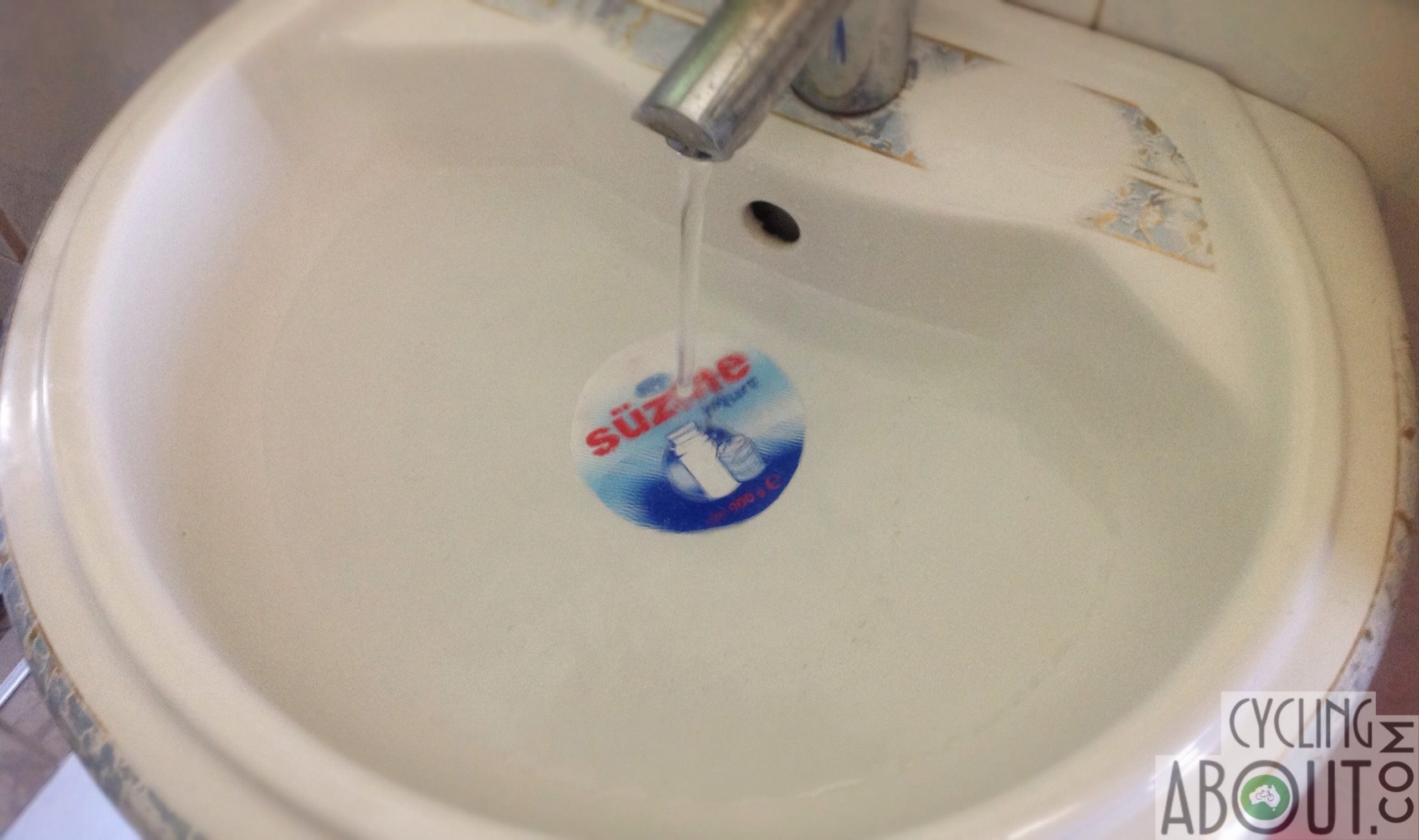
Before using any method, it helps to know how your sink works. Kitchen sinks usually have a standard-sized drain—about 3. 5 to 4 inches across. The stopper sits in this hole and blocks water from draining out. Some sinks have built-in strainers or garbage disposals, but the basic opening is similar.
When the original stopper is missing, anything that can seal the drain tightly can work. The key is finding a method that fits your sink’s size and is waterproof enough to hold the water in.
Quick Diy Methods To Plug A Kitchen Sink
Let’s explore several ways to plug your kitchen sink without a traditional stopper. These methods use things you likely have at home or can find easily.
1. Use A Small Bowl Or Cup
Find a sturdy bowl or cup that fits snugly over the drain. Place it upside down in the sink’s opening. Ceramic, metal, or heavy plastic works best. Press down gently to create a seal. Pour a little water around it to check for leaks.
Tip: Avoid using lightweight cups that float. If the cup is not heavy enough, fill it with water or place a heavy object on top.
2. Plastic Bag With Water
Fill a small plastic bag (like a sandwich bag) with water, then seal it tightly. Place the bag over the drain, pushing it down so it covers the entire opening. The water’s weight helps form a seal that blocks the drain.
Why this works: The bag molds to the shape of the drain and prevents leaks.
3. Old Sponge Or Dishcloth
Take a thick sponge or a folded dishcloth. Wet it, wring it out, and press it firmly into the drain. Push down so it fills the hole completely. Test with a little water to check for leaks.
Pro insight: Sponges with a scrubby side can sometimes grip better and block more water.
4. Jar Lid Or Flat Plate
Look for a jar lid (such as from a large pickle jar) or a flat plate that’s slightly bigger than the drain. Place it over the opening and press down. If the sink is flat around the drain, this method can create a surprisingly good seal.
Extra tip: For a stronger seal, put a thin layer of plastic wrap between the lid and the drain.
5. Rubber Glove Finger
Cut off one finger from a rubber glove. Fill it with water or small pebbles for weight, then tie the open end. Push the filled finger into the drain. The rubber forms a tight seal that holds water well.
Insight: This is a smart way to recycle damaged kitchen gloves.
6. Aluminum Foil Ball
Crumple a sheet of aluminum foil into a ball that fits tightly into the drain. Press it in to fill the hole. The foil molds to the shape of the drain, blocking water.
Caution: Remove all foil after use to avoid clogging your pipes.
7. Duct Tape Method
Dry the sink around the drain completely. Cut a piece of duct tape big enough to cover the opening and stick it tightly over the drain. Push down on all edges to seal. Fill the sink slowly to check for leaks.
Non-obvious tip: Use several layers for better strength, especially with hot water.
8. Store-bought Universal Plug
If you want a longer-term solution, consider a universal sink plug from a hardware store. These are made from flexible rubber and fit most drains. They are inexpensive and reusable.
Data point: Most universal plugs cost less than $5 and last for years.
9. Food Storage Container Lid
If you have a round plastic lid (from a food storage container) slightly larger than your drain, you can use it as an emergency plug. Place it over the drain and press down to create a seal.
Tip: Flexible lids often seal better than rigid ones.
10. Potato Or Vegetable
In a pinch, cut a potato or similar vegetable (like a turnip) in half and press the flat side into the drain. The soft texture can create a good seal, and it’s safe for food prep areas.
Note: Be sure to remove all vegetable pieces after use.
Comparing Methods For Plugging Sinks
Some methods work better than others, depending on your sink, the task, and what you have available. Here’s a quick comparison:
| Method | Seal Quality | Time to Setup | Reusable |
|---|---|---|---|
| Bowl/Cup | Good | Fast | Yes |
| Plastic Bag with Water | Excellent | Fast | No |
| Sponge/Dishcloth | Moderate | Very Fast | Yes |
| Jar Lid/Plate | Good | Fast | Yes |
| Glove Finger | Excellent | Moderate | No |
| Aluminum Foil | Moderate | Very Fast | No |
| Duct Tape | Good | Slow | No |
| Universal Plug | Excellent | Very Fast | Yes |
| Food Container Lid | Good | Fast | Yes |
| Potato/Vegetable | Moderate | Moderate | No |
Credit: www.cyclingabout.com
Common Mistakes And How To Avoid Them
Many people try to plug the sink in a hurry and make simple mistakes. Here’s what to watch out for:
- Using lightweight objects: Items that float will not seal well and can make a mess.
- Forgetting to clean the drain rim: If there’s grease or debris, nothing will stick well.
- Choosing the wrong size: An object too small will slip through; too big will not seal the opening.
- Ignoring leaks: Always add a little water first to test your seal before filling the whole sink.
Safety And Hygiene Tips
- Always clean items before putting them in your kitchen drain. This prevents contamination, especially if you use things like sponges, gloves, or vegetables.
- After using food items (like potatoes) as a plug, rinse your sink well to remove any residue.
- Be careful with duct tape and foil. They can leave sticky glue or small bits in your drain.
- Never use anything sharp or hard that could scratch or damage your sink.
Credit: www.homedepot.com
When To Buy A Replacement Stopper
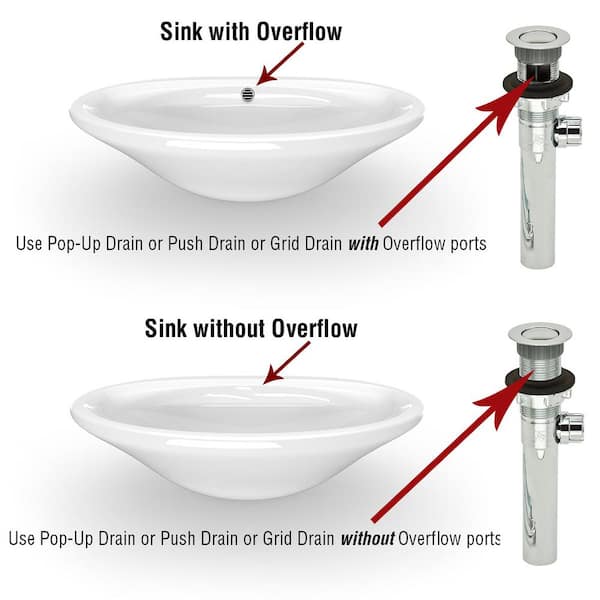
While these methods are handy, they are not perfect for every situation. If you find yourself needing to plug the sink often, it’s smart to buy a universal stopper. These are available at most supermarkets, hardware stores, and online. They last longer, are easy to clean, and reduce the risk of leaks.
Non-obvious insight: Some modern sinks have unique shapes or built-in strainers. In these cases, bring a photo or the measurement when buying a new stopper to ensure the best fit.
Environmental Considerations
Some DIY methods are more eco-friendly than others. For example, using an old sponge or a food container lid gives new life to items you already have. Try to avoid single-use plastics or methods that create extra waste, like duct tape or foil, unless necessary.

Credit: www.youtube.com
Cost And Accessibility
Most methods here are either free or use things you already own. Universal stoppers are affordable, usually costing under $5. If you want a more advanced solution, there are also silicone sink covers and custom-fit stoppers online, but these cost more.
Here’s a quick look at the cost and accessibility of different methods:
| Plugging Method | Typical Cost | Item Availability |
|---|---|---|
| Bowl/Cup | $0 (from kitchen) | Very High |
| Plastic Bag with Water | $0 | High |
| Universal Plug | $2–$5 | High (stores/online) |
| Duct Tape | $0 (if at home) | High |
Troubleshooting: If Water Still Leaks
Sometimes, even after trying a method, water slowly leaks out. Here’s what to do:
- Check if the plug is the right size and tightly pressed into the drain.
- Look for cracks, debris, or food residue around the drain edge and clean it.
- If using a bag or glove, make sure it is not punctured.
- Try adding a layer of plastic wrap under the plug for a better seal.
If all else fails, it may be time to get a new universal stopper designed for your sink.
Real-world Example
Maria, a mother of two, lost her kitchen sink stopper during a busy week. She needed to soak a large pot but didn’t have time to go shopping. She tried using a plastic food container lid. At first, water leaked slowly.
She then cleaned the drain rim and added a folded dishcloth under the lid. This stopped the leak, and she was able to soak her dishes as needed.
Lesson: Sometimes, combining methods gives the best result.
More Resources
For official advice about kitchen plumbing and maintenance, you can visit the Wikipedia Plumbing page.
Frequently Asked Questions
How Can I Plug My Sink If I Do Not Have Any Kitchen Tools?
You can use many household items, such as a plastic bag filled with water, a small bowl, or even a clean potato. The key is to find something that fits the drain tightly and blocks water from escaping.
Is It Safe To Use Food Items Like Potatoes To Plug A Kitchen Sink?
Yes, it is safe for short periods. However, always clean the area well afterward to prevent food particles from attracting pests or causing odors.
Will Duct Tape Damage My Sink?
Duct tape is generally safe for most kitchen sinks, but it may leave sticky residue. Clean the area with warm, soapy water after removing the tape. Avoid using duct tape on delicate or decorative sink finishes.
What If I Try All These Methods And Water Still Leaks Out?
Check for debris or uneven surfaces around the drain. Combine two methods (like a sponge and a bowl) for a better seal. If nothing works, consider buying a universal stopper designed for your sink.
Are Universal Stoppers Really “universal”?
Most universal stoppers fit standard kitchen sink drains, but some sinks have unusual shapes or built-in strainers. Measure your drain or bring a photo to the store to make sure you get the right size.
Finding yourself without a kitchen sink stopper does not have to stop your day. With these practical solutions, you can plug your sink quickly, safely, and with items you already have at home. Whether you need a fast fix or a longer-term solution, you now have the knowledge and confidence to keep your kitchen running smoothly.