Preheating an air fryer takes three minutes, costs nothing, and changes your results more than any seasoning or accessory. Do it, and frozen fries come out golden and shatteringly crisp. Skip it, and the same fries turn out pale, floppy, and unevenly cooked.
I cook with air fryers nearly every day, moving between compact single-basket models and larger family-size units. The habit that improved my food the most was not buying a pricier machine — it was simply letting the empty basket come up to temperature before adding anything. This guide explains why preheating matters, how long it takes, how to do it on any model (even without a preheat button), and when you can safely skip it. You can also read our guide on ninja air fryer pro af141 review.
What Preheating Actually Does
An air fryer is basically a small convection oven: a heating element plus a powerful fan that drives hot air in a tight loop around the food. The catch is that the element isn't hot the moment you switch the machine on. The chamber needs time to reach cooking temperature, and if you load the basket during that warming phase, your food starts cooking in a cooler, more humid environment.
Crispness is a surface reaction. When the basket is genuinely hot, food begins searing on contact: surface moisture flashes off, starches and proteins brown, and a crust forms. In a cold basket, the food releases steam before the air is hot enough to drive it away, so coatings soften and interiors cook unevenly. You can also read our guide on ninja af161 vs af181.
The difference shows up within the first few minutes:
| Aspect | Cold start | Preheated basket |
|---|---|---|
| Surface crispness | Lower; coatings can steam first | High; browning starts immediately |
| Total cook time | Often a few minutes longer | Closer to the recipe estimate |
| Evenness | Edges can overcook before the center finishes | Consistent throughout |
| Best for | Gentle reheats, delicate bakes | Frozen, breaded, and raw foods |
In practice, the foods that suffer most from a cold start are frozen snacks, breaded proteins, and anything battered — exactly what most people buy an air fryer to make.
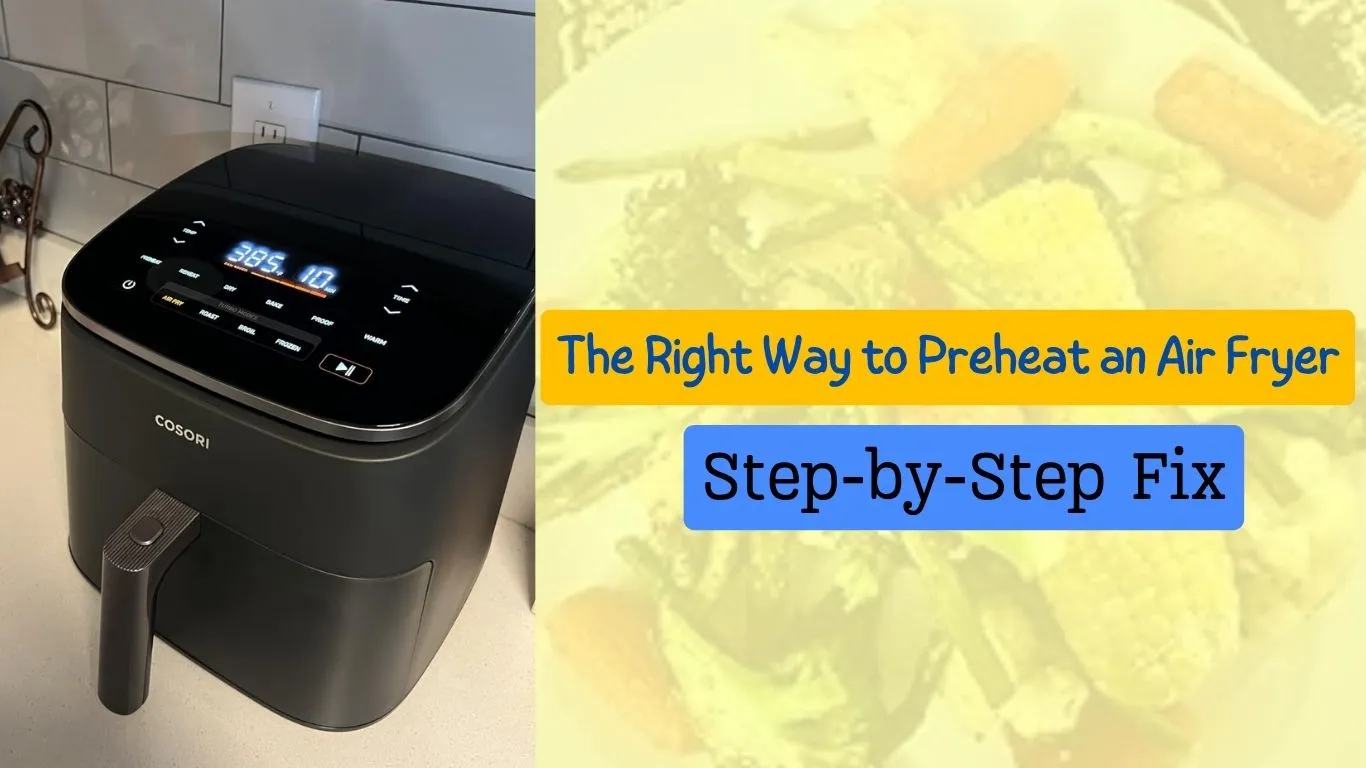
A basket that has run empty for three minutes holds steady heat, so food starts crisping the instant it touches the surface.
Should You Preheat Your Air Fryer Every Time?
Not every dish needs it, but the default should be yes for most of what an air fryer does well. Preheating makes a big difference for foods that need fast surface browning, and far less difference for delicate items cooking at low temperatures. You can also read our guide on common mistakes to avoid when using an air fryer.
| Food | Preheat? | Why it matters |
|---|---|---|
| Frozen fries, nuggets, mozzarella sticks | Yes | Instant heat sets the coating before steam softens it |
| Breaded chicken, fish, or pork chops | Yes | A hot basket seals the crust quickly and keeps the inside tender |
| Raw meat and thick cuts | Yes | Even browning and more predictable internal cooking |
| Fresh vegetables | Optional | Soft veg like zucchini cooks fine either way; preheating gives a better roasted finish |
| Leftovers with a crisp exterior | Yes | Recreates crunch instead of steaming it limp |
| Cakes, muffins, and pastries | Skip | Low rising heat suits batters better than an initial blast |
The practical rule: anything frozen, breaded, or raw gets a preheat. Anything that needs a gentle rise — or that you want to reheat softly, like a muffin or a slice of pie — does not. If you skip the preheat for a delicate food, add a minute or two to the cooking time and check often.
How Long Does It Take to Preheat an Air Fryer?
Most air fryers are ready in three to five minutes. Small basket models can reach temperature in about two minutes, while larger air fryer ovens often need closer to five. The exact time depends on the wattage and size of the machine and the temperature you choose, so it pays to learn how your specific unit behaves. You can also read our guide on air fryer smells like plastic.
Set the preheat to the same temperature your recipe calls for. Preheating at maximum heat "just to be sure" doesn't cook food faster — it makes the outside overbrown before the middle is done.
| Target temperature | Typical preheat time | Best for |
|---|---|---|
| 400°F / 200°C | 4–5 minutes | Fries, wings, roasted vegetables, anything ultra-crisp |
| 375°F / 190°C | 4 minutes | Most frozen snacks and breaded items |
| 350°F / 175°C | 3–4 minutes | Chicken breasts, fish fillets, tender proteins |
| 300°F / 150°C | 3 minutes | Reheating leftovers, toasting buns |
If your air fryer has a built-in preheat function, it will typically display "preheat" and beep when the cycle ends. If you're preheating manually, start the timer the moment you switch the machine on.
How to Preheat an Air Fryer, Step by Step
This routine works on every model, whether it has a dedicated preheat button or not.
Step 1: Start with a Clean Basket
Wipe out crumbs and stuck-on grease before anything heats up. Leftover residue from a previous meal can smoke and burn once the basket hits 400°F, leaving an acrid taste on the next batch. Thirty seconds of wiping at the start beats scrubbing burnt-on fat later.
Step 2: Set the Temperature to Match the Recipe
Set the machine to the temperature you'll actually cook at, not the maximum setting. If the recipe says 375°F for chicken thighs, preheat at 375°F. That way the food enters the basket at the correct cooking temperature instead of riding a cooling curve while the machine adjusts.
Step 3: Run the Basket Empty for Three to Five Minutes
Leave the basket empty and set the timer. A countdown gives a clear endpoint instead of a guess. For light items such as toast or fish fillets, three minutes is usually plenty; for thick, frozen, or meaty foods, go closer to five.
Step 4: Wait for the Signal
Some models beep when preheating finishes, others flash a message like "Add Food," and the rest simply hit zero on the timer. When your machine signals, the air inside the chamber is up to cooking temperature.
Step 5: Load the Basket Quickly
Pull the basket out, add your food in a single layer, and slide it back in without dawdling. Every second the basket sits out costs heat. If you're spraying food or the basket with oil for extra crispness, do that right before loading rather than when the basket is cold.
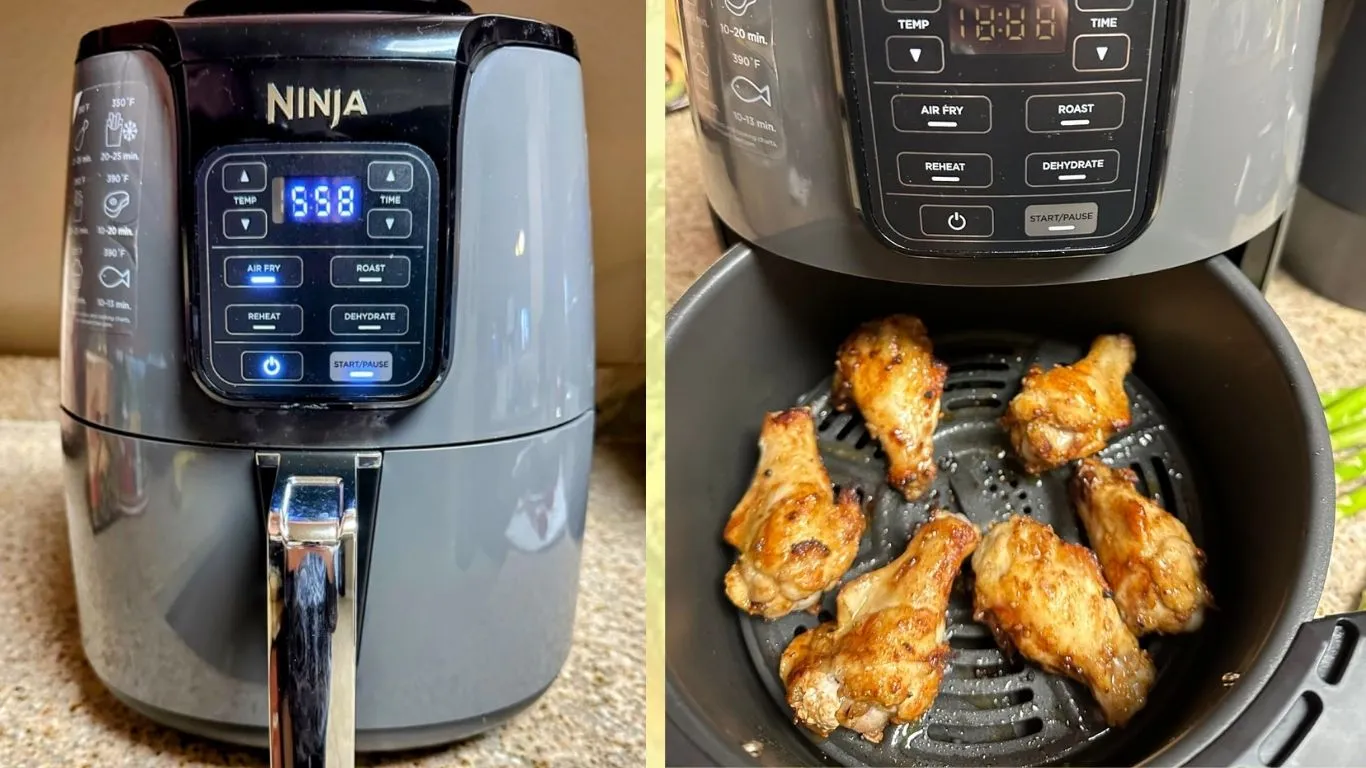
Load the basket right after the preheat signal — the less time the drawer stays open, the faster your food crisps.
How to Tell When the Air Fryer Is Preheated
Newer models spell it out with a beep, a display message, or a light that changes color. If yours has none of those, look for these signs:
- The countdown timer reaches zero after a 3–5 minute empty run.
- Heat radiates clearly from the top or rear vent when you hold a hand a few inches away.
- Food sizzles the moment it touches the basket — the surface is hot enough to sear.
One important caveat: a hot basket doesn't prove the food is done. For chicken, turkey, and other proteins, check the internal temperature with an instant-read thermometer and follow USDA food safety guidance rather than trusting a timer alone.
What If Your Air Fryer Has No Preheat Button?
A missing preheat button changes nothing. Budget models and older units often skip the feature, but every air fryer can be preheated the same way:
- Set the dial or selector to the temperature your recipe needs.
- Leave the basket empty.
- Run the machine for 3 to 5 minutes.
- When the time is up, add your food and cook as directed.
Some manufacturers call preheating optional because the machine will eventually reach temperature during cooking. That's true, but the texture difference is still real: a head start produces a crisper surface and more even cooking, especially for frozen and breaded foods. If your manual specifically warns against running the unit empty, follow the manual — and simply add a few minutes to your cold-start cooking time.
Use the warm-up window productively. Season your food, prep vegetables, and measure out oil so the basket gets loaded the moment the preheat ends.
Air Fryer Preheating by Food Type
Use this as a quick reference when planning a meal:
- Frozen fries: preheat 4–5 minutes at 400°F, then shake the basket halfway through cooking.
- Chicken wings: preheat 5 minutes at 375–400°F so the skin crisps while the meat stays juicy.
- Breaded fish fillets: preheat 3 minutes at 350°F; the gentler heat keeps the coating from burning.
- Roasted vegetables: preheat 3–4 minutes at 400°F when you want charred edges; skip it if you prefer tender pieces.
- Leftovers: preheat 3 minutes at 300–350°F to restore crispness instead of rubberiness.
- Baked goods: skip the preheat, use a low basket temperature, and test doneness with a skewer.
If your air fryer doubles as a small oven for muffins or single-serve bakes, pay attention to the bakeware as well as the preheat. Healthier bakeware options are worth the swap. And checking greasing silicone muffin molds can save your first batch from sticking to the cups.
Common Preheating Mistakes to Avoid
These are the errors I see most often — and have made myself.
Loading Food Too Early
Putting food in before the machine reaches temperature is the most common mistake. During warm-up, the chamber is cooler and more humid, so coatings absorb steam and soften. By the time the air gets hot, the damage is already done. Wait until the basket has run empty for the full preheat time.
Preheating a Dirty Basket
Grease residue from bacon, butter, or a previous meal can smoke at frying temperatures. Wipe the basket and the inside of the chamber before you preheat. If your kitchen smells like last night's dinner every time you cook, regular vent hood maintenance pulls stale air out before it settles into your food.
Preheating for Too Long
Longer preheating doesn't mean crispier food. Running an empty basket for eight or ten minutes wastes energy, heats up the kitchen, and can leave the basket so hot that the outside of the food darkens before the middle warms up. Keep preheating in the 3–5 minute range.
Overloading the Basket After Preheating
A properly preheated air fryer still can't crisp food if hot air can't reach it. Leave space between pieces so the fan can circulate around every side. Cook in batches when you need to, and let the basket reheat for about a minute between rounds instead of stacking everything at once.
Using the Wrong Preheat Temperature
Cranking the heat higher than the recipe calls for doesn't save time — it scorches the surface while the center lags behind. Match the preheat to the cooking temperature and trust the recipe's midpoint rather than guessing.
Pro Tips for More Consistent Results
Small adjustments around the preheat step add up to better texture, meal after meal:
- Prepare everything during warm-up so the basket doesn't sit empty while you hunt for seasonings.
- Add oil after preheating, not before. A light mist of avocado, canola, or another high-smoke-point oil on hot food or the hot basket encourages browning.
- Don't open the basket just to peek. Every open lets hot air escape and slows the cook; trust the timer until it's time to shake or flip.
- Keep the right tools nearby. A sturdy metal spatula makes flipping quick work. For matchstick vegetables that cook evenly, a fast cutting tool keeps prep quick.
- When halving avocados for frying or grilling, a quick pitting tool keeps the prep safe and the slices intact.
- Between batches, let the empty basket run for 60–90 secondsto recover the heat that was lost when you pulled the basket out. That small reset keeps the third batch as crisp as the first.
If the finished food is going straight to the table, warming your serving plates in the oven at its lowest setting costs nothing and stops the first handful from cooling while the rest finishes.
Frequently Asked Questions
Do I really need to preheat my air fryer every time?
Not for everything, but preheating makes the foods people buy air fryers for — frozen snacks, breaded proteins, and anything coated — noticeably crisper. If you're reheating soft leftovers or baking something delicate, skip it and simply add a minute or two to the cooking time. The difference in texture for most other foods is worth the three-minute wait.
How long should I preheat my air fryer?
Most air fryers are ready in 3 to 5 minutes. Set the recipe temperature and run the empty basket for 3 minutes for lighter items like toast or fish fillets, or up to 5 minutes for thick frozen or meaty foods. Use your machine's beep or display as a guide when it has one.
Can I put food in while the air fryer is preheating?
No. Food placed inside before the air is hot starts in a cool, steamy environment that softens coatings before they can crisp. You get pale, uneven results instead of the golden crust preheating is meant to create. Let the empty basket reach temperature first, then add food so it sears on contact.
Why is my air fryer smoking during preheat?
Smoke during preheat almost always means leftover grease, crumbs, or stuck-on residue is burning in the basket. Wipe the basket and interior between uses, especially after cooking fatty foods like bacon or burgers. If smoke continues on a clean basket, check your manual or contact the manufacturer — that's a sign of a different issue.
What temperature should I use to preheat?
Use the same temperature your recipe calls for. Common settings are 375°F for frozen snacks and reheating, and 400°F for extra-crispy foods like fries and wings. Matching the preheat to the cooking temperature prevents overbrowning on the outside and undercooking in the middle.
Do all air fryers need preheating?
No. Many models cook perfectly well without it, and some newer units have an automatic preheat cycle. But older and budget air fryers without the feature still benefit from a manual 3–5 minute warm-up — the result is even browning and a better crisp exterior on everything you cook.
Final Thoughts
Preheating is the single cheapest upgrade you can make to your air fryer cooking. It takes a few minutes, requires no special equipment, and consistently produces food that's crisper, more evenly cooked, and genuinely closer to deep-fried than anything from a cold-start machine.
The routine is simple: clean the basket, set the temperature to match your recipe, run the machine empty for 3 to 5 minutes, then load the food and cook. You don't need a fancy model or a preheat button — just the habit.
Start with something easy the next time you cook frozen fries. Let the basket run empty while the fries sit on the counter, then load them and notice the difference in the first bite. Once you've tasted the result, preheating will feel less like an extra step and more like the one that makes everything else work.
For more practical guidance on getting the best from your kitchen equipment, browse the full range of KitchenWink guides — from choosing the right hood for your stove to quiet venting on windy days, there's plenty of hands-on advice worth reading next.