Preheating a countertop oven is a simple step that many home cooks overlook, but it plays a critical role in the success of your cooking and baking. Whether you’re making pizza, roasting vegetables, or baking cookies, knowing how to preheat your oven correctly leads to better texture, even cooking, and tastier results.
Yet, with the wide variety of countertop ovens today—convection, toaster, air fry, and smart ovens—the right way to preheat isn’t always obvious. This guide will walk you through everything you need to know, from why preheating matters to step-by-step instructions, troubleshooting, and advanced tips that most beginners miss.
Why Preheating Your Countertop Oven Matters
Many recipes start with, “Preheat your oven to 350°F,” but why is this step so important? When an oven is properly preheated, your food cooks evenly from the start. If you skip preheating, the first few minutes of cooking are spent just warming up, which can lead to undercooked centers, soggy crusts, or uneven browning.
For example, baked goods like muffins or cakes rely on sudden heat to rise properly. If the oven is cold, the batter won’t react as it should, and your food may turn out dense or flat. Roasted vegetables can end up mushy instead of crisp. Even reheating leftovers works better in a hot oven.
Many countertop ovens heat up faster than traditional ovens, but skipping or shortening preheating still affects the results. Some modern ovens claim “no preheat needed,” but testing shows that most dishes still turn out best when started in a fully hot oven.
Understanding Your Countertop Oven
Countertop ovens come in many shapes and technologies. Knowing what type you have helps you preheat correctly and avoid mistakes.
Types Of Countertop Ovens
- Toaster Ovens: Compact, with basic settings for bake, broil, and toast.
- Convection Ovens: Use fans to circulate hot air for faster, more even cooking.
- Air Fryer Ovens: Use rapid air technology for crisping without much oil.
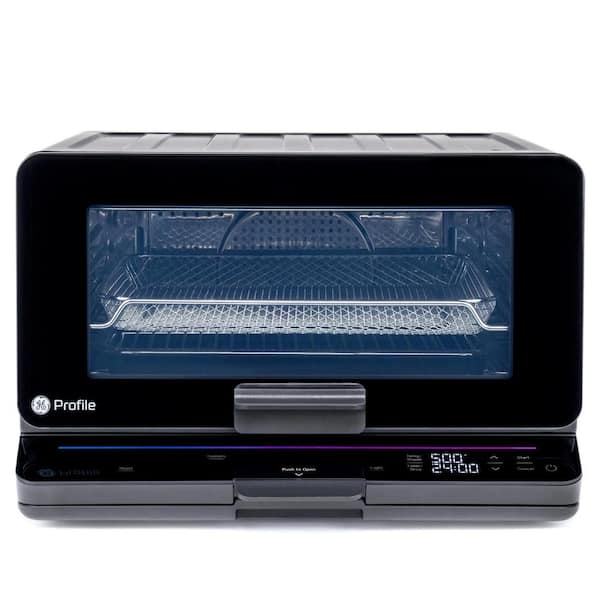
- Smart Ovens: Feature digital controls, presets, and sometimes WiFi connectivity.
Each oven type may have unique buttons, displays, or preheat indicators. Always check your user manual for model-specific advice, but the general preheating process is similar across types.
Key Oven Parts To Know
- Heating Elements: Top and bottom rods or coils that generate heat.
- Fan (for convection/air fryers): Distributes hot air inside.
- Temperature Sensor: Ensures the oven reaches and holds the set temperature.
- Racks/Trays: Where you place your food, which can affect heat flow.
Step-by-step: How To Preheat A Countertop Oven
Here’s a practical, easy-to-follow method for preheating any countertop oven.
1. Clear The Oven
Remove any pans, racks, or crumbs that don’t belong. Leftover food bits can burn and create smoke during preheating.
2. Position The Rack
Place the rack at the level needed for your recipe. The middle position is most common for even heat.
3. Plug In And Power On
Ensure the oven is plugged into a stable outlet. Avoid using extension cords, as they can overheat with high-powered appliances.
4. Select The Cooking Mode
Choose the right setting: bake, convection bake, air fry, or others. Using the correct mode ensures proper heat distribution.
5. Set The Temperature
Use the temperature dial or digital controls to select your desired temperature (e. g. , 350°F/180°C).
6. Start Preheating
Press “Start,” “Preheat,” or the main power button, depending on your oven. Some ovens have a dedicated preheat function; others begin heating as soon as a temperature is selected.
7. Wait For The Preheat Indicator
Most ovens have a light, beep, or display that signals when preheating is done. If your oven doesn’t, allow at least 5–10 minutes after setting the temperature.
8. Double-check With An Oven Thermometer
For best accuracy, use a stand-alone oven thermometer inside. Many countertop ovens can be off by 10–30 degrees.
9. Insert Your Food Promptly
Once preheated, place your dish inside quickly to avoid losing heat.
Example: Preheating A Toaster Oven
Suppose you want to bake cookies at 375°F. Set the mode to “Bake,” turn the temperature knob to 375°F, and wait for the indicator light to turn off. This usually takes 5–7 minutes, but for thick items like casseroles, wait a full 10 minutes for even heat.
How Long Does Preheating Take?
Preheating time depends on your oven’s size, wattage, and model.
| Oven Type | Typical Preheat Time (to 350°F) |
|---|---|
| Small Toaster Oven (1200W) | 4–6 minutes |
| Large Convection Oven (1800W) | 7–10 minutes |
| Air Fryer Oven | 3–5 minutes |
| Traditional Wall Oven | 12–15 minutes |
Tip: Ovens with glass doors lose heat faster if opened during preheating. Keep the door closed until ready.
Preheating For Different Cooking Modes
Not every mode requires the same preheating process. Here’s how to adjust your routine for popular oven settings.
Bake
- Best for: Breads, cakes, casseroles
- How to preheat: Always allow a full preheat. For delicate baking, give 2 extra minutes after the oven signals ready.
Broil
- Best for: Melting cheese, toasting, browning tops
- How to preheat: Set to broil and wait 2–3 minutes. Broil mode heats the top element, so it’s fast.
Convection
- Best for: Roasting meat, crisping vegetables, cookies
- How to preheat: Allow the oven to reach set temperature before adding food. Use the fan for even browning.
Air Fry
- Best for: Fries, nuggets, reheating pizza
- How to preheat: 2–4 minutes is usually enough. Some air fryers skip preheating, but crispier results come from a hot oven.
Toast
- Best for: Bread, bagels
- How to preheat: Not needed; toasting starts immediately.
Common Preheating Mistakes (and How To Avoid Them)
Many people make small errors that affect their results. Here are common mistakes and how to fix them.
1. Not Waiting Long Enough
The “preheat ready” light can turn on before the whole oven is hot. Wait 2 extra minutes for thick bakes or large dishes.
2. Opening The Door Too Often
Each time you open the door, you lose heat. Only open to insert food, not to check during preheating.
3. Incorrect Rack Position
Too close to the top can burn your food; too low may undercook. Use the middle for most recipes.
4. Forgetting To Clean The Oven
Old crumbs and drips can smoke and flavor your food. Wipe out the oven before each use.
5. Ignoring Hot Spots
Most countertop ovens have hotter and cooler areas. Rotate your tray halfway through baking for even results.
6. Trusting Only The Built-in Thermostat
Many ovens are inaccurate. Place an oven thermometer inside for better control.

Credit: www.amazon.com
Troubleshooting Preheating Problems
If your oven isn’t heating right or takes too long, try these solutions.
Oven Takes Too Long To Heat Up
- Check the outlet: Weak power supply slows heating.
- Avoid extension cords: Plug directly into the wall.
- Clean the elements: Grease buildup insulates heat.
- Don’t overload: Preheating with large pans inside absorbs heat.
Oven Never Reaches Set Temperature
- Test with a thermometer: Compare set and actual temperature.
- Inspect the door seal: Gaps let heat escape.
- Reduce drafts: Don’t place near open windows or vents.
- If all else fails: Your oven may need service.
Oven Preheats But Food Burns Or Is Raw
- Move the rack: Try a lower or higher position.
- Rotate the tray: Swap front and back halfway through.
- Lower temperature: Some ovens run hot; decrease by 10–20°F if food browns too fast.
Advanced Tips Most Beginners Miss
Even people who preheat their ovens regularly overlook a few key details.
1. Preheat With Your Pan Inside
For pizza or bread, preheat the baking sheet or stone. This gives you an instant burst of heat for a crisp crust.
2. Account For Altitude And Humidity
At high altitudes, ovens can heat differently. Preheat longer and watch for dry air.
3. Use Preheat Time Wisely
While the oven heats, prepare your ingredients, line your pans, or clean up your workspace.
4. Know When Preheating Isn’t Needed
Thin foods, reheating leftovers, or some air fryer recipes don’t require preheating. But for baking, always preheat.
5. Verify With A Second Thermometer
If you notice uneven results, calibrate your oven using a second thermometer. Write down the difference, and adjust recipes as needed.
Credit: www.homedepot.com
Comparing Countertop Oven Preheat Features
Different countertop ovens offer unique preheating features. Here’s a comparison of what you might find:
| Feature | Basic Toaster Oven | Convection Oven | Smart Oven |
|---|---|---|---|
| Preheat Indicator | Simple light | Light + beep | Digital display, app alert |
| Auto-Preheat Function | No | Sometimes | Yes |
| Temperature Accuracy | ±20°F | ±10°F | ±5°F |
| Preheat Time | 4–8 min | 5–10 min | 4–7 min |
Choosing an oven with reliable preheat features can save time and improve your results.
Safety Tips For Preheating
Preheating means your oven gets very hot, fast. Follow these safety tips to avoid accidents.
- Keep the area clear: Don’t place towels or paper near the oven.
- Use oven mitts: Metal trays and racks heat up quickly.
- Supervise children and pets: Hot ovens can cause burns.
- Unplug after use: Prevents electrical hazards.
When You Shouldn’t Preheat
There are a few situations where preheating isn’t needed:
- Toasting bread: Most ovens heat instantly in toast mode.
- Defrosting frozen food: Some dishes start in a cold oven (check the package).
- Slow roasting or dehydrating: Low, gradual heat can be better.
But for most baking and roasting, preheating remains essential.
Oven Preheating: The Bottom Line
Preheating a countertop oven is a small step that makes a big difference. It ensures even cooking, improves texture, and helps you get the results you expect from recipes. Take the time to do it right—learn your oven’s features, use a thermometer for accuracy, and avoid common mistakes.
Remember, each model is a little different. Reading your user manual and testing with your favorite recipes will help you become more confident. Over time, you’ll know by feel when your oven is truly ready.
For more technical details on oven technology, visit the Wikipedia Oven page.

Credit: us.amazon.com
Frequently Asked Questions
How Do I Know When My Countertop Oven Is Preheated?
Most ovens have a light, beep, or display that signals when the set temperature is reached. If yours doesn’t, use an oven thermometer or wait about 5–10 minutes after setting the temperature.
Can I Put Food In Before The Oven Is Fully Preheated?
It’s best to wait until the oven is hot. Adding food too early can cause uneven cooking or poor texture, especially for baked goods.
Why Is My Oven’s Preheat Light So Fast, But My Food Still Cooks Unevenly?
The light or beep often signals the air temperature is correct, but the walls and racks may still be warming up. Wait a couple of extra minutes after the signal for best results.
Is Preheating Needed For All Functions (bake, Broil, Air Fry)?
Not always. Baking usually needs preheating, while toasting or broiling can start right away. For air frying, preheating gives crispier results but isn’t always required.
My Oven Smells During Preheating. Is This Normal?
Some smell is normal, especially with a new oven or after spills. If you smell burning plastic, chemicals, or see smoke, unplug the oven and check for leftover packaging or food debris before using again.