Every year, millions of people get sick from something that should be safe: food from their own kitchen. Foodborne illnesses, often called “food poisoning,” are not just a problem in restaurants or street food stalls. In fact, home kitchens are a leading source of these illnesses worldwide. The good news? Most cases are preventable with the right knowledge and habits. Whether you’re a beginner cook or have been preparing meals for decades, understanding how to prevent foodborne illness is essential for keeping your family safe and healthy.
In this guide, you’ll discover clear, practical steps anyone can follow. You’ll learn why bacteria grow, how to stop cross-contamination, and what many people overlook when handling food. Real examples, expert tips, and easy-to-follow strategies will help you build the safest kitchen possible.
Let’s begin with the basics before moving to advanced tips that even experienced cooks sometimes miss.
What Is Foodborne Illness And Why Does It Happen?
Foodborne illness is any sickness caused by eating contaminated food. The contamination can come from bacteria, viruses, parasites, or chemicals. Some common symptoms include nausea, vomiting, diarrhea, stomach pain, and fever. While many cases are mild, some can be severe or even life-threatening—especially for children, pregnant women, older adults, and those with weak immune systems.
Why does it happen? The three main reasons are:
- Bacterial growth: Bacteria like Salmonella, E. coli, and Listeria multiply quickly if food is not stored or cooked properly.
- Cross-contamination: Harmful germs can move from raw foods (like meat or eggs) to ready-to-eat foods via hands, surfaces, or utensils.
- Improper cooking or storage: Not heating food enough, cooling it too slowly, or leaving it out at room temperature gives germs time to grow.
Understanding these basics is the first step in preventing illness.
The “danger Zone”: How Bacteria Grow
Bacteria need the right conditions to multiply. The “danger zone” is a temperature range where harmful bacteria grow fastest.
| Temperature Range (°F) | Bacterial Growth | Examples |
|---|---|---|
| 32–40 | Slow growth | Refrigerator storage |
| 41–135 | Rapid growth (“Danger Zone”) | Room temperature, buffet tables |
| 136–165+ | Bacteria destroyed | Cooking, reheating |
Keeping food out of the “danger zone” is one of the most effective ways to prevent foodborne illness.
Hand Hygiene: The First Line Of Defense
It’s surprising, but many people skip proper handwashing in their own kitchen. Germs from your hands can transfer easily to food, utensils, and surfaces.
How To Wash Hands Correctly
- Wet your hands with clean, running water (warm or cold).
- Apply soap and lather well—don’t forget the backs of your hands, between fingers, and under nails.
- Scrub for at least 20 seconds (hum “Happy Birthday” twice).
- Rinse well under running water.
- Dry using a clean towel or air dry.
Wash your hands:
- Before and after handling food
- After touching raw meat, eggs, or seafood
- After using the bathroom, sneezing, or touching pets
Pro Tip: Alcohol-based hand sanitizers are not a substitute for soap and water if hands are visibly dirty or greasy.
Cleaning Vs. Sanitizing: What’s The Difference?
Many people use “cleaning” and “sanitizing” as if they mean the same thing, but they are different steps.
- Cleaning removes dirt, crumbs, and some germs from surfaces or utensils.
- Sanitizing kills most germs to a safe level.
For example, wiping a cutting board with a wet cloth cleans it. Spraying it with a diluted bleach solution (and letting it air-dry) sanitizes it.
Non-obvious insight: Even a clean-looking kitchen can hide dangerous germs. Always sanitize surfaces after preparing raw meat, poultry, or eggs.

Credit: www.fsis.usda.gov
Safe Food Storage: Keeping Food Out Of Harm’s Way
Proper storage is key to stopping bacteria before they start. Here’s what you should know.
Refrigerator And Freezer Basics
- Set your refrigerator to 40°F (4°C) or below, and your freezer to 0°F (-18°C) or below.
- Use an appliance thermometer to check temperatures. Don’t rely on the built-in dial.
- Store raw meat, poultry, and seafood on the bottom shelf in a sealed container. This prevents juices from dripping onto other foods.
Storage Times For Common Foods
Food does not last forever in the fridge—even if it looks or smells fine. Here’s a quick reference:
| Food | Refrigerator (Days) | Freezer (Months) |
|---|---|---|
| Raw ground meat | 1–2 | 3–4 |
| Cooked poultry | 3–4 | 2–6 |
| Fresh fish | 1–2 | 2–3 |
| Eggs (in shell) | 3–5 weeks | Not recommended |
| Leftovers | 3–4 | 2–3 |
Pro Tip: Label leftovers with the date before storing. This simple habit helps avoid guessing if food is still safe.
Cross-contamination: A Hidden Kitchen Danger
Cross-contamination is when harmful germs spread from one food or surface to another. It’s a top cause of food poisoning at home.
How Cross-contamination Happens
- Using the same knife for raw chicken and vegetables without washing it first
- Placing cooked meat on the same plate that held raw meat
- Letting meat juices drip on ready-to-eat foods in the fridge
How To Prevent Cross-contamination
- Use separate cutting boards: One for raw meats, another for fruits and vegetables.
- Wash utensils and surfaces: Hot, soapy water before and after contact with raw foods.
- Store foods properly: Keep raw and cooked items in separate containers.
Many home cooks skip cleaning small items like can openers, measuring cups, or the handles of spice jars after touching raw foods. These can transfer germs just as easily as cutting boards.
Cooking Temperatures: Why “done” Isn’t Always Safe
Color and texture are not reliable ways to check if food is safe to eat. Harmful bacteria can survive if food isn’t cooked to the right temperature.
Safe Minimum Cooking Temperatures
Use a food thermometer. Here are the recommended minimums:
| Food | Temperature (°F) | Notes |
|---|---|---|
| Poultry (whole or ground) | 165 | Check thickest part |
| Ground meats (beef, pork, lamb) | 160 | Juices may still be pink |
| Beef, pork, lamb (steaks, roasts, chops) | 145 | Rest 3 minutes |
| Fish & shellfish | 145 | Opaque and flakes easily |
| Egg dishes | 160 | No liquid egg visible |
Non-obvious insight: Even microwaved foods can have “cold spots” where bacteria survive. Always stir and let food stand for a minute after microwaving, then check the temperature.
Thawing, Marinating, And Cooling: Steps That Often Go Wrong
How you thaw, marinate, and cool foods can affect whether bacteria have a chance to grow.
Safe Thawing Methods
- In the refrigerator (best and safest)
- In cold water (change water every 30 minutes)
- In the microwave (cook immediately after)
Never thaw foods on the counter. Room temperature gives bacteria time to multiply.
Marinating Rules
Always marinate foods in the refrigerator, not on the counter. If you want to use marinade as a sauce, boil it first to kill bacteria.
Cooling And Storing Leftovers
- Divide large amounts of hot food into shallow containers. This helps food cool quickly and evenly.
- Refrigerate leftovers within 2 hours (1 hour if room is above 90°F).
Many people make the mistake of placing hot, deep pots straight into the fridge, which cools food too slowly and lets bacteria grow inside.
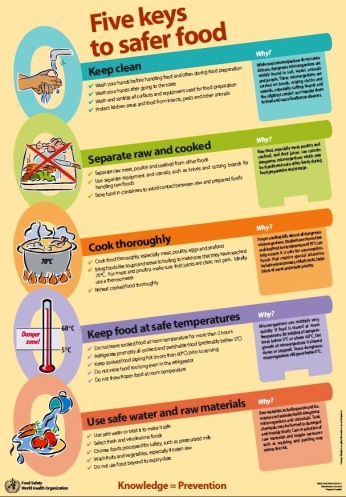
Credit: www.dairysafe.vic.gov.au
Washing Fruits And Vegetables: What Really Works
All produce—even those with skins you don’t eat—should be washed under running water before cutting or eating. Dirt and germs on the outside can transfer to the inside when you cut them.
- Use a clean brush for firm produce (like melons or potatoes).
- Dry with a clean towel or paper towel.
- Do not use soap, bleach, or other chemicals.
Precut or bagged produce labeled “ready to eat” does not need extra washing.
Kitchen Tools And Surfaces: Cleaning For Safety
Pay attention to the items you touch most often:
- Sponges: Replace often or sanitize by microwaving wet for 1–2 minutes (be careful! ).
- Cloths and towels: Wash in hot water frequently.
- Sinks and faucets: Clean and sanitize regularly.
Don’t forget less obvious spots like refrigerator handles, light switches, and trash can lids.
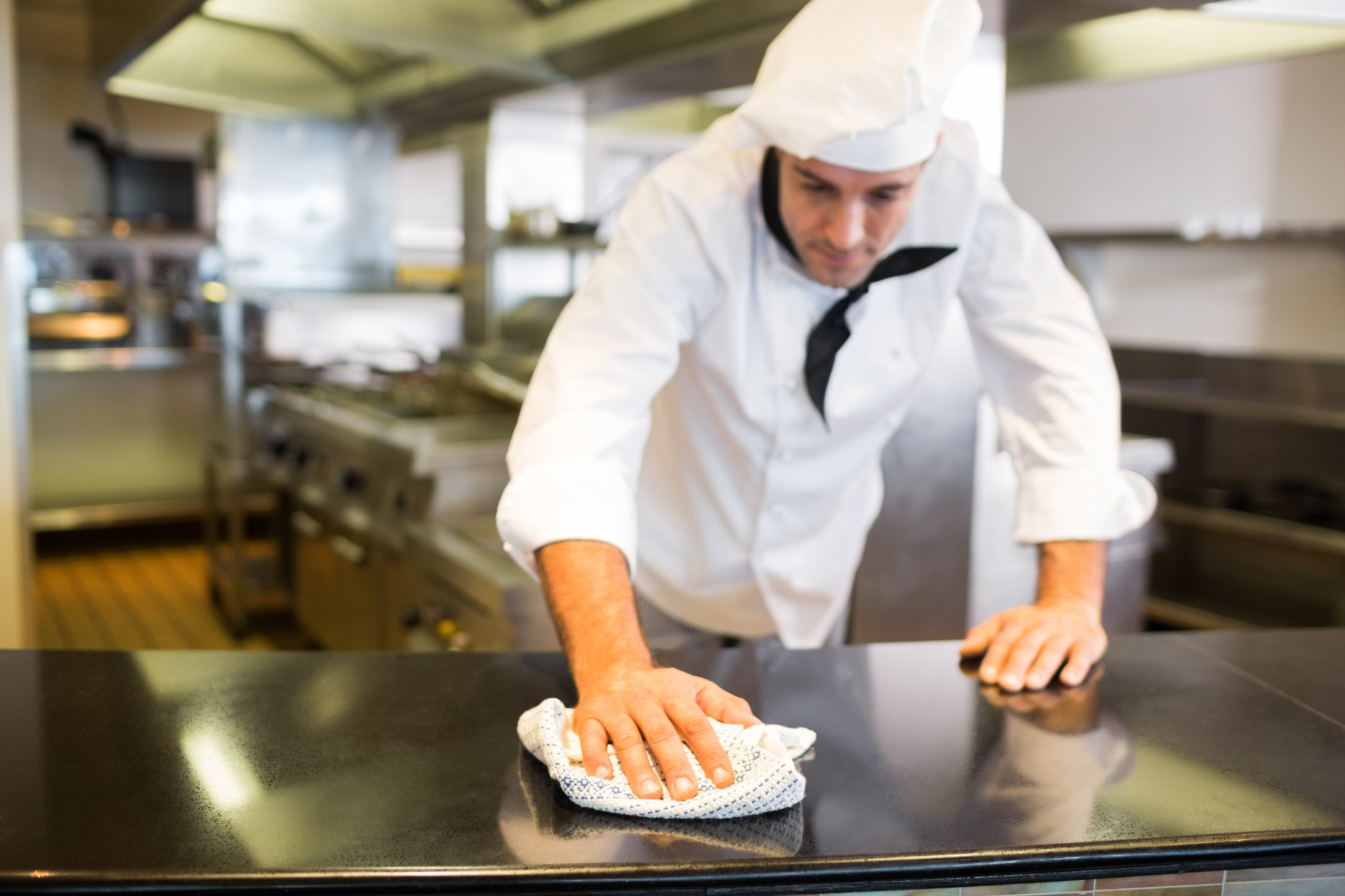
Credit: www.xinsurance.com
The Role Of Safe Water And Ice
Tap water is usually safe in most developed countries, but if your water source is questionable, use bottled or boiled water for cooking, washing produce, and making ice.
Ice can also spread germs. Make ice from safe water and keep ice trays and scoops clean.
Special Considerations For High-risk Groups
Some people are more likely to get sick or have severe problems from foodborne illness. These include:
- Pregnant women
- Children under 5
- Adults over 65
- People with weakened immune systems
For these groups, it’s best to avoid:
- Raw or undercooked eggs, meat, poultry, or seafood
- Unpasteurized milk or cheese
- Raw sprouts
- Cold deli meats or hot dogs (unless reheated until steaming)
Recognizing And Responding To Foodborne Illness
If you or someone in your home develops vomiting, diarrhea, or fever after eating, suspect foodborne illness—especially if several people get sick after the same meal.
- Most mild cases resolve on their own with rest and fluids.
- Seek medical help if you have bloody diarrhea, high fever, dehydration, or the illness lasts more than three days.
Report severe cases to your local health department. This helps identify outbreaks and can prevent others from getting sick.
The Importance Of Food Recalls And Food Labels
Stay informed about food recalls. Sometimes, even foods from trusted brands can be contaminated due to production errors. Check the FDA or USDA websites or sign up for recall alerts.
Read food labels for storage and preparation instructions. “Sell by,” “use by,” and “best before” dates help you know when a food is safest to eat, but they are not the same. When in doubt, remember: “When in doubt, throw it out.”
Common Myths About Food Safety
Let’s clear up a few myths that lead to risky habits:
- Myth: “If it smells and looks okay, it’s safe to eat.”
- Fact: Some bacteria and toxins don’t change the smell, taste, or look of food.
- Myth: “Microwaves kill all germs.”
- Fact: Microwaves heat unevenly. Cold spots can let bacteria survive.
- Myth: “Rinsing raw meat makes it safer.”
- Fact: Washing meat can spread bacteria around your sink and counters. Cooking to the right temperature is what kills germs.
- Myth: “Leftovers are safe all week.”
- Fact: Most leftovers should be eaten within 3–4 days.
Extra Precautions For Outdoor Cooking And Picnics
Food safety rules matter outside the kitchen too. When grilling or picnicking:
- Keep raw and cooked foods in separate containers.
- Use coolers with plenty of ice.
- Don’t leave food out for more than 2 hours (1 hour if it’s hot outside).
Bring hand sanitizer or wipes for cleaning when water is not available.
Technology And Food Safety: Smart Tools And Apps
New technology helps you keep food safe:
- Bluetooth food thermometers: Monitor temperature without opening the oven.
- Food safety apps: Get recall alerts and safe cooking guides on your phone.
- Smart fridges: Some can track expiration dates or alert you if the door is left open.
While not essential, these tools can make following food safety rules easier and more accurate.
Building Safe Kitchen Habits: Your Action Plan
Preventing foodborne illness is not just about one rule—it’s about building good habits. Here’s a quick summary you can keep on your fridge:
- Wash hands often
- Keep raw and cooked foods separate
- Use a food thermometer
- Refrigerate leftovers quickly
- Clean and sanitize surfaces and tools
Review these steps with everyone in your home—even kids can learn and help. Food safety is a team effort.
Frequently Asked Questions
How Often Should I Clean My Refrigerator?
Clean your refrigerator at least once a month. Wipe up spills right away, and check for expired or spoiled foods every week. Remove shelves and drawers for a deeper clean every few months.
Is It Safe To Eat Food Left Out Overnight?
No, it’s not safe. Food left at room temperature for more than 2 hours (1 hour if over 90°F) can grow bacteria quickly. Even if it looks and smells fine, it could make you sick.
Can I Refreeze Thawed Meat?
If meat was thawed in the refrigerator and has not been cooked, you can refreeze it. If thawed on the counter or in warm water, do not refreeze—it could have dangerous bacteria.
What’s The Best Way To Sanitize Cutting Boards?
Wash with hot, soapy water first. For extra safety, sanitize with a solution of 1 tablespoon of unscented liquid chlorine bleach per gallon of water. Let it air-dry before using again.
Where Can I Find The Latest Food Recall Information?
The US government posts recall information on the FDA and USDA websites. You can check the latest updates at FDA Recalls.
Preventing foodborne illness in the kitchen is all about knowledge and habits. With the right steps, you can protect your loved ones and enjoy meals with confidence. Safe cooking starts with you—make it a daily practice, and your kitchen will always be a place of health.