Keeping your ice maker free from mold is not just about clean ice—it’s about health and safety, too. Many people don’t realize that mold can easily grow inside ice machines, even though these appliances seem cold and clean. A small amount of mold can quickly lead to bad smells, strange-tasting ice, and even health risks for you and your family.
The good news is, with the right habits and a little attention, you can prevent mold in your ice maker before it ever becomes a problem.
This article will guide you through every important detail, from why mold forms in ice makers to the best ways to keep your machine spotless. You’ll learn about cleaning routines, smart design choices, and real-world steps that go beyond just “wipe it down.
” Whether you use a built-in refrigerator ice maker or a portable unit, these tips will help you enjoy pure, safe ice every day.
Why Mold Grows In Ice Makers
Mold loves moisture, darkness, and organic material. Ice makers provide all three. Even though ice is cold, the inside of your ice maker stays damp, especially in corners and crevices where water doesn’t freeze solid. Food particles, dust, or even just minerals from tap water can give mold a place to start growing.
If the door seal is not tight, warm air can sneak in, making things even worse.
One non-obvious point: ice makers often sit unused for days, especially in homes that don’t use much ice. This idle time lets moisture linger and mold spores settle. Also, many people forget to clean the ice maker when they clean their fridge, so it becomes a “hidden” problem area.
Signs Of Mold In Your Ice Maker
Before you prevent, you need to know how to spot a problem. Some warning signs include:
- Musty or earthy smell from your ice or inside your freezer
- Cloudy or discolored ice cubes
- Slimy residue on ice bin walls or ice chute
- Unusual taste in drinks made with ice
If you see or smell any of these, mold may already be present.
How To Prevent Mold In Ice Maker
Preventing mold is easier than removing it. Here are the most effective methods, explained with detail and practical examples.
1. Regular Cleaning Schedule
The most important step is to clean your ice maker regularly. For most home users, cleaning every 1-2 months is enough. If you live in a humid climate or notice mold growing faster, clean every month.
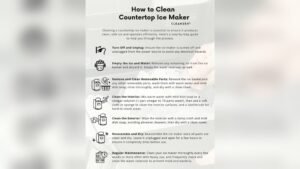
Basic Cleaning Steps:
- Turn off and unplug the ice maker or refrigerator.
- Remove all ice and empty the ice bin.
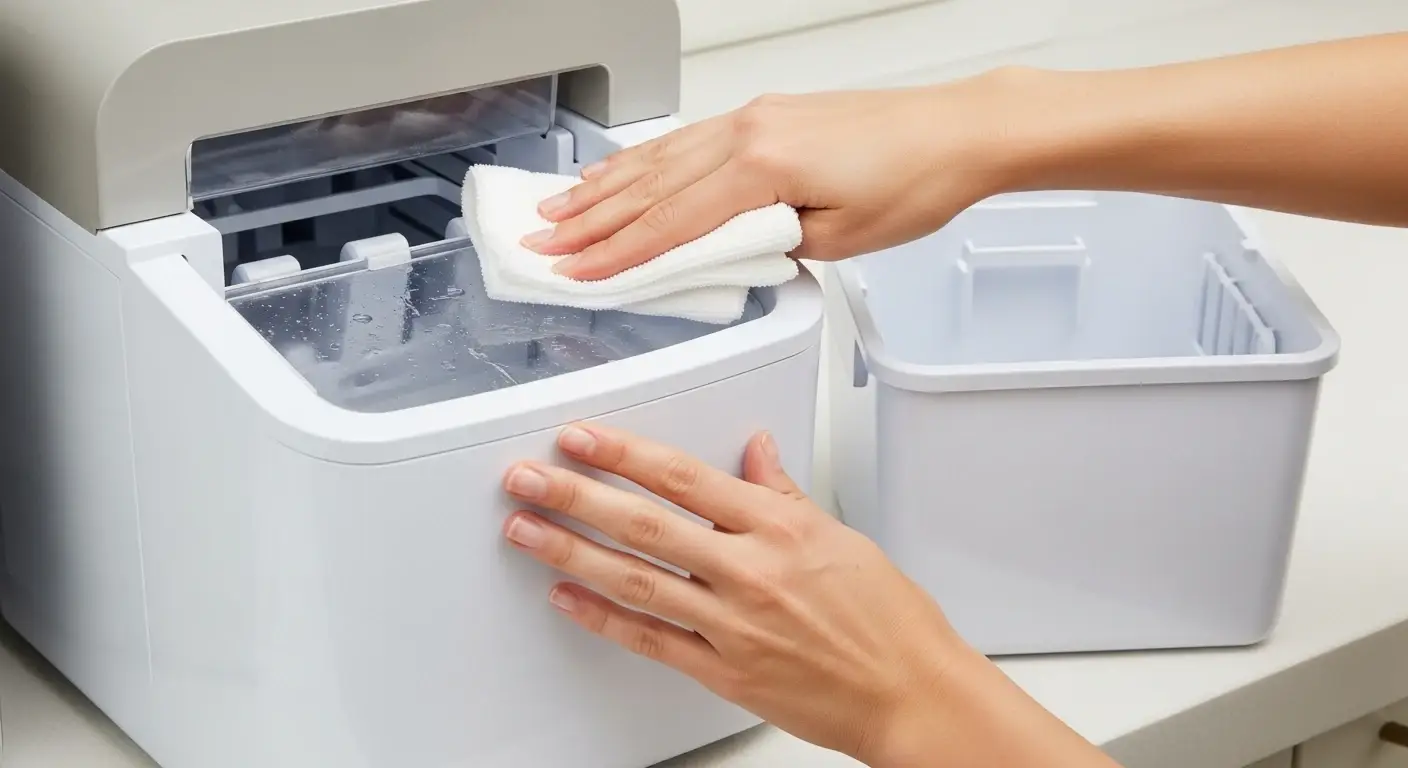
- Wash the ice bin with warm, soapy water. Rinse well and dry.
- Wipe the inside surfaces (where the ice forms and drops) with a solution of one part vinegar to ten parts water, or use a food-safe disinfectant.
- Dry everything completely before reassembling.
Many people forget to let parts dry fully before turning the machine back on. Moisture left behind can help mold return quickly.
2. Use Filtered Water
Tap water often carries minerals, organic material, and even bacteria—all of which can feed mold growth. Using filtered water reduces these contaminants and helps keep the inside of your ice maker cleaner.
Comparison: Tap Vs. Filtered Water For Ice Makers
| Property | Tap Water | Filtered Water |
|---|---|---|
| Mineral Content | High | Low |
| Chlorine/Impurities | Present | Removed |
| Mold Risk | Higher | Lower |
| Ice Taste | Possible aftertaste | Clean, neutral |
3. Keep The Freezer Dry
Every time you open the freezer, warm air enters and moisture can condense. Try these tips:
- Limit how often you open the freezer.
- Check the door seal for gaps or cracks.
- Wipe away any visible frost or water droplets quickly.
If you store food in the freezer, always wrap it well. Uncovered food releases moisture, which can help mold grow.
4. Use A Dehumidifier Or Silica Gel
If your kitchen or storage area is humid, even the inside of your freezer can stay moist. Small dehumidifiers or food-safe silica gel packs can help absorb extra moisture. Place them near, but not inside, the ice bin for best results.
5. Regularly Discard Old Ice
Ice that sits too long becomes cloudy and can pick up smells or even bacteria. Throw out old ice at least once a week. This keeps the ice bin dry and gives you a reason to wipe it down often.
6. Clean Or Replace The Water Filter
Most modern ice makers have a built-in water filter. Over time, this filter can become clogged with minerals and even become a breeding ground for mold. Replace the water filter every 6 months, or as recommended by your manufacturer. If you notice a drop in ice quality, check the filter first.
7. Use The Ice Maker Frequently
A surprising fact: ice makers that run often are less likely to develop mold. Frequent use means water doesn’t sit still, and ice is less likely to become stale. If you don’t use much ice, run a batch and discard it every few days.
8. Choose Mold-resistant Materials
Some ice makers have bins and parts made from antimicrobial plastics or stainless steel. These materials resist mold growth better than regular plastic. When buying a new ice maker, look for this feature.
Comparison: Antimicrobial Vs. Standard Materials
| Material Type | Mold Resistance | Maintenance |
|---|---|---|
| Antimicrobial Plastic | High | Easy |
| Stainless Steel | Very High | Easy |
| Standard Plastic | Low | Needs frequent cleaning |
9. Use Food-safe Cleaners
Never use harsh chemicals like bleach inside your ice maker unless your manufacturer says it’s safe. Instead, use food-grade cleaners like vinegar, baking soda, or special ice machine cleaning solutions. These break down mold without leaving dangerous residues.
10. Clean The Water Line
Mold and bacteria can also grow in the water supply line that feeds your ice maker, especially if it’s a long, rarely-used pipe. Flush the line with clean water every few months, and check for any kinks or leaks that could trap moisture.
11. Store Ice Properly
If you transfer ice from your ice maker to another container, always use a clean, dry scoop. Never use your hands. Store extra ice in a covered, clean container to reduce exposure to air and moisture.
12. Leave The Bin Open During Long Periods Off
If you plan to leave your ice maker off for an extended period (vacation, seasonal use), empty the bin and leave it open to air out. This prevents trapped moisture and mold.
13. Check For Hidden Spots
Mold often starts in places you can’t see—behind the ice chute, under the bin, or inside small corners. Use a flashlight to check these spots during cleaning. Some ice makers let you remove the whole bin or even the ice tray.
Take advantage of this for a deeper clean.
14. Avoid Scented Cleaning Products
Some cleaning sprays smell nice, but their perfumes can get trapped in plastic and make your ice taste bad. Stick to unscented, food-safe products.
15. Inspect After Power Outages
If your home loses power, ice melts and refreezes, creating a wet environment for mold. After any power outage, empty the bin, clean, and dry it thoroughly.
16. Don’t Ignore Small Problems
If you see small black spots or a faint smell, act fast. Early intervention stops a major mold problem. Waiting just makes cleaning harder and lets mold spread.
17. Read The Manual
Each ice maker is different. Read your user manual for special cleaning instructions, recommended products, and maintenance schedules.
18. Keep Pets Away
Pet hair, dander, and dust can get into your ice bin if your kitchen is open. Clean the area around your ice maker often, and consider a cover if you have pets.
19. Watch For Water Leaks
A small leak in the fridge or water line can raise humidity and help mold. If you see water pooling near your fridge, fix it right away.
20. Use Ice Maker Only For Water
Do not put other liquids or ice substitutes in your ice maker. Flavored water, juices, or carbonated drinks can leave sugar and residue that feed mold.
Special Tips For Commercial Ice Makers
If you run a restaurant, bar, or hotel, the risks are higher. Mold in ice can lead to failed health inspections or sick customers. Follow these extra tips:
- Clean commercial units every two weeks
- Train all staff on cleaning procedures
- Log each cleaning for accountability
- Use professional cleaning solutions approved for food service
Credit: vitaloxide.com
How Often Should You Clean Your Ice Maker?
The answer depends on use and environment:
| Usage Level | Recommended Cleaning Frequency |
|---|---|
| Home (light use) | Every 2 months |
| Home (heavy use) | Every month |
| Commercial | Every 2 weeks |
| Vacation/seasonal | Before and after storage |
What If Mold Has Already Formed?
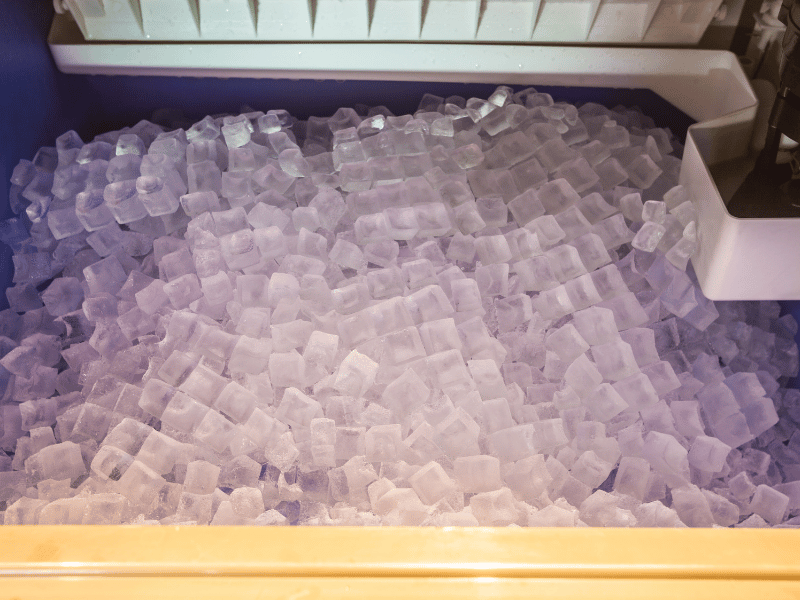
If you find mold, don’t panic. Turn off the ice maker, empty all ice, and clean as described earlier. Use a strong vinegar solution or a special ice machine cleaner. Rinse well and dry before turning the unit back on. For severe mold, you may need to replace the ice bin or call a service technician.
Credit: www.joewarren.com
Non-obvious Insights For Mold Prevention
Many people focus only on the ice bin, but the water line and hard-to-see surfaces are just as important. Mold can start where you rarely look. Also, using your ice maker regularly is a powerful way to keep mold away—stale, unused ice is a magnet for spores.
Another overlooked trick: always dry all parts completely after cleaning. Even a little moisture can help mold grow back fast.
Frequently Asked Questions
Credit: www.memphisice.com
What Causes Mold To Grow In Ice Makers?
Mold grows in ice makers because of moisture, darkness, and the presence of organic material or minerals. If the machine is not cleaned regularly, these factors combine to create a perfect environment for mold.
How Often Should I Clean My Ice Maker To Prevent Mold?
For most homes, cleaning every 1-2 months is enough. In humid climates or commercial settings, clean at least once a month or every two weeks.
Is It Safe To Use Vinegar To Clean My Ice Maker?
Yes, vinegar is a safe, effective, and food-grade cleaner for most ice makers. Always rinse thoroughly after cleaning to remove any vinegar smell.
Can Mold In My Ice Maker Make Me Sick?
Yes, mold spores can cause allergic reactions or breathing problems, especially for people with asthma or allergies. Moldy ice can also taste bad and carry bacteria.
Where Can I Learn More About Ice Maker Maintenance?
For detailed information and more tips, check the manufacturer’s website or visit CDC Mold Facts.
Keeping your ice maker mold-free is not difficult, but it does require regular attention and good habits. With these strategies, you can enjoy clean, fresh ice every time—no bad smells, no health risks, just pure refreshment.