Have you ever looked at your rice cooker and wondered what all those little lines mean? It’s a common question for many home cooks. Some people find it confusing, but it’s actually super simple once you know what to look for.
This guide will show you exactly how to read rice cooker lines so you can make perfect rice every time. Let’s get started on making your rice cooking easy and stress-free.
Key Takeaways
- You will learn what the different lines on your rice cooker signify.
- This post explains how to use these lines to measure water correctly.
- You will discover how to achieve perfectly cooked rice with the right water level.
- The guide provides simple steps for beginners to follow.
- You will gain confidence in using your rice cooker for all your rice needs.
Understanding Your Rice Cooker Lines
Why Rice Cooker Lines Matter
Rice cookers are amazing kitchen tools that make cooking rice almost foolproof. The secret to perfectly fluffy rice lies in getting the water amount just right. This is where the lines inside your rice cooker become your best friend.
They are there to help you measure the exact amount of water needed for the amount of rice you are cooking.
If you’re new to using a rice cooker, figuring out these lines can seem a bit puzzling. Different rice cookers might have slightly different markings, but the basic idea is always the same. Following these lines ensures your rice is never too mushy or too dry.
It’s a simple but vital step for delicious rice.
The Basic Principle of Rice Cooker Markings
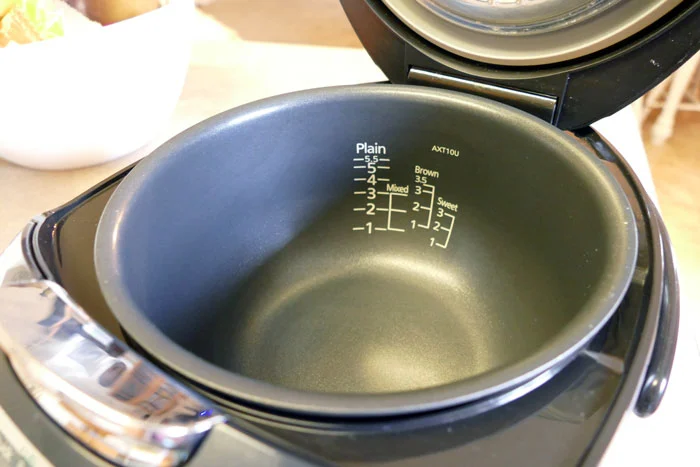
At its core, how to read rice cooker lines is all about matching your rice amount to the corresponding water level. Think of the lines as visual cues. Each line represents a specific quantity of cooked rice.
When you put rice into the inner pot, you will then add water up to the line that matches the amount of rice you measured.
For example, if you measure one cup of uncooked rice, you will look for the “1” line inside your pot. Then, you add water until it reaches that “1” mark. This simple system takes the guesswork out of rice preparation.
It’s designed to be user-friendly for everyone.
Different Types of Rice and Their Water Needs
While the lines provide a general guide, some types of rice might need slight adjustments. White rice is the most common and usually follows the lines perfectly. Brown rice, however, often needs a bit more water because it has a tougher outer layer and takes longer to cook.
Quinoa and other grains might also have slightly different water requirements.
Many modern rice cookers come with specific markings for different types of rice. You might see lines labeled “white,” “brown,” or “sushi” rice. If your cooker has these, use them!
They are calibrated to give you the best results for that particular grain. Always check your rice cooker’s manual if you are unsure about specific markings.
How to Measure Rice and Water
Step 1 Measuring Your Rice
Start with the rice itself. Always use the measuring cup that came with your rice cooker, if you have one. If not, a standard US cup measure works well.
Rinse your rice under cold water in a fine-mesh sieve until the water runs clear. This removes excess starch and helps prevent the rice from clumping together.
Once rinsed, place the rice into the inner pot of your rice cooker. Be sure to spread it out evenly at the bottom of the pot. This helps ensure even cooking.
Step 2 Locating the Correct Water Line
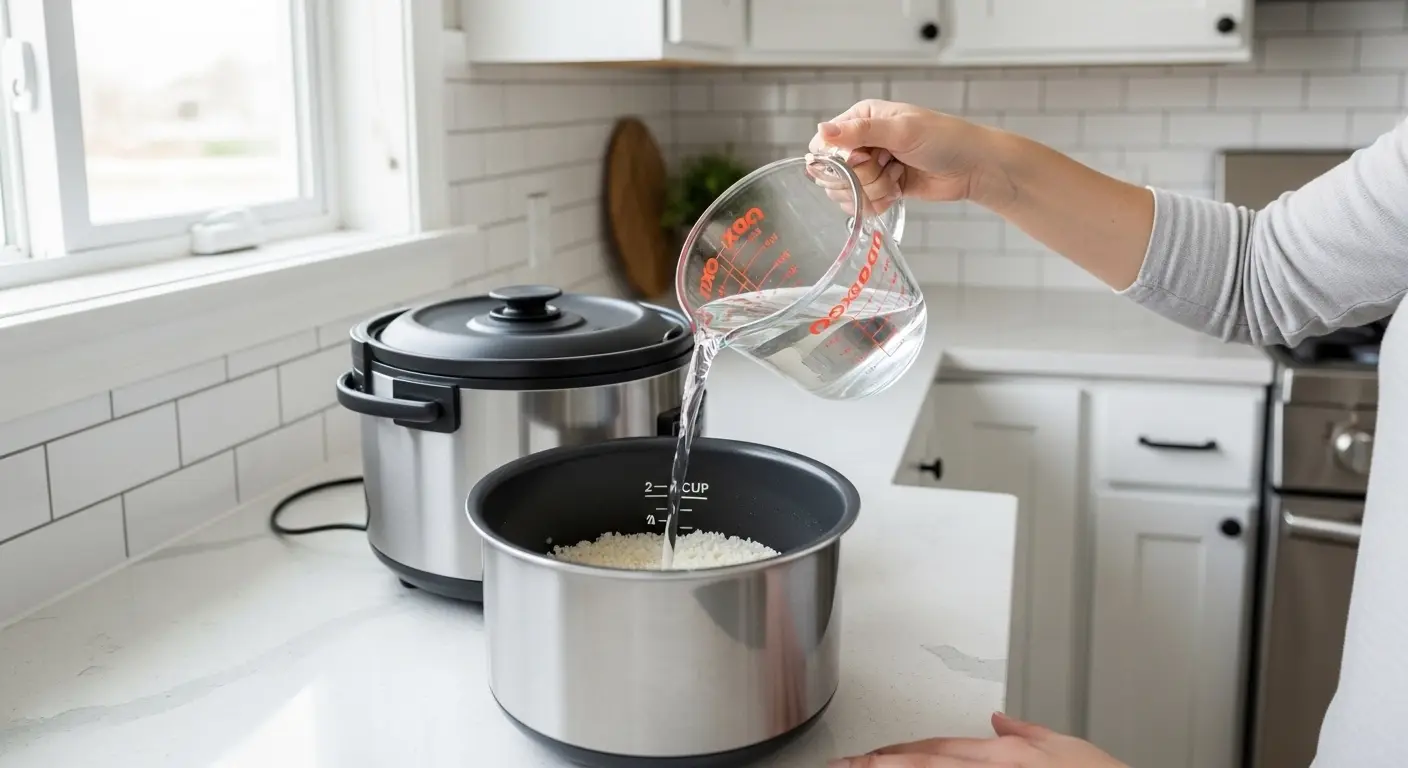
Now, find the line that corresponds to the number of cups of rice you put in. For example, if you put in two cups of rice, look for the line marked “2” on the inside of the pot. These lines are usually etched or printed on the inner wall of the pot.
Pay attention to the markings. Some rice cookers have lines for “cups” of rice. Others might have markings that correspond to the amount of water.
It’s crucial to understand which system your cooker uses. Most commonly, you add rice, then water up to the number line matching your rice amount.
Step 3 Adding Water
Once you’ve found the correct line, carefully add cold water to the inner pot. Pour the water slowly and evenly until it reaches the designated line. Make sure the water level is precisely at the line.
You can gently shake the pot to help the rice settle and distribute the water.
For white rice, this is usually all you need to do. If you are cooking brown rice and your cooker has a separate line for it, use that line. If not, you might need to add a little extra water, perhaps up to the next half-line above the “2” mark for two cups of brown rice.
Check your cooker’s manual for specific recommendations.
Step 4 Cooking Your Rice
After adding the rice and water, close the lid securely. Make sure it clicks into place. Select the appropriate cooking setting on your rice cooker.
For most standard rice cookers, this will be a “white rice” or “cook” setting. Then, press the start button.
The rice cooker will do the rest. It will automatically adjust the temperature and cooking time to produce perfectly cooked rice. Once the cooking cycle is complete, the cooker will usually switch to a “keep warm” mode.
Let the rice steam for about 10-15 minutes after cooking before opening the lid. This allows the moisture to distribute evenly, resulting in fluffier rice.
Tips for Perfect Rice Every Time
Using the Right Rice Cooker Cup
It is very important to use the measuring cup that came with your rice cooker. These cups are often smaller than standard US measuring cups. They are designed to be a specific size for that model of rice cooker.
Using a different cup could lead to incorrect water-to-rice ratios and, therefore, poorly cooked rice.
If you’ve lost your original cup, look for a
Rinsing Your Rice
Don’t skip the rinsing step! Rinsing removes excess surface starch from the rice grains. This starch can make rice gummy or sticky.
Rinsing helps the grains remain separate and fluffy after cooking. It also cleans the rice of any dust or debris that might be present.
To rinse effectively, place the rice in a fine-mesh sieve. Run cold water over the rice, gently swirling it with your hand. Continue rinsing until the water drains out is clear.
This might take several rinses, depending on the type of rice.
The “Finger Method” for Advanced Users
Some experienced cooks use the “finger method” as an alternative or supplement to the lines. After adding the rice and water, place your index finger on the surface of the rice. The water level should come up to the first knuckle of your index finger for white rice.
Adjust the water up or down as needed.
This method offers a more tactile way to gauge water levels, but it requires a bit of practice. It’s also important to note that hand sizes vary, so this method is less precise than using the marked lines. It can be a useful trick if your rice cooker lacks clear markings or if you want to fine-tune your results.
Letting the Rice Rest
After the rice cooker finishes its cycle, resist the urge to open the lid immediately. The rice needs to rest and steam for at least 10 minutes. During this resting period, the residual heat allows the remaining moisture in the pot to distribute evenly throughout the grains.
This resting phase is crucial for achieving that perfectly fluffy texture. It helps the grains absorb any excess moisture and prevents the bottom layer from being too wet while the top is still dry. After resting, fluff the rice gently with a rice paddle or fork before serving.
Troubleshooting Common Rice Cooking Issues
Rice Too Wet or Mushy
If your rice consistently comes out too wet or mushy, it likely means there is too much water. Double-check that you are using the correct measuring cup and that you are filling the water exactly to the line for the amount of rice. You might also be over-rinsing the rice, which can sometimes lead to a softer texture.
Try reducing the water slightly the next time you cook. For example, if you are at the “2” line, try filling just a tiny bit below it. Also, ensure you are not letting the rice sit in too much standing water after cooking.
Fluffing it promptly after the rest period can help.
Rice Too Dry or Hard
Conversely, if your rice is too dry, hard, or undercooked, you are likely not using enough water. Make sure you are filling the water precisely to the designated line. If you are cooking brown rice or a different type of grain, ensure you are using the correct markings or adjusting the water level as needed.
It’s also possible that your rice cooker is older and not heating as efficiently. If you have followed all measurement guidelines and the rice is still dry, you might need to add a little extra water, perhaps half a cup more than indicated for the amount of rice. Let the rice cook a bit longer on the “warm” setting if necessary.
Rice Sticking to the Bottom
A little bit of sticking is normal, especially with starches. However, if a lot of rice is sticking and burning to the bottom, it could be due to a few reasons. One reason is not rinsing the rice enough, which leaves too much starch.
Another reason is using too little water.
Ensure you are using enough water and that the water is reaching all the rice grains. Also, try using a non-stick spray or a little oil in the pot before adding the rice and water. After cooking and resting, gently scrape the bottom with a rice paddle.
If the sticking is severe, it might indicate an issue with the pot’s coating.
Frequently Asked Questions
Question: What do the lines on my rice cooker actually mean
Answer: The lines on your rice cooker are measurement guides. They indicate the correct amount of water to add for a specific quantity of uncooked rice to achieve perfectly cooked rice.
Question: Should I use the rice cooker cup or a standard measuring cup
Answer: It is best to use the measuring cup that came with your rice cooker. These cups are specifically sized for that model and ensure the correct water-to-rice ratio.
Question: Can I use the same lines for brown rice as white rice
Answer: Often, rice cookers have separate lines for brown rice because it requires more water. If your cooker only has one set of lines, you might need to add a little extra water for brown rice, usually up to the next half-line above the white rice marking.
Question: What if my rice cooker doesn’t have lines inside
Answer: If your rice cooker lacks internal lines, refer to your user manual. It will provide specific water-to-rice ratios for different types and amounts of rice. You can also use the finger method as a general guide.
Question: How much rice can I cook at once
Answer: The maximum amount of rice you can cook is indicated by the highest line on your rice cooker pot. Do not fill the pot beyond this maximum line, as it can affect cooking performance and safety.
Final Thoughts
Learning how to read rice cooker lines is a simple skill that makes a big difference in your cooking. By matching your rice amount to the water line, you remove the guesswork. This ensures your rice is always perfectly cooked, fluffy, and delicious.
Always use the correct measuring cup and rinse your rice for the best results. Enjoy making perfect rice with ease every time.

Hi, I’m Raju Dey — a food lover with a degree in Culinary Arts from El Centro College. I’ve spent 4+ years testing air fryers, blenders, and other kitchen tools in real home kitchens. At KitchenWink.com, I share honest tips and reviews to help you cook smarter. My goal is to give you advice you can trust — based on hands-on experience, not hype.