Refurbishing A Cast Iron Tea Kettle: Step-by-step Guide
A cast iron tea kettle is more than just a kitchen tool; it’s a piece of tradition. Many people inherit these kettles from family or find them at thrift shops, but old kettles often show signs of rust or wear. Refurbishing a cast iron kettle isn’t hard, but it does need care and patience. When done right, you can bring back its beauty and make it safe for brewing tea again. This guide will help you restore your kettle, avoid common mistakes, and understand the best practices for long-lasting results.
Understanding Cast Iron Tea Kettles
Cast iron tea kettles have a rich history. They are valued for their even heating and durability. Unlike modern kettles, cast iron holds heat well, which makes tea taste better. However, the surface can rust if not cared for, and old kettles may have mineral deposits or stains.
Common Issues With Old Kettles
- Rust: Often seen inside and outside, especially if the kettle was stored damp.
- Mineral build-up: White or brown spots from hard water.
- Stains and discoloration: From frequent use or neglect.
- Cracks or chips: Rare but possible, especially if dropped.
Not every kettle is worth refurbishing. If there are cracks or deep chips, the kettle may not be safe to use. But most surface problems can be fixed.
Preparing For Refurbishment
Before you begin, gather the right tools and materials. Preparation is the key to a smooth process.
Essential Supplies
- Soft scrub brush or sponge
- Mild dish soap
- White vinegar
- Baking soda
- Fine steel wool (000 or 0000 grade)
- Clean towels
- Food-grade oil (such as grapeseed, flaxseed, or canola)
- Rubber gloves
- Distilled water (for rinsing)
Safety Tips
- Wear gloves to protect your hands from rust and cleaning chemicals.
- Work in a well-ventilated area, especially when scrubbing or using vinegar.
- Avoid harsh cleaners that can damage the kettle’s finish.
Inspecting Your Kettle
Check your kettle carefully before cleaning. Look for:
- Surface rust: Light rust is easy to remove.
- Pitting: Small holes from deep rust.
- Mineral deposits: Often inside the kettle.
- Exterior paint or enamel: Some kettles have a colored outside; handle these gently.
If you find cracks or serious damage, it’s best not to use the kettle for boiling water. It can be a display piece instead.
Cleaning The Kettle
Cleaning is the most important step in refurbishing. Here’s how to do it right.
Step 1: Remove Loose Debris
Rinse the kettle with warm water. Use a soft brush or sponge to remove dust and loose dirt. Do not use soap yet.
Step 2: Tackling Rust
For rust spots, use fine steel wool. Gently scrub in circles. Don’t press too hard; you want to remove rust without scratching the metal. After scrubbing, rinse with warm water.
If rust is stubborn, soak a cloth in white vinegar and lay it over the area for 30–60 minutes. Vinegar loosens rust. Then scrub again with steel wool.
Step 3: Removing Mineral Deposits
Mix equal parts white vinegar and distilled water. Fill the kettle halfway and let it sit for 1–2 hours. Swirl the liquid occasionally. This helps dissolve mineral deposits.
After soaking, pour out the mixture and scrub inside with a soft brush. Rinse thoroughly with distilled water.
Step 4: Cleaning The Exterior
If your kettle has a painted or enameled exterior, use only a soft sponge and mild soap. Avoid steel wool on these surfaces.
For plain cast iron, you can scrub rust and stains with steel wool as needed.
Step 5: Final Rinse
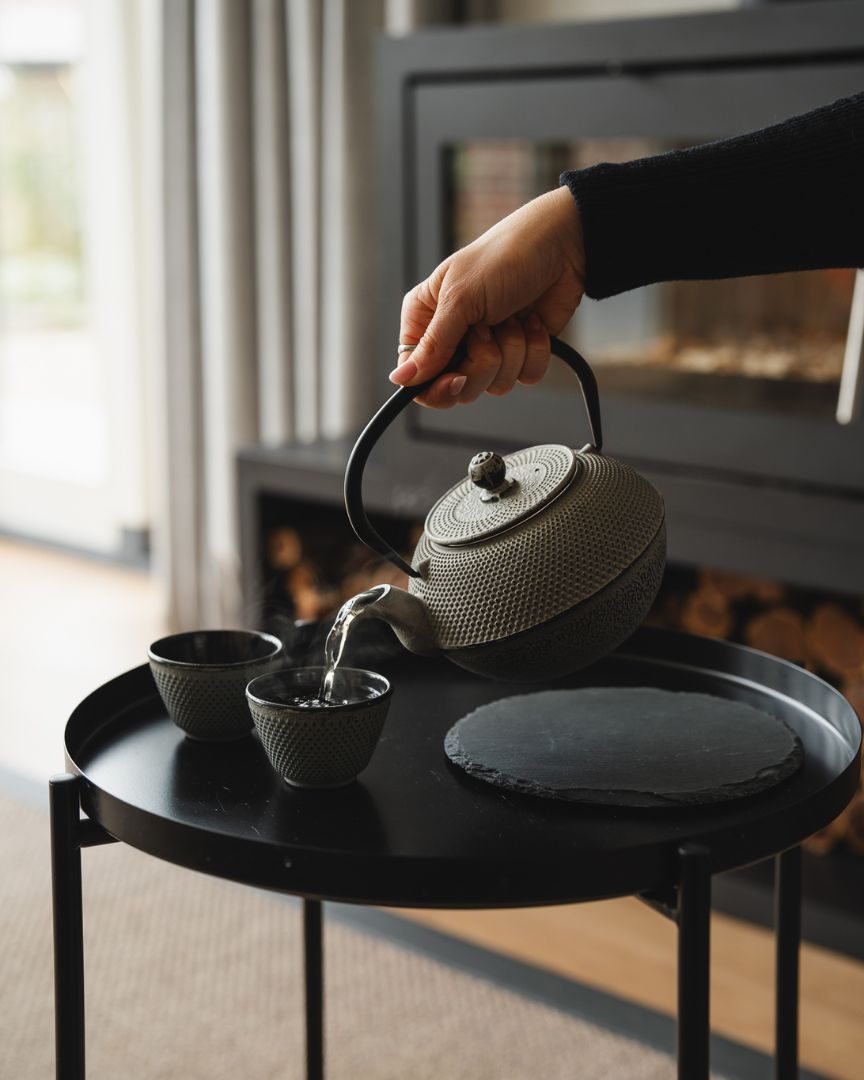
Rinse the kettle several times with distilled water to remove all cleaning residues. Dry with a clean towel.
Credit: www.bredemeijer.com
Restoring The Surface
Once clean, the kettle needs to be seasoned. This is the process of coating it with oil and heating it so the oil bonds with the iron.
Step 1: Apply Food-grade Oil
Pour a small amount of food-grade oil onto a towel. Rub the oil over the entire kettle, inside and outside. Don’t use too much; a thin layer is best.
Step 2: Heating The Kettle
Place the kettle in an oven at 350°F (175°C) for one hour. If your kettle has a wooden handle or knob, remove it first or cover it with foil.
Let the kettle cool in the oven. This process gives it a protective layer and stops new rust.
Step 3: Repeat If Needed
If your kettle was very rusty, repeat the oiling and heating process 2–3 times. Each round improves the finish and durability.
Comparing Cleaning Methods
Different cleaning methods work for different problems. Here’s a quick look at the best approaches:
| Method | Best For | Risks |
|---|---|---|
| Steel Wool Scrubbing | Surface rust, stains | Possible scratches if used too hard |
| Vinegar Soak | Mineral deposits, stubborn rust | Can damage enamel, must be rinsed well |
| Baking Soda Paste | Light stains, mild rust | Less effective for heavy rust |
| Mild Dish Soap | General cleaning | Should be rinsed fully, not for deep rust |
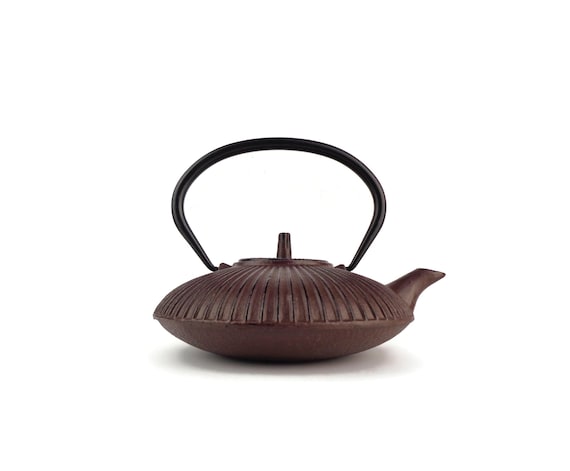
Many beginners use too much force when scrubbing. Gentle pressure with fine steel wool is enough. Heavy scrubbing can cause scratches that make rust return faster.
Credit: www.etsy.com
Seasoning: Why It Matters
Seasoning isn’t just for frying pans. For tea kettles, it creates a protective layer that stops rust and makes cleaning easier. It also adds a slight shine to the kettle.
Seasoning Oils Compared
Not all oils are equal for seasoning. Here’s a quick comparison:
| Oil Type | Smoke Point | Effect on Finish |
|---|---|---|
| Flaxseed | 225°F | Hard, smooth layer |
| Grapeseed | 420°F | Durable, slightly shiny |
| Canola | 400°F | Good, affordable option |
| Olive Oil | 375°F | Okay, but can become sticky |
Flaxseed oil is popular for a very hard finish, but grapeseed and canola are easier to find and work well.
Drying And Storing Your Kettle
After seasoning, let your kettle cool fully. Make sure it is completely dry before storing. Moisture is the enemy of cast iron.
Best Storage Practices
- Keep the kettle in a dry place.
- Leave the lid off or slightly open so air can circulate.
- Place a paper towel inside to absorb any moisture.
Some people wrap their kettles in cloth, but this can trap moisture if not checked regularly.

Credit: www.ebay.com
Using Your Refurbished Kettle
Once restored, your kettle is ready for use. Here are tips for making tea safely:
- Fill the kettle with filtered or distilled water to avoid new mineral build-up.
- Heat slowly; sudden temperature changes can cause stress.
- Never leave water sitting in the kettle after use.
- Dry the kettle after each use.
If you see new rust, clean and season again. This is normal for old kettles, especially in humid climates.
Mistakes To Avoid
Many beginners make errors that can damage their kettle. Here are some to watch for:
- Using harsh chemicals or oven cleaners. These can ruin the finish.
- Scrubbing too hard with rough steel wool.
- Forgetting to rinse vinegar fully.
- Storing the kettle damp or in a closed cabinet.
- Seasoning with too much oil, which can cause sticky spots.
A non-obvious tip: Always use distilled water for rinsing and brewing. Tap water often contains minerals that lead to build-up and stains.
Refurbishing Vs. Buying New
Some people wonder if it’s better to buy a new kettle. Here’s a comparison:
| Refurbished Kettle | New Kettle |
|---|---|
| Unique vintage look, lower cost | Perfect condition, warranty |
| Needs regular care | Easier maintenance |
| Possible hidden damage | Reliable, but less character |
Refurbishing is rewarding, but new kettles are easier to care for. If you enjoy vintage style and tradition, refurbishing is worth the effort.
Practical Insights
A common oversight is forgetting to check the spout and lid. These parts often have hidden rust or mineral build-up. Use a small brush to clean inside the spout and around the lid.
Another tip: Always dry your kettle upside down. This lets water drain out, which helps prevent new rust.
If you want more details on cast iron care, the Wikipedia Cast Iron page has helpful information.
Frequently Asked Questions
How Do I Remove Heavy Rust From My Cast Iron Tea Kettle?
Heavy rust needs patience. Soak the rusty area in white vinegar for up to 1 hour, then scrub gently with fine steel wool. Repeat as needed, but rinse fully after each round. If rust is deep, seasoning multiple times will help restore the surface.
Is It Safe To Use A Refurbished Cast Iron Kettle For Boiling Water?
Yes, if you have removed all rust, cleaned thoroughly, and seasoned the kettle. Avoid using kettles with cracks or deep pitting, as these can leak or weaken the metal.
What Oil Is Best For Seasoning A Cast Iron Tea Kettle?
Flaxseed oil creates the hardest finish, but grapeseed and canola oils are good alternatives. Use only a thin layer and heat the kettle at 350°F for best results.
Can I Use Soap To Clean My Cast Iron Kettle?
Mild dish soap is safe for cleaning, but must be rinsed fully. Avoid harsh detergents or chemicals. After soap cleaning, dry and oil the kettle to protect the surface.
How Often Should I Season My Cast Iron Tea Kettle?
Season your kettle after deep cleaning, and then every few months if you use it often. If you see rust or dull spots, season again. Proper care keeps your kettle strong and beautiful.
Restoring a cast iron tea kettle takes time, but the results are worth it. With careful cleaning, seasoning, and regular maintenance, your kettle can last for generations. Whether you use it daily or keep it as a family heirloom, a refurbished kettle brings warmth and tradition to your kitchen.