Stainless steel sinks look nice, but sometimes tough stains can appear. Learning how to remove chemical stains from stainless steel sink is a common need. Beginners might worry about making things worse or using the wrong cleaners.
Don’t worry! This guide will show you simple, step-by-step ways to get your sink looking shiny and new again. We will cover easy-to-find solutions that work well.
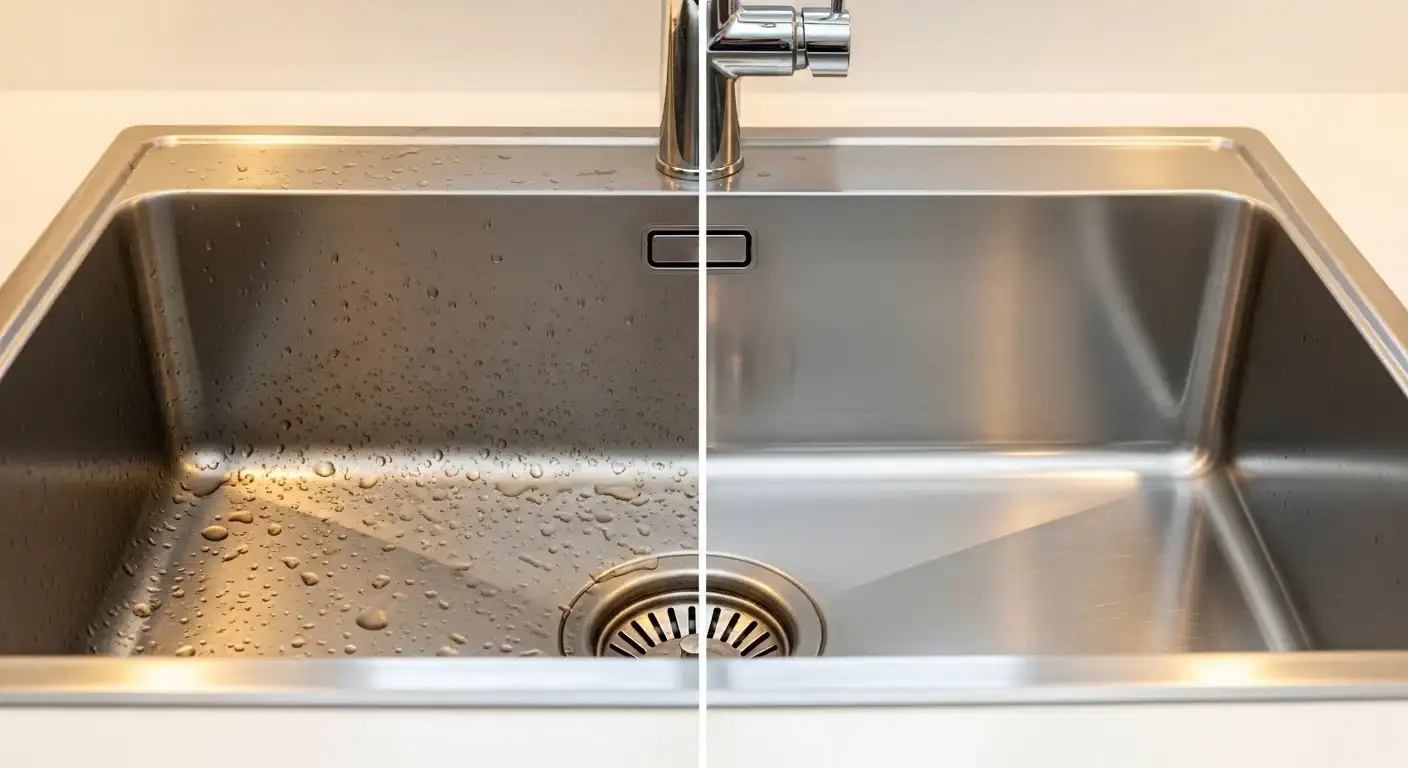
Understanding Stainless Steel Sink Stains
Stainless steel is a popular choice for kitchen sinks because it’s durable and looks good. However, it’s not completely stain-proof. Chemical stains can be tricky because they are caused by strong substances that react with the metal’s surface.
These aren’t your typical food stains. They can come from cleaning products, rust removers, or even some drain cleaners. When these chemicals sit on the surface for too long, they can leave behind marks that are hard to wipe away with just soap and water.
The reason these stains are challenging for many people is that stainless steel has a protective layer. Using the wrong cleaning agents or scrubbing too hard can damage this layer, making the sink more prone to future staining and rust. Beginners often fear they might scratch the sink or create dull spots.
The goal is to remove the stain without harming the sink’s finish.
Common Causes of Chemical Stains
Several common household items can cause chemical stains on your stainless steel sink. Knowing what to avoid can help prevent future problems.
Harsh Cleaning Products
Many everyday cleaners contain chemicals that can etch or discolor stainless steel. This includes bleach-based cleaners, oven cleaners, and some abrasive powders. Even if they clean well, they can leave marks if not used carefully.
Acidic Substances
Acids found in things like lemon juice, vinegar, or certain fruit juices can also cause spots if left to sit for extended periods. While mild acids are sometimes used for cleaning, strong or prolonged exposure is where the risk lies.
Metal Objects and Rust
Leaving metal cans, steel wool pads, or even wet cast iron pans on the sink surface can lead to rust stains. These aren’t strictly chemical stains in the same way as bleach, but they are difficult marks that require specific removal methods.
Improper Use of Products
Sometimes, it’s not the product itself but how it’s used. For instance, leaving a cleaner in the sink for longer than recommended can lead to staining. Also, mixing certain cleaning chemicals can create dangerous fumes or stronger reactions that damage the sink.
Safe and Effective Cleaning Solutions
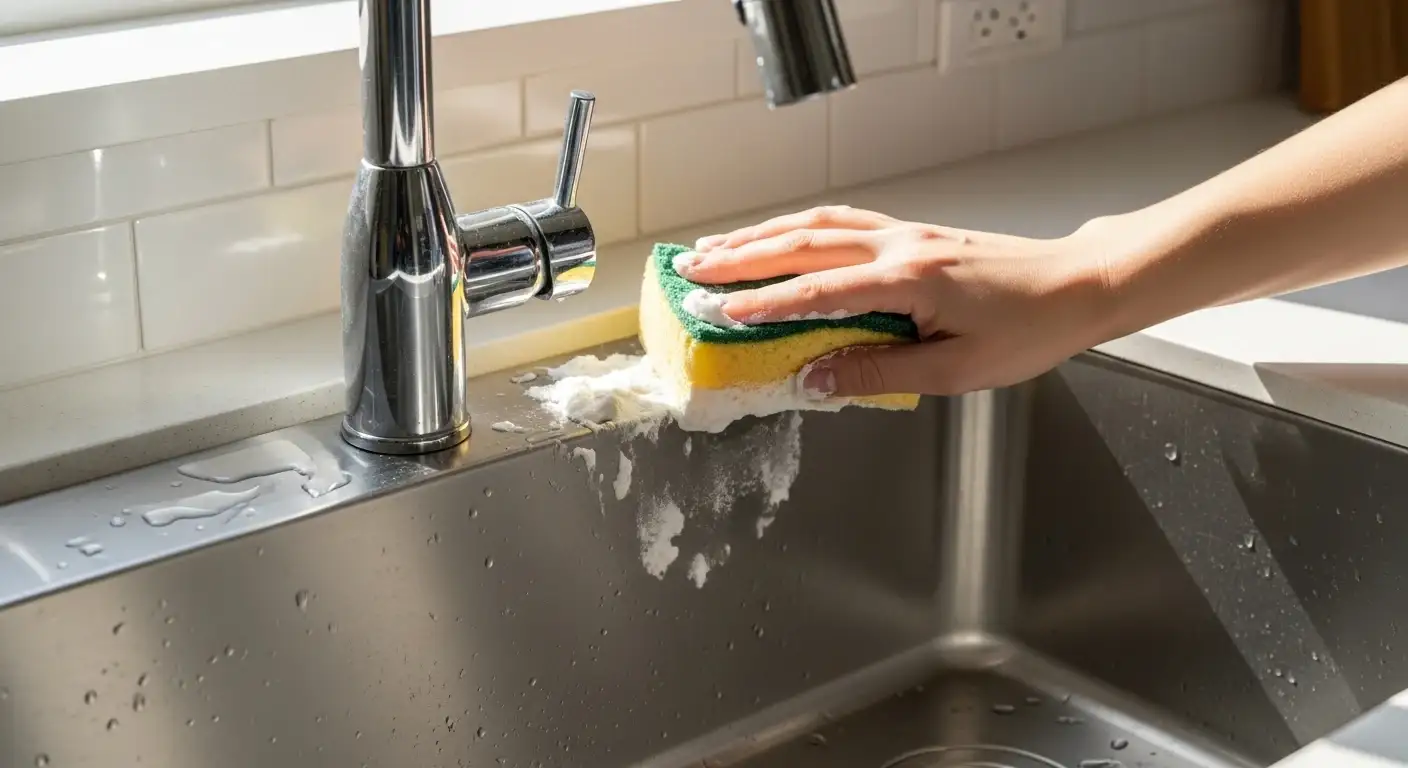
Thankfully, you don’t need harsh chemicals to tackle most chemical stains on your stainless steel sink. Gentle, everyday items can often do the trick. Always remember to test any cleaning solution in an inconspicuous spot first to ensure it doesn’t damage your sink’s finish.
Baking Soda Paste
Baking soda is a mild abrasive and a natural deodorizer. It’s excellent for lifting many types of stains without scratching.
- Mix baking soda with a little water to form a thick paste.
- Apply the paste directly to the stain.
- Let it sit for about 10-15 minutes.
- Gently scrub with a soft cloth or sponge in the direction of the stainless steel grain.
- Rinse thoroughly with water and dry with a clean towel.
Vinegar Solution
White vinegar is a mild acid that can help break down mineral deposits and some types of stains.
- Mix equal parts white vinegar and water in a spray bottle.
- Spray the solution onto the stained area.
- Let it sit for about 5 minutes.
- Wipe with a soft cloth.
- Rinse well with water and dry.
Important Note: While vinegar can be effective, avoid leaving it on the stainless steel for too long, as prolonged exposure to any acid can potentially dull the finish. Always rinse thoroughly.
Dish Soap and Water
For lighter stains or general cleaning, a good old-fashioned mix of mild dish soap and warm water is often sufficient.
- Add a few drops of mild dish soap to your sink.
- Fill the sink with warm water or use a damp cloth.
- Gently scrub the stained areas.
- Rinse and dry.
Specialized Stainless Steel Cleaners
If home remedies don’t quite cut it, there are commercial cleaners specifically designed for stainless steel. These are usually formulated to be safe for the material and can be very effective on tougher stains. Always follow the product instructions carefully.
Step-by-Step Guide to Removing Chemical Stains
Let’s break down how to remove chemical stains from stainless steel sink into simple, manageable steps. The key is patience and using the right approach.
Step 1: Identify the Stain Type (If Possible)
While not always easy, if you know what caused the stain (e.g., rust, bleach mark), it can help you choose the best cleaning method. However, if you’re unsure, start with the gentlest methods.
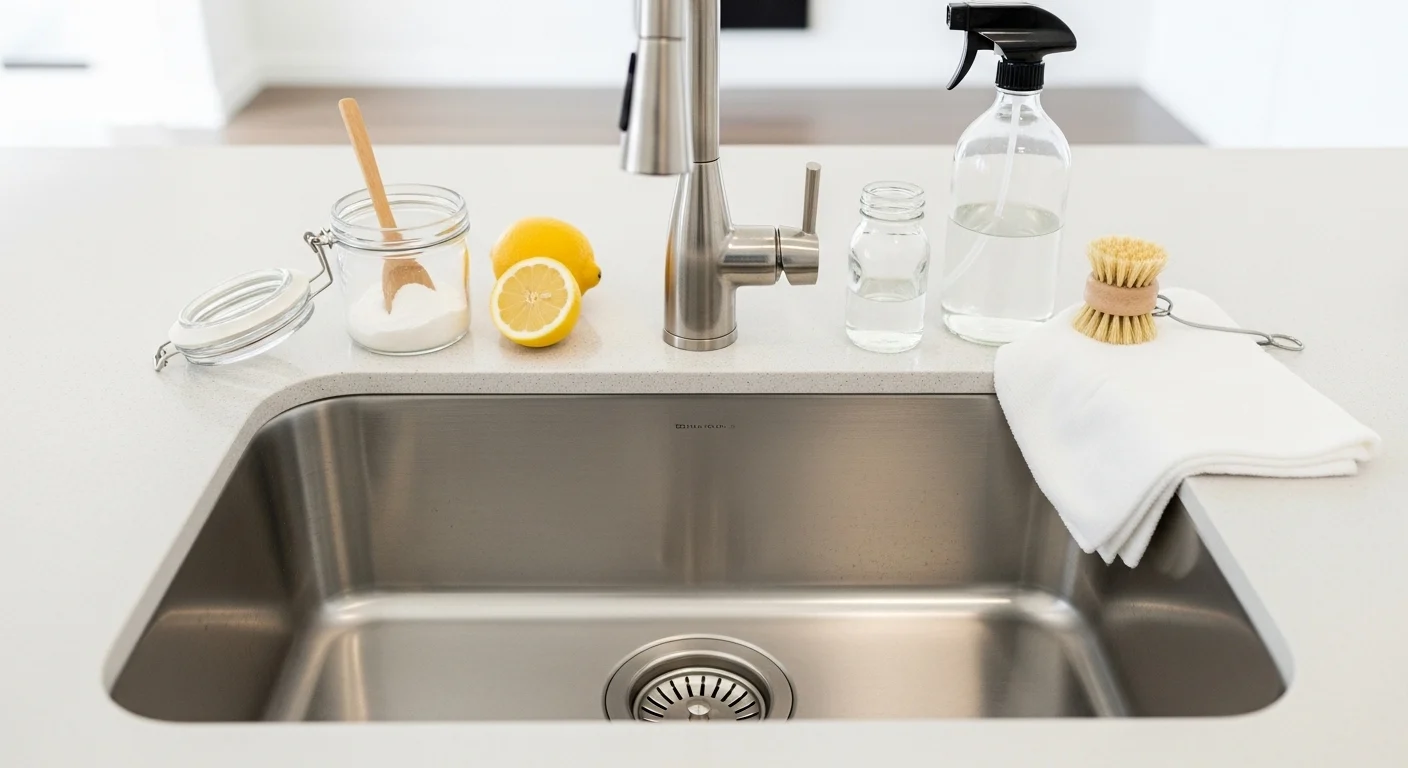
Step 2: Gather Your Supplies
You’ll likely need:
- Mild dish soap
- Baking soda
- White vinegar
- Soft cloths or sponges (non-abrasive)
- Paper towels or a clean drying towel
- Warm water
Step 3: Start with the Gentlest Method
Begin by trying to clean the stain with warm water and mild dish soap. Sometimes, this is all that’s needed. If the stain persists, move on.
Step 4: Apply Baking Soda Paste
Mix baking soda with water to create a paste. Apply it generously to the stained area. Let it sit for about 15 minutes.
Gently rub the paste into the stain using a soft cloth or sponge, moving in the direction of the grain of the stainless steel. Rinse the sink thoroughly with water and dry completely.
Step 5: Try the Vinegar Solution
If baking soda didn’t fully remove the stain, try the vinegar and water solution. Spray it on, let it sit for 5 minutes, wipe, and rinse thoroughly. Remember to dry the sink afterward.
Step 6: For Stubborn Stains
If the stain is still visible, you might need to use a specialized stainless steel cleaner. Ensure it’s safe for your sink type and follow the manufacturer’s instructions precisely. For rust stains, you might look for a specific rust remover for stainless steel.
Step 7: Rinse and Dry Thoroughly
This step is crucial regardless of the cleaning method used. Thorough rinsing removes all cleaning residues. Drying the sink immediately after rinsing helps prevent water spots and new stains from forming.
Step 8: Polish (Optional)
Once clean and dry, you can polish your stainless steel sink to restore its shine. A little bit of olive oil or a dedicated stainless steel polish applied with a soft cloth can make a big difference. Always rub in the direction of the grain.
Preventing Future Chemical Stains
Prevention is always better than cure. By taking a few simple precautions, you can keep your stainless steel sink looking its best and avoid the hassle of removing stains.
Rinse After Use
Get into the habit of rinsing your sink after each use, especially after preparing acidic foods like tomatoes or citrus fruits. This washes away potential stain-causing residues before they have a chance to react with the metal.
Avoid Leaving Metal Items
Don’t leave wet steel wool pads, metal cans, or cast iron cookware sitting in the sink. These items can cause rust rings. Store them elsewhere or use a sink caddy.
Use Cleaning Products Wisely
Be mindful of the cleaning products you use in and around your sink. Avoid harsh chemicals like bleach or abrasive powders directly on the stainless steel surface. If you must use them, dilute them and rinse immediately and thoroughly.
Never mix cleaning chemicals.
Wipe Up Spills Promptly
Clean up spills, especially from acidic or colored liquids, as soon as they happen. A quick wipe with a damp cloth can save you from dealing with a set-in stain later.
Dry Your Sink
After cleaning or rinsing, dry your sink with a soft towel. This prevents water spots and maintains the shine of the stainless steel.
Frequently Asked Questions
Question: How quickly should I address a chemical stain?
Answer: It’s best to address chemical stains as soon as you notice them. The longer a chemical sits on the stainless steel, the deeper it can penetrate and the harder it will be to remove. Prompt action makes the cleaning process much easier.
Question: Can I use steel wool to scrub the stains?
Answer: No, you should never use steel wool or other abrasive scrubbers on stainless steel sinks. These can scratch the surface, damage the protective layer, and make the sink more prone to future staining and rust. Opt for soft cloths or non-abrasive sponges.
Question: What if the stain is still there after trying baking soda and vinegar?
Answer: If basic methods don’t work, you may need to use a cleaner specifically designed for stainless steel. Look for products that are safe for your sink’s finish and follow the manufacturer’s instructions carefully. For rust stains, a dedicated rust remover for stainless steel might be necessary.
Question: Is it safe to use bleach on my stainless steel sink?
Answer: It’s generally not recommended to use bleach directly on stainless steel sinks. Bleach can be too harsh and may cause discoloration or pitting. If you need to disinfect, use a highly diluted bleach solution and rinse it off immediately and very thoroughly.
Always test in an inconspicuous area first.
Question: How can I make my stainless steel sink look shiny after cleaning?
Answer: After cleaning and drying your sink completely, you can restore its shine by polishing it. Apply a small amount of olive oil or a specialized stainless steel polish onto a soft cloth. Rub it gently in the direction of the grain of the stainless steel.
This will bring back its luster and help repel future water spots.
Final Thoughts
Removing chemical stains from your stainless steel sink is manageable with the right approach. You learned how to handle these tough marks using simple household items like baking soda and vinegar, or specialized cleaners. Always start gentle, work with the grain, and rinse and dry thoroughly.
These steps help restore your sink’s shine and prevent future issues. You can keep your sink looking great.

I’m Loretta Evans, and I lead the Rice Cooker and Kitchen Tools section. I test every product in real home kitchens to see how it truly performs in everyday use.
My goal is simple: to give you clear, honest advice so you can choose reliable tools that make cooking easier.