Skip to content
Seeing rust spots on your shiny stainless steel sink can be frustrating. It’s a common issue, especially for those new to stainless steel care, because it looks tough to fix. You might think you need harsh chemicals, but you don’t!
This guide will show you simple ways to make your sink look new again. Get ready to learn easy steps that work wonders.
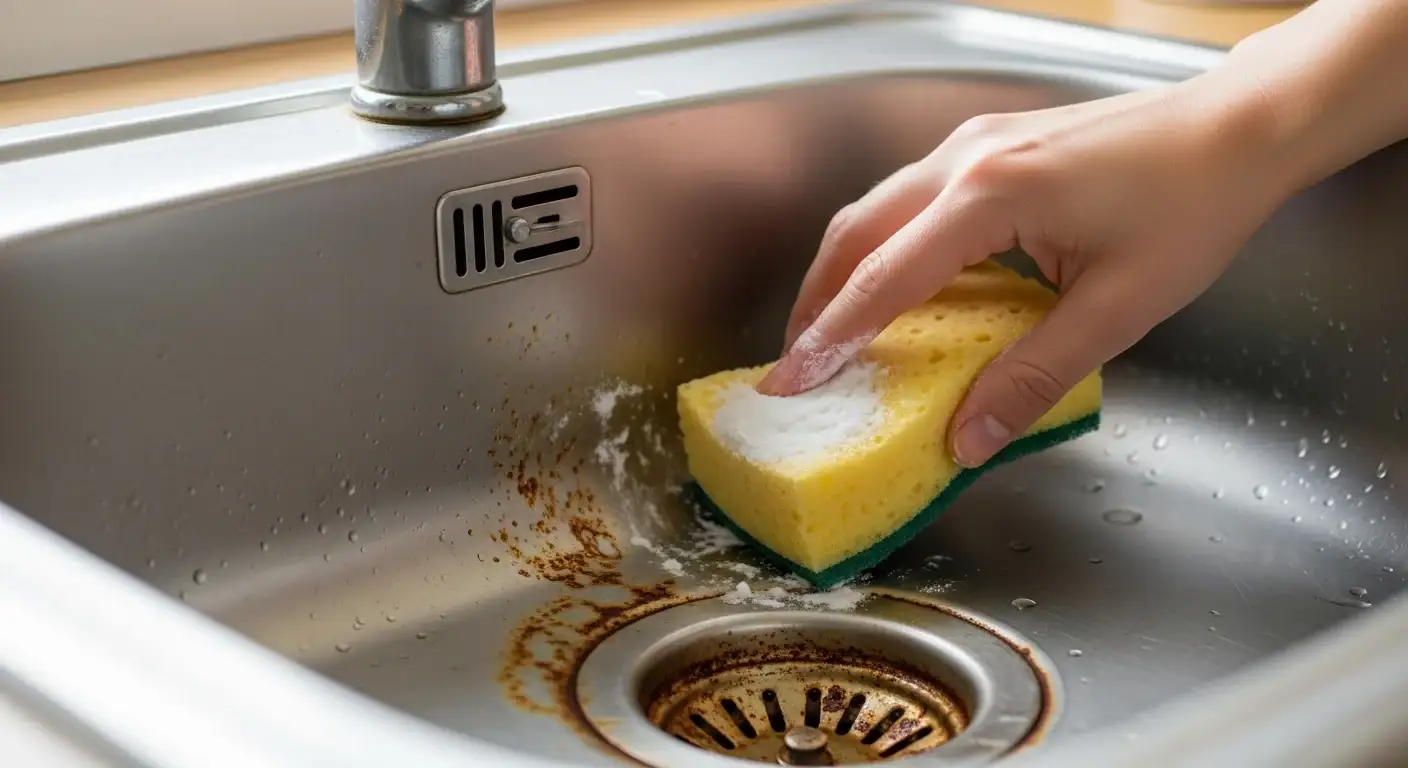
Why Does Rust Appear On Stainless Steel Sinks
Stainless steel is known for its durability and resistance to corrosion. However, it’s not completely rust-proof. Rust typically appears when small particles of iron or other rust-able metals come into contact with the sink’s surface and are exposed to moisture over time.
These iron particles can come from various sources.
Common Sources Of Rust Stains
Several everyday items can introduce iron particles that lead to rust stains on your stainless steel sink. Understanding these sources helps prevent future problems.
- Metal cans left in the sink
- Steel wool or scouring pads used for cleaning
- Iron-rich water from certain water supplies
- Metal tools or utensils left on the wet surface
- Foreign metal objects like keys or coins
These seemingly small things can transfer tiny iron particles. When these particles sit on the wet sink surface, they begin to oxidize, forming the familiar reddish-brown rust spots. It’s important to address these spots quickly to prevent them from becoming permanent.
Methods For How To Remove Rust From A Stainless Steel Sink
Fortunately, removing rust from stainless steel sinks is usually straightforward. You can use common household items that are gentle yet effective. The key is to be patient and avoid using abrasive materials that could scratch the sink’s finish.
Method 1: Baking Soda Paste
Baking soda is a mild abrasive and a fantastic cleaner. It’s safe for stainless steel and works well on light to moderate rust stains.
What You’ll Need
- Baking soda
- Water
- Soft cloth or sponge
- Another soft cloth for drying
Steps
- Make a paste: Mix baking soda with a little water to form a thick paste. You want it to be spreadable but not too runny.
- Apply the paste: Gently spread the baking soda paste over the rust spots. Ensure the entire rusty area is covered.
- Let it sit: Allow the paste to sit on the rust for about 15-30 minutes. This gives the baking soda time to work on breaking down the rust.
- Scrub gently: Use a soft cloth or sponge to gently scrub the paste in a circular motion. Apply light pressure. Avoid using steel wool or abrasive scrub pads.
- Rinse thoroughly: Rinse the sink well with clean water to remove all traces of the baking soda paste.
- Dry completely: Use a soft, dry cloth to wipe the sink dry. This prevents water spots and helps maintain the shine.
This method is excellent for regular maintenance and for tackling minor rust marks. It’s a simple, eco-friendly option that many people have readily available in their homes.
Method 2: White Vinegar
White vinegar is acidic, which makes it effective at dissolving rust. It’s another gentle yet powerful cleaner for stainless steel.
What You’ll Need
- White vinegar
- Soft cloth or sponge
- Another soft cloth for drying
Steps
- Soak a cloth: Dampen a soft cloth or sponge with white vinegar.
- Apply to rust: Place the vinegar-soaked cloth directly onto the rust spots. For vertical surfaces, you might need to hold it in place or repeat application.
- Let it soak: Let the vinegar sit on the rust for about 15-30 minutes. You may see the rust begin to lighten.
- Gently scrub: Use the cloth or a soft sponge to gently rub the rust away.
- Rinse well: Rinse the sink thoroughly with water to remove any remaining vinegar.
- Dry the sink: Buff the sink dry with a clean, soft cloth to restore its shine.
Vinegar can sometimes be more potent than baking soda for tougher stains. Be sure to rinse completely, as leaving vinegar residue for too long could potentially affect the finish over prolonged periods.
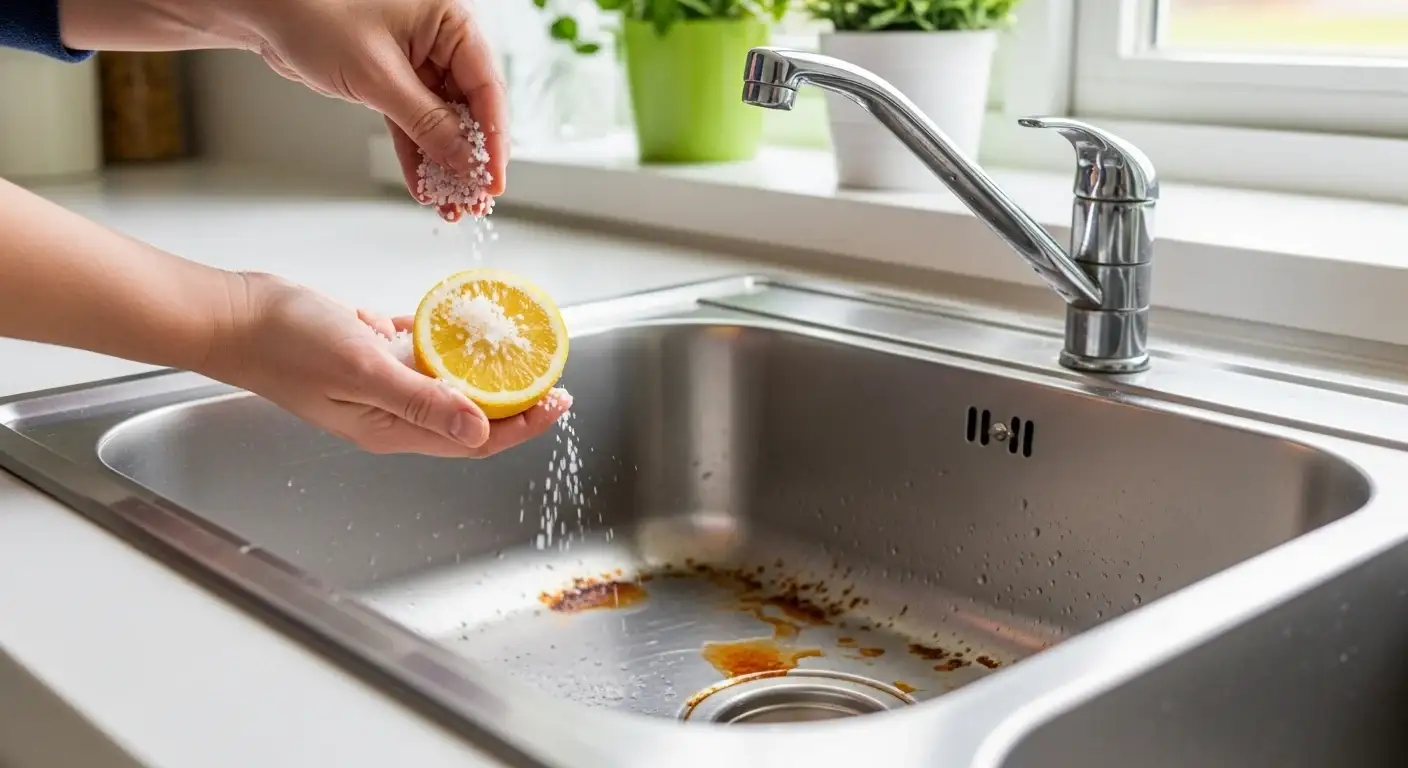
Method 3: Lemon Juice and Salt
This natural combination uses the acidity of lemon juice and the mild abrasiveness of salt to tackle rust.
What You’ll Need
- Lemon juice (freshly squeezed or bottled)
- Table salt
- Soft cloth or sponge
- Another soft cloth for drying
Steps
- Make a paste: Sprinkle a generous amount of salt over the rust spots. Then, squeeze lemon juice over the salt to create a paste.
- Apply and let sit: Let this mixture sit on the rust for at least 30 minutes, or even up to an hour for stubborn stains.
- Scrub gently: Use a soft cloth or sponge to gently scrub the area. The salt will help lift the rust particles.
- Rinse and dry: Rinse the sink thoroughly with water and then dry it completely with a soft cloth.
This method is effective because the citric acid in lemon juice reacts with the iron oxide (rust), while the salt provides a bit of scrubbing power without being too harsh.
Method 4: Cream Of Tartar
Cream of tartar is a powdered byproduct of winemaking. It’s a mild acid that can be used with water to create a paste for cleaning stainless steel.
What You’ll Need
- Cream of tartar
- Water
- Soft cloth or sponge
- Another soft cloth for drying
Steps
- Mix paste: Combine cream of tartar with a small amount of water to make a paste.
- Apply to rust: Spread the paste over the rusted areas of your sink.
- Let it sit: Allow the paste to sit for about 10-15 minutes.
- Gently scrub: Use a soft cloth or sponge to gently rub the rust away.
- Rinse and dry: Rinse the sink completely with water and dry it with a soft cloth.
Cream of tartar is another excellent choice for those seeking natural cleaning solutions. It’s particularly good for reviving dull surfaces and removing light discoloration.
Method 5: Commercial Stainless Steel Cleaners
If natural methods don’t fully tackle the rust, or if you prefer a dedicated product, there are commercial cleaners specifically designed for stainless steel.
What You’ll Need
- Commercial stainless steel rust remover
- Soft cloth or sponge
- Another soft cloth for drying
Steps
- Read instructions: Always follow the manufacturer’s instructions carefully. Products can vary in their application and dwell time.
- Apply cleaner: Apply the cleaner to a soft cloth or directly to the rust spots as directed.
- Scrub gently: Use the cloth to gently rub the rust away. Some products may require light scrubbing.
- Rinse thoroughly: Rinse the sink very well with water to remove all chemical residue.
- Dry and polish: Dry the sink with a soft cloth and consider using a stainless steel polish to restore its gleam.
When using commercial products, it’s wise to test them on an inconspicuous area of the sink first to ensure they don’t damage the finish. Look for products specifically labeled as safe for stainless steel sinks.
- You might find this helpful: How To Polish A Stainless Steel Sink
Preventing Future Rust Stains
The best way to deal with rust is to prevent it from appearing in the first place. Simple habits can make a big difference in keeping your stainless steel sink looking its best.
Keep The Sink Dry
One of the most effective ways to prevent rust is to towel dry your sink after each use. This removes standing water that can lead to rust and water spots. Don’t let wet sponges or cloths sit in the sink for extended periods.
Avoid Abrasive Cleaners and Tools
Never use steel wool, abrasive scouring pads, or harsh chemical cleaners like bleach or oven cleaners on your stainless steel sink. These can scratch the surface and strip away the protective layer, making it more susceptible to rust. Opt for soft cloths, sponges, or non-scratch scrubbers.
Remove Metal Objects Promptly
Do not leave metal cans, cast iron pans, or other iron-containing items sitting in your sink, especially when wet. Remove them immediately after use to prevent iron particles from transferring and causing rust.
Address Water Quality Issues
If your tap water is high in iron or minerals, it can contribute to rust stains. Consider using a water filter for your tap if this is a persistent problem. Regularly cleaning your sink will also help manage any mineral buildup.
Regular Cleaning and Maintenance
A quick wipe down with a mild detergent and water daily, followed by a rinse and dry, will go a long way. This regular care prevents minor issues from becoming major problems and keeps your sink looking polished.
Frequently Asked Questions
Question: Can I use bleach to remove rust from my stainless steel sink?
Answer: No, it is not recommended to use bleach on stainless steel sinks. Bleach can damage the protective layer of stainless steel, potentially causing pitting and further corrosion, and it can react negatively with other cleaning agents.
Question: How often should I clean my stainless steel sink?
Answer: It’s best to rinse and dry your sink after each use. A quick wipe down with mild soap and water daily will help maintain its appearance and prevent buildup. Deeper cleaning for rust can be done as needed.
Question: What is the best way to shine my stainless steel sink after cleaning?
Answer: After cleaning and thoroughly drying your sink, you can use a small amount of olive oil, mineral oil, or a dedicated stainless steel polish applied with a soft cloth. Buff it in the direction of the grain for a brilliant shine.
Question: Will vinegar damage my stainless steel sink if I leave it on too long?
Answer: While vinegar is acidic and effective, leaving it on for extended periods (hours) without rinsing could potentially etch the surface or dull the finish. It’s best to limit soak times to 30 minutes and rinse thoroughly.
Question: I have very stubborn rust. Can I use a magic eraser?
Answer: Magic Erasers are mildly abrasive. While they might remove some rust, they can also dull or scratch the finish of your stainless steel sink. It’s safer to stick with the gentler methods described in this guide.
Final Thoughts
Tackling rust on your stainless steel sink is simple with these easy methods. You now know how to remove rust from a stainless steel sink using common household items. Keep your sink dry, avoid harsh scrubbers, and clean regularly.
Your sink will stay looking great with minimal effort.