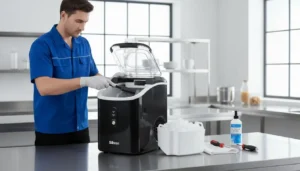
Keeping your ice machine clean is more than just a good habit—it’s a health necessity. Whether you run a restaurant, hotel, office, or simply have a home ice maker, sanitizing your ice machine is crucial. Dirty ice machines can become a breeding ground for mold, bacteria, and even viruses. Contaminated ice can lead to foodborne illness and damage your reputation. Many people believe ice machines stay clean because they only hold water and ice, but that’s a myth. Ice machines need regular care to stay safe.
Cleaning is not the same as sanitizing. Cleaning removes visible dirt and grime, but sanitizing kills harmful microorganisms. If you only wipe down surfaces, you leave invisible threats behind. This guide will show you, step by step, how to sanitize your ice machine fully and safely, making sure every part is clean and your ice is safe to use.
Why Sanitizing An Ice Machine Matters
Some think that because ice is cold, germs can’t survive. In reality, many bacteria and molds can live in cold, wet environments. Studies have shown that unclean ice machines often contain more germs than toilet water. The FDA and CDC recommend regular sanitizing to prevent outbreaks of norovirus, E. coli, and salmonella.
Apart from health, a clean ice machine works better. Scale, mold, and slime can block parts and reduce ice production. Regular sanitizing extends the life of your machine and keeps your ice tasting fresh.
When And How Often Should You Sanitize?
Most manufacturers suggest sanitizing your ice machine at least every 6 months. However, if you notice any of these signs, sanitize right away:
- Unusual smell or taste in the ice
- Cloudy or soft ice cubes
- Visible mold, slime, or mineral buildup
- People report feeling ill after consuming your ice
In high-traffic places like restaurants, monthly sanitizing is smart. Always check your machine’s user manual for specific recommendations.
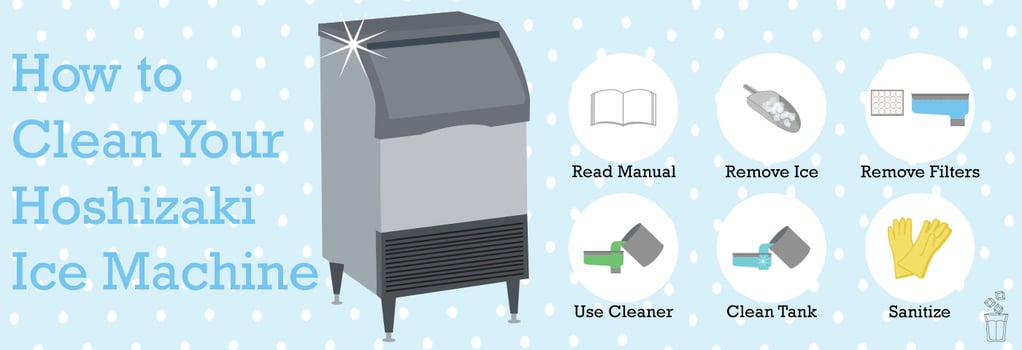
Credit: www.katom.com
Safety Precautions Before You Start
Sanitizing an ice machine involves chemicals and contact with electrical parts. Here are some important safety steps:
- Unplug the machine before starting.
- Remove all ice and water from the bin.
- Wear gloves and, if possible, safety glasses.
- Work in a well-ventilated area.
- Use only food-safe cleaners and sanitizers.
Following these steps keeps you safe and protects your machine.
What You Need: Tools And Materials
Before you begin, gather everything you need. Having all materials ready makes the process smoother.
- Food-safe ice machine sanitizer (check your manual for recommended brands)
- Mild dish soap
- Warm water
- Soft cloths or sponges (non-abrasive)
- Nylon brush or toothbrush
- Bucket
- Measuring cup
- Clean towels or paper towels
- Screwdriver (if panels need to be removed)
- Gloves
Never use bleach unless your manufacturer says it’s safe. Some materials can be damaged by harsh chemicals.
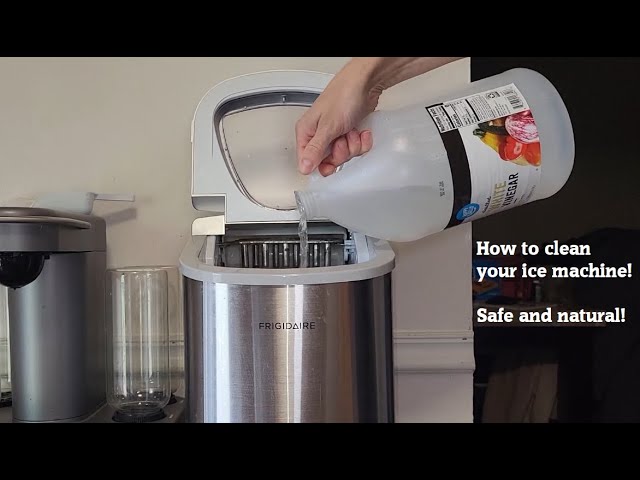
Credit: www.youtube.com
The Step-by-step Process To Sanitize An Ice Machine
Sanitizing an ice machine is not difficult, but you must follow each step carefully. Here’s how to do it:
1. Power Down And Empty The Machine
First, turn off the ice maker and unplug it from the electrical outlet. Remove all ice from the bin and discard it. Drain any water from the reservoir using the drain plug, if available.
2. Disassemble Removable Parts
Most ice machines have parts you can remove for cleaning, such as:
- Ice bin
- Water trough
- Drip tray
- Scoop
Take these pieces out and set them aside. This allows you to clean every surface thoroughly.
3. Clean Removable Parts
Wash all removable parts with warm, soapy water. Use a non-abrasive cloth or sponge to scrub away any dirt, slime, or mineral deposits. For tight spaces, use a toothbrush. Rinse each part well with clean water.
4. Prepare And Use Sanitizer Solution
Mix the sanitizer according to the instructions on the label. Using the wrong concentration can be dangerous or ineffective. Usually, you add a specific amount of sanitizer to a gallon of water.
Fill a bucket with the sanitizer solution. Use a clean cloth or sponge to wipe all surfaces inside the ice bin, reservoir, and other internal parts. Pay special attention to corners and seams where grime can hide.
Some machines allow you to run a sanitizing cycle. If yours does, pour the sanitizer into the water reservoir and follow the machine’s instructions to circulate it.
5. Scrub Fixed Internal Surfaces
For parts you cannot remove, scrub with your sanitizer-soaked cloth or brush. Clean the walls, ceiling, and floor of the ice-making chamber. Do not forget the door gasket—this rubber seal often hides mold and slime.
6. Rinse And Dry
After sanitizing, rinse every part with clean water. Leaving chemical residue can affect ice taste and safety. Dry each part with a clean towel or paper towel. Make sure all pieces are dry before putting them back.
7. Reassemble The Machine
Once everything is clean and dry, reassemble all parts carefully. Make sure nothing is left out or loose. A poorly reassembled machine can leak or work poorly.
8. Flush The System
Fill the reservoir with fresh water and run a full ice-making cycle. Discard the first batch of ice. This flushes out any leftover sanitizer and ensures your next batch is pure.
9. Wipe Down Exterior Surfaces
Don’t forget the outside. Wipe down the exterior with a damp cloth and mild soap. This removes dust and keeps your machine looking good.
10. Check And Clean The Filter
Many ice machines have a water filter. Check if yours needs cleaning or replacement. A clogged filter can slow ice production and affect taste.
Comparison: Cleaning Vs. Sanitizing
Many people confuse cleaning with sanitizing. Here’s a quick comparison to help you understand the difference:
| Aspect | Cleaning | Sanitizing |
|---|---|---|
| Purpose | Removes dirt and debris | Kills bacteria and germs |
| Tools | Soap, water, cloth | Food-safe sanitizer |
| Frequency | Weekly or as needed | Every 1–6 months |
| Result | Looks clean | Is safe for food use |
Common Mistakes To Avoid
Even with the best intentions, people often make mistakes when sanitizing their ice machines. Watch out for these:
- Skipping internal parts. Only cleaning the bin is not enough.
- Using harsh chemicals that damage machine parts.
- Not rinsing after sanitizing, leaving chemical residue.
- Forgetting to clean the scoop, which touches every piece of ice.
- Ignoring water filters, which can harbor bacteria.
Remember, a half-cleaned ice machine is still a risk.
Signs Your Ice Machine Needs Immediate Attention
Some warning signs mean you should sanitize your machine right away:
- Foul odor from ice or machine
- Visible mold or pink slime
- Ice tastes strange
- Ice is cloudy or melts quickly
- Machine is slower than usual
If you notice any of these, don’t wait for your regular schedule—sanitize immediately.
Professional Vs. Diy Sanitizing
You can sanitize most ice machines yourself, but sometimes you need an expert. Here’s a quick look at when to call for help:
| Situation | DIY | Professional |
|---|---|---|
| Routine cleaning | ✔️ | |
| Heavy mold or slime | ✔️ | |
| Unusual noises or leaks | ✔️ | |
| Warranty concerns | ✔️ |
If your machine is under warranty, using a professional may be required. For deep, heavy contamination or mechanical issues, never risk DIY.
Extra Tips For Long-term Ice Machine Hygiene
Sanitizing is just one part of keeping your ice machine safe. Here are some extra habits that make a big difference:
- Wash your hands before handling ice.
- Never store anything (like bottles or food) in the ice bin.
- Keep the door closed to prevent dust and insects.
- Monitor temperature—ice should stay below freezing.
- Log each cleaning in a maintenance record.
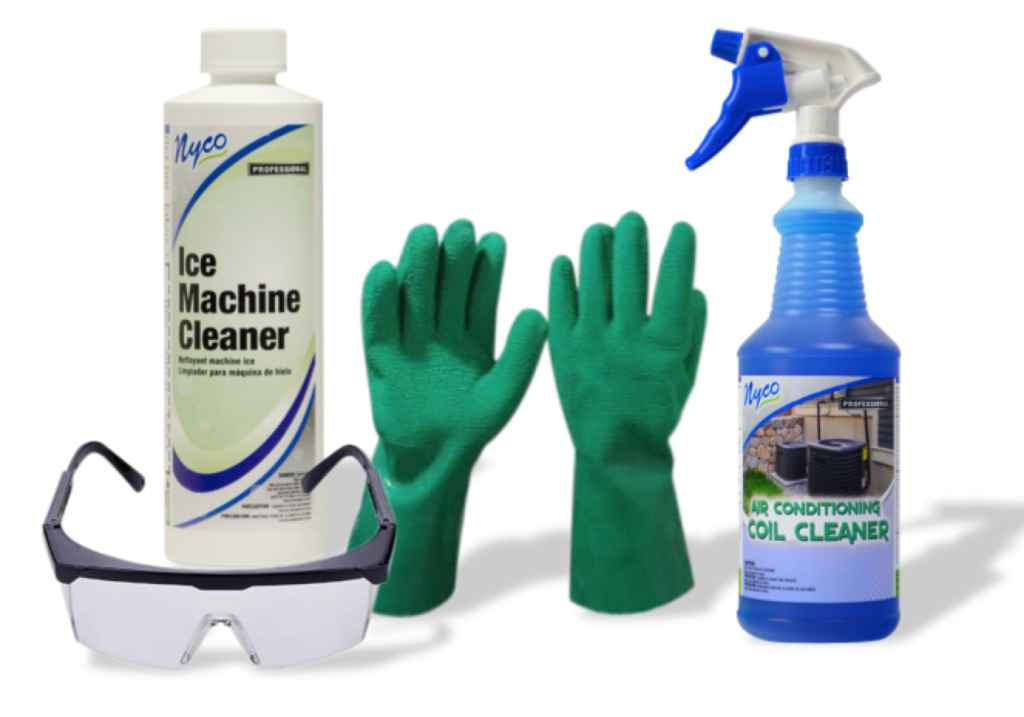
A simple log helps you track when each cleaning was done and spot patterns if problems occur.
Credit: www.nycoproducts.com
Real-world Example: Restaurant Outbreaks
In 2013, a restaurant in the US saw dozens of customers get sick from contaminated ice. Investigators found mold and biofilm inside the ice machine. This case and others have led health departments to focus on ice machine inspections. Regular sanitizing could have prevented illness and protected the business.
Choosing The Right Sanitizer
Not all sanitizers are safe for ice machines. Always look for EPA-registered and food-contact safe products. Never use household bleach unless your manufacturer allows it. Using the wrong sanitizer can damage parts, void your warranty, and even make your ice unsafe.
If you are unsure, check the EPA’s list of approved sanitizers.
Cost And Time Estimates
People often worry about the time and cost of sanitizing an ice machine. Here’s what you can expect:
- Time: 1–2 hours for a full sanitizing, including disassembly and drying
- Cost: $10–$20 for sanitizer and supplies (DIY), or $100–$250 for professional service
These costs are small compared to the cost of illness, lost business, or a broken machine.
Troubleshooting After Sanitizing
Sometimes, issues come up after sanitizing:
- Ice tastes odd: Run two cycles and discard ice to clear residue.
- Machine won’t start: Check connections and that parts are reassembled correctly.
- Leaks: Make sure gaskets and panels are properly sealed.
If problems continue, contact a technician for help.
Frequently Asked Questions
How Often Should I Sanitize My Ice Machine?
Most manufacturers recommend sanitizing every 6 months. In busy places, monthly cleaning is better. Always follow your machine’s specific guidelines.
Can I Use Vinegar To Sanitize My Ice Machine?
Vinegar can help remove mineral deposits, but it does not kill bacteria and viruses. Use only food-safe sanitizers approved for ice machines.
What Happens If I Don’t Sanitize Regularly?
Failing to sanitize can lead to bacteria, mold, and slime buildup. This can make people sick and cause your machine to break down or make bad-tasting ice.
Is It Safe To Use Bleach In My Ice Machine?
Only use bleach if your manufacturer says it’s safe. Bleach can damage some parts and leave harmful residue if not rinsed properly.
How Do I Know If The Sanitizer Is Food-safe?
Look for EPA registration and check that it’s labeled for use on food-contact surfaces. When in doubt, refer to your machine’s manual or the EPA website for approved products.
Keeping your ice machine sanitized is an important part of food safety and equipment care. By following these steps, you protect everyone who uses your ice—and you help your machine last longer and work better. Make sanitizing a regular habit, and your ice will always be clean, clear, and safe.