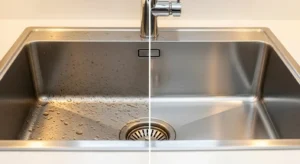
Fixing up your kitchen can feel like a big project, and one common task that might seem tricky at first is learning how to seal a kitchen sink to the countertop. Don’t worry, it’s totally doable! Many people wonder if they can do this themselves without calling a pro, and the answer is yes.
We’ll walk through it step-by-step so you can get that nice, clean finish you’re looking for. Let’s get your sink looking great again!
Why Sealing Your Kitchen Sink Matters
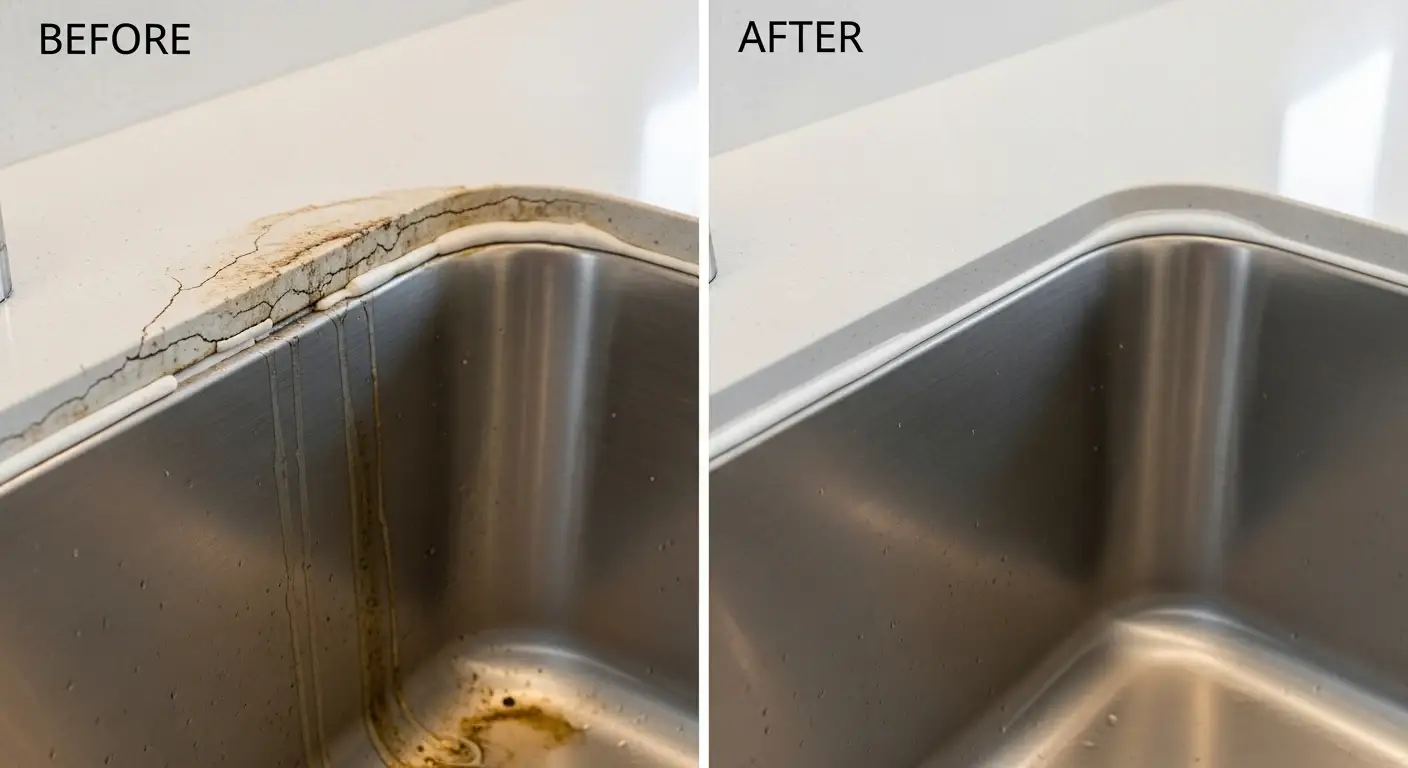
Keeping your kitchen sink properly sealed to the countertop is super important for a few reasons. It’s not just about how it looks, although a good seal definitely makes things look cleaner and more finished. A good seal stops water from getting underneath your sink.
If water seeps down, it can cause a lot of problems over time. It can damage your cabinets, lead to mold and mildew growth, and even weaken the countertop material itself. Think of the seal as a protective barrier.
When a sink isn’t sealed well, you might start to see little puddles of water around the edge after washing dishes. Or maybe you notice the caulk is peeling or cracked. This is your cue that it’s time to fix it.
For many people new to DIY kitchen projects, the idea of getting a perfect, waterproof seal seems hard. They might worry about making a mess or not sealing it tightly enough. But with the right tools and a little patience, it’s a task most homeowners can handle.
What You Need To Seal Your Sink
Before you start, gathering your supplies is key. Having everything ready makes the job go much smoother. You don’t want to be halfway through and realize you’re missing something.
Think of it like prepping for a recipe; good prep makes for good results.
Essential Tools and Materials
Here’s a list of what you’ll likely need:
- Caulk: Make sure to get caulk specifically designed for kitchens and bathrooms. Silicone caulk is usually the best choice because it’s waterproof and flexible. Choose a color that matches your countertop or sink, like white, almond, or clear.
- Caulk Gun: You’ll need a caulking gun to apply the caulk tube evenly.
- Utility Knife or Putty Knife: For removing old caulk.
- Cleaning Supplies: This includes dish soap, water, a sponge, and a clean cloth.
- Rubbing Alcohol: To clean the area one last time before applying new caulk.
- Painter’s Tape (Optional but Recommended): This helps you create neat, straight lines of caulk.
- Caulk Smoothing Tool or Your Finger (with a glove): To create a smooth, professional-looking bead of caulk.
- Paper Towels or Rags: For wiping up any excess caulk.
How To Seal A Kitchen Sink To The Countertop Step-by-Step
Now, let’s get to the main event. Learning how to seal a kitchen sink to the countertop involves a few important steps. We’ll break it down so it’s easy to follow.
Step 1: Removing Old Caulk
If there’s old caulk around your sink, you have to remove it completely. This is a critical step. New caulk won’t stick well to old, dirty caulk.
It also looks messy if you try to cover it up.
Use your utility knife or putty knife to carefully cut along the edge of the old caulk. Gently peel or scrape it away. Work slowly to avoid scratching your countertop or sink.
Once you’ve removed as much as you can, use a damp cloth to wipe away any dust or residue. Make sure the area is completely dry before moving on.
Step 2: Cleaning The Area Thoroughly
A clean surface is absolutely necessary for the new caulk to stick properly and create a waterproof seal. Any grease, soap scum, or dirt will prevent a good bond.
Wash the rim of the sink and the edge of the countertop where the caulk will go with warm, soapy water. Rinse it well. After that, wipe the entire area down with rubbing alcohol.
Alcohol helps to remove any last traces of grease and ensures the surface is perfectly clean and dry. Let it air dry for a few minutes or gently pat it dry with a clean cloth.
Step 3: Applying Painter’s Tape (Optional)
This step is a lifesaver for beginners who want neat caulk lines. Painter’s tape acts as a guide for your caulk.
Carefully place a strip of painter’s tape along the edge of the sink where it meets the countertop. Then, place another strip of tape along the edge of the countertop where it meets the sink. Leave a gap between the two strips that is just slightly wider than the bead of caulk you plan to apply.
This gap will be where the caulk goes. Press the tape down firmly so there are no loose edges that caulk can sneak under.
Step 4: Applying The Caulk
Now it’s time to apply the new caulk. This is where you’ll see the transformation begin.
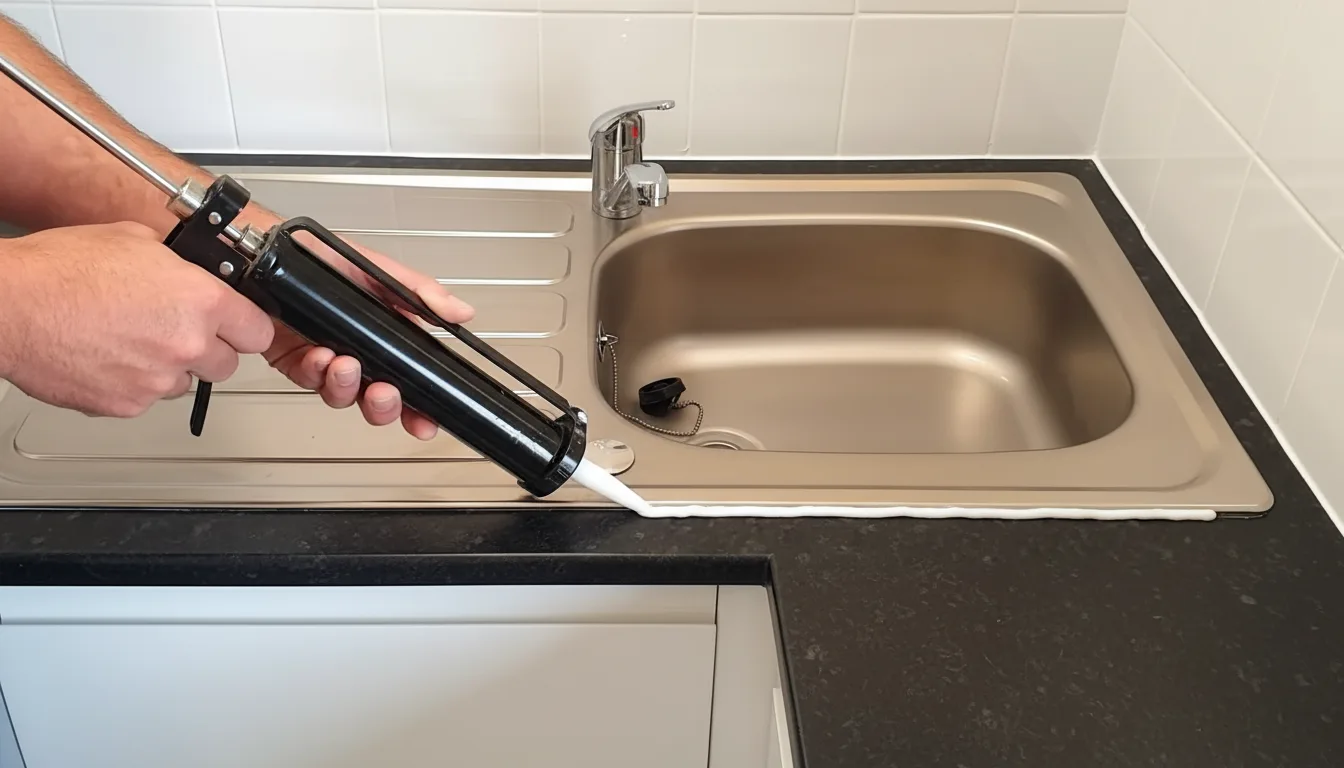
Cut the tip of the caulk tube at a 45-degree angle. Make the opening small at first; you can always cut it larger if needed. You want a bead of caulk that is about the same width as the gap you left with the tape (or about 1/8 to 1/4 inch wide if you didn’t use tape).
Puncture the seal inside the caulk tube if it’s a new tube. Place the tip of the caulk tube into the gap between the sink and countertop. Hold the caulk gun at a steady angle and apply even pressure as you move the gun along the seam.
Try to do this in one continuous motion if possible.
Go all the way around the sink. If you need to stop and start again, try to overlap the bead slightly to ensure a continuous seal. Don’t worry too much about making it perfect yet.
The next step is where you’ll fix that.
Step 5: Smoothing The Caulk
This step is what gives your seal that professional, finished look. It’s also where you make sure the caulk is pressed firmly into the gap to create a watertight seal.
If you used painter’s tape, you’ll want to remove it right after you apply the caulk, before it starts to dry. If you didn’t use tape, or if you’re smoothing over the tape, use a caulk smoothing tool or a damp finger (wearing a glove is a good idea) to gently press and shape the caulk bead. Start at one end and move along the seam, smoothing out any bumps or ridges.
Wipe away any excess caulk that squeezes out onto the tape or countertop with a damp paper towel immediately.
The goal is to create a clean, slightly concave or flat bead that fills the gap completely. This pushes the caulk into any small spaces, ensuring no water can get through.
Step 6: Cleaning Up
Once you’ve smoothed the caulk and removed any excess, it’s time for a final cleanup. This will make your work look tidy and professional.
If you used painter’s tape, carefully peel it away now, pulling it at an angle away from the fresh caulk. This should leave you with a perfectly straight line. Use a damp cloth or paper towel to wipe up any smudges or stray caulk.
Make sure all tools are cleaned of caulk residue before it dries.
Step 7: Letting The Caulk Cure
This is perhaps the most important, and often the hardest, step for impatient DIYers. You have to let the caulk dry completely.
Check the caulk manufacturer’s instructions for the exact drying and curing times. Generally, caulk needs at least 24 hours to cure fully, but some types might take longer. During this time, avoid getting the caulk wet.
Try not to use the sink or splash water onto the newly sealed area. Once it’s fully cured, your sink will be securely sealed and protected from water damage.
Maintaining Your Sink Seal
Once you’ve mastered how to seal a kitchen sink to the countertop, a little bit of ongoing care will keep it looking great and working well for a long time. It’s really not complicated; just a few simple habits can make a big difference.
After each use, especially if you’ve been doing a lot of cooking or cleaning, give the edges of the sink a quick wipe. This helps prevent soap scum and grime from building up. You can use a soft cloth and a bit of mild dish soap.
Avoid using harsh abrasive cleaners or scrub brushes directly on the caulk, as these can wear it down over time.
Periodically check the caulk line for any signs of cracking, peeling, or mold. If you notice any issues, it’s better to address them sooner rather than later. Small problems are much easier to fix than large ones.
If you see a small crack, you might be able to repair it with a thin bead of new caulk after cleaning the area. If the caulk is severely damaged or looks moldy, you might need to remove it and reapply a fresh seal, following the steps we discussed earlier.
By taking these small steps, you’ll help ensure your kitchen sink stays properly sealed, preventing water damage and keeping your kitchen looking clean and fresh.
Frequently Asked Questions
Question: What kind of caulk should I use to seal my kitchen sink?
Answer: For sealing a kitchen sink to the countertop, it’s best to use a 100% silicone caulk or a siliconized acrylic latex caulk. These types are waterproof, flexible, and resistant to mildew, which are all important qualities for a kitchen environment. Always check the product label to ensure it’s suitable for kitchen and bathroom use.
Question: How long does it take for caulk to dry after sealing the sink?
Answer: Drying and curing times can vary depending on the type of caulk and humidity levels. Most caulks are dry to the touch within a few hours, but they typically need at least 24 hours to fully cure and achieve their maximum water resistance. Always check the manufacturer’s instructions on the caulk tube for specific drying times.
Question: Can I seal my sink even if it has an existing damaged caulk line?
Answer: Yes, you can. However, it’s crucial to remove all of the old, damaged caulk first. Applying new caulk over old caulk will not create a proper seal and can lead to water damage and mold.
Ensure the surface is clean and dry before applying the new caulk.
Question: How do I get a smooth caulk line if I’m not using painter’s tape?
Answer: Applying caulk without tape takes a bit of practice. Load the caulk gun evenly, and try to apply a consistent bead. For smoothing, you can use a caulk-smoothing tool, or a gloved finger dipped in water.
Gently run your finger or tool along the bead to shape it and press it into the gap. Wipe away excess caulk immediately with a damp cloth.
Question: My new caulk is peeling after a few weeks. What did I do wrong?
Answer: Peeling caulk usually means the surface was not properly cleaned or prepared before application, or the caulk was not given enough time to cure. Make sure you removed all old caulk and residue, cleaned the area thoroughly with rubbing alcohol, and allowed the new caulk to cure for the full recommended time before exposing it to water.
Final Thoughts
You now know how to seal a kitchen sink to the countertop. This process protects your cabinets from water damage and keeps your kitchen looking fresh. Removing old caulk, cleaning well, applying new caulk evenly, and letting it cure are the key steps.
You can achieve a neat, watertight seal yourself.

I’m Loretta Evans, and I lead the Rice Cooker and Kitchen Tools section. I test every product in real home kitchens to see how it truly performs in everyday use.
My goal is simple: to give you clear, honest advice so you can choose reliable tools that make cooking easier.