A clogged double kitchen sink is a common household problem that can happen to anyone. It can be frustrating when both sides of your sink are backed up, especially if you’re not used to dealing with plumbing issues. This guide will walk you through simple steps to fix it.
You don’t need to be a plumbing expert to get your sink draining again. We’ll show you exactly what to do, step by step, so you can get back to your kitchen chores without the mess.
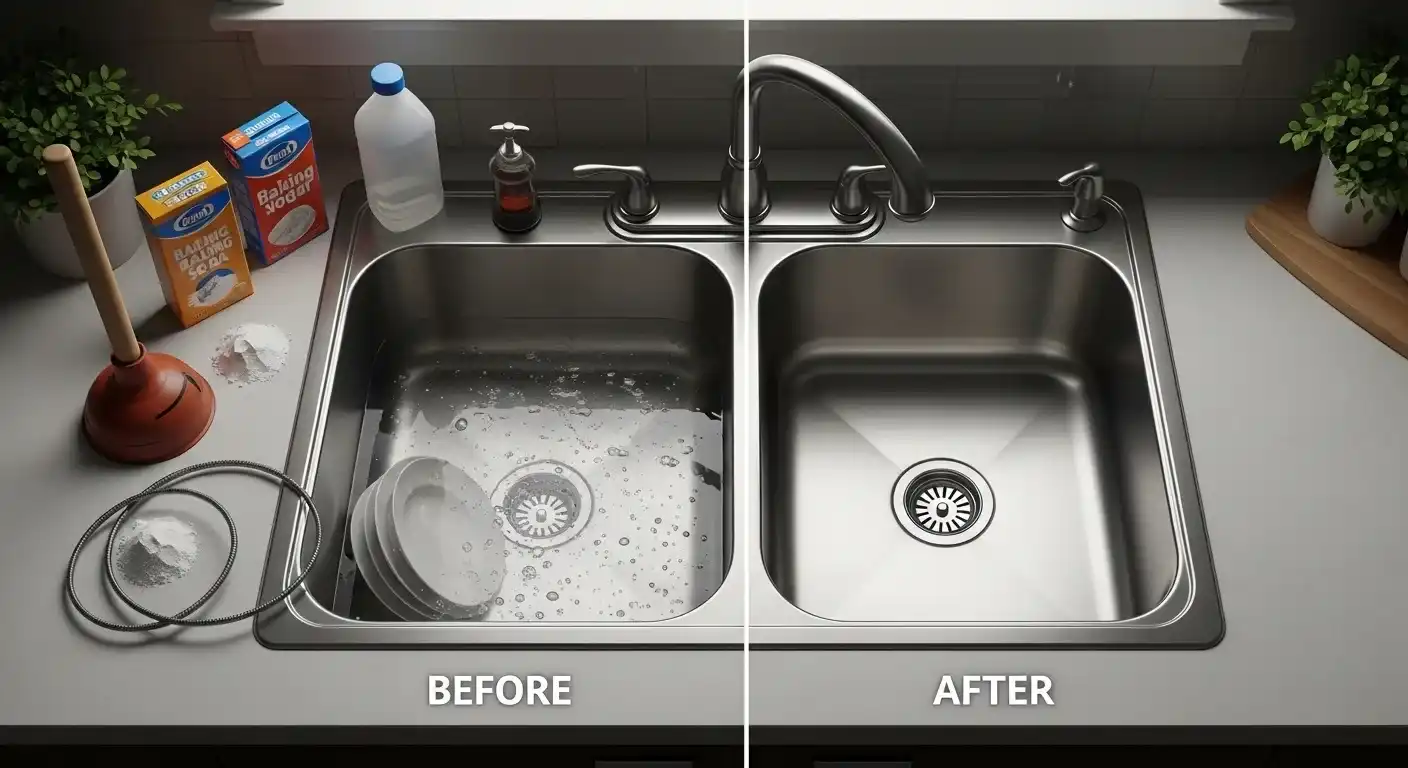
Key Takeaways
- You will learn simple methods for clearing blockages in a double kitchen sink.
- Discover how to use common household items to fix a clogged sink.
- Understand when it’s time to call a professional plumber for persistent clogs.
- Learn preventative measures to avoid future sink blockages.
- Gain confidence in tackling minor plumbing problems yourself.
Understanding Double Kitchen Sink Clogs
Double kitchen sinks often clog because of the way they are plumbed. Typically, both drains connect to a single pipe that leads to your main sewer line. When something blocks this shared pipe, both sinks start to back up.
This can be caused by grease, food particles, hair, and even small objects that slip down the drain. For beginners, the idea of dealing with plumbing can seem tricky, but most clogs are surprisingly simple to resolve with the right approach. We’ll break down how to unclog a double kitchen sink into easy, manageable steps.
Why Double Sinks Clog Easily
The design of a double sink means that problems in one drain can quickly affect the other. This happens because the two separate drains usually meet at a central point before emptying into a single waste pipe. If this junction or the pipe downstream gets blocked, water from either sink will have nowhere to go, leading to a backup in both.
The most common culprits are things that don’t break down easily or that accumulate over time.
Grease and oil are major offenders. When hot grease is poured down the drain, it appears liquid. However, as it cools inside the pipes, it solidifies and sticks to the pipe walls.
Over time, this buildup narrows the pipe and traps other debris, creating a significant clog. Food scraps, especially starchy items like rice or pasta, can also swell and create blockages. Coffee grounds and eggshells are notorious for creating dense, hard-to-clear obstructions.
Hair, while more common in bathroom sinks, can also find its way into kitchen drains and contribute to clogs. Small, non-biodegradable items, like twist ties from bread bags or small pieces of plastic, can also get washed down and lodge themselves in the pipes. The combined effect of these materials is what makes a double sink prone to backing up quickly when there’s a blockage in the shared drain line.
Common Causes of Kitchen Sink Blockages
Several everyday kitchen activities can lead to sink clogs. One of the most frequent causes is pouring grease, fats, and oils directly down the drain. While they are liquid when hot, they solidify as they cool, coating the inside of pipes and trapping food particles.
This buildup is a primary reason for slow drains and complete blockages.
Food debris is another major contributor. Items like coffee grounds, eggshells, pasta, rice, and vegetable peels do not break down easily in plumbing systems. When these get washed down the drain, they can accumulate and form a dense mass that obstructs water flow.
Even with garbage disposals, it’s important to use them properly and avoid putting in things they are not designed to handle.
Other items that can cause clogs include soap scum, which builds up over time, and foreign objects accidentally dropped down the drain. Sometimes, external factors like tree roots growing into underground pipes can also restrict water flow, although this is less common for sink clogs specifically and more for main sewer line issues.
Signs of a Clogged Double Sink
The first sign you’ll notice is that water drains slowly from one or both sinks. You might also hear gurgling noises coming from the drain when you run water or when other appliances, like a dishwasher, are using water. If one sink is full and you open the faucet in the other, the water level in the full sink might rise, indicating a shared blockage.
Bad odors emanating from the drain are another common symptom. This is usually due to trapped food particles decomposing and releasing unpleasant smells. In more severe cases, you might see standing water that doesn’t drain at all, leaving both sinks unusable.
If you notice these signs, it’s time to take action to clear the blockage.
Easy Methods for Unclogging Your Sink
Before you reach for harsh chemicals, there are several simple and effective methods you can try to unclog your double kitchen sink. These often involve common household items and basic tools. It’s always best to start with the least invasive methods first to avoid potential damage to your pipes.
Using Boiling Water
Boiling water can be surprisingly effective at breaking down grease and soap scum that are common causes of clogs. It’s a simple, chemical-free approach that can loosen up obstructions.
To try this method, first, remove as much standing water as possible from the sink. You can use a cup or small bucket to bail it out. Then, carefully pour a pot of boiling water directly down the drain.
Be cautious to avoid splashing yourself, as boiling water can cause severe burns. Wait a few minutes for the hot water to work. If the clog is due to grease, this might be enough to melt it away and allow the water to flow freely again.
You might need to repeat this process a couple of times for stubborn clogs. If the clog persists after a few attempts, move on to other methods.
It’s important to note that this method is most effective for clogs caused by grease and soap. It may not be as successful for clogs caused by solid food debris or foreign objects. Also, avoid using boiling water if you have PVC pipes that are older or have visible damage, as extreme heat could potentially warp or weaken them.
For most modern plumbing systems, however, boiling water is a safe and gentle first step.
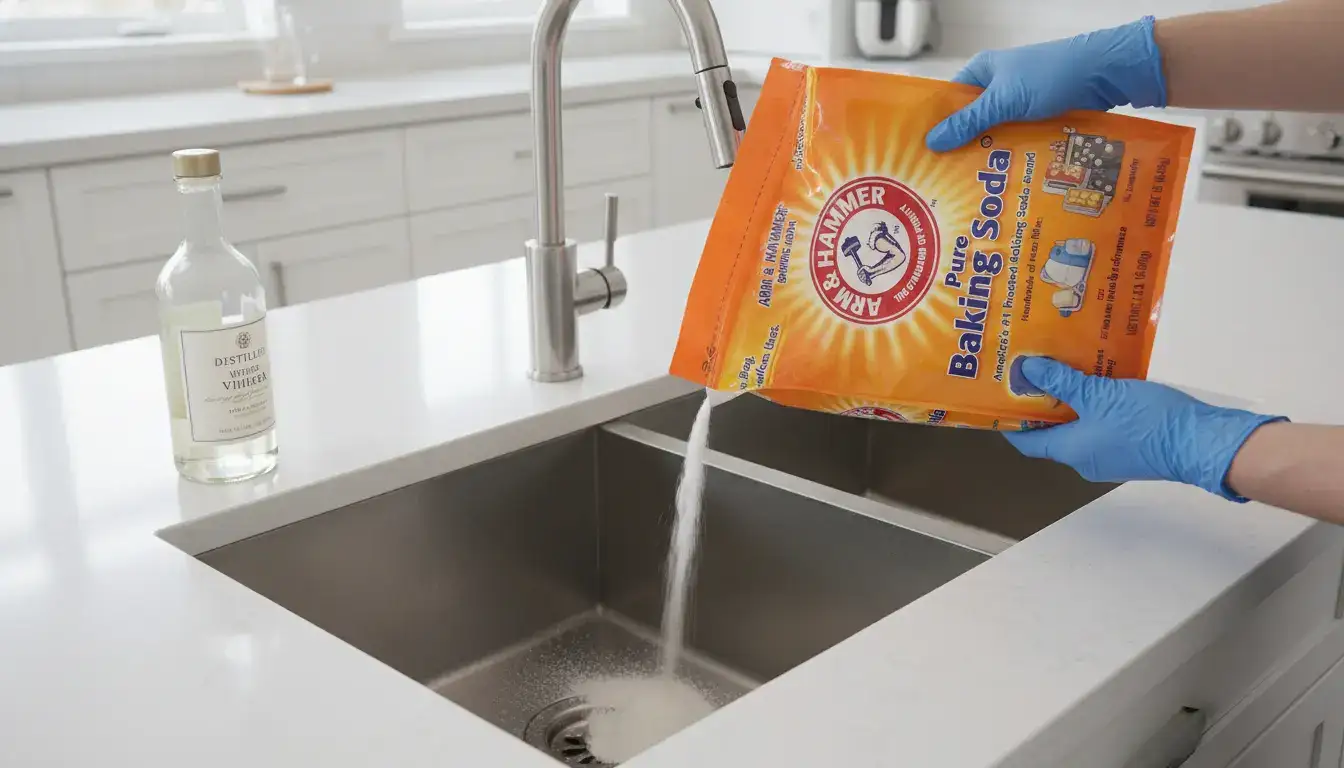
The Baking Soda and Vinegar Method
This is a classic DIY solution for clogs and is very effective for breaking down grime and deodorizing your pipes. The chemical reaction between baking soda and vinegar creates fizzing that can help dislodge blockages. It’s an eco-friendly and safe alternative to chemical drain cleaners.
Start by bailing out any standing water from the sink. Pour about half a cup of baking soda directly into the drain opening. Make sure it gets down into the pipe as much as possible.
Next, pour about one cup of white vinegar over the baking soda. You will immediately see a fizzing and bubbling reaction. This is the vinegar and baking soda working together.
Immediately cover the drain opening with a stopper or a wet cloth to trap the reaction inside the pipes, forcing it to work on the clog. Let it sit for at least 15-30 minutes, or longer for tougher clogs. After the waiting period, pour another pot of hot (not necessarily boiling) water down the drain to flush away the loosened debris.
You may need to repeat this process if the clog is significant.
The reaction between baking soda (a base) and vinegar (an acid) produces carbon dioxide gas. This gas creates pressure within the pipe, helping to push and break up the clog. It’s also great for cleaning the pipes and eliminating odors.
For double sinks, you can repeat this process for both drains. Ensure you cover both drains simultaneously if you suspect the clog is in the shared pipe. This method is safe for most types of plumbing, including PVC and metal pipes.
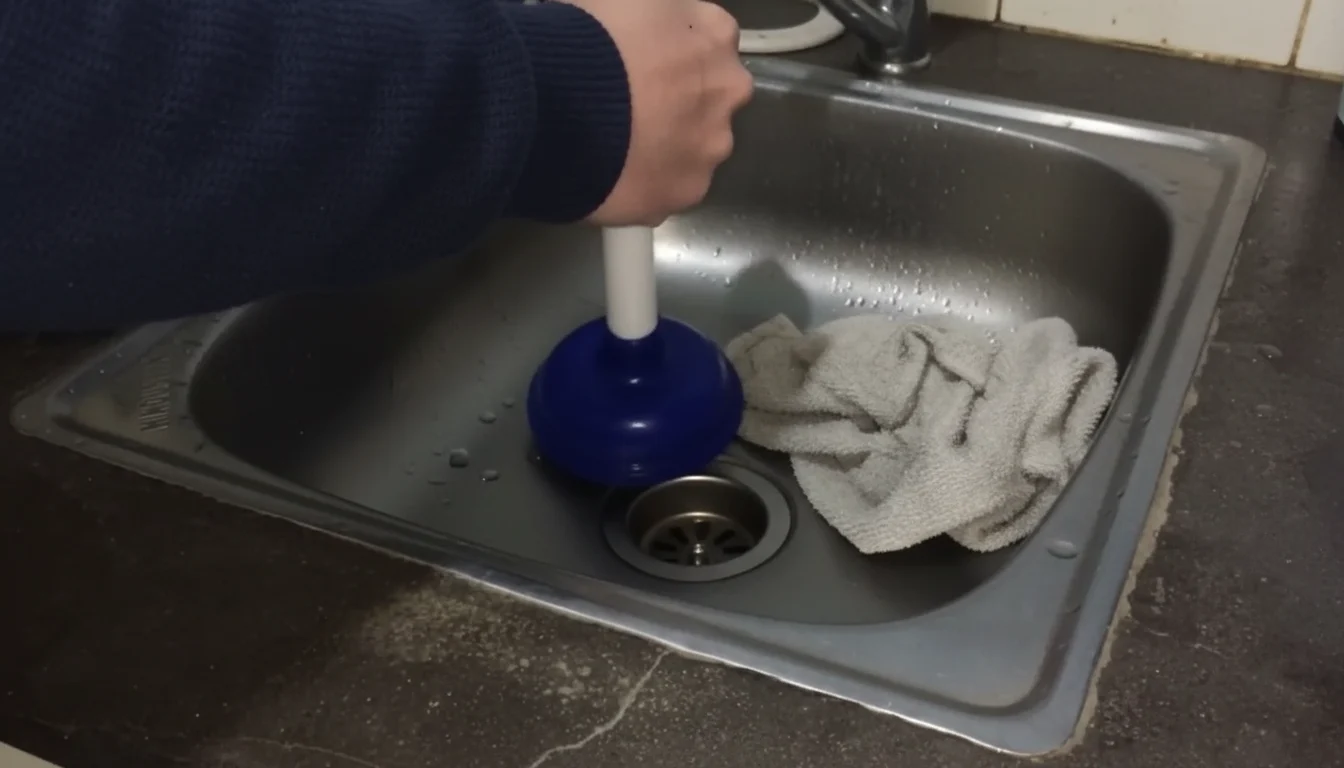
Using a Plunger
A plunger is one of the most effective tools for clearing sink clogs. The suction and pressure it creates can dislodge obstructions that other methods can’t. For a double sink, you’ll need to ensure you create a good seal to get the best results.
To unclog a double sink with a plunger, you’ll need a cup plunger. First, remove any standing water from the sink. If one sink is completely blocked, fill it with a few inches of water to help create a seal for the plunger.
Now, the key for a double sink is to block the other drain. Stuff a wet rag tightly into the second drain opening. This ensures that the pressure from the plunger is directed towards the clog in the first sink.
Place the plunger cup firmly over the drain opening, ensuring a tight seal. Push down and pull up vigorously several times. You’re trying to create a strong suction that will pull the clog loose.
After several plunges, quickly pull the plunger up and listen for a clearing sound. Remove the rag from the other drain and run water to see if it drains properly. If it doesn’t, repeat the process, or try plunging the other sink if the clog seems to be there.
The effectiveness of a plunger lies in its ability to create alternating positive and negative pressure in the pipe. The plunging action forces water back and forth, which can break apart obstructions or pull them loose. A good seal is critical.
If you have a flange plunger (designed for toilets), it won’t work well in a sink. A standard cup plunger is what you need. If the water is draining very slowly, you might not need to remove all of it before plunging.
The presence of water helps transmit the pressure effectively.
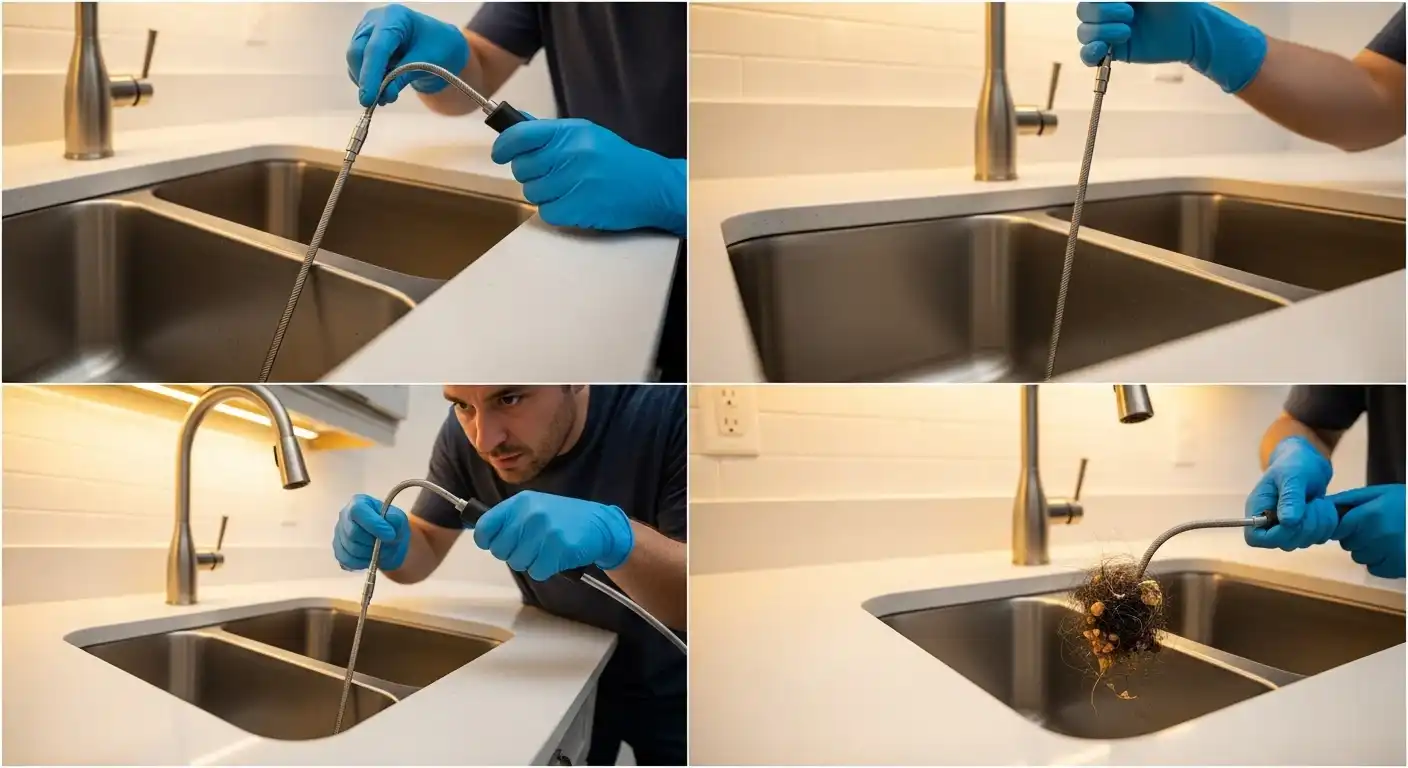
Using a Drain Snake or Auger
If simpler methods like boiling water, baking soda and vinegar, or plunging don’t work, a drain snake (also called a plumber’s snake or auger) is the next step. This tool is designed to reach deeper into pipes and physically break up or retrieve clogs.
A drain snake is a flexible cable that you feed into the drainpipe. At the end of the cable is a coil or hook that can grab onto or break apart blockages. For a double sink, you’ll feed the snake down one drain.
Push the snake into the pipe until you encounter resistance, which indicates the clog. Once you feel the clog, rotate the handle of the snake. This will cause the coil to twist and dig into the obstruction.
You may need to push and pull the snake gently while rotating to break it up. After you’ve worked on the clog for a bit, slowly pull the snake back out. You might be able to pull some debris out with the snake.
Once you think the clog is cleared, run hot water down the drain to flush away any remaining debris. If the clog is still present, try feeding the snake again, or if you have a double sink, you might need to try the other drain if you suspect the clog is further down the shared line.
There are manual drain snakes, which you turn by hand, and electric drain snakes, which are more powerful. For most home use, a manual snake is sufficient. It’s important to handle the snake carefully to avoid damaging your pipes.
When feeding it into the drain, do so slowly and avoid forcing it if you meet significant resistance that doesn’t feel like a clog. Some snakes have different types of heads, like corkscrew or barbed ends, which can be more effective for certain types of clogs.
Advanced Unclogging Techniques
When the common methods aren’t enough, or if you have persistent issues, there are more advanced techniques you can explore. These might involve specific tools or a deeper understanding of your plumbing. It’s always a good idea to proceed with caution and consider calling a professional if you’re unsure.
Cleaning the P-Trap
The P-trap is the U-shaped pipe located directly beneath your sink. Its purpose is to hold a small amount of water, which creates a seal that prevents sewer gases from entering your home. Clogs often occur in this trap because it’s a common place for debris to accumulate.
To clean the P-trap, you’ll need a bucket to catch any water and debris, and likely a pair of pliers or a wrench to loosen the slip nuts that hold the trap in place. First, place the bucket directly underneath the P-trap. Then, carefully loosen the slip nuts on either side of the U-bend.
Be prepared for water to drain out. Once the trap is removed, empty its contents into the bucket and clean it thoroughly. You can use a brush to scrub away any buildup.
Check the pipes leading into and out of the P-trap for any visible blockages. Once clean, reassemble the P-trap, tightening the slip nuts snugly but not overtightening them. Run water down the sink to check for leaks and ensure it drains properly.
If the clog was in the P-trap, this will likely resolve the issue.
The P-trap is designed to catch heavier debris and prevent it from entering the main plumbing lines. This makes it a common spot for clogs. If you notice your sink is draining slowly but the clog isn’t in the visible drain or P-trap, it’s likely further down the line.
Cleaning the P-trap is a relatively straightforward task that can save you from calling a plumber for many common clogs. Make sure to place the bucket correctly to avoid a mess.
Using a Wet/Dry Vacuum
A wet/dry vacuum can be surprisingly effective at clearing clogs by using suction to pull the blockage out of the pipe. This method works best if you can create a good seal around the drain.
First, you’ll need to set your wet/dry vacuum to the “wet” setting. Then, remove as much standing water as possible from the sink. You’ll need to block the other drain in your double sink, just like you would when using a plunger.
A damp cloth stuffed tightly into the second drain works well. Next, create a seal between the vacuum hose and the drain opening of the clogged sink. You can use a plunger head as an adapter or simply wrap the hose tightly with a towel and hold it firmly in place.
Turn on the vacuum and let it run for a minute or two. You should hear it sucking up water and potentially debris. Turn off the vacuum, remove the hose, and check if the drain is clear by running water.
You may need to repeat this process several times. This method is particularly good for clogs that are not too deep in the pipe system.
The suction created by a powerful wet/dry vacuum can pull out a variety of debris, from food particles to grease buildup. It’s a good option when plunging doesn’t seem to be creating enough force. The key is maintaining that seal.
If the hose doesn’t fit snugly, you can use duct tape or a rubber gasket to help create a better connection. Ensure the vacuum bag is not overly full, as this can reduce its suction power. This method is also useful for flushing out loosened debris after using other methods like baking soda and vinegar.
Chemical Drain Cleaners A Word of Caution
While chemical drain cleaners are readily available, they should be used as a last resort and with extreme caution. These products contain harsh chemicals that can dissolve clogs but can also damage your pipes, harm your skin and eyes, and are bad for the environment.
If you decide to use a chemical drain cleaner, always follow the manufacturer’s instructions precisely. Wear protective gloves and eye protection, and ensure good ventilation in your kitchen. Never mix different drain cleaners, as this can create dangerous fumes.
Pour the recommended amount into the clogged drain, let it sit for the specified time, and then flush with water as directed. For double sinks, you might need to treat both drains. Be aware that if the clog is a solid obstruction, chemicals may not be effective and could simply create a pool of corrosive liquid in your pipes.
The risks associated with chemical drain cleaners are significant. They can corrode metal pipes, especially older ones, and damage PVC pipes with prolonged exposure. If the chemical cleaner doesn’t work, you’ll be left with a sink full of caustic chemicals, making it harder and more dangerous for a plumber to fix.
Many plumbers advise against using them altogether. If you’re struggling with a persistent clog, it’s often safer and more effective to call a professional plumber.
When to Call a Professional Plumber
While many sink clogs can be fixed with DIY methods, there are times when it’s best to call in a professional plumber. Recognizing these situations can save you time, money, and potential damage to your plumbing system.
Persistent Clogs Despite Your Efforts
If you’ve tried multiple methods, including boiling water, baking soda and vinegar, plunging, and even a drain snake, and the clog remains, it’s a clear sign that you need professional help. This could indicate a more serious blockage deep within your plumbing system or a problem with the main sewer line that is affecting multiple fixtures in your home.
Plumbers have access to specialized equipment, such as powerful drain augers, hydro-jetting machines, and video cameras that can inspect your pipes. These tools allow them to accurately diagnose the cause of the clog and remove it efficiently. Trying to force the issue with more DIY methods when a clog is severe can sometimes worsen the problem or cause pipe damage.
Also, if you notice clogs occurring frequently in your sink, it might be a symptom of an underlying issue that needs professional attention. Recurring clogs can indicate a partially collapsed pipe, improper pipe slope, or an accumulation of debris in a main sewer line that requires professional cleaning.
Multiple Fixtures Affected
If you notice that more than just your kitchen sink is having draining issues, it’s likely a problem with your main sewer line. This could affect toilets, showers, and other sinks in your home. A clog in the main line is a significant issue that requires professional intervention.
When multiple fixtures are backing up, it suggests that the shared pathway for all your home’s wastewater is obstructed. This is not a DIY fix. Attempting to clear a main line clog without the proper equipment and knowledge can be dangerous and could cause extensive damage to your plumbing system and home.
Professional plumbers have the tools and expertise to locate and clear these types of blockages, often using powerful augers or high-pressure water jetting.
Signs of a main sewer line clog include sewage backing up into low-lying drains (like floor drains in basements or showers), or toilets overflowing when other fixtures are used. In such cases, it’s crucial to stop using all water fixtures immediately and call a plumber right away to prevent further damage and potential health hazards.
Signs of Pipe Damage
If you suspect your pipes are damaged, it’s essential to call a plumber. Signs of pipe damage can include recurring leaks, strange noises coming from your walls, or a persistent musty odor that might indicate hidden water damage. Older homes, especially those with metal pipes, can be more prone to corrosion and breakage.
A plumber can perform a thorough inspection of your plumbing system, including using video cameras to see inside your pipes. If damage is found, they can recommend the best course of action, whether it’s repairing a section of pipe or repiping your home. Trying to DIY repairs on damaged pipes can lead to more significant problems and costly water damage.
Furthermore, if you’ve used chemical drain cleaners and the clog persists, the chemicals may have already caused some degree of pipe degradation. In such situations, a professional assessment is crucial to ensure the integrity of your plumbing system. They can also advise on preventative measures based on the condition of your pipes.
Preventing Future Sink Clogs
The best way to deal with a clogged sink is to prevent it from happening in the first place. Implementing a few simple habits can go a long way in keeping your kitchen sink draining smoothly.
Proper Food Disposal Habits
Be mindful of what goes down your kitchen sink. Avoid pouring grease, fats, and oils down the drain. Instead, collect them in a container and dispose of them in the trash once they solidify.
For food scraps, scrape as much as possible into the garbage or compost bin before rinsing dishes.
Even if you have a garbage disposal, it’s not a license to put everything down the drain. Avoid fibrous foods like celery or corn husks, starchy foods like rice and pasta in large quantities, and hard items like fruit pits or bones. These can all contribute to clogs, even with a disposal.
If you use your disposal regularly, run cold water down the drain while using it and for about 30 seconds afterward to help flush away any ground-up debris.
Regularly running hot water down the drain can help to keep grease from solidifying inside the pipes. You can also periodically clean your drains using the baking soda and vinegar method, even when they aren’t clogged, to keep them clear of buildup.
Using Sink Strainers
Sink strainers are simple, inexpensive tools that can make a big difference. They fit into your drain openings and catch food particles and other debris before they can enter the pipes.
Make sure to empty the strainer regularly, preferably into the trash or compost bin. Don’t let the collected debris sit in the strainer for too long, as it can start to smell or even clog the strainer itself. Clean the strainer thoroughly after emptying it.
For double sinks, ensure you have strainers for both drains. This small habit can prevent a significant amount of material from ever reaching your pipes, greatly reducing the likelihood of clogs.
Investing in good quality strainers that fit your drains well is worthwhile. Some strainers are designed to catch finer particles, offering even better protection. Regularly cleaning your strainers and the surrounding drain area can also help maintain good drainage and hygiene.
Regular Drain Maintenance
Don’t wait until you have a clog to think about your drains. Performing routine maintenance can keep them clear and functioning optimally. Once a month, you can pour a cup of baking soda down each drain, followed by a cup of white vinegar.
Let it sit for about 15-30 minutes, then flush with hot water.
This simple routine helps to break down any minor grease buildup and keeps your drains smelling fresh. It’s a proactive measure that can prevent small issues from becoming big clogs. If you notice a slight slowdown in drainage, it’s a good indicator that your drains could use a little maintenance.
Addressing it early can save you from a full blockage.
Another aspect of maintenance is being aware of what your garbage disposal can handle. Periodically running cold water with some ice cubes through the disposal can help to clean the grinding chamber and sharpen the blades. You can also grind citrus peels for a fresh scent.
Regular care ensures your plumbing system runs smoothly and prevents unexpected problems.
Frequently Asked Questions
Question: How often should I use the baking soda and vinegar method for maintenance?
Answer: For regular maintenance to prevent clogs, using the baking soda and vinegar method once a month is generally sufficient for most households.
Question: Can I use a toilet plunger for my kitchen sink?
Answer: It’s best to use a cup plunger designed for sinks. A toilet plunger has a flange that won’t create a good seal in a sink drain.
Question: What should I do if boiling water doesn’t clear the clog?
Answer: If boiling water doesn’t work, the clog might be caused by something other than grease or soap scum. Try the baking soda and vinegar method or a plunger next.
Question: Is it safe to pour bleach down the kitchen sink?
Answer: While bleach can disinfect, it’s not the best or safest option for unclogging drains. It can damage pipes and is harmful if mixed with other chemicals.
Question: How can I tell if the clog is in the P-trap or further down the line?
Answer: If cleaning the P-trap resolves the issue, the clog was in the trap. If water still drains slowly or backs up after cleaning the trap, the clog is likely further down the shared pipe.
Wrap Up
Dealing with a double kitchen sink clog doesn’t have to be a major headache. By understanding the common causes and using simple, effective methods like boiling water, baking soda and vinegar, or a plunger, you can often clear the blockage yourself. Remember to always practice good prevention by being mindful of what goes down your drains and using sink strainers.
If DIY efforts fail or if multiple fixtures are affected, don’t hesitate to call a professional plumber for a safe and efficient resolution.

I’m Loretta Evans, and I lead the Rice Cooker and Kitchen Tools section. I test every product in real home kitchens to see how it truly performs in everyday use.
My goal is simple: to give you clear, honest advice so you can choose reliable tools that make cooking easier.