A clogged kitchen sink can quickly stop your daily routine. Dirty water collects, dishes pile up, and bad smells fill the kitchen. Many people think they need harsh chemicals or a plumber. But there’s a simple, safe, and cheap solution already in your home: baking soda and vinegar. This method works for many common clogs, and it’s safe for your pipes and the environment.
You might have seen baking soda and vinegar bubble in a science class. But this reaction also helps remove food, grease, and other blockages from your kitchen drain. People have used this trick for decades, yet most homeowners don’t know the best way to do it.
Some use the wrong amounts or skip important steps, making the process less effective.
This guide will show you exactly how to unclog a kitchen sink with baking soda and vinegar. You’ll learn why it works, step-by-step instructions, safety tips, and what to do if the clog won’t clear. You’ll also find answers to common questions and tips to help prevent future clogs. Even if you’ve never fixed a sink before, you’ll feel confident handling this problem yourself.
Why Use Baking Soda And Vinegar To Unclog A Kitchen Sink?
Many cleaning products contain strong chemicals that can harm your pipes and the environment. Baking soda and vinegar are different. They are safe, eco-friendly, and affordable. But why do they work on clogs?
When you pour baking soda (a base) and vinegar (an acid) down your drain, they react and create bubbles. This fizzing action helps loosen food, grease, and soap that stick to your pipes. The mixture is gentle, so it won’t damage your plumbing.
How The Chemical Reaction Works
- Baking soda is sodium bicarbonate.
- Vinegar is acetic acid.
- When mixed, they form carbon dioxide gas and water.
- The fizz helps push soft clogs away.
This reaction doesn’t dissolve solid objects, but it’s excellent for breaking up sticky build-up. For tough clogs, you might need to repeat the process or use other tools.
Benefits Over Chemical Drain Cleaners
Many store-bought drain openers contain sodium hydroxide (lye) or sulfuric acid. These can:
- Damage plastic or old metal pipes
- Release harmful fumes
- Cause burns if spilled
Baking soda and vinegar are safe to touch, and you can use them even with a septic system. They’re also much cheaper, costing just a few dollars per use.
Common Causes Of Kitchen Sink Clogs
Understanding why your sink clogs can help you prevent future problems. Most kitchen drain blockages happen for a few simple reasons:
- Grease build-up: Fats from cooking oils or butter solidify in pipes.
- Food scraps: Small bits of rice, coffee grounds, or vegetables slip down the drain.
- Soap scum: Soap combines with minerals in water, making a sticky layer.
- Foreign objects: Small items like toothpicks or twist ties get stuck.
- Mineral deposits: Hard water leaves behind scale that narrows pipes.
Not all clogs are the same. Some are near the drain opening, while others form deep in the pipes. Baking soda and vinegar are best for soft, organic clogs—not for large solid objects or roots.
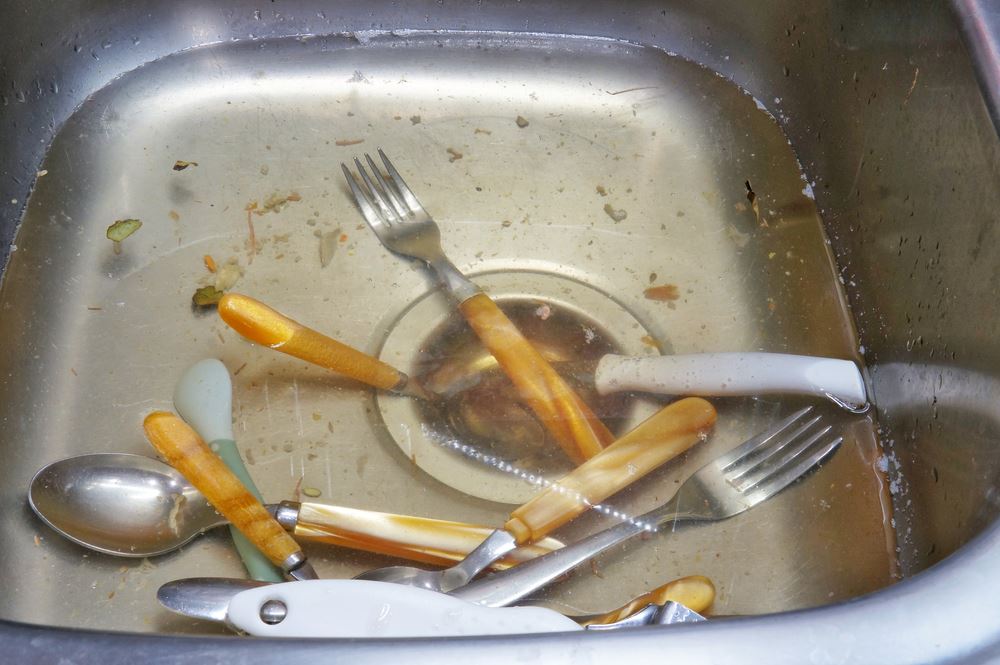
Credit: www.serviceoneac.com
What You’ll Need
You don’t need special equipment for this method. Gather these items before you start:
- 1 cup baking soda (sodium bicarbonate)
- 1 cup white vinegar
- Boiling water (at least 2 quarts or liters)
- A measuring cup
- A sink stopper or rag
- A kettle or pot for boiling water
- Rubber gloves (optional, for safety)
- A cup or bowl to remove standing water if needed
Some people also use a plunger to help, but it’s not required for the baking soda and vinegar method.
Step-by-step: How To Unclog A Kitchen Sink With Baking Soda And Vinegar
Follow these steps closely for the best results. Don’t rush, and let the mixture work before rinsing.
1. Remove Standing Water
If your sink is full of water, the baking soda and vinegar won’t reach the clog. Use a cup or small bowl to scoop out as much as possible. Pour it into another sink, bucket, or toilet. Wear gloves if the water is dirty.
If only a little water is left, it’s usually fine. The process still works, but the bubbling may be less strong.
2. Pour In Baking Soda
Measure one cup of baking soda. Pour it directly into the drain. Try to get as much down the pipe as you can. If the sink is a double basin, focus on the side that drains slowest.
If the powder sticks to the drain opening, use a spoon or your fingers (with gloves) to push it down.
3. Add Vinegar
Next, measure one cup of white vinegar. Pour it slowly into the drain right after the baking soda. You’ll hear fizzing and see bubbles. This is normal—it’s the chemical reaction at work.
Plug the drain with a stopper or a wet rag. This keeps the reaction inside the pipe, making it more powerful against the clog.
Wait at least 15 to 20 minutes. For stubborn clogs, let it sit up to an hour.
4. Flush With Boiling Water
Boil at least 2 quarts (about 2 liters) of water. After the waiting time, carefully pour the boiling water down the drain. The hot water helps wash away loosened grease and food particles.
If the sink drains slowly, repeat this step one more time.
5. Test The Drain
Run the tap on hot for a few seconds. If the water drains smoothly, you’re done. If it’s still slow, repeat the process. Most clogs clear after one or two treatments.
If the water won’t drain at all, you may need a plunger, a plumbing snake, or professional help.
Important Tips For Best Results
Many people try baking soda and vinegar, but don’t get good results because of small mistakes. Here’s how to get the most from this method:
- Use boiling water: Hot tap water is not enough. Boiling water melts grease and helps clear soft clogs.
- Don’t skip the waiting time: The fizz needs time to work on build-up.
- Clear both sides of a double sink: If you have two basins, block one side with a stopper and work on the other.
- Repeat if needed: Some clogs need two or three rounds.
- Don’t mix with chemical cleaners: Never use baking soda and vinegar right after chemical drain openers. This can cause dangerous fumes.
Comparing Baking Soda And Vinegar To Other Methods
You might wonder how this method compares to plungers, snakes, or chemicals. This table shows the main differences:
| Method | Safety | Cost | Effectiveness | Best for |
|---|---|---|---|---|
| Baking soda & vinegar | Very safe | Low | Good for soft clogs | Food, grease, soap |
| Plunger | Safe | Low (if you own one) | Strong for most clogs | Food, soft objects |
| Plumbing snake | Safe, needs care | Medium (buy/rent tool) | Best for tough/deep clogs | Hair, hard objects |
| Chemical cleaner | Risky (can burn skin/pipes) | Medium | Strong for grease, not all clogs | Grease, soap |
| Call plumber | Very safe | High | Solves any problem | All types |
As you can see, baking soda and vinegar is the safest and least expensive way to try first. It works well for most kitchen sink clogs.
When Baking Soda And Vinegar Might Not Work
While this method works well for many blockages, it’s not a miracle cure. There are times when you need other solutions.
Signs The Clog Is Too Serious
- Water backs up in both sink basins and doesn’t drain at all
- Gurgling or bubbling noises from other drains
- Bad smells that won’t go away
- No improvement after two or three baking soda and vinegar treatments
In these cases, the clog may be deep in the pipes, or a solid object is stuck. You might need to use a plunger, a plumbing snake, or call a plumber.
What Not To Do
- Don’t pour grease or oil down the sink after using this method
- Don’t use baking soda and vinegar with bleach or chemical cleaners
- Don’t force boiling water down a blocked drain—it can splash and burn you
How Often Should You Use This Method?
You can use baking soda and vinegar for unclogging a sink, but it’s also great for regular maintenance. Pouring a small amount down your drain every week can help prevent build-up. Try this once a week:
- Pour 1/2 cup of baking soda down the drain
- Add 1/2 cup of vinegar
- Wait 10 minutes
- Flush with boiling water
This keeps your pipes fresh and reduces the chance of big clogs.
Preventing Future Kitchen Sink Clogs
The best way to handle clogs is to stop them before they start. Here’s how to keep your kitchen drain running smoothly:
- Don’t pour grease or oil down the drain. Wipe pans with paper towels first.
- Use a drain strainer to catch food scraps and coffee grounds.
- Run hot water for a few seconds after washing dishes.
- Avoid putting starchy foods (rice, pasta, potato peels) down the drain.
- Clean your drain weekly with baking soda and vinegar.
Most people only think about their sink when it clogs. But a little weekly care saves you time and money later.
What To Do If Baking Soda And Vinegar Don’t Work
Sometimes, the clog is too stubborn for this method. Don’t worry—there are other options before calling a plumber.
1. Try A Plunger
A sink plunger can often clear tougher clogs. Fill the sink with a few inches of water, cover the drain with the plunger, and pump up and down quickly. The pressure helps push the clog loose.
If you have a double sink, block the other drain with a wet rag.
2. Use A Plumbing Snake
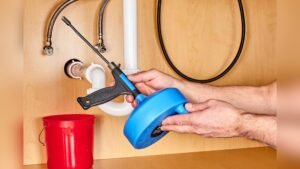
A plumbing snake (also called an auger) is a long, flexible tool. Slide it down the drain and turn the handle to break up the clog. This works for hair, food, and small objects stuck in the pipe.
Be gentle—pushing too hard can scratch or break pipes.
3. Check The P-trap
The P-trap is the curved pipe under your sink. Sometimes clogs collect here. Put a bucket under the pipe, unscrew the connectors, and remove the trap. Clean out any gunk, then reattach.
This step is a bit messy, but it often solves the problem.
4. Call A Professional
If none of these steps work, it’s time to call a plumber. Some blockages are deep in the main line or caused by tree roots. A professional has special tools to fix the problem quickly.

Credit: www.youtube.com
Real-world Example: How Baking Soda And Vinegar Saved A Costly Repair
Maria, a mother of two in San Antonio, faced a slow-draining kitchen sink after a holiday dinner. She tried hot water and a plunger but with no luck. A plumber quoted $150 for a visit.
Instead, Maria tried baking soda and vinegar. She followed these steps:
- Removed as much water as she could
- Poured in one cup of baking soda, then one cup of vinegar
- Waited 30 minutes
- Flushed with boiling water
After one round, the drain was still slow. She repeated the process, and the clog cleared completely. Maria saved money and avoided harsh chemicals in her home.
Environmental Impact: Why This Method Is Better
Many people use chemical cleaners without realizing the environmental cost. These products can pollute water and harm wildlife. They also release fumes that are dangerous to breathe.
Baking soda and vinegar are eco-friendly. They break down naturally and don’t add harmful substances to the water supply. If you care about the environment, this method is the smart choice.
:max_bytes(150000):strip_icc()/SPR-freshen-and-unclog-drain-with-baking-soda-1900466-Final-8fa0efccc89b48cc91da010f44f77e05.png)
Credit: www.thespruce.com
Cost Comparison: Diy Vs. Chemical Vs. Professional
Let’s compare the cost of each option for unclogging a typical kitchen sink.
| Solution | Average Cost Per Use | Notes |
|---|---|---|
| Baking soda & vinegar | $1 – $2 | Most affordable, safe for pipes |
| Chemical drain cleaner | $5 – $10 | Harsher, can damage pipes over time |
| Plumber visit | $100 – $250 | Best for serious blockages |
For most kitchen clogs, baking soda and vinegar is the best value.
Safety Tips When Using Baking Soda And Vinegar
While this method is very safe, here are a few tips to keep you protected:
- Wear gloves if you have sensitive skin or are removing dirty water
- Pour boiling water slowly to avoid burns or splashes
- Ventilate the kitchen if odors bother you
- Never mix with chemicals like bleach or store-bought drain openers
These steps keep you and your home safe during the cleaning process.
Non-obvious Insights Most People Miss
- Waiting time is critical: Many people rush and flush the drain too soon. The fizz needs 15–30 minutes to break up the clog.
- Use a stopper for more power: Covering the drain after pouring in vinegar traps the gas and increases the cleaning effect.
- Don’t add salt unless you know your pipes: Some guides suggest adding salt, but it can cause corrosion in old metal pipes.
- Repeat doesn’t mean failure: Sometimes it takes two or three rounds to clear a tough clog—this is normal, not a sign the method won’t work.
- Weekly use prevents clogs: Most people wait for a blockage, but regular baking soda and vinegar use keeps pipes clean and reduces odors.
Frequently Asked Questions
What If My Sink Is Still Clogged After Using Baking Soda And Vinegar?
If your sink doesn’t drain after two or three treatments, the clog might be too big or deep for this method. Try a plunger or plumbing snake next. If there’s still no improvement, the blockage may be in the main line, and you should call a plumber.
How Long Should I Let Baking Soda And Vinegar Sit In The Drain?
Let the mixture sit for at least 15 to 20 minutes. For tougher clogs, you can wait up to an hour. The longer you wait (without letting the mixture dry out), the more time it has to break up grease and food.
Is It Safe To Use This Method On All Types Of Pipes?
Yes, baking soda and vinegar are safe for most plumbing, including PVC, metal, and old pipes. Avoid using this method if you’ve recently used a chemical drain cleaner, as the reactions can be dangerous.
Can I Use This Method If I Have A Garbage Disposal?
Yes, but make sure the disposal is turned off and unplugged before starting. You can pour baking soda and vinegar directly into the disposal opening. After flushing with boiling water, run cold water and turn the disposal back on to clear any remaining particles.
Where Can I Learn More About The Science Behind This Method?
For a deeper look at how baking soda and vinegar react, see this detailed explanation on Wikipedia.
Clearing a kitchen sink clog with baking soda and vinegar is simple, safe, and effective. You don’t need expensive tools or harsh chemicals. With the right steps, you can keep your kitchen running smoothly and avoid costly repairs. Give this method a try the next time your sink slows down—you’ll be surprised how well it works.