If your ice maker stops producing ice or the cubes come out smaller than usual, the problem often lies in the water line. Clogged water lines are a common issue for both refrigerator ice makers and stand-alone units. A blocked line can lead to slow production, strange-tasting ice, or even leaks. Fortunately, with some simple tools and a bit of patience, you can fix most clogs yourself. This guide will walk you through every step to unclog an ice maker water line safely and efficiently.
Why Ice Maker Water Lines Get Clogged
Understanding why your ice maker’s water line gets clogged can help you prevent future problems. Over time, minerals from hard water can build up inside the tubing. In some cases, ice blockages form if the line gets too cold. Small debris, like dirt or plastic shavings from installation, can also get trapped. If your refrigerator has a water filter, forgetting to change it regularly may lead to more buildup in the lines. Finally, kinks in the water line or poor installation can restrict water flow, causing clogs.
Signs Of A Clogged Ice Maker Water Line
It’s important to spot the signs early. Some common symptoms include:
- No ice production or very slow ice output
- Small or misshapen ice cubes
- Odd-tasting or cloudy ice
- Water leaks from the back or inside the fridge
- Unusual noises like clicking or humming from the ice maker
If you notice any of these, your water line may be clogged, and it’s time for action.
Safety First: What To Do Before Starting
Before you begin, take these safety steps:
- Unplug the refrigerator. This prevents electric shock.
- Shut off the water supply. Find the valve behind or under your fridge and turn it off.
- Move the appliance carefully. Most refrigerators are heavy—ask for help if needed.
- Gather your tools. You’ll need a towel, bucket, screwdriver, hair dryer (or heat gun), and possibly a turkey baster or flexible cleaning brush.
Never skip these steps. Water and electricity are a dangerous mix, and you don’t want to damage your fridge or hurt yourself.
Step-by-step: How To Unclog An Ice Maker Water Line
Let’s get into the details. Follow these steps in order for the best results.
1. Locate The Water Line
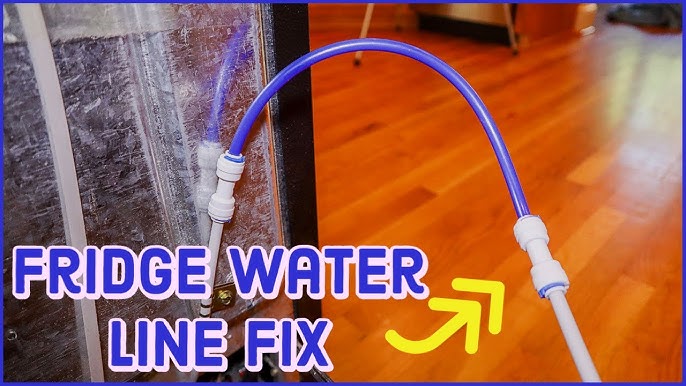
The ice maker water line usually runs from the back of your fridge to the ice maker compartment. For most units, you’ll see a thin plastic or copper tube. Some modern fridges have the water line tucked behind a panel—you may need a screwdriver to access it.
2. Check For Visible Kinks Or Damage
Sometimes, the issue is as simple as a kinked or pinched line. Gently straighten out any bends. If you see cracks or leaks, the line may need to be replaced. Damaged lines can cause leaks and water pressure drops.
3. Remove The Water Line
Carefully disconnect the water line from the back of your fridge. You may need an adjustable wrench or pliers. Place a towel and bucket underneath to catch any water. Label or take a photo of connections if you’re worried about remembering where things go.
4. Clear Ice Blockages
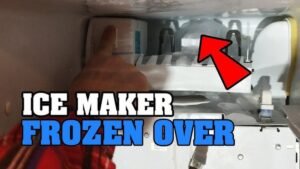
If you suspect the clog is ice, use a hair dryer on a low setting to warm the line. Move the dryer back and forth so you don’t melt or warp the plastic. Never use open flames or boiling water, as these can damage parts or cause injury.
5. Flush Out Mineral Buildup Or Debris
For mineral clogs or dirt, use a turkey baster or syringe to push warm water through the line. You can also use a flexible cleaning brush made for refrigerator water lines. Push the brush through gently, twisting to break up buildup.
6. Inspect And Clean Connections
Mineral deposits often form at connection points. Check the inlet valve and the end that connects to the ice maker. Clean these with a small brush or soak them in a vinegar solution for 10-15 minutes, then rinse well.
7. Reconnect And Test
After the line is clear, reconnect it carefully. Turn the water supply back on, plug in your fridge, and wait a few hours. Listen for ice dropping or water filling the tray. If everything works, you’ve solved the problem.
8. Replace The Water Filter (if Needed)
An old or clogged filter restricts water flow and can cause clogs. Most manufacturers recommend changing filters every 6 months. If you haven’t replaced yours recently, do it now.
Tools And Materials: What You’ll Need
Here’s a helpful comparison of the most common tools and their uses:
| Tool/Material | Purpose | Notes |
|---|---|---|
| Hair Dryer | Thaw ice blockages | Use on low heat |
| Turkey Baster | Flush warm water | Helps clear debris |
| Flexible Brush | Scrub inside line | Pick right size for your tube |
| Vinegar Solution | Dissolve minerals | Rinse thoroughly after use |
| Towel & Bucket | Catch spills | Protects your floor |
Having the right tools ready saves time and prevents mistakes.
When To Call A Professional
Most clogs are easy to fix, but sometimes you need expert help. Here are signs it’s time to call a technician:
- You see water leaking inside walls or floors
- The water line is damaged and needs replacement
- You’ve tried all steps, but the ice maker still won’t work
- The valve is broken or stuck
Refrigerator repair can get technical, and handling electrical or plumbing issues the wrong way can cause more damage.
Preventing Future Water Line Clogs
Prevention is easier than repair. Here’s how to keep your ice maker water line clear:
- Change the water filter every 6 months, or as the manufacturer recommends.
- Use filtered water if your tap water is very hard or contains a lot of minerals.
- Check for kinks in the water line during regular cleaning.
- Clean the ice maker and water line every year, or more often if you notice issues.
- Keep the temperature set correctly—not too cold in the freezer, as this can freeze the line.
Many people forget that the water line needs maintenance just like any other part of the kitchen.
Key Differences: Ice Maker Vs. Water Dispenser Lines
Some fridges have both an ice maker and a water dispenser. Their lines often share the same source, but clogs can affect them differently. Here’s a quick comparison:
| Feature | Ice Maker Line | Water Dispenser Line |
|---|---|---|
| Common Clogs | Mineral, ice, kinks | Mineral, debris |
| Signs of Clog | No ice/strange ice | Slow/no water flow |
| Cleaning Needed | Every 6-12 months | Every 6-12 months |
If your dispenser works but the ice maker doesn’t, the clog is likely in the ice maker line or valve.
Credit: www.youtube.com
Common Mistakes When Unclogging
Even with simple repairs, mistakes happen. Avoid these:
- Forgetting to unplug the fridge—this is dangerous.
- Using sharp tools—can puncture or damage the water line.
- Skipping the water filter—even if you clear the line, a clogged filter will cause more issues.
- Not checking connections—loose or cross-threaded fittings can leak.
- Overheating the line—using high heat can melt plastic tubing.
A little patience and care go a long way.
Two Surprising Insights Most People Miss
- Clogged water lines can affect ice taste and odor. People often blame the ice maker, but water trapped in the line picks up bad flavors if not cleaned. Regular flushing keeps ice fresh.
- Freezer temperature matters more than you think. If your freezer is too cold (below -10°F or -23°C), water inside the line can freeze and block flow. Keep your freezer between 0°F and -5°F (-18°C to -20°C) for best results.
How Often Should You Clean The Water Line?
Many people wait until there’s a problem before taking action. It’s best to clean your ice maker water line once a year. If you have hard water, live in an older house, or notice changes in ice quality, clean it every 6 months. This simple habit prevents most clogs.
Troubleshooting: Still Not Working?
If you’ve tried all the steps and your ice maker still doesn’t work, check these points:
- Is the water supply valve open? Sometimes it gets bumped closed.
- Is the freezer cold enough? Ice makers won’t cycle if it’s too warm.
- Is the ice maker turned on? Most have an on/off switch.
- Did you reconnect everything tightly? Even a small leak can stop water flow.
If these are all correct, and you still have trouble, a professional can help diagnose complex electrical or mechanical failures.

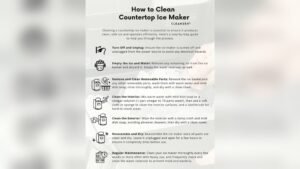
Credit: www.amazon.com
Tips For Long-term Performance
- Keep the area behind your fridge dust-free to avoid overheating.
- Use a surge protector for your refrigerator to prevent damage from power spikes.
- Label water lines and connections when doing repairs, so reassembly is easy.
- Write the filter change date on a sticker inside your fridge as a reminder.
These small steps can add years to your ice maker’s life.
Frequently Asked Questions
How Do I Know If My Ice Maker Water Line Is Frozen Or Clogged With Debris?
If the line is frozen, you’ll often see no water flow, and the line may feel cold and hard. If it’s clogged with debris, water may trickle slowly, or ice cubes are smaller and cloudy. Thawing the line with a hair dryer helps diagnose—if water flows after, it was frozen.
Can I Use Vinegar To Clean My Ice Maker Water Line?
Yes, you can use a diluted vinegar solution to dissolve mineral buildup. Flush the line with the solution, then rinse with clean water before reconnecting. Don’t use strong chemicals, as they can damage plastic or leave bad taste.
How Long Does It Take To Unclog An Ice Maker Water Line?
Most clogs can be cleared in 30–60 minutes. If you need to let the line thaw, it may take longer. Set aside extra time for cleaning and reassembly.
Will Unclogging The Water Line Fix Bad-tasting Ice?
Sometimes. If the taste comes from old water or minerals trapped in the line, cleaning usually fixes it. If the taste remains, change the filter and clean the ice bin. Persistent odors may be caused by food in the freezer.
Where Can I Find More Detailed Repair Guides?
You can find more step-by-step guides and diagrams from your refrigerator manufacturer’s website or from resources like Family Handyman.
Fixing an ice maker water line clog is a job most people can handle. With the right steps and regular care, your ice maker will keep producing clean, fresh ice year-round. Pay attention to the signs, use the right tools, and don’t hesitate to ask for help if you need it.
Credit: www.homezada.com